
Wichita City Council approves state grant to help address sustainability goals
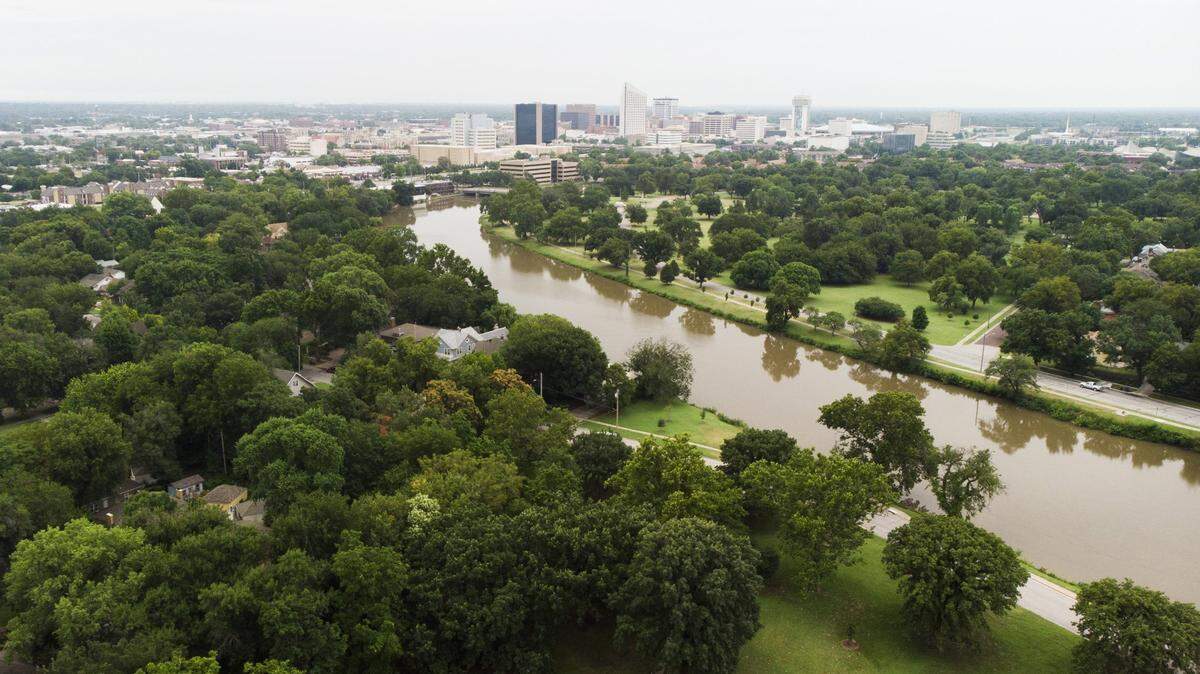
A $200,000 grant from the state of Kansas, through federal dollars, could help the city of Wichita move forward with its community resiliency plan.
The draft plan was revised after some pushback on the initial draft published last year, which included wanting to cut the city’s greenhouse gas emissions in half by 2035.
Council members unanimously approved the grant funds at its Tuesday meeting.
There were “concerns about making sure that we were not increasing regulations, adding costs, especially in light of rising taxes, which we are very cognizant to,” City Public Works Director Gary Janzen said. “There’s a lot of different viewpoints, research and opinions on the matter that we are trying to keep to the forefront too.”
The city said the grant would help fund a cost-benefit analysis of future sustainability projects and a public data-sharing dashboard. Leftover funds could also go towards smaller sustainability projects.
“This grant, obviously, is not small scale,” city sustainability board vice chair Russell Arben Fox said. “If you want to be able to sustain something, you can’t just tell a student, ‘okay, hold that note, like, forever.’ No, there’s training, there’s vocal exercises, there’s work that goes into developing that.”
The current version of the draft plan removed the greenhouse gas emissions goal, and instead mainly focuses on drought and water issues, as well as planting more trees to address the city’s heat island.
The draft plan has yet to be voted on by the City Council.
“The final [community resilience plan] will be brought to the City Council for approval if and when we get to that point,” Janzen told the council.
Janzen emphasized that the plan does not include regulations for Wichita residents.
“We’ve got multiple departments working on sustainability efforts,” Janzen said. “This plan ultimately would help us be on the same page moving forward and to make proper recommendations to the city council with public engagement.
“What this is not, this effort moving forward, is developing additional regulations or laws. It is not putting restrictions on choices related to vehicles, homes or other personal property, and it is not a commitment to fund new projects outside of what is in the current city budget or [Capital Improvement Program] and also without city council approval.”
Tree planting remained a priority through both draft plans.
“Trees are an important part of the solution for lowering energy bills and reducing the demand for energy,” ICT Trees board chair Harold Schlechtweg said. He spoke in favor of accepting the grant funds at Tuesday’s meeting.
Mayor Lily Wu, during the meeting, encouraged city staff to use less of the grant funds to hire a consultant to help the city throughout the planning process.
“I would challenge the staff to try to see how consultant fees could be the lowest amount so that money could actually be used for actual projects and the dashboard,” she said. “Which I think it goes back to transparency with community. They want to see what is being done with grant dollars.”