Kansas is once again at center of US abortion debate with first vote after Roe v. Wade
READ MORE
What does overturning Roe v. Wade mean for KS, MO?
Kansas and Missouri now have more control over abortion access in their state following the Roe v. Wade, a landmark 1973 court ruling that established abortion as a constitutional right. Here’s what that looks like.
Expand All
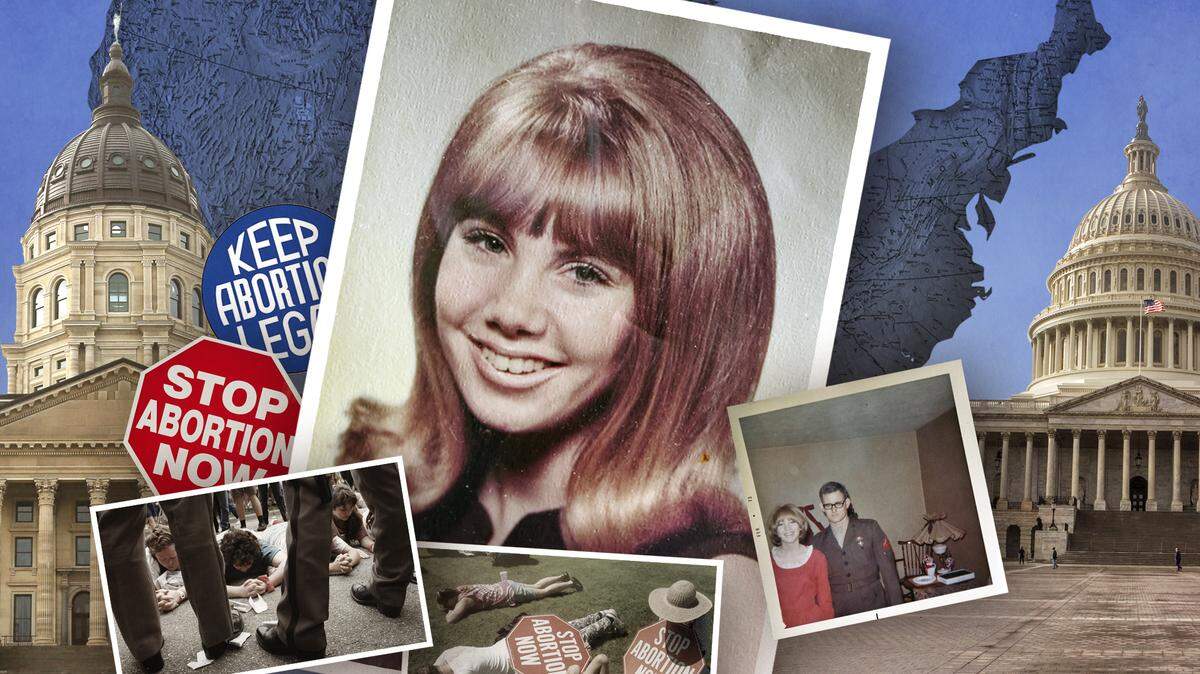
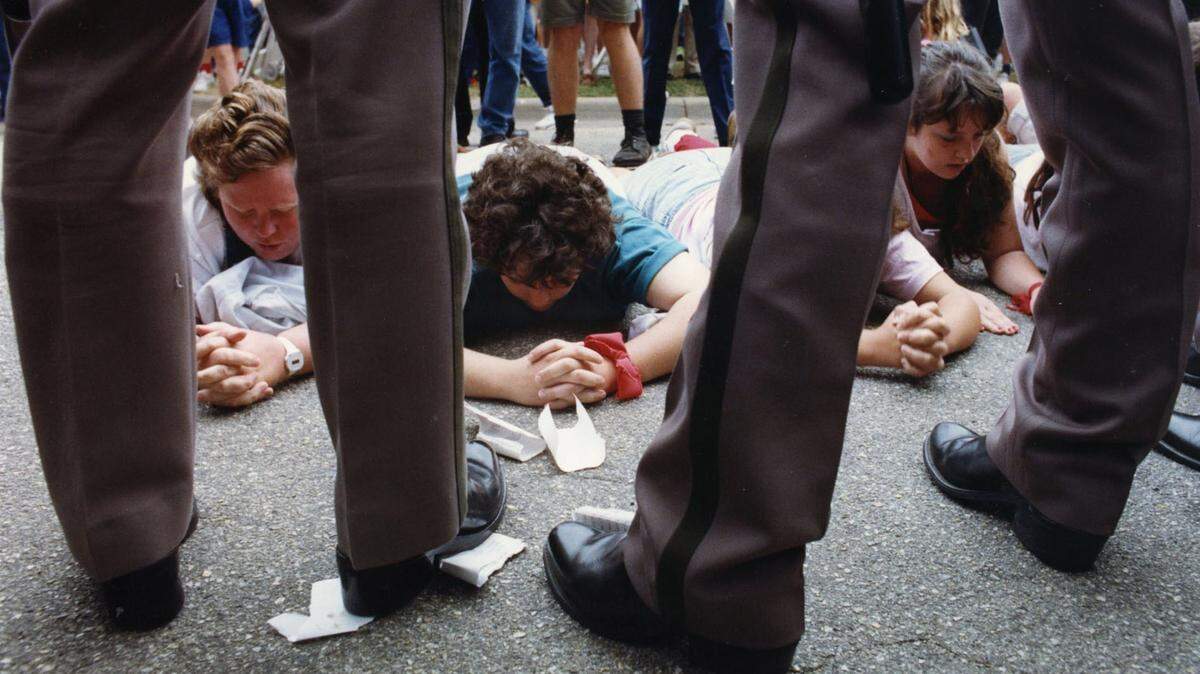
Kansas drew national attention in 1991 as anti-abortion activists mounted a “Summer of Mercy,” holding sit-in protests outside abortion clinics leading to thousands of arrests.
Eighteen years later, an anti-abortion extremist murdered Wichita doctor George Tiller, one of the few physicians in the country who performed late term abortions, as he ushered in his church. The assassination shocked the country.
When it comes to abortion, the spotlight is once again turning to Kansas.
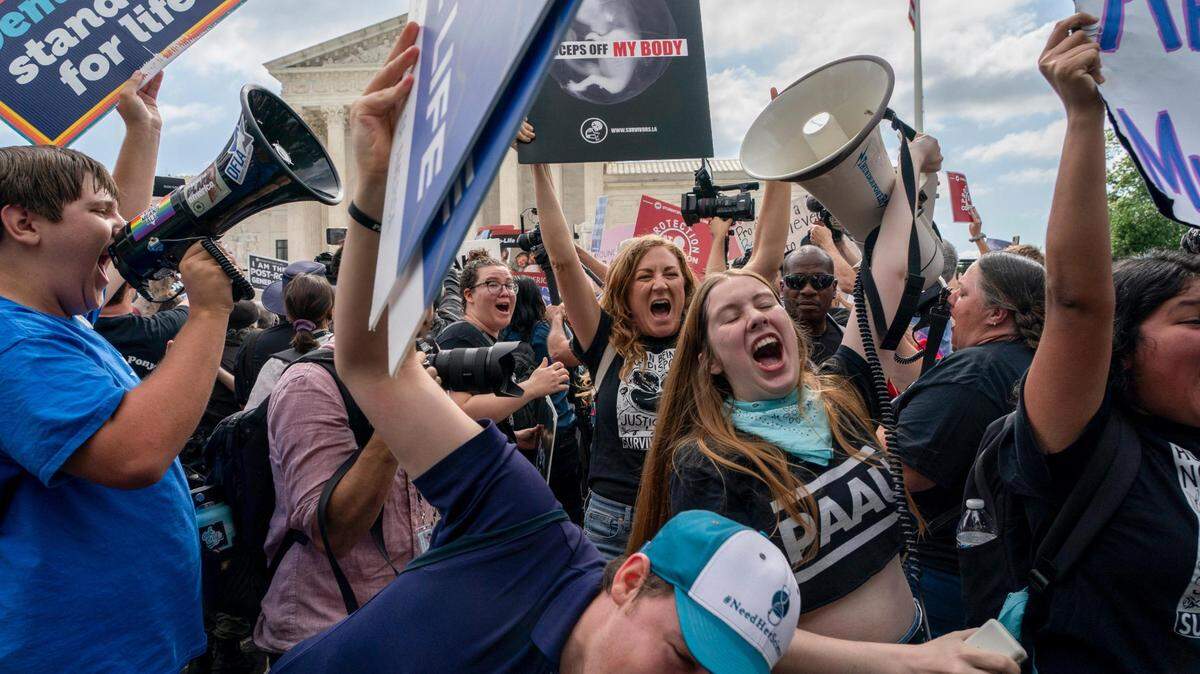
In a few weeks, Kansas will become the first state to vote on abortion rights after the U.S. Supreme Court decision overturning Roe v. Wade, the 1973 decision that guaranteed the right to abortion nationwide.
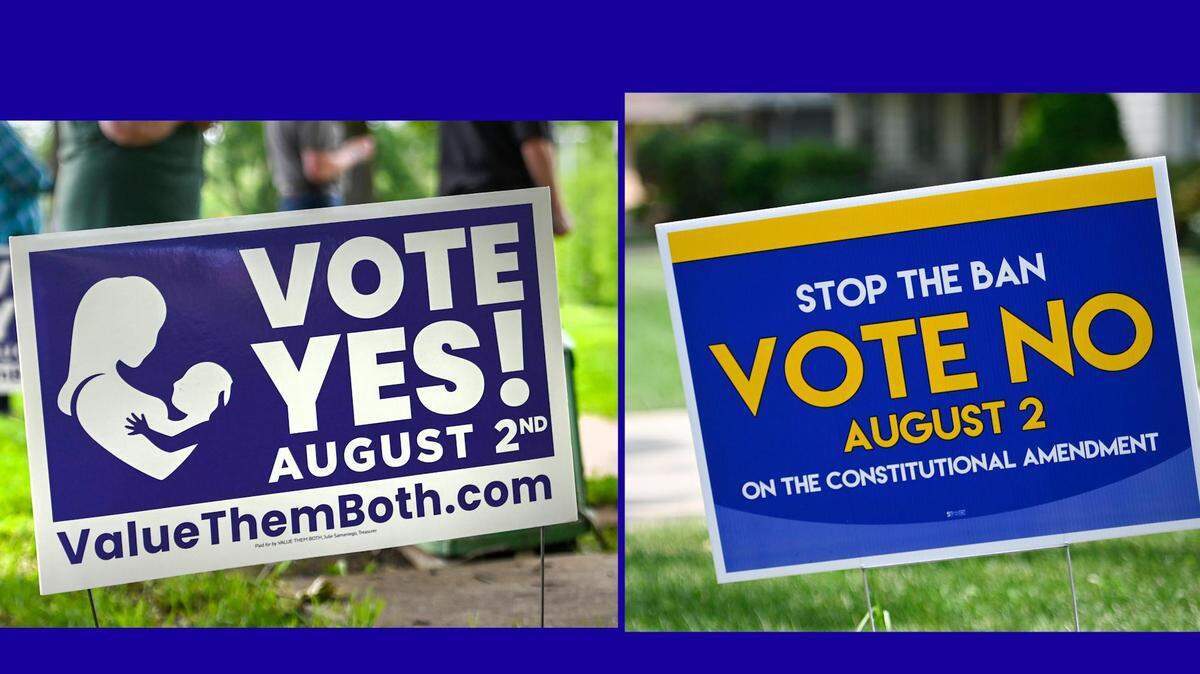
The statewide vote—over an amendment to the Kansas Constitution—will determine whether Kansans support a guaranteed state constitutional right to an abortion, or want to open the door to allowing the Republican-controlled Legislature to ban the procedure. It may also decide the fate of abortion access across much of the Great Plains as nearby states impose their own bans.
But the vote will also offer one of the first major tests in the country of how the end of Roe v. Wade will affect the political landscape.
Fateful amendment outcome uncertain
Kansas is a generally, but not exclusively, conservative state. Republicans hold the Legislature and most statewide elected offices. Voters in 2005 easily approved a no longer enforceable ban on same-sex marriage.
On the other hand, Democrats are sometimes elected governor, and parts of the state have a tradition of moderate Republicanism.
The outcome of the Aug. 2 on the amendment – called Value Them Both by supporters – is far from certain. Especially now.
Whatever Kansas voters decide, it will serve as a guidepost to the rest of the nation, providing insight into the attitudes on abortion and abortion rights at a pivotal moment in the country’s history.
“The eyes of the country are absolutely on Kansas,” said state Rep. Stephanie Clayton, an Overland Park Democrat.
Clayton said Kansas has a fierce, independent spirit that she traced back to its founding as a free state in 1861. The vote, she said, will be about freedom.
“I don’t think that Kansans are going to hand over our rights to legislators,” Clayton said.
National money aiding amendment fight
Even before Friday’s decision, national money was pouring into the fight over the amendment, underscoring its significance.
The American Civil Liberties Union donated $100,000 to Kansans for Constitutional Freedom, the main “vote no” group, last year. The Planned Parenthood Action Fund contributed $50,000.
The Susan B. Anthony List, which campaigns for anti-abortion female politicians, announced Wednesday it was investing $1.3 million into the campaign.
Both sides have been fundraising since lawmakers voted to put the amendment on the ballot in January of last year.
The vote came in response to a 2019 Kansas Supreme Court ruling that found a right to bodily autonomy, and therefore abortion, in the state constitution. The ruling resulted in immediate calls from anti-abortion activists to change the constitution.
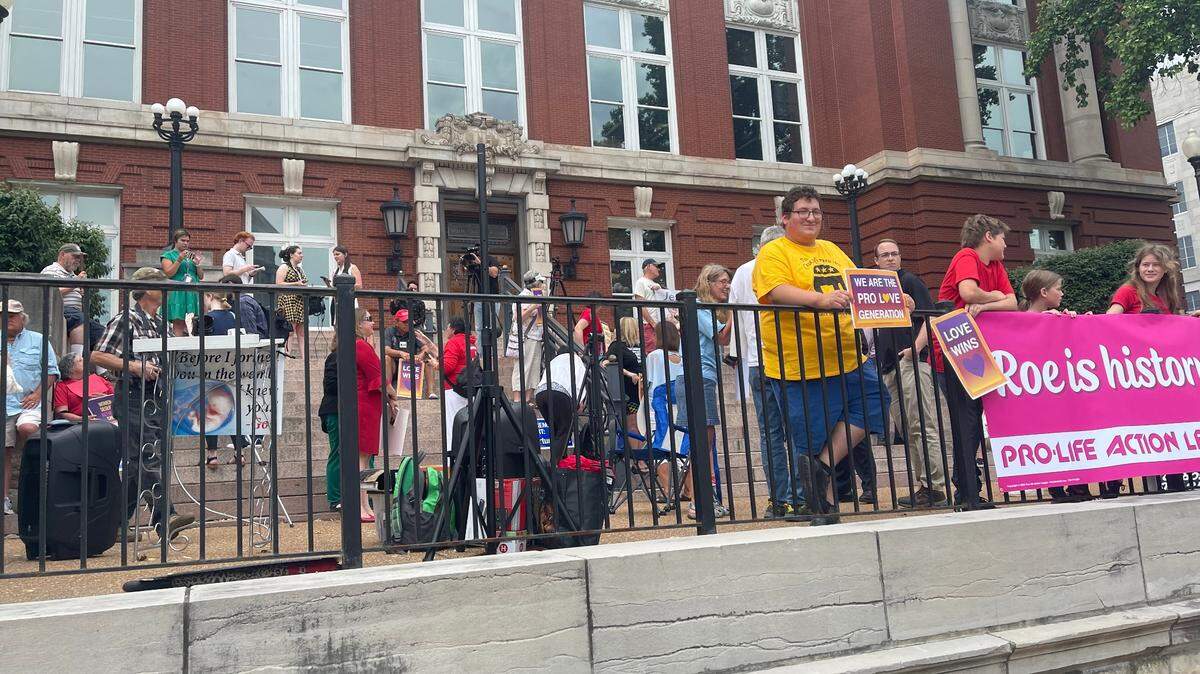
“Let us pray for our state that the whole nation will have its eyes on Kansas on August 2nd,” Archbishop Joseph Naumann, who leads the Catholic archdiocese of Kansas City, Kansas, said at a rally earlier this month.
State Rep. Susan Humphries, a Wichita Republican, said she anticipated growing national attention over the next five weeks. She said it wasn’t a coincidence that Kansas was once again a focal point of the abortion fight.
“People call us flyover country. When you look at a lot of these issues we are at the forefront and I think it’s because we are a thoughtful state,” Humphries said.
Kansas affects access for residents elsewhere
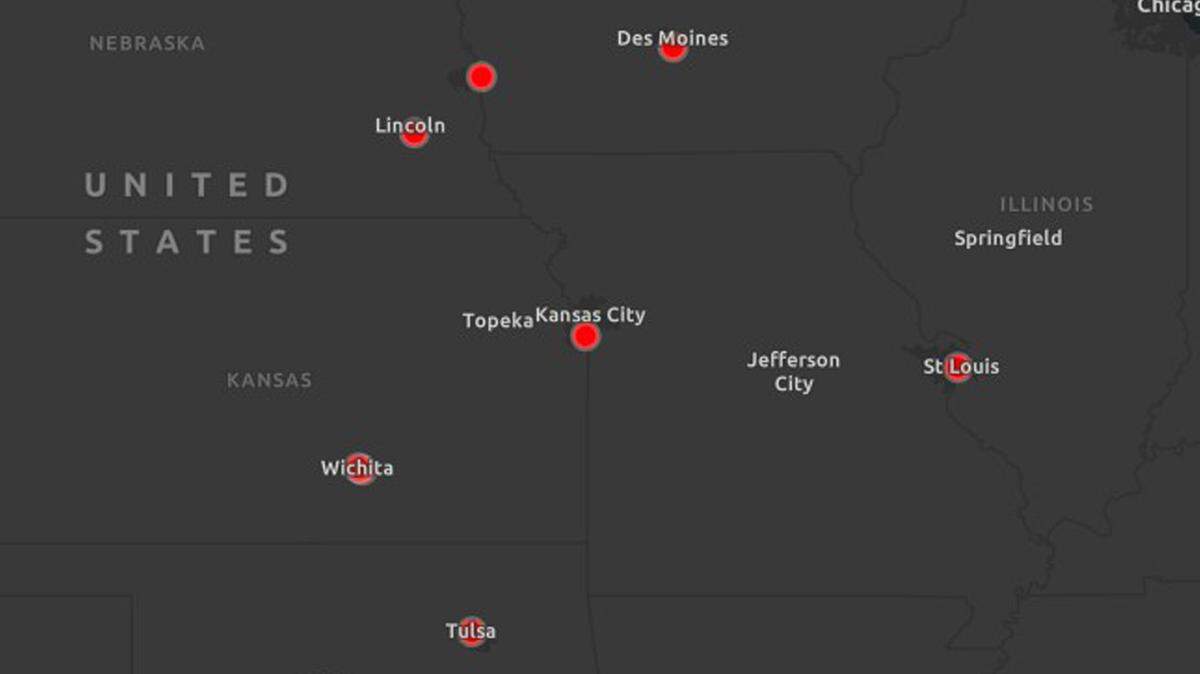
In addition to signaling how the politics are shifting after the end of Roe, the Kansas vote may hold concrete consequences for women in surrounding states. Abortion is already banned or will soon be banned in Missouri, Arkansas, Oklahoma and Texas.
“We have had months – if not the last several years – to prepare for this decision that overturns 50 years of precedent,” Kansas Senate Minority Leader Dinah Sykes, a Lenexa Democrat, said in a statement.
“But knowing it would happen doesn’t make it any less devastating, especially for our neighbors in Missouri, Oklahoma, and Texas, whose rights have evaporated in an instant with this ruling.”
Trust Women, whose Wichita abortion clinic is the successor to Tiller’s clinic, said in a statement that society is at a pivotal moment and called for support of its clinics. An abortion ban has already gone into effect in Oklahoma, so the clinic there is directing all its patients to its Wichita location.
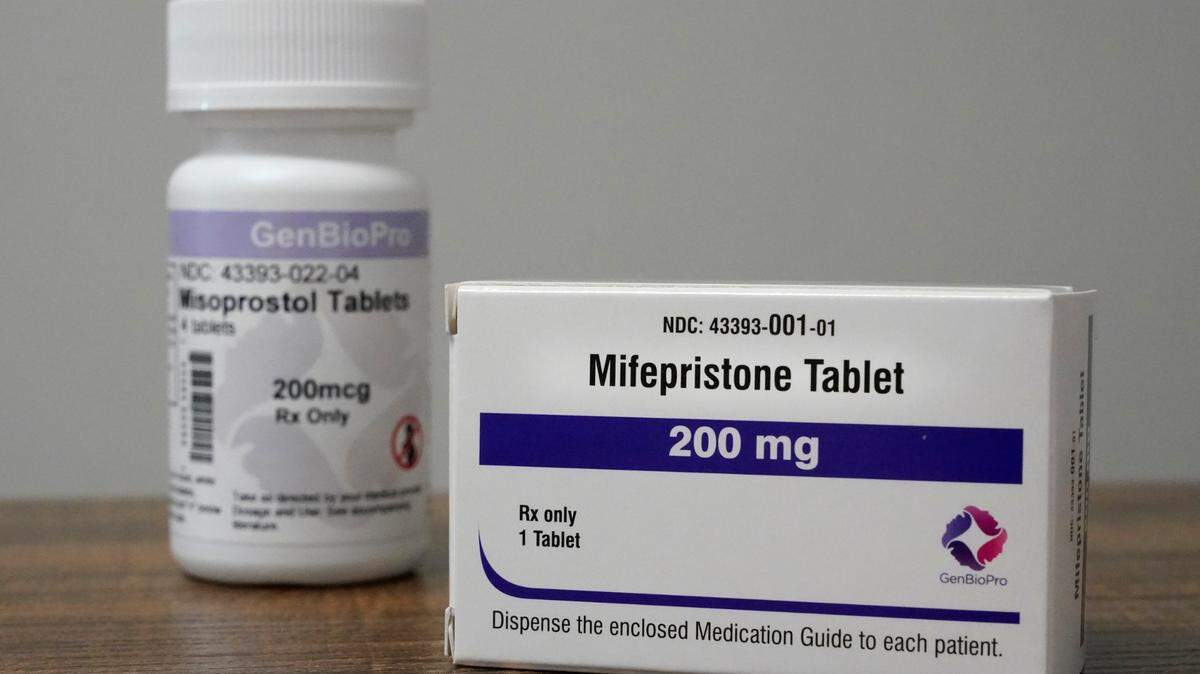
Missouri’s ban on abortion went into effect on Friday. But even before that, Missouri residents were already regularly traveling to Kansas for abortion. In 2021, 3,458 Missouri residents received abortions in Kansas — 44% of all abortions performed in Kansas that year.
While anti-abortion activists celebrated the Supreme Court decision, they were also quick to note stopping Missourians from having abortions will depend in large part on what happens in Kansas.
“It also depends on what happens in August in Kansas with the constitutional amendment,” Samuel Lee, a lobbyist with Campaign Life Missouri, said. “That’s huge.”
Kansas’ abortion legacy
Kansas is not demographically representative of the country. Michael Smith, a political science professor at Emporia State University, noted that the state is whiter, more rural and more Republican than the U.S. as a whole.
But Kansas has often felt pivotal to the abortion debate, he contends.
Kansas was one of the first states to liberalize its abortion laws before Roe v Wade, legalizing some therapeutic abortions.
The 46-day “Summer of Mercy” campaign, in Wichita, drew activists from across the country. The televangelist Pat Robertson headlined a rally at one point.
The repeated clinic blockades, which lead to frequent arrests, helped galvanize the anti-abortion movement and foreshadowed the growing role of abortion in Kansas politics.
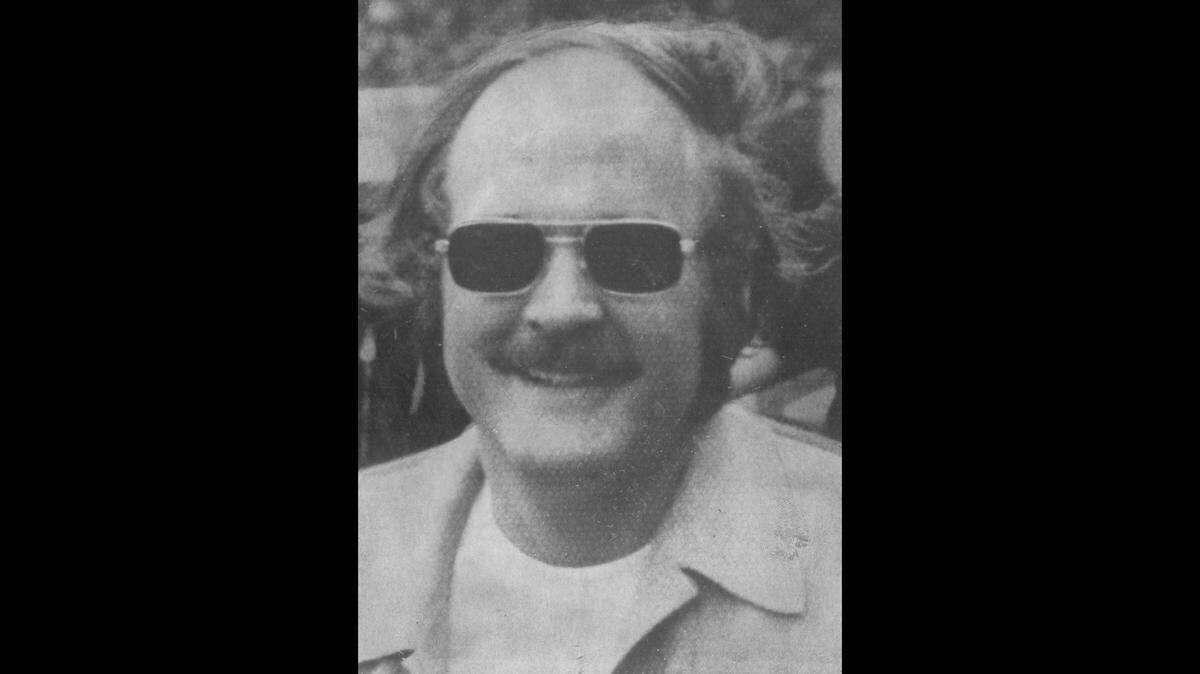
And decades earlier, Sen. Bob Dole capitalized on abortion politics in 1974 to win his reelection campaign against Democratic gynecologist Bill Roy after Watergate. Dole narrowed in on Roy’s profession questioning how many abortions his opponent had performed.
“Kansas is really a center for this politics and now it’s happening again,” he said.
Clarification: This story has been edited to remove reference to a Guttmacher Institute study that predicted more than a 1,000% increase in women of reproductive age whose closest access to abortion would be in Kansas. The study was based on assumptions of a post-Roe America that did not immediately become true.
This story was originally published June 24, 2022 at 1:45 PM with the headline "Kansas is once again at center of US abortion debate with first vote after Roe v. Wade."


.jpg)