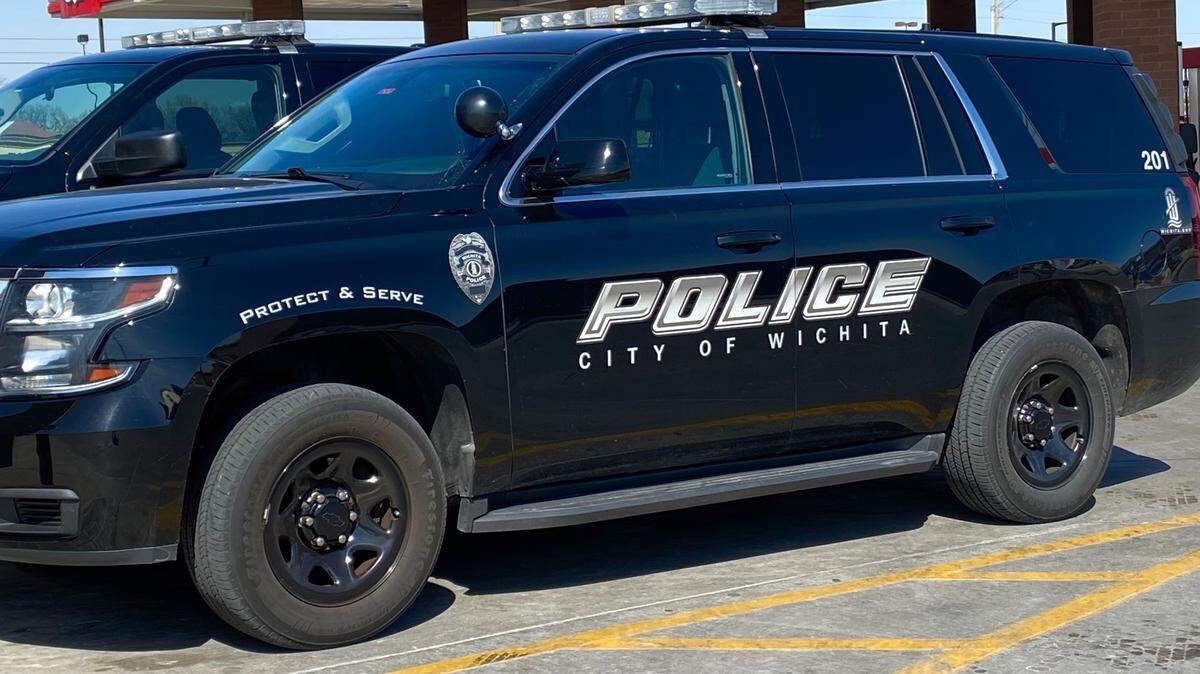
Wichita officer who killed Black veteran can’t get fair civil trial now, city’s lawyers say
READ MORE
Secret messages among Wichita-area law enforcement
A pattern of racism and disdain for people shot by police has surfaced in private messages between a small group of Wichita-area law enforcement officers, including several who have shot civilians.
Expand All
The city of Wichita used a recent racist text messaging scandal to delay a civil trial against a Wichita police officer who shot and killed a Black Marine veteran in 2014.
The city’s lawyers claimed in court filings that recent news coverage would “inject race into the trial,” which they said “is not an issue in this case.”
Family members of Icarus Randolph are suing officer Ryan Snyder and the city of Wichita in state court for wrongful death and several other civil claims related to his killing on July 4, 2014. The city has contended that Randolph’s killing was reasonable.
Randolph, 26, was killed on his mother’s front lawn after police said he charged Snyder. His mother had called 911 to get mental health treatment for him, and he was not suspected of any crimes.
In what has been a seven-year court battle, the Randolph lawsuit was reopened in 2020 after the Kansas Court of Appeals reversed a Sedgwick County District Court’s dismissal of it. It was scheduled for trial on May 2.
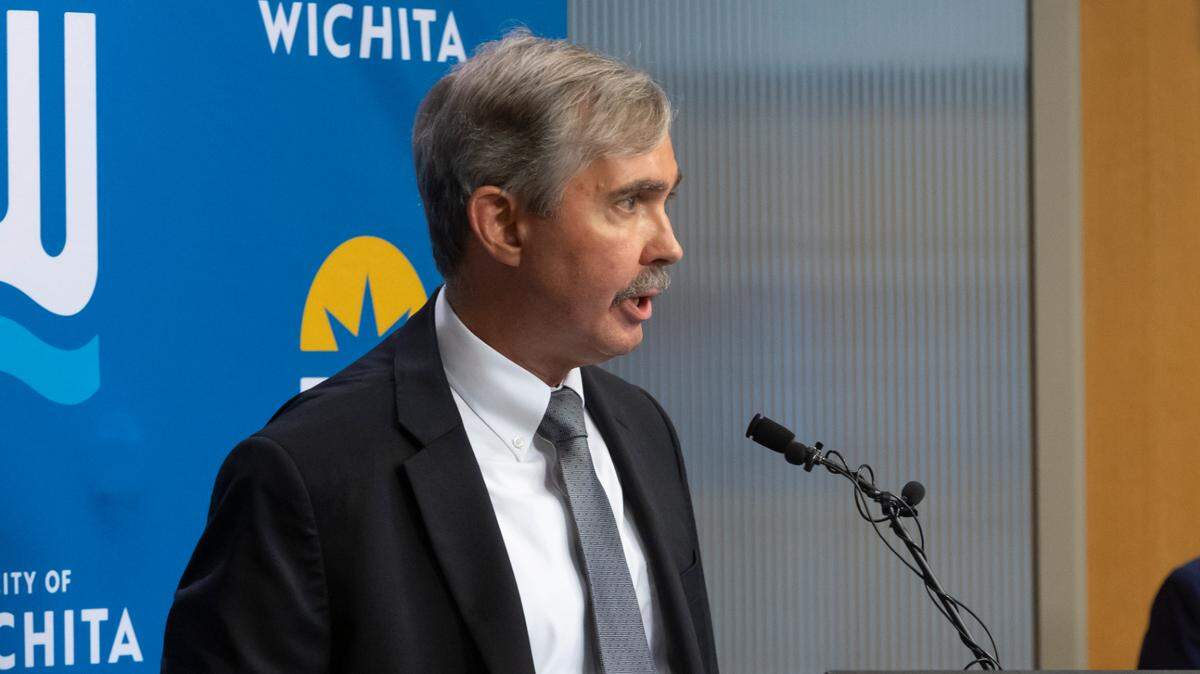
The city’s lawyers — Samuel Green and Steven Pigg — requested a continuance on April 18 saying the trial should be held after news coverage of the racist text messages, first reported by The Wichita Eagle on March 21, died down. The trial has been delayed until August at the earliest. Other changes in the case likely contributed to the city’s request being granted, such as a new attorney representing Randolph’s family.
The city’s attorneys say the revelations about racist attitudes shared among officers in the Wichita Police Department would prejudice a jury in Randolph’s court case. The lawyers cited coverage of the scandal, not the text messages themselves, as eroding trust in the department.
“Specifically, the articles and media attention has focused on WPD use of force and race,” the lawyers wrote. “While race is not an issue in this case, the untimely media focus has a substantial potential to inject race into the trial, which would waste time, confuse the issues, and unduly prejudice defendants.”
They asked for a delay “to allow for the media attention on WPD to subdue to avoid prejudice.”
“Here, substantial media coverage in the weeks leading up to the trial pose a substantial risk that defendants will not receive a fair trial,” the city’s attorneys wrote. “A continuance is necessary to allow any prejudice to be cured or diminished by passage of time.”
William Skepnek, an attorney representing Randolph’s family, objected to the motion, saying the city failed to provide “any evidence to demonstrate the length of time that will be needed for the public to forget about the current news.”
“It is counterintuitive, and most likely unprecedented, to suppose that the people of a city can be prejudiced in favor of a person who is pursuing a monetary claim against the city their taxes go to support,” he wrote in his objection.
“They say the people of Sedgwick County know what the reputation of the Wichita police is and that they can’t get a fair trial because they’ve got such a bad reputation,” Skepnek told The Eagle.
Skepnek said the city’s move to postpone the trial says more about the embattled police department than it does the facts of the Randolph case.
“They’re the ones raising the race card,” Skepnek said.
Pigg and Green, the city lawyers, did not respond to requests for comment Monday.
Race issues
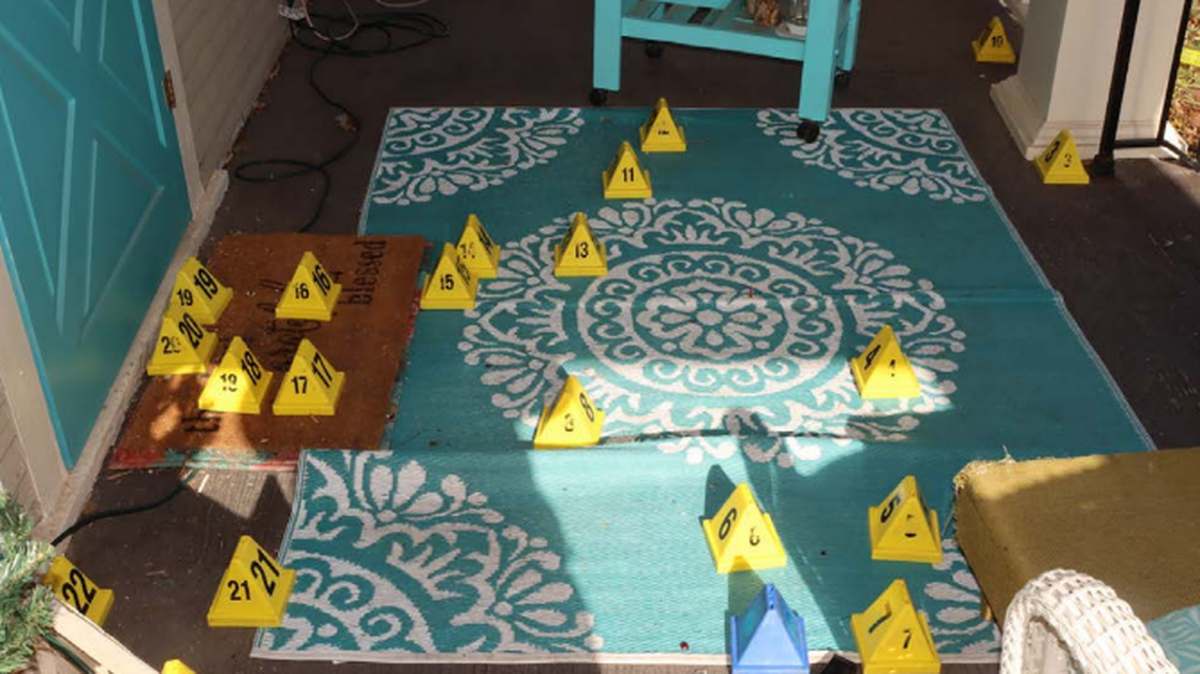
Randolph’s mother called 911 on July 4, 2014, seeking a police escort to a mental health center after Randolph began displaying signs of a mental breakdown. As family members spoke to Wichita police officers in the front yard, Randolph came out the front door and began walking in a straight line across the lawn.
Police and witnesses have offered conflicting accounts of what happened next, court records show.
Witnesses said Randolph was strolling aimlessly with a “thousand-yard stare” and his arms at his side when Snyder escalated the encounter by stepping into his path.
Snyder described Randolph as walking aggressively and said that he thought Randolph was looking right at him, court records show. He said he was acting in self-defense.
As Randolph walked closer, Snyder used a Taser on him. Randolph raised his arms, showing that he had a pocket knife in one hand. After seeing the knife, Snyder dropped the Taser, grabbed his pistol and shot Randolph four times in the chest. Snyder then aimed his pistol at Randolph’s mother, who had run to her son’s side but backed away after the officer pointed the gun at her.
A jury in the civil lawsuit brought by Randolph’s family will decide whether Snyder acted in self defense when he tased and shot Randolph. The jury will also decide whether Snyder committed a civil assault when he pointed his gun at Randolph’s mother.
District Attorney Marc Bennett did not file criminal charges against Snyder, a 16-year veteran of the Wichita Police Department who is now a community police officer in northeast Wichita.
Randolph was killed two weeks before riots and protests broke out in Ferguson, Missouri, over the police killing of Michael Brown, an unarmed Black teenager.
To head off unrest in Wichita, civic leaders organized a series of #NoFergusonHere community forums that, in part, ushered in Wichita police body cameras and a Citizens Review Board meant to enhance trust in the Wichita Police Department.
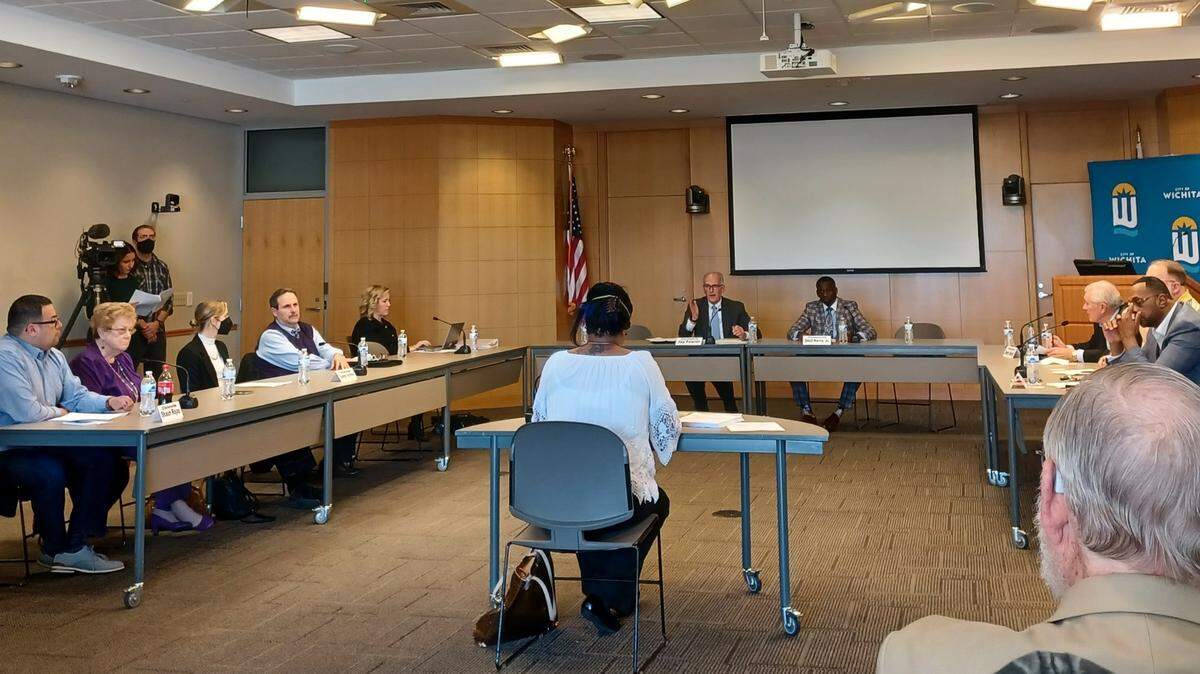
The review board — established in 2018 — was granted limited authority to investigate allegations of racial bias or excessive force against Wichita police officers. The board was reliant on information provided by the Wichita Police Department, including summaries of disciplinary actions and complaints against officers.
In March, an Eagle investigation into multiple Citizens Review Board cases found key details about racist and inappropriate messages sent by officers were omitted from the board’s information packet.
The Eagle report uncovered a botched internal investigation into racist text messages sent by members of the Wichita police SWAT team.
Wichita Police Department leaders gave the officers who sent troubling text messages light discipline and failed to report the information to federal and state prosecutors, as is required under federal law to ensure defendants get a fair trial.
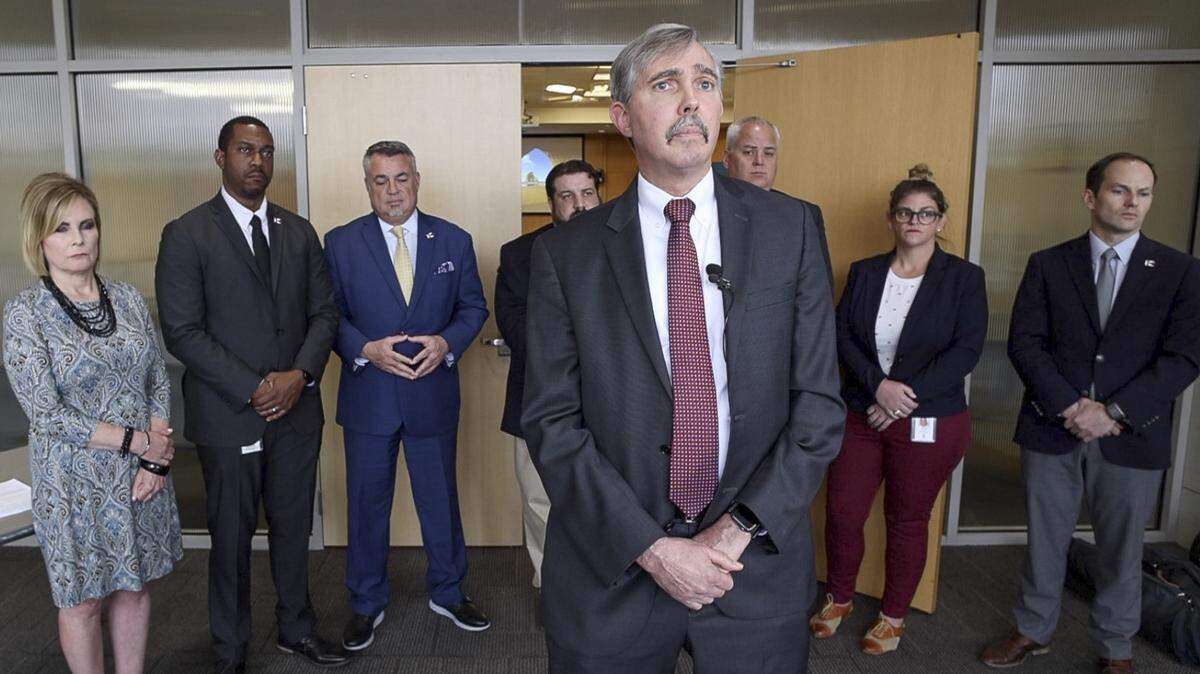
City officials have been fighting over who is responsible, with the city manager’s office blaming former Chief Gordon Ramsay and his deputy chiefs, who in turn point to the human resources manager, police union and City Manager Robert Layton.
In its filing in the Randolph case, the city of Wichita claimed in April that news stories about the messages “highlight the community awareness and potential impact on the upcoming trial.”
The city quoted a news article and a speaker at the Citizens Review Board meeting to show trust in Wichita police has eroded since the text messages were disclosed to the public, including a sentiment that the text messages “just scratches the surface” of misconduct in the police department.
The Eagle’s initial story focused on a sexually degrading meme sent by two officers and a sheriff’s deputy’s text praising peers on the SWAT team who “permanently de-escalated people who needed permanent de-escalation”; three Wichita police officers liked, loved or commented on that message. The meme depicted a naked Black man sitting on the head of George Floyd, a Black man killed by Minneapolis police in 2020.
A larger tranche of text messages was later released by the Citizens Review Board. It’s unclear if Snyder or any of the other officers involved in the Randolph case and subsequent investigation of the killing sent any of the troubling text messages. The city has declined to release the names of the 12 officers who sent the messages.
In the text messages, SWAT team members from the Wichita Police Department and Sedgwick County Sheriff’s Office lamented that they don’t get to shoot more people more often, called potential victims of police shootings “good targets,” suggested an affiliation with the anti-government “Three Percenters” militia movement and joked about the beating and tasing of “stupid Mexicans.”
One Wichita officer told a Sedgwick County deputy “I’d be down” in response to the deputy’s suggestion that he start a police chase in north Wichita — home to a large portion of Wichita’s Hispanic population — as he was “due for another shooting.”
Another Wichita officer responded “Bah! Awesome” to a deputy’s joke about mass Muslim genocide.
“Defendants anticipate that similar publicity will continue in the immediate future based on inquiries received by the city,” the city’s lawyers wrote. “The publicity regarding the meme incident and resulting investigation is prejudicial to defendants and presents a legitimate risk that potential jurors will have pre-formed opinions regarding defendants based on the reports being made in the media. Public comments have demonstrated community distrust of WPD stirred up by the recent publicity.”
This story was originally published May 24, 2022 at 4:53 AM.

.jpeg)