Lawmaker proposes tax exemption for soap, diapers, tampons, other hygiene supplies
A state lawmaker is proposing a bill to make it cheaper for you to get cleaner.
Ahead of the annual session that starts Monday, Rep. Vic Miler has pre-filed House Bill 2461, which would remove the state sales tax on personal hygiene products including soap, deodorant, feminine sanitary products, toilet paper, diapers and other necessities.
Miller, a Topeka Democrat, said the bill was suggested by one of his interns several years ago and this year could offer the political climate to get it done.
“I think now the timing is right to introduce it, along with eliminating the sales tax on food,” he said. “To me, these are similar items in terms of items that everyday Kansans purchase and don’t really have much choice about. So it’s a good time while we’re exempting food to go ahead and exempt hygiene items as well.”
While dropping the food sales tax is estimated to cost the state $450 million to $460 million in revenue, the price tag for repealing the tax on hygiene items is much lower, about $13 million, according to a preliminary estimate from the Legislative Research Department, Miller said.
Democratic Gov. Laura Kelly has made getting rid of the state tax on food a centerpiece of her legislative agenda and her campaign for re-election. Her presumptive Republican opponent, Attorney General Derek Schmidt, has asked legislators of his party to also introduce legislation to remove or reduce the food tax
At least 38 states either don’t tax food or tax it at a much lower rate than other consumer purchases.
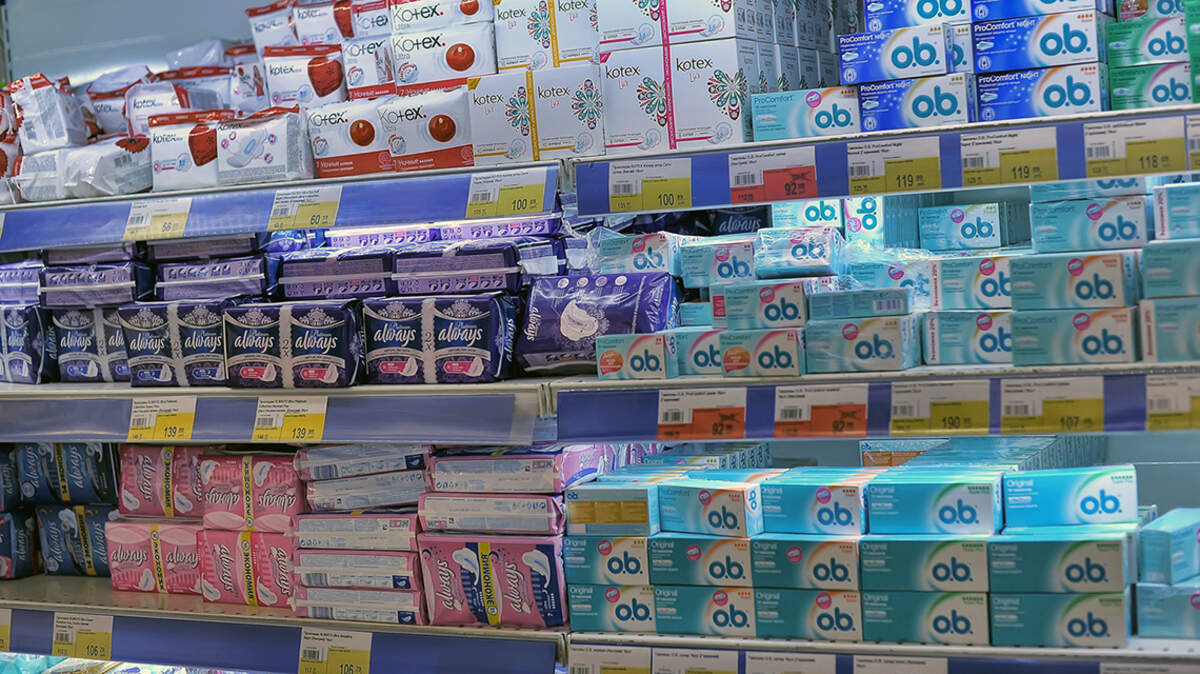
State laws on taxing hygiene supplies vary widely and statistics are not as precise as they are on food. But several states have exempted at least some of the products on Miller’s list — especially feminine hygiene supplies — following a national campaign started several years ago to repeal the “tampon tax.”
A 2021 study by the women’s magazine Marie Claire found that 20 states and the District of Columbia don’t tax feminine hygiene products.
Miller said he introduced a broader bill that would give tax relief to men and women.
The main argument against the food sales tax is that it’s regressive, essentially falling hardest on the poor who spend a larger percentage of their income on necessities.
The same holds true for hygiene supplies, Miller said.
“The less you make, the more important this exemption would be to you,” Miller said. “I think promoting good hygiene, good health is a noble cause and I think this bill would help do that.”
The list of items that would become tax exempt under HB 2461 includes antiperspirants, cotton swabs, dental floss, deodorants, diapers, menstrual cups, mouthwash, panty liners, sanitary napkins, shampoo, soaps and cleaning solutions, suntan lotions, suntan screens, tampons, toilet tissues and toothpaste.
Miller said the list was a result of a brainstorming session he had with staff and he’d be open to expanding it as the bill makes its way through the Legislature.
“There may be items we left out, but that can easily be fixed,” he said.