Here’s how a plan to end Kansas’ food tax could affect candy, pop and plated meals
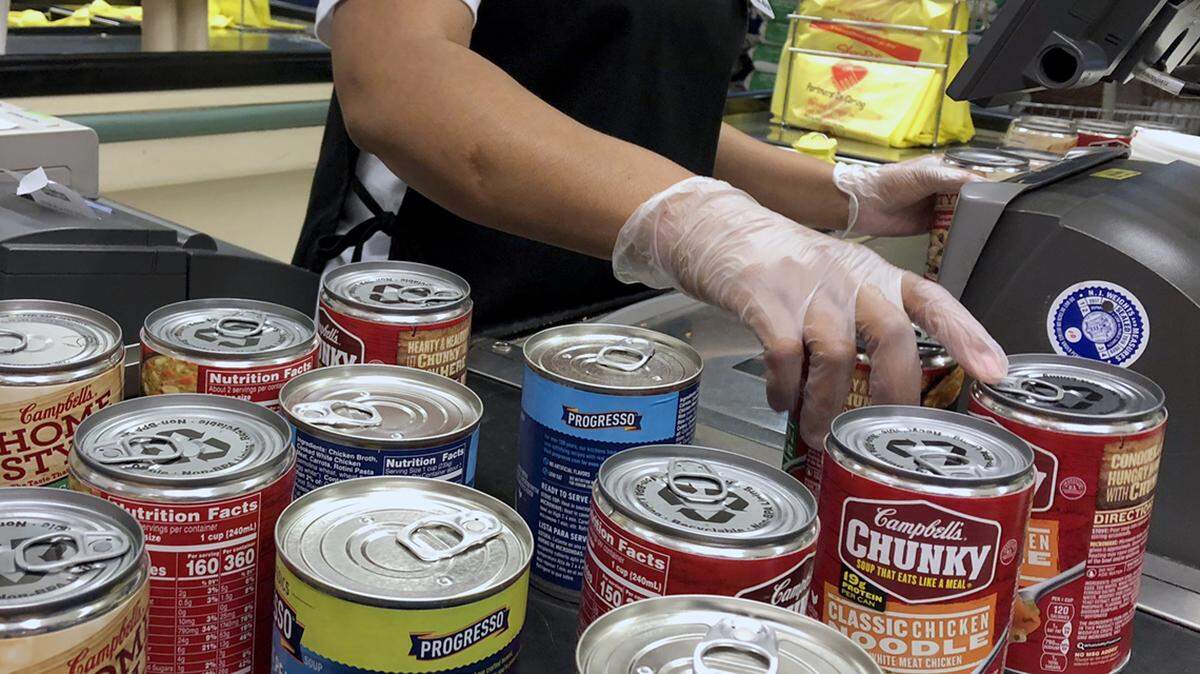
There would be no tax on chocolate or soda pop, but plated items would remain taxable under legislative bills released Thursday to eliminate Kansas’ sales tax on food.
House and Senate versions of the so-called “Axe the Food Tax” proposal were jointly released Thursday by Gov. Laura Kelly and the Senate and House Democratic leaders, Sen. Dinah Sykes of Lenexa and Rep. Tom Sawyer of Wichita.
Kelly and the Democrats have previously signaled that eliminating food taxes would be a cornerstone of their 2022 legislative agenda and Kelly’s re-election campaign.
Kelly’s likely Republican opponent, Attorney General Derek Schmidt, has also called on his party’s legislators to introduce bills eliminating or substantially reducing the food sales tax.
Thursday’s bill release brings the first clarity to what kind of foods would and wouldn’t be exempt from the 6.5% tax that the state levies on food.
In addition to ordinary grocery items including meat, vegetables and dairy products, the proposed bills would eliminate the tax on:
▪ Candy, with sugar or artificial sweeteners, in combination with chocolate, fruits, nuts or other ingredients or flavorings in the form of bars, drops or pieces.
▪ Soft drinks, defined as nonalcoholic beverages containing sugar or artificial sweeteners.
▪ Bottled water, including formulations with vitamins, carbonation, fluoride, and spice or fruit flavorings.
▪ Dietary supplements, in pills or other forms, including vitamins, minerals, herbs, botanicals or amino acids.
▪ Any food sold from a vending machine.
The bills specifically identify alcoholic beverages and tobacco as products that would remain subject to the sales tax.
Prepared foods, in essence foods made for immediate consumption, would generally remain taxable, with some exceptions.
The bills would keep the sales tax on plated food and foods that are provided with eating utensils, heated foods and foods containing two or more ingredients prepared by the seller.
Some ready-to-eat deli-counter items would be untaxed, as long as the seller’s role is limited to cutting, repackaging or pasteurization.
The bills also would lift the sales tax on all farm products purchased at farmers’ markets, including flowers and ready-to-eat baked goods made from Kansas-grown ingredients.
Kansas is one of only seven states in the country that levies the same sales tax on food and non-food items.
Five states don’t have a state sales tax and 33 exempt most food products. At least 19 of those 33 states do tax sales of candy, soda or both.
Kansas’ 6.5% rate is the nation’s second-highest food sales tax, trailing only Mississippi, which charges 7%.
Sawyer said he’s wanted to eliminate the tax on food since his first election to the House in 1986, but the state has never had the wherewithal to get it done until now.
“We have the largest ending balance (in the budget) that we’ve ever had,” he said. “We really can afford to do it right now. I don’t know if we’ll ever have this opportunity again . . . It’s $450, $460 million. It’s not a cheap thing to do, so you don’t get the opportunity to do it very much.”
He also said he’d like to get it done sooner rather than later so it doesn’t get bogged down amid other tax bills that may come up later.
“We’d like to see this thing passed early in the session and get it off the table so it doesn’t become a bargaining chip late in the session,” he said. “This is something everyone seems to agree on, or at least there’s large bipartisan support.”
Sawyer said he doesn’t care whose bill passes as long as the tax goes away.
“The important thing is getting it done,” he said. “Once it gets done, everybody can take some credit for it.”
Sykes said in the joint statement that the proposed relief would provide about $500 a year to the average Kansas family and called on Republicans, who dominate the Legislature, to get on board.
“I’ve heard from Kansans from every corner of the state who are ready for this relief and expect us to deliver,” she said.
This story was originally published December 23, 2021 at 2:27 PM.