Ditching Sedgwick County’s food sales tax would put $4 million in taxpayers’ pockets
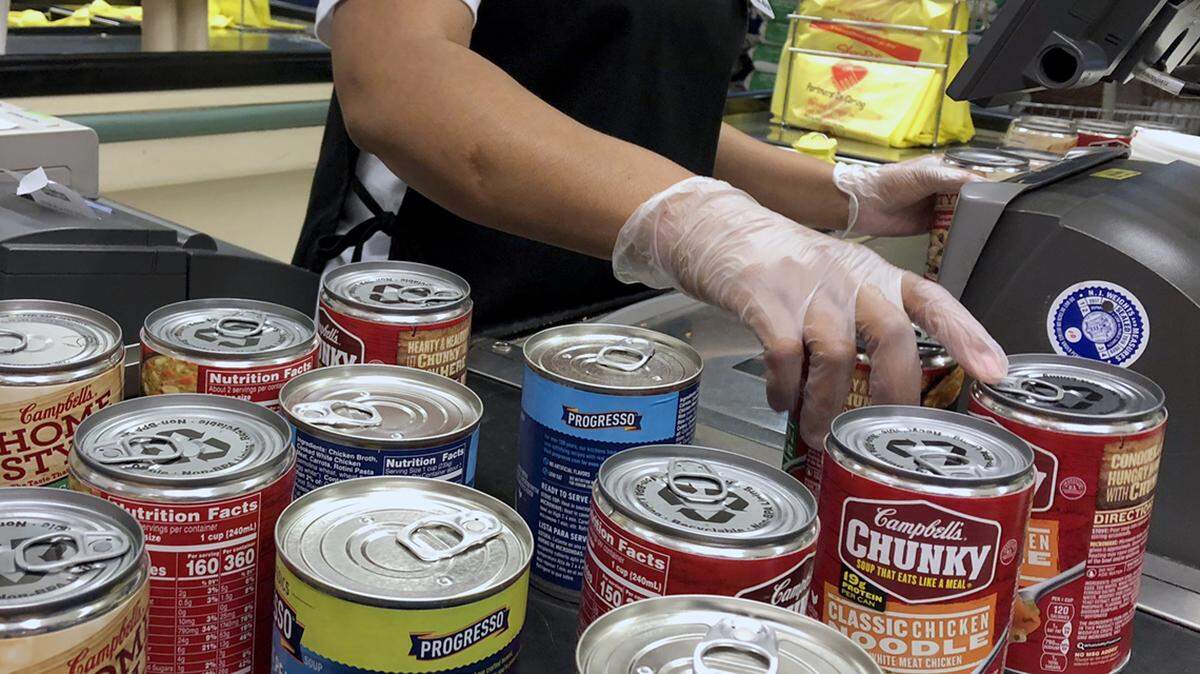
Eliminating the county sales tax on food would return about $4.3 million to Sedgwick County taxpayers’ pockets, while reducing the county’s income by the same amount, officials said Wednesday.
Those calculations were revealed at a county commission meeting in response to questions from Commissioner Jim Howell. Gov. Laura Kelly earlier this week proposed eliminating taxes on groceries, a campaign she calls “Axe the Food Tax.”
“If we want to have tax cuts, that’s great,” Howell said. “I love tax cuts, but I’d like to know where that hits the budget exactly.”
According to a state legislative analysis, food tax represents approximately 15% of what the county brings in from its 1% sales tax, said county Chief Financial Officer Lindsay Poe Rousseau.
That money is split 50-50 between the general fund and the road and bridge fund.
“We do believe that the hit to Sedgwick County government based on that would have been $4 million last year, and based on the trajectory this year it would be about $4.3 million,” Poe Rousseau said. “And that equates to about 0.8 mills (of property tax) worth of revenue, so it would be a significant impact.”
Howell said it’s a concern.
“In Sedgwick County we use half the money for infrastructure, but the other half goes into things like . . . mental health, for example,” he said. “This is a significant amount of money and we’re trying to find increases in funding for certain programs.”
Commissioner Lacey Cruse asked that the county staff also study how the $4.3 million that would stay with taxpayers might be used and whether that might mitigate the effect on the county’s budget.
“The money that will be back in people’s pockets, how will that be reallocated into things?” Cruse asked. “I don’t know if there’s any information around how perhaps this has worked in other states. It will have an impact in some other way if they’re not spending money on . . . paying tax on food. Will they be spending money on other things?”
Kansas is one of only seven states in the country that taxes groceries at the same rate as nonessential purchases, according to the governor’s office. The 6.5% state rate is the second-highest in the nation, even before the county adds its 1%.
Attorney General Derek Schmidt, Kelly’s main challenger for the governorship, is also calling on the Legislature to “eliminate or significantly reduce” the food tax.
Legislative Democrats have demanded a “clean bill” that would get rid of the food tax without affecting other tax rates or policies.
Republicans who control the Legislature have attempted to use reducing the food tax as leverage to force Kelly to also accept steep cuts in business taxes, or abandon a campaign promise.
This story was originally published November 10, 2021 at 3:50 PM.
CORRECTION: An earlier version of this story contained incorrect information on the effect the food sales tax cut would have on city of Wichita revenues.