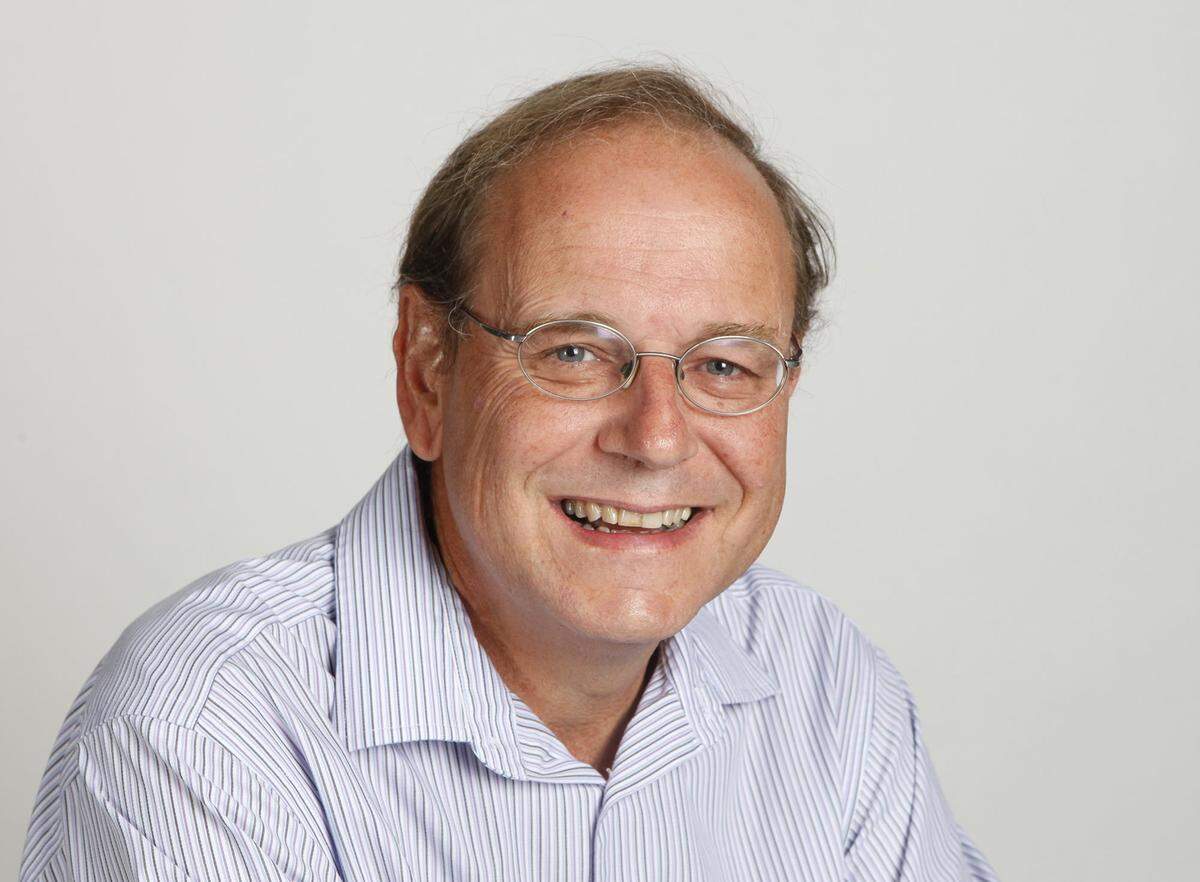
Kansas Chief Justice Nuss retires after landmark rulings on abortion, school finance
Lawton Nuss, the chief justice of the Kansas Supreme Court, announced Friday that he will retire after 17 years on the court, creating a second vacancy to be filled by Democratic Gov. Laura Kelly.
Nuss was a key player in two landmark school finance cases that brought hundreds of millions of additional dollars to the Kansas educational system and made him a lightning rod for conservative lawmakers who said the courts should leave funding decisions to the Legislature.
He also led a 6-1 majority that ruled in April that the state constitution protects a woman’s right to abortion. That ruling struck down a state law banning a certain abortion procedure in the second trimester of a pregnancy.
Kansans for Life opposed Nuss and campaigned hard against him and three other justices when they were up for retention elections in 2016.
“I wish there was a Republican governor in office,” said Mary Kay Culp, executive director of the anti-abortion group. “But it probably won’t be any worse than what it already is.”
Kansans for Life is gearing up to try to bypass the court and the governor by asking voters in 2020 to approve a constitutional amendment reversing the abortion decision, she said.
Nuss didn’t address any of the political implications of the decisions on his watch in a statement announcing his retirement after a 37-year legal career.
But in an interview with the Associated Press, he said he and his wife plan to work on veterans issues, including specialized courts for veterans who commit crimes while suffering from service-related trauma disorders.
“I’m very passionate about it and if I step away from being on the bench, then I can go further and speak out more forcefully on those issues,” he said.
Rep. John Carmichael D-Wichita, said he’s known Nuss since they attended law school together at the University of Kansas.
He said Nuss was an atypical student, older than most because he had served in the Marines and sported a cowboy hat and handlebar mustache. In addition to judging court cases, Nuss judges the state’s annual cowboy poetry contest.
Carmichael, the ranking Democrat on the House Judiciary Committee, said Nuss’ lasting legacy will be “that he withstood the challenges to judicial independence that started essentially with the arrival of the (Gov. Sam) Brownback administration.”
“There were serious attempts made and money raised to not retain the justices . . . so Gov. Brownback and his friends could have more of their appointees on the court, in fact, so that Gov. Brownback and his friends could pack the court with folks who thought the way they did,” Carmichael said.
He credited Nuss with fending off “attempts to undermine the court through budget cuts, through political intimidation and other types of, in my judgment, improper attempts to influence the court in its decision concerning school finance.”
Judicial ethics bar judges and justices from taking overtly political stances on public policy.
But Nuss took cases out of the courtroom and scheduled hearings in community centers and schools throughout the state, so that ordinary Kansans could see the process work, Carmichael said.
“He educated the public about the role of the courts and the importance of judicial independence,” Carmichael said.
Justice Marla Luckert, second in seniority on the court, praised Nuss’ work and said he was an effective advocate for keeping the courts adequately funded.
“We have steadily worked on modernizing how we manage cases with an eye toward more efficient service to the people of Kansas,” Luckert said. “At the same time, Chief Justice Nuss has earnestly pursued funding levels that will allow us to bring employee pay to market rates and to offer competitive pay for judges, both of which are critical to the effective delivery of justice.”
Nuss’ last day as chief justice will be Dec. 17.
His retirement follows the retirement of Justice Lee Johnson, who announced two weeks ago that he’ll be retiring as of Sept. 8.
The vacancies will be filled by Kelly under the merit-based process approved by state voters in 1958.
A nomination panel — made up of five attorneys elected by the state’s lawyers and four non-lawyers appointed by the governor — will give Kelly three names for each of the open seats. Kelly will have to choose one of those three.
Legislative Republicans are seeking to change the process to give senators a role in selecting Supreme Court justices. At Brownback’s request, they changed the judicial selection process for the Court of Appeals to allow governors to nominate anyone and the Senate to confirm the appointments.
Lawmakers were unable to make similar changes to the Supreme Court selection process, because that requires changing the Constitution.
That takes a two-thirds vote of both the House and Senate and a majority vote of the electorate. The Republicans won’t be able to enact changes before Kelly replaces Johnson and Nuss.
“Gov. Kelly and her political allies on the bench are clamoring to pack the high court before the Kansas people, through their elected representatives, have a chance to reform the process,” state Sen. Ty Masterson, R-Andover told the AP.
This story was originally published July 26, 2019 at 12:00 AM.