
Sedgwick County advances with code change for carbon monoxide detectors
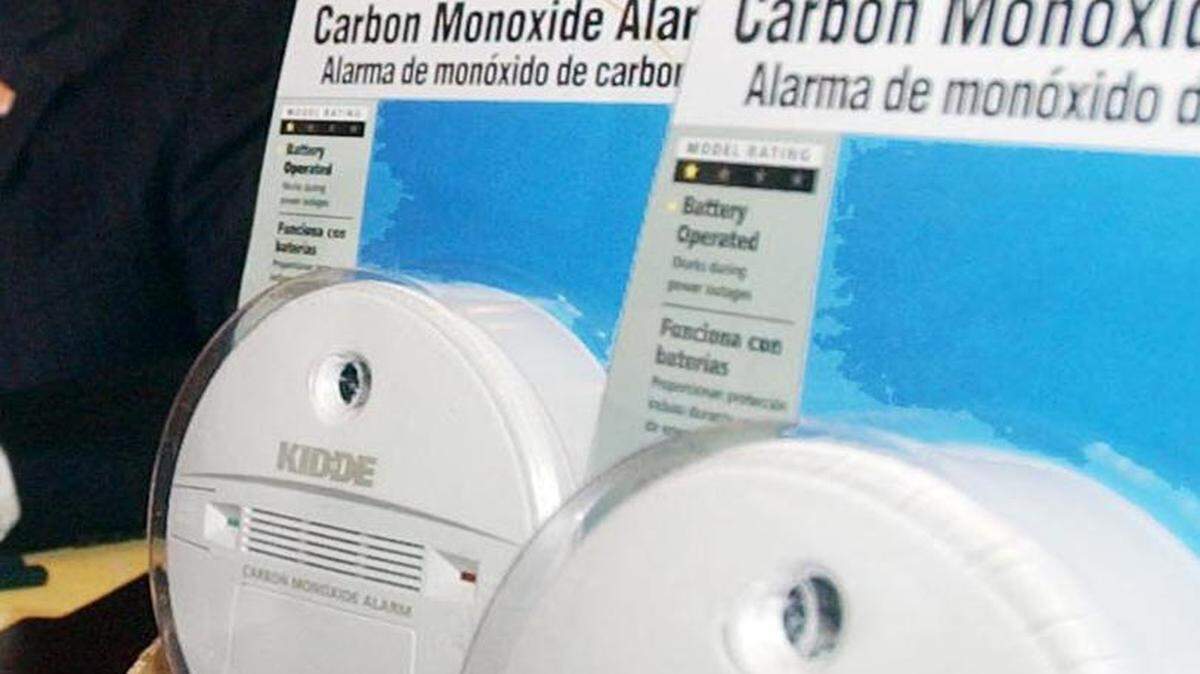
Sedgwick County moved ahead Wednesday with a scaled-back requirement for carbon monoxide detectors in houses.
County commissioners are expected to vote May 20 to adopt a building code change requiring that the detectors be installed in newly built houses.
But owners of existing houses who have significant work done won’t have to install the detectors, as was proposed earlier. Whether and when they do will be up to them.
Instead, they’ll get an educational notice urging them to install detectors.
Carbon monoxide detectors have been the most controversial aspect of an effort to update building codes countywide from the 2006 standards in place now to 2012 standards in the International Residential Code.
The international code, which is updated every three years, calls for requiring carbon monoxide detectors to be installed any time a homeowner has work done that requires a building permit.
After meetings with local builders and residents, the Metropolitan Area Building and Construction Department had recommended that carbon monoxide detectors be required only when a homeowner has a new furnace, water heater, roofing or siding installed. Done wrong, any of those changes can cause a buildup of the deadly gas in a house.
But by Wednesday, that recommendation had changed. Under the current – and likely final – proposal, homeowners who have significant mechanical work done will receive a notice advising them why they should install carbon monoxide detectors.
Tom Stolz, director of the city-county building department, said the change was a response to residents who worried that they might not have enough money to install carbon monoxide detectors when they are already having to pay for other work.
Improper installation of new fuel-burning appliances is a common way for carbon monoxide to invade a house.
Gas, oil, coal and wood-burning appliances and heaters have to be vented to the outside through metal pipe. Problems with those installations can back-vent carbon monoxide into the house.
Another common cause of carbon monoxide poisoning is running gas engines, either cars or portable generators, in enclosed garage spaces.
Carbon monoxide, often abbreviated CO, causes about 430 deaths a year across the country, according to research by the Centers for Disease Control and Prevention.
When a person breathes carbon monoxide, it’s absorbed into blood cells, displacing life-sustaining oxygen.
Initial symptoms of carbon monoxide poisoning include headache, nausea, fatigue, disorientation and confusion. Severe carbon monoxide poisoning can cause permanent brain damage or death.
The gas has been commonly used in gas chambers at animal shelters to dispose of unwanted animals. A bill to outlaw that practice is currently under consideration at the state Legislature.
Wichita and Sedgwick County codes already require smoke detectors in houses.
Carbon monoxide detectors can be installed separately from smoke detectors.
Also available are slightly pricier dual-use units the same size as a regular smoke detector, that can detect both smoke and carbon monoxide. That would be the type most likely used in new construction if the commission and Wichita City Council pass that requirement.
Stand-alone carbon monoxide alarms range in price from $15 to $20 for a battery-powered unit, to $30 to $45 for higher-end units that run off house power with battery backup.
Dual-detection units generally cost about $35 to $60.
Reach Dion Lefler at 316-268-6527 or dlefler@wichitaeagle.com.
This story was originally published April 22, 2015 at 12:33 PM with the headline "Sedgwick County advances with code change for carbon monoxide detectors."