Someone lost a gold ring 500 years ago. It was just found — in nearly new condition

While a woman walked through a bustling medieval town in what is now Sweden, a gold ring glinted on her finger. But somehow, the small piece of jewelry was knocked loose, and it slid from its wearer’s grasp.
Eventually, the lost ring ended up in some kind of dump. That’s where it remained for about 500 years — until now.
Archaeologists recently unearthed the ancient piece of jewelry while excavating the city of Kalmar, according to a Feb. 29 news release from Arkeologerna. It was in nearly new condition when it was discovered.
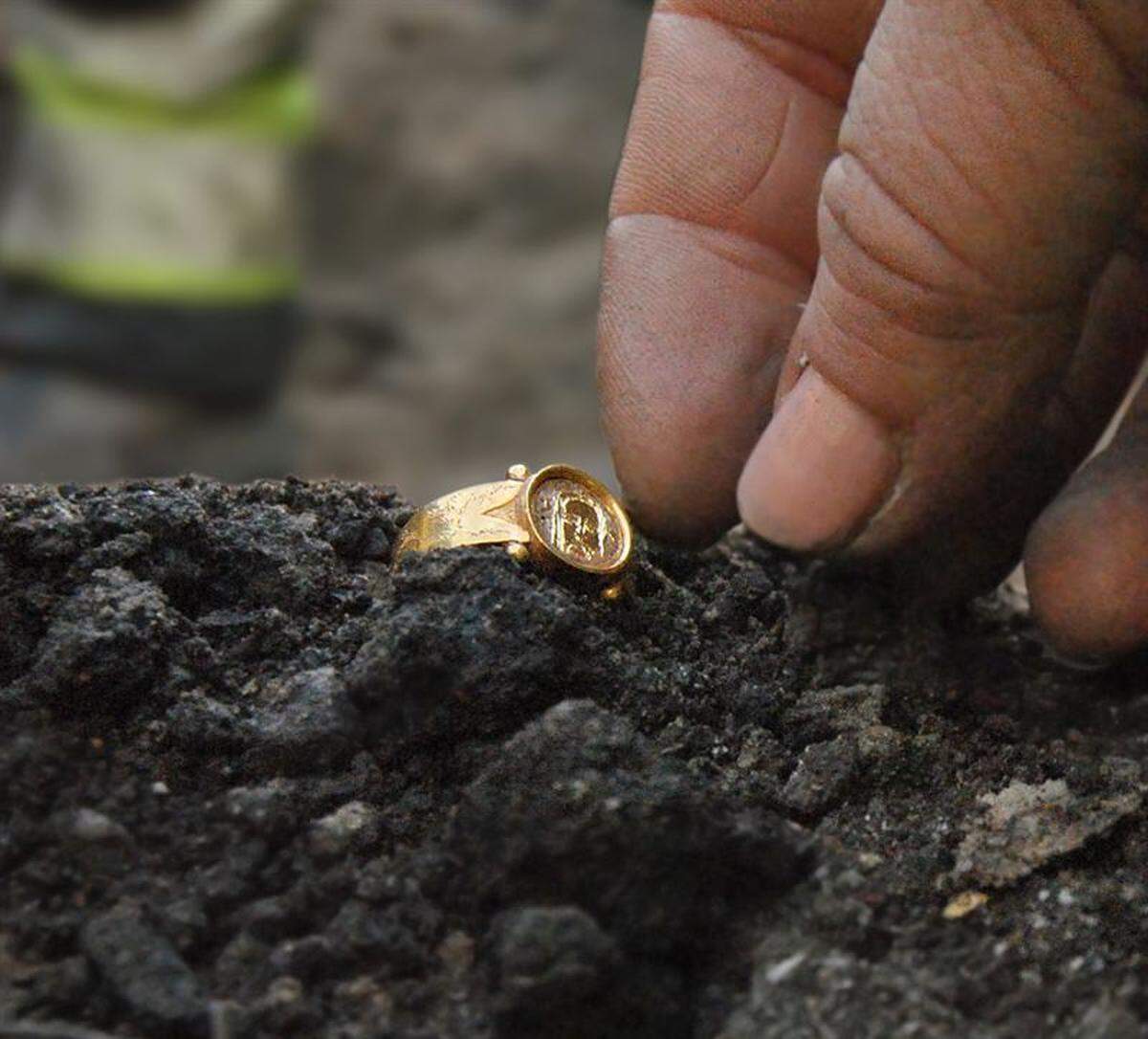
The ring has a carving of Christ at its center, and it dates to the early 15th century, experts said. Similar rings have been found in other parts of Scandinavia.
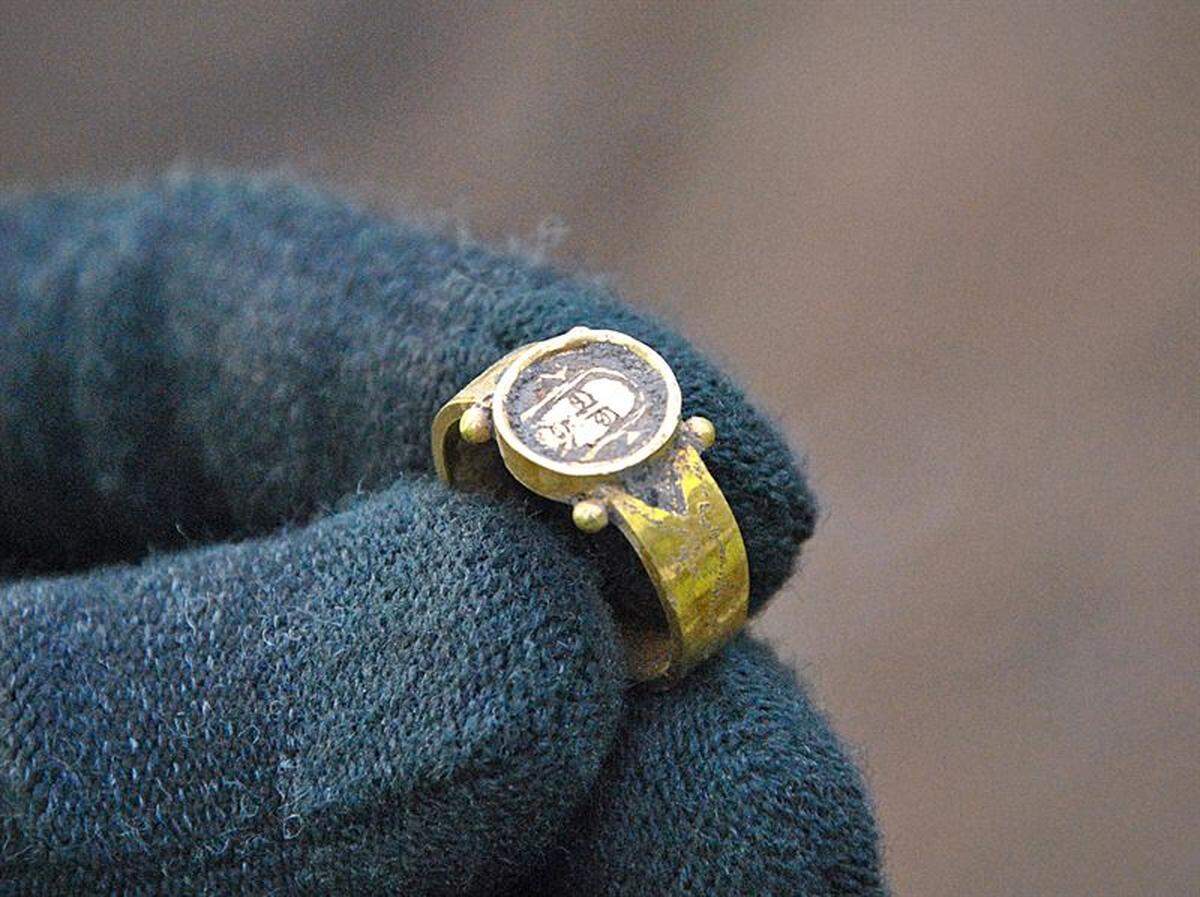
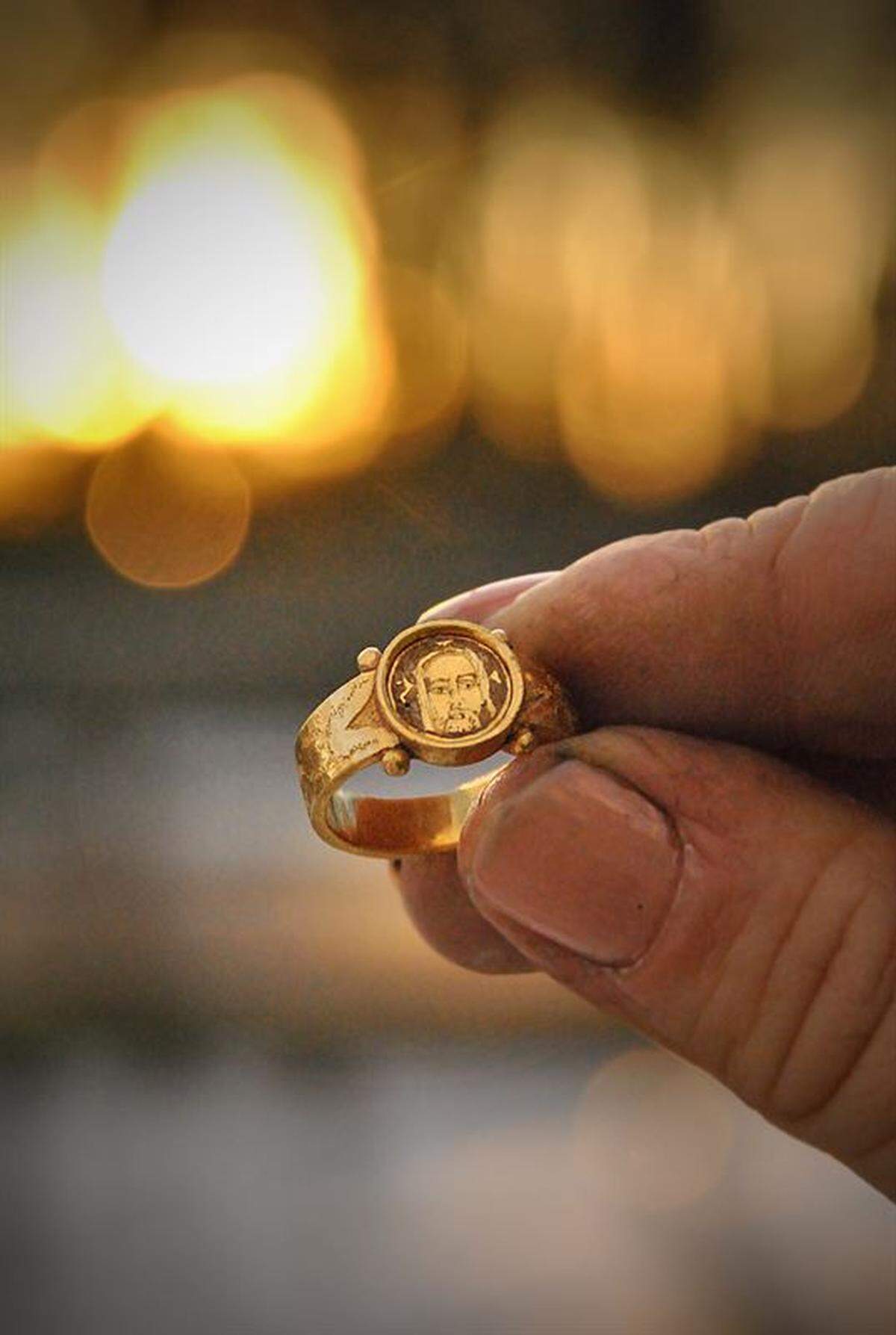
Researchers think the ring belonged to a woman because of its small size, and they believe it was lost, given its near-perfect condition.
A second standout discovery was found in the waste ruins: an alsengem, also known as a pilgrim’s amulet, with three carved figures.
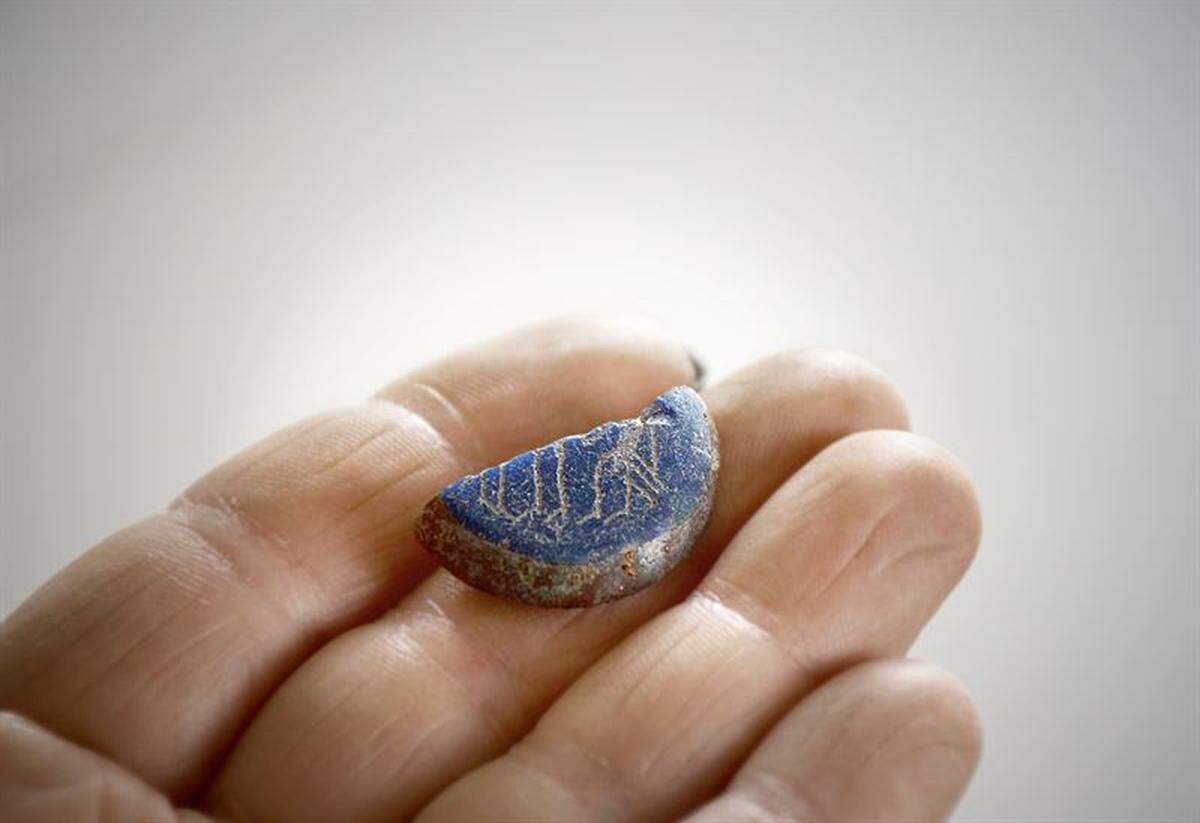
The small glass stone is broken, so it was likely thrown away around 400 years ago, officials said. It dates to between the 13th and 14th centuries.
Alsengemmer have been connected to both ancient religious and secular contexts, but they are most often interpreted as pilgrim amulets, according to experts. The stones are named after the Danish island where they were first discovered.

In addition to the ring and amulet, archaeologists found more than 30,000 objects during their excavations, according to officials. They also unearthed the remains of hundreds of building, cellars, streets and latrines from between about 1250 A.D. and 1650 A.D.
Among those discoveries, there were also remnants of the Kalmar War in 1611 when the Danes attacked the city, as well a large number of cannonballs, musket balls, pistol bullets and swords. An unusual rune stone was also found in the ruins.
Kalmar is in southeastern Sweden, about 260 miles southwest of Stockholm.
Google Translate was used to translate a news release from Arkeologerna.
This story was originally published March 6, 2024 at 3:24 PM with the headline "Someone lost a gold ring 500 years ago. It was just found — in nearly new condition."