700-year-old church — teeming with rare religious artifacts — discovered. See finds
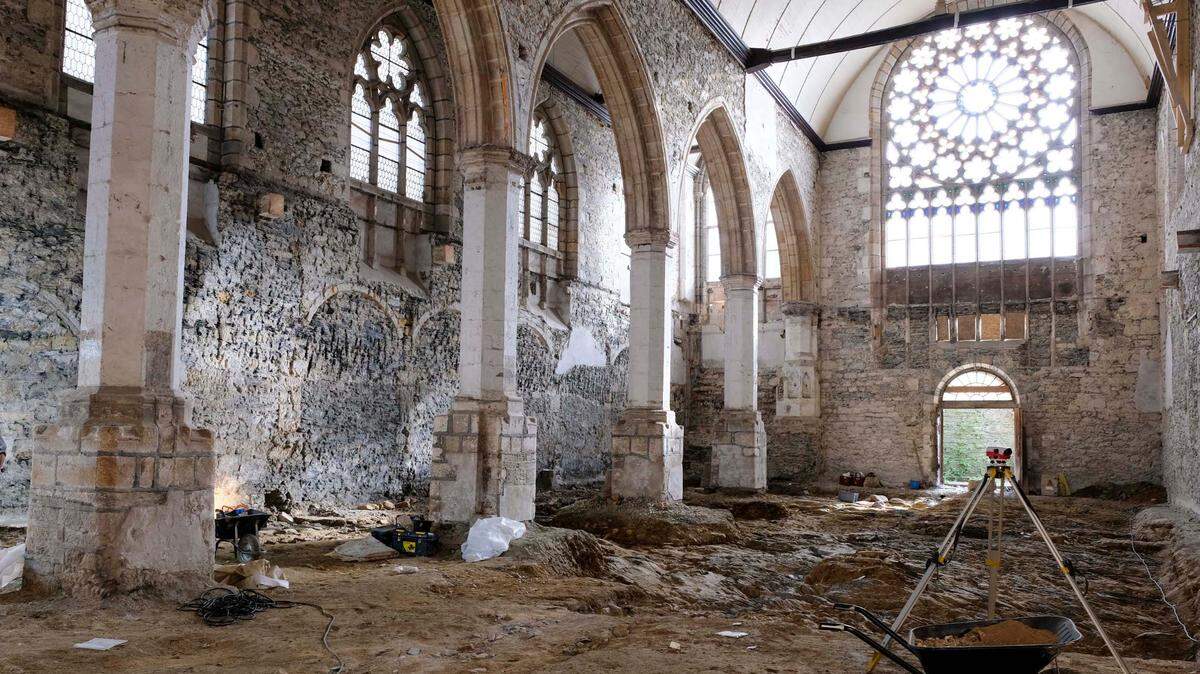
While exploring an ancient Catholic church in France, archaeologists discovered a trove of 230 tombs.
Further analysis revealed that the tombs were holding much more than just ancient remains: Inside, archaeologists found collections of rare jewelry and religious devotional objects, according to a March 4 news release from the Institut national de recherches archéologiques préventives (INRAP).
The church in Morlaix was a Jacobin convent, established in 1238, officials said. Its church was consecrated in 1250 and was restored and expanded after a fire in 1344. The Dominican Order — one of the four orders of the Roman Catholic Church — was known as the Jacobin Order in France.
Researchers said the western half of the church was well-preserved, especially its floor and burials.
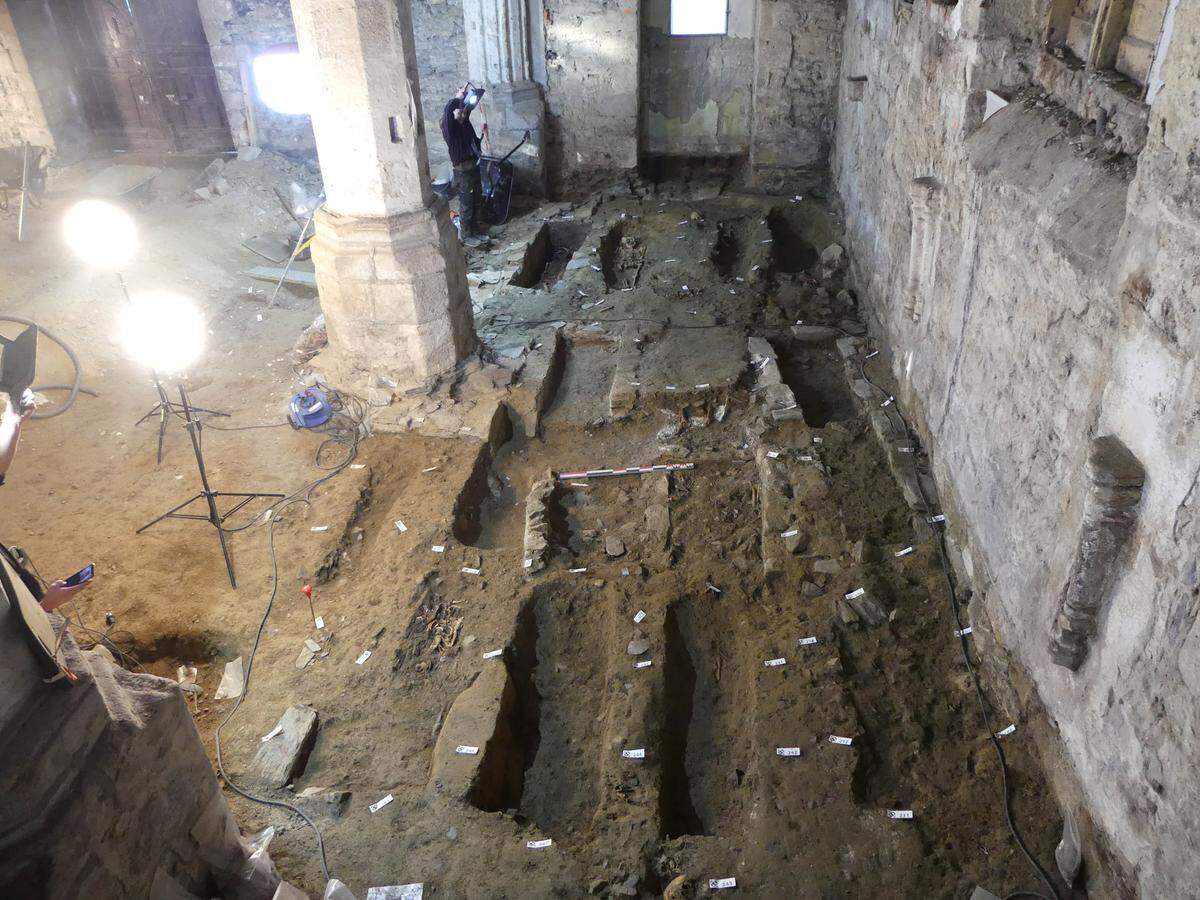
Two hundred and thirty tombs belonging to men, women and children of all ages were unearthed at the site, archaeologists said. Of those burials, 85% were single tombs and 15% were joint tombs in masonry vaults.
Because the joint tombs held more than one individual — one of the vaults had the remains of 17 people — experts said the number of remains is greater than the number of tombs.
Tombs were found in various parts of the church. Many of the vaults were found in an extension of the church that was built in the 15th century, but there were also burials in the church’s nave as well as its south and west wings.
One of the large vaults likely belonged to a 16th century governor in the town, officials said. Another of the burials included remains in clothes instead of the typical Catholic shroud, indicating that the person likely died of an infectious disease.
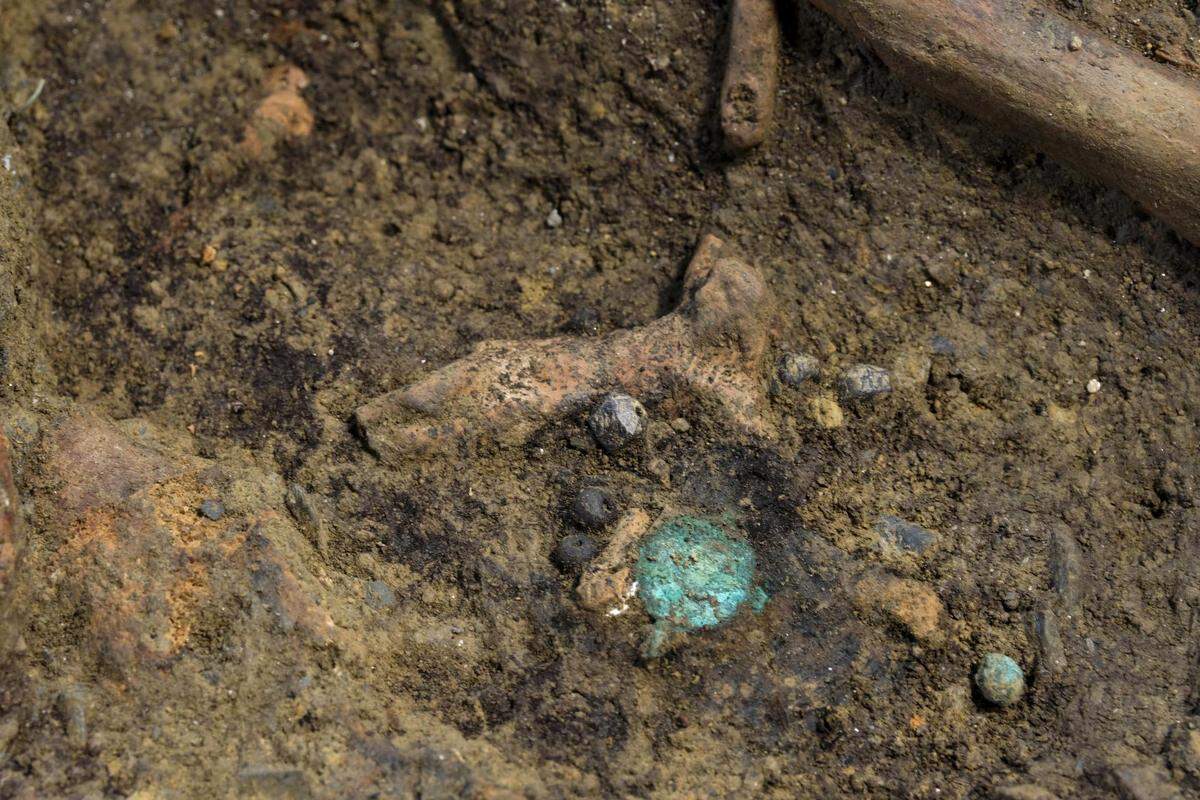
In the vaults and individual tombs, experts identified rare jewelry and religious artifacts.
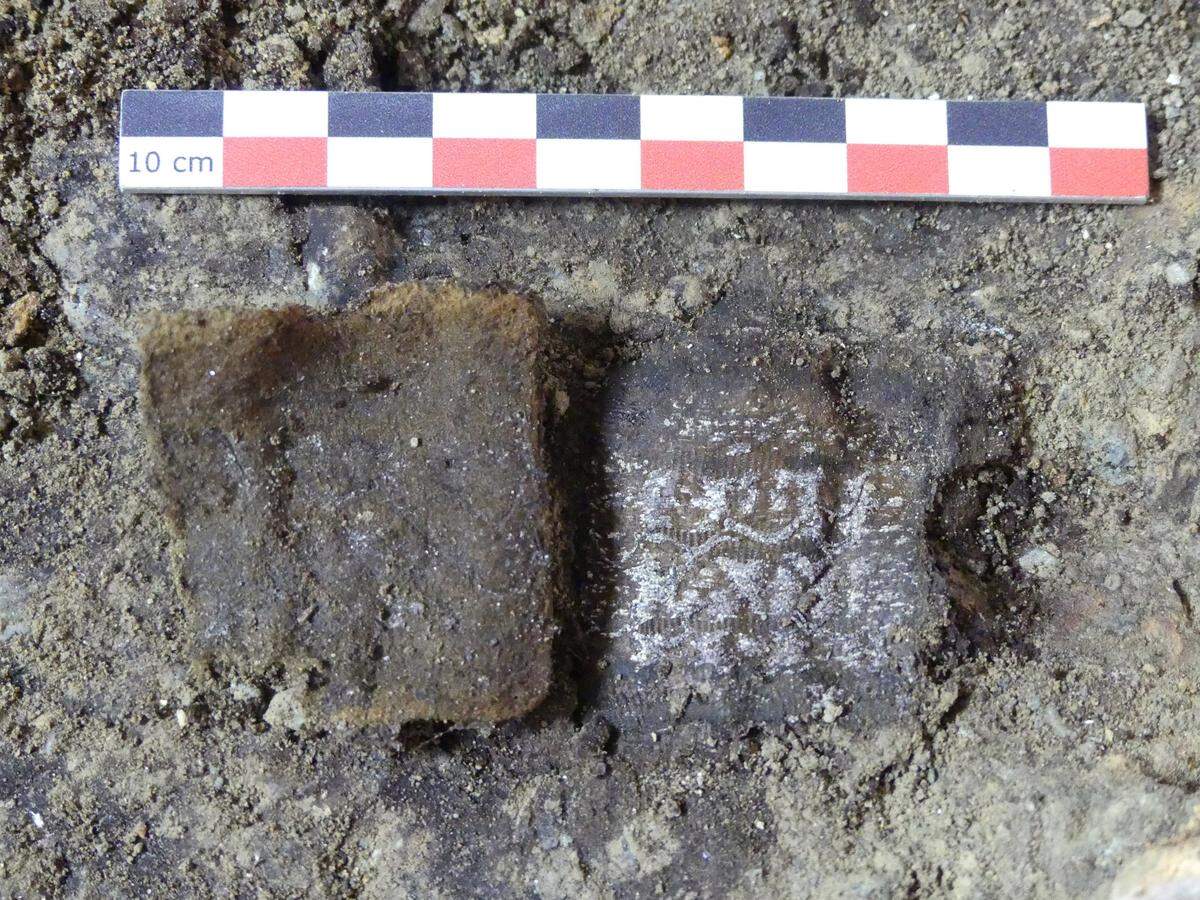
Among their finds were copper pins used to hold shrouds in place, rings and bracelets, researchers said. There was also an abundance of objects of religious devotion, such as rosaries and crucifixes.
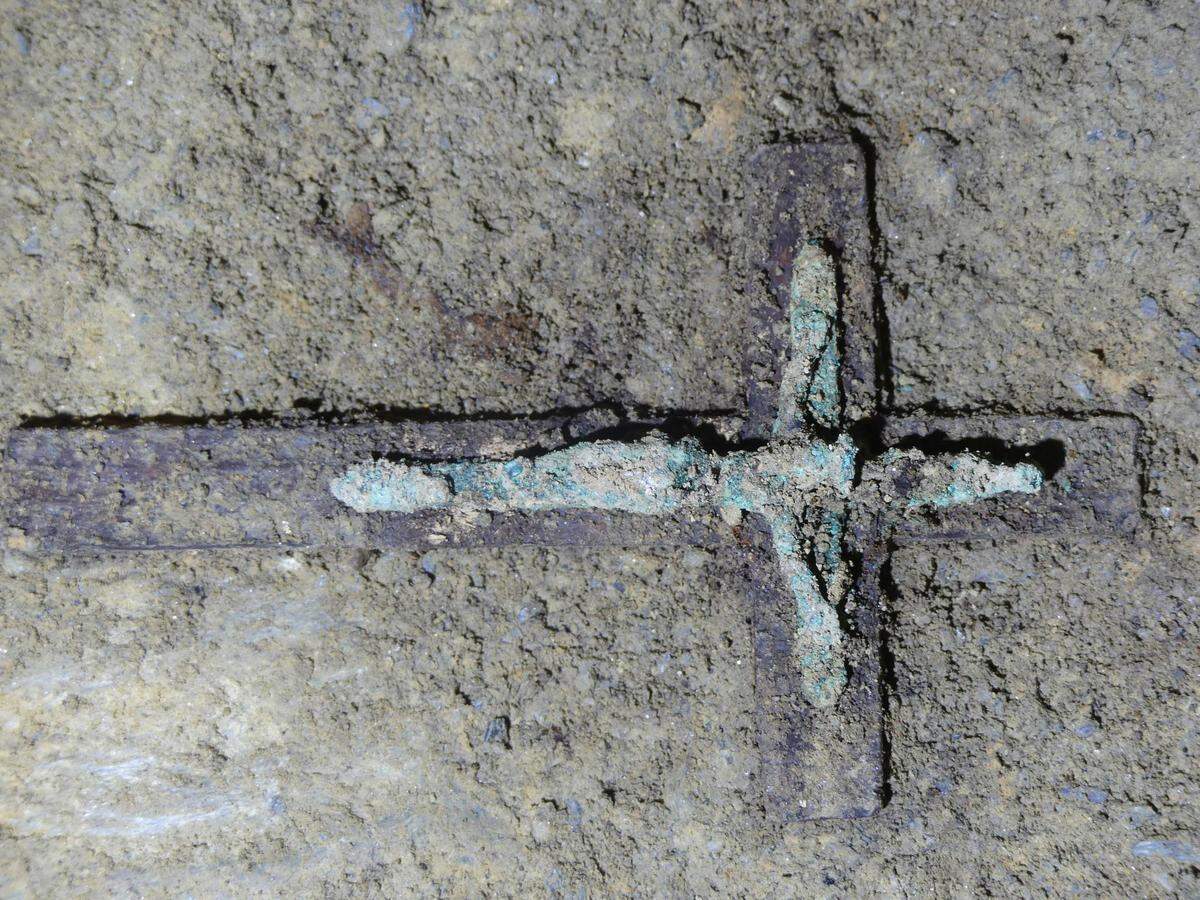
Rosaries were made of various types of beads, such as wood, bone, stone and glass, archaeologists said. Crucifixes were made of wood, copper and terracotta.
Experts also found a rare skull-shaped object made of bone. It’s unlike any other discovery, they said.
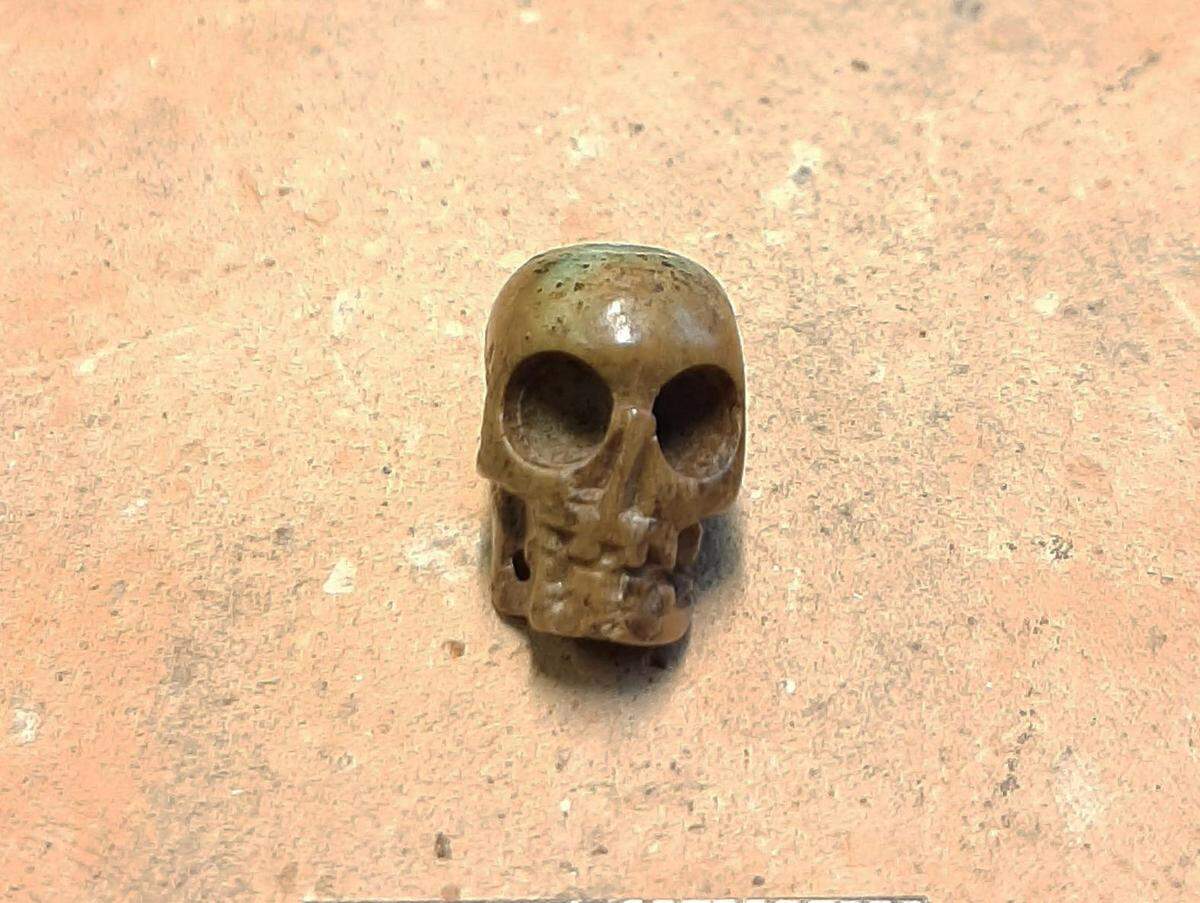
These religious artifacts were either found with the deceased — in their hand or on their torso — or they were placed on the coffin.
Archaeologists also identified preserved wooden coffins, wooden crosses and scraps of silk scapulars, which are necklace-like devotional objects.
Research at the site will continue as experts work to learn more about the building and conduct more in-depth analyses of the bone remains at the site, officials said.
Morlaix is in western France, about 330 miles west of Paris.
Google Translate was used to translate a news release from INRAP.
This story was originally published March 5, 2024 at 4:20 PM with the headline "700-year-old church — teeming with rare religious artifacts — discovered. See finds."