
Wichita school bond basics: What to know about $450M issue voters will decide
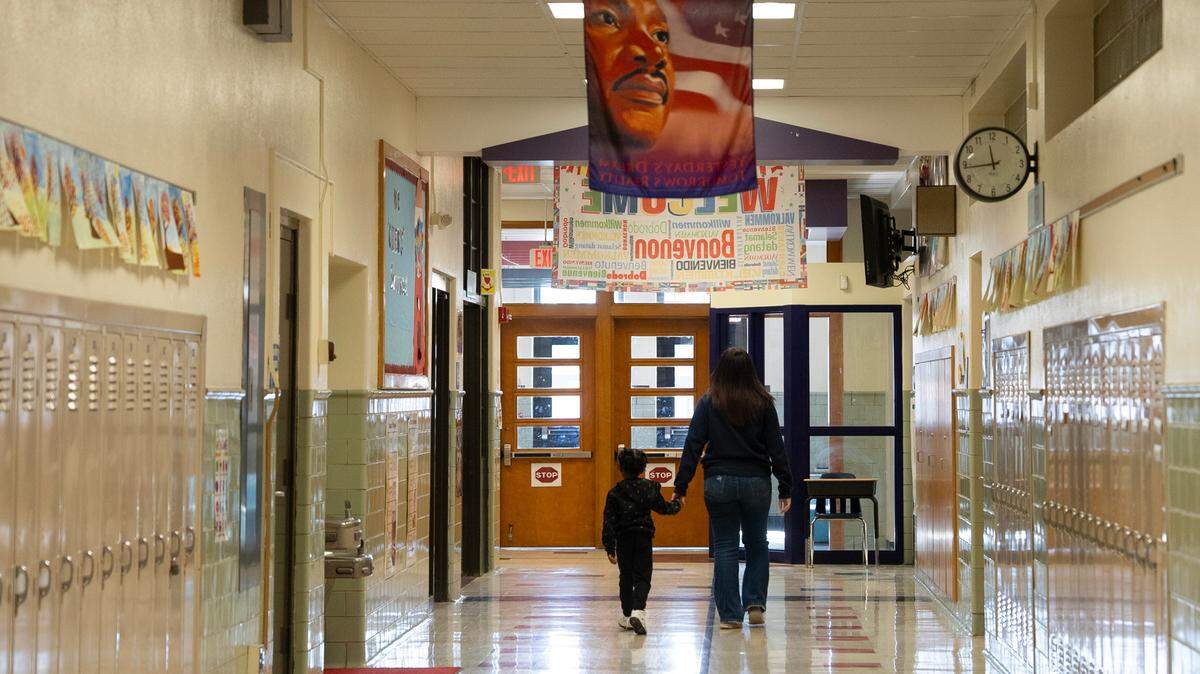
Voters in the Wichita school district have a big decision on Feb. 25: whether to approve a $450 million bond issue to modernize schools.
The bond issue would pay to rebuild seven elementary and middle schools, close four elementary schools, convert two elementary schools to K-8 buildings and consolidate alternative school programs, among a number of other items.
Here is information about how the USD 259 bond proposal would affect schools, how it could affect property taxes and when and who can vote:
How would USD 259 bond issue affect property taxes?
The school district calls the proposal “a zero rate change” bond issue, meaning it would not cause an increase in the property tax mill levy.
Debt from the 20-year bond issue would be retired using a 7.5 mill levy a year. However, the district notes that homeowners are already paying the 7.5 mills a year to retire 2008 bonds. That mill levy would shift to the new bond issue when the old bond issue expires in 2029.
The 7.5 mills amounts to $86.25 a year for each $100,000 of a property’s appraised value, $172.50 a year for a $200,000 property.
If voters approve the bond issue, they will continue to pay this for the next 20 years as the new bonds are paid off. If they reject the proposal, the property tax mill levy will drop by that amount when the 2008 bonds expire.
Read more: How would Wichita’s $450M school bond issue affect property taxes on your home?
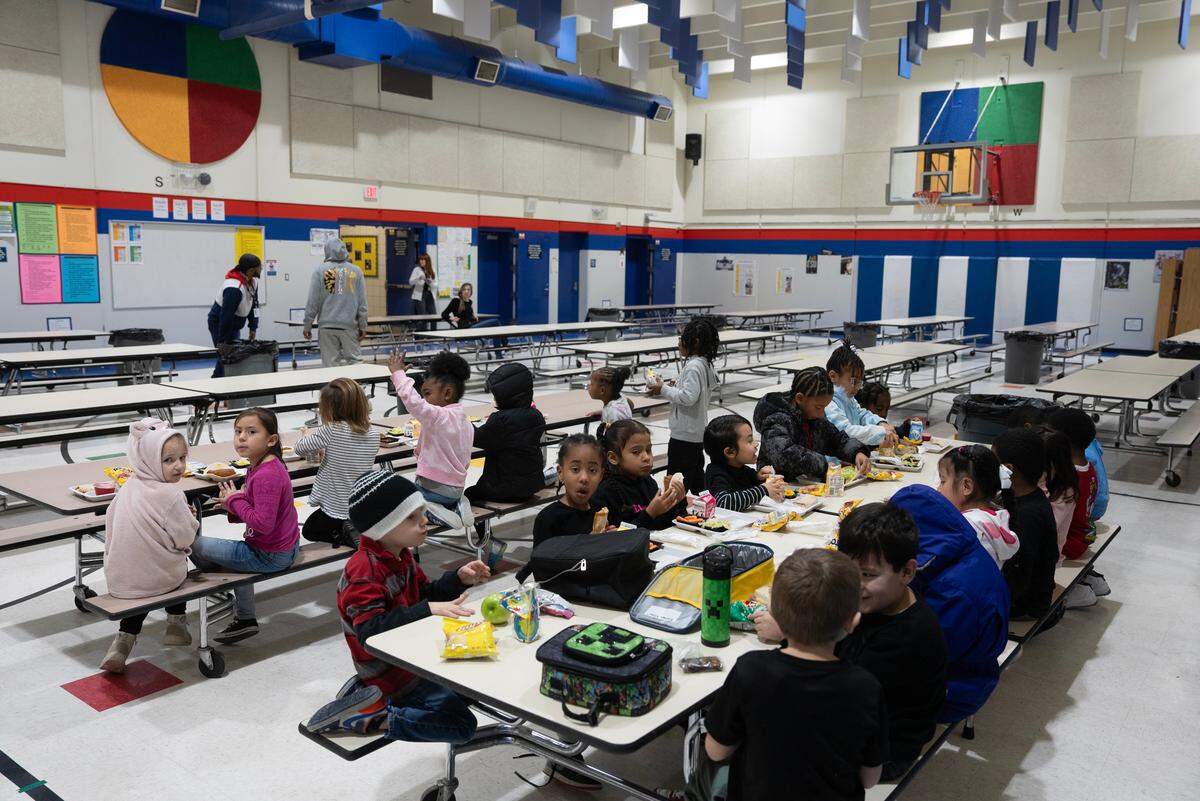
What’s in the USD 259 school bond plan?
The district would demolish and rebuild seven buildings, build a new early childhood center, new outdoor athletic fields at Northeast Magnet High School and a new Future Ready Center for Trades at East High School. Two elementary schools would be converted to K-8 schools, and four elementary schools would close.
Read more: Go inside the seven schools that would be rebuilt
The elementary schools set to close as part of the plan are L’Ouverture, OK, Pleasant Valley and Woodland.
Most of those students would be moved to newer schools that were built in the early 2010s or are being rebuilt as part of the bond proposals, according to documents from the school district.
The schools students would be moved to that would be rebuilt are Black, McLean and Irving elementary schools. Other schools being rebuilt as part of the plan are Adams and Caldwell elementary schools and Coleman and Truesdell middle schools.
Many of the existing classrooms in schools being rebuilt are under 700 square feet, making them less conducive for hands-on learning, according to the district website.
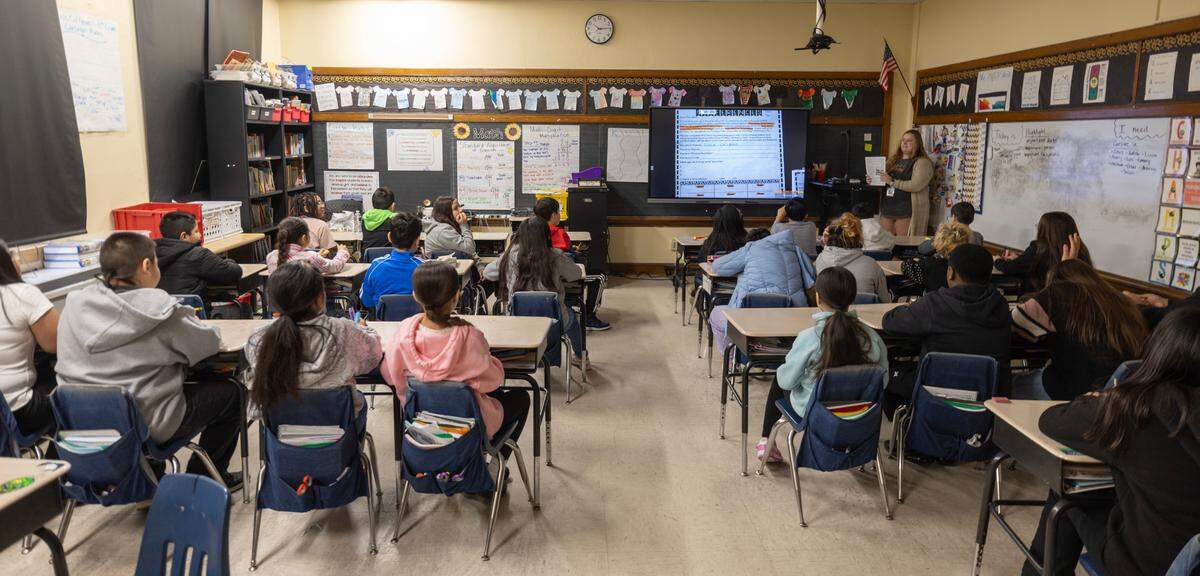
The district said the plan is necessary to “right-size” school buildings as it faces $1.2 billion in deferred maintenance issues and projected enrollment decline of 480 students a year for the next decade.
“We’re trying to not have a lot of really small schools,” said Superintendent Kelly Bielefeld during a Wichita Chamber event, “and not have really big schools, but have the right size of schools. And that’s part of what this plan can do if we continue to move forward on that.”
Read more: Is enrollment declining in Wichita schools? What’s happening in city and suburban districts
The district is consolidating its alternative learning programs: Wells Alternative Middle School would be expanded to a 6-12 school that includes Sowers Alternative High School. Chester Lewis Academic Learning Center and the Gateway Alternative Program would close in their current buildings and move to the current Coleman Middle School building or other buildings.
Two administration buildings are closing. Some programs at Dunbar Support Center-Multilingual Education Services and Focht Instructional Support Center would also relocate to Coleman.
The Little Early Childhood Center would be rebuilt on the former site of the Chester Lewis Academic Center near 17th and Hillside.
Cessna and Isely elementary schools would be converted to have students from kindergarten through eighth grade.
A third Future Ready Center near East High is part of the plans, with the center focusing on construction trades.
“So this Future Ready Center… would train kids for plumbing, HVAC, electrical and energy,” Bielefeld said. “They would have different tracks that they could take in order to be certified and ready to go right out of high school in those fields.”
The district also would construct athletic fields at Northeast High School.
Read more: Your questions answered: What to know about $450M school bond issue in front of voters
When, how to vote in the USD 259 bond issue election
The vote for the bond issue is scheduled for Feb. 25, with early in-person voting beginning Feb. 18. Residents can also vote by mail, with ballots going out starting Feb. 5. All registered voters within the Wichita School District boundaries can vote on the issue.
Read more: You can vote on the Wichita Public Schools bond Tuesday. How to find your polling place
Who is backing, opposing bond issue?
Two campaigns have organized around the school bond issue: Wichita United for a Better Education, a group created to defeat the bond issue, and Yes for Wichita Kids, a group advocating for the bond issue.
Read more: Who’s financially supporting Wichita school bond campaigns? You’ll find out months after
This story was originally published January 29, 2025 at 3:37 AM.