Kansas governor denies clemency for Wichita murderers Jonathan and Reginald Carr
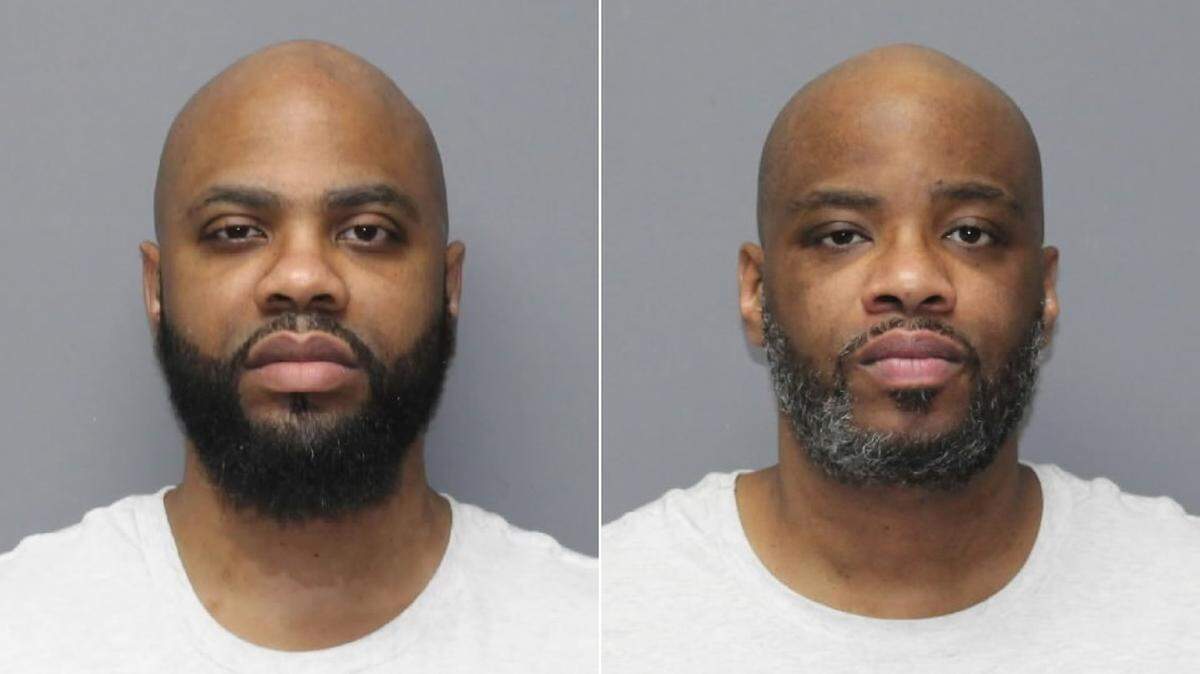
Kansas Gov. Laura Kelly said Tuesday that she has denied clemency requests from Wichita murderers Jonathan and Reginald Carr, the brothers who are on death row for executing four people in a snowy soccer field more than 25 years ago.
“Because of the horrific nature of their crimes and because it appears that their punishment was meted out after thoughtful consideration by a jury of their peers, I am denying the death sentence commutation requests of both Reginald Carr and Jonathan Carr,” Kelly said in a news release.
“I hope that this denial provides some comfort for those who still grieve their loved ones 26 years later.”
The Carrs are among eight of the nine Kansas death-row prisoners who applied for executive clemency this spring, seeking to change their death sentences to life in prison with no parole. They were sentenced to death in 2002 for the Dec. 15, 2000, shooting deaths of Jason Befort, Brad Heyka, Heather Muller and Aaron Sander following a home invasion where the group of friends, along with a fifth victim, were sexually abused and robbed.
Kelly said in her statement that although she favors ending capital punishment in Kansas, the Carrs’ death sentences are justified.
“I have long supported the repeal of the death penalty, believing it an impractical, expensive burden on the state. And, because it mandates multiple opportunities for appeal, it drastically delays closure for the families of the victims. A sentence of life in prison with no chance of parole makes much more sense for all concerned,” she said in the statement.
“However, the death penalty is current law in Kansas and, if ever there were a situation in which the death penalty is justified, it is that of the unspeakably heinous acts of torture and murder committed by Reginald and Jonathan Carr.”
Sedgwick County District Attorney Marc Bennett said last month that the Carrs’ clemency requests were “simply the latest step” in the judicial process the death cases are working through and “represents a fail-safe in the system for rarified circumstances.”
In a statement Tuesday, he thanked the governor “for making the decision to allow the criminal justice process to proceed.”
The Kansas Supreme Court upheld the Carrs’ death sentences in 2022, after initially overturning the case in 2014. The court reaffirmed its decision in a June ruling after the brothers argued for new sentencing hearings over what they claim were unresolved issues.
An execution date won’t be set any time soon, though, because the brothers still have civil appeals pending.
Last month, Kelly also denied a clemency request from 82-year-old Kansas serial killer John E. Robinson, Sr., who was sentenced to death in 2003 for murdering two women whose bodies were later found stored in barrels on his property in rural Linn County.
She has not yet announced decisions for:
Sidney Gleason, who murdered two people in Barton County in 2004; Scott Cheever, who killed Greenwood County Sheriff Matt Samuels in 2005; Justin Thurber, who was sentenced to death in the abduction, rape and murder of 19-year-old Jodi Sanderholm in Cowley County in 2007; James Kraig Kahler, who killed his wife, two daughters and his wife’s grandmother in Osage County in 2009; and Kyle Trevor Flack, who killed three adults and a toddler in Franklin County in 2013.
In total, Kansas juries have given 15 men death sentences since the state reinstated capital punishment in 1994. Two died while appealing their cases. Four others are now serving life in prison with parole eligibility after their death sentences were overturned.
The last state executions in Kansas occurred in 1965, by hanging.
This story was originally published July 14, 2026 at 10:58 AM.