
Are cases of diarrhea-causing parasite in KS linked to Taco Bell lettuce? What we know
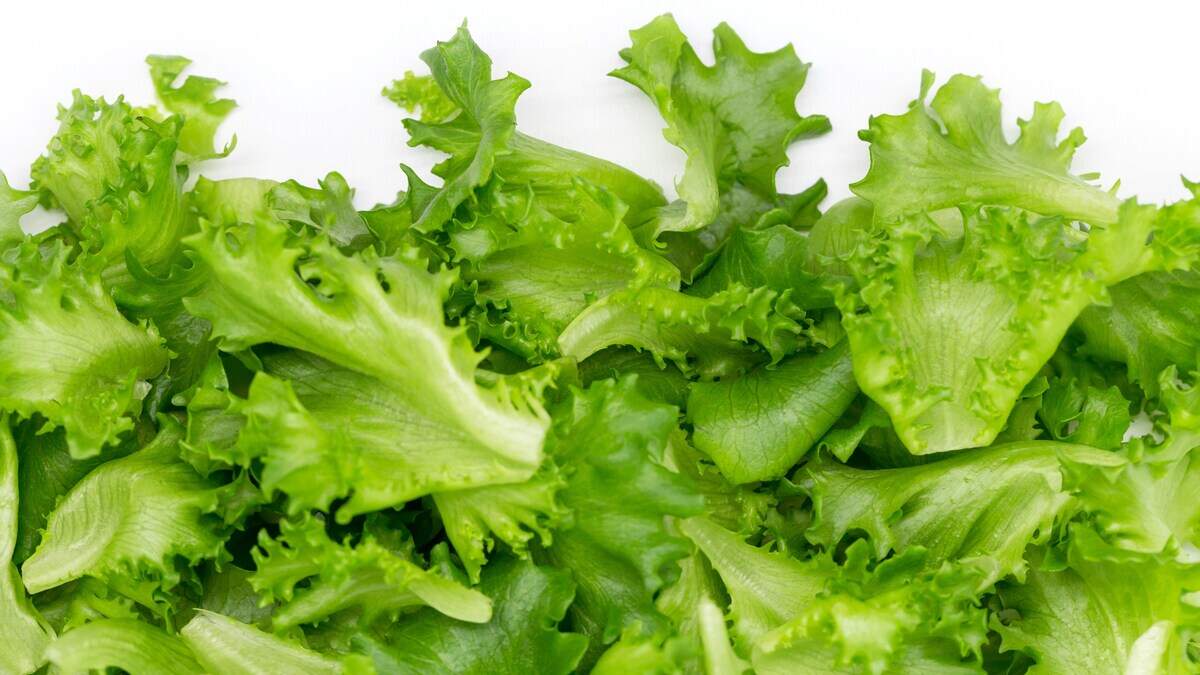
Iceberg lettuce served at Taco Bell has been identified as the source of a cyclosporiasis outbreak in five states.
In those states, federal health officials are warning people to avoid the shredded iceberg lettuce from Taco Bell restaurants.
But what about the other 29 states — including Kansas — that have reported cases of cyclosporiasis, the gastrointestinal disease most commonly known for causing “explosive” diarrhea?
Health officials said they are “investigating other outbreaks and illnesses of cyclosporiasis nationally that are unrelated to this outbreak.”
The outbreak linked to Taco Bell is confirmed in Indiana, Kentucky, Michigan, Ohio and West Virginia, as of the July 16 notice. At least 1,644 people have gotten sick in these states — and most of them (1,141 people) are in Michigan.
Taco Bell said it is voluntarily removing “potentially impacted lettuce from a supplier in select states.”
“The affected ingredient from our supplier is being indefinitely removed from our supply chain nationwide and will be replaced within 24 hours in select states,” the fast food chain said in a July 16 statement.
Cyclosporiasis cases in Kansas
The source of cyclosporiasis in Kansas has not been publicly identified as of July 17.
But in a July 15 update from the Kansas Department of Health and Environment, officials said “the cases in Kansas have not been connected to outbreaks occurring in other states.”
In that update, the KDHE said 55 cases of cyclosporiasis have been confirmed in Kansas this year. Of those cases, 37 people were confirmed to have acquired cyclospora, the parasite that causes the illness, within the U.S. Seventeen people likely acquired the parasite during international travel, and in one case, officials were unsure where it was acquired.
The 55 reported cases is significantly higher than last year, when 23 cases had been reported as of July 15.
“The number of annual cyclosporiasis cases in Kansas varies widely from year to year,” officials said. “In 2021, there were 69 cases reported, while in 2022, there were 24 cases reported. Between 2020 and 2025, an average of 43.5 cases were reported each year.”
Preventing cyclosporiasis in Kansas
Someone can become sick with cyclosporiasis by consuming the parasite cyclospora, which can be found on food or water contaminated with feces.
“In recent years, outbreaks have occurred in the United States because of eating contaminated fresh produce, especially during the summer months,” the KDHE said.
The best way to prevent the illness is to avoid contaminated foods and to practice good food safety.
“It is important to note that there is no way to ensure all cyclospora parasites have been washed away from food, and consumers will not completely eliminate their risk of infection by washing produce due to the way the parasite can ‘stick’ to foods,” Kansas health officials said.
If you still want to eat produce during times of increased cyclosporiasis activity, the safest option is to cook the produce before eating it. Officials said cooking the food to at least 158 degrees may inactivate the parasite.
Other food safety tips from the CDC include:
- Washing your hands with soap and water before handling raw fruits and vegetables.
- Washing all produce thoroughly under running water before cutting, cooking or eating. Produce labeled “prewashed” does not need washed at home.
- Scrubbing “firm fruits and vegetables,” including melons, with a produce brush.
- Cutting away bruised and damaged areas on your produce before preparing or eating. Refrigerating your fruits and vegetables within two hours, but as soon as possible.