
‘Once-in-a-lifetime water source’: How Botanica wants to irrigate plants in drought
AI-generated summary reviewed by our newsroom.
- Botanica to irrigate with reclaimed test water from Wichita's new facility.
- Custom system routes water from fire hydrant to tanks and irrigation lines.
- Project aims to cut municipal water use by 3–4 million gallons this summer.
Botanica is launching a new effort to help water conservation efforts amid a drought in the Wichita area.
The botanical garden announced a project to water its plants with non-potable test water from Wichita’s new water treatment plant, which it said will reduce its reliance on municipal drinking water.
“Botanica has developed a custom system on site to access and store and move the reclaimed water through our irrigation systems, which cover 20 acres across our gardens,” Lynette Zimmerman, executive director of Botanica, said at a press conference at Botanica on Thursday.
Wichita has been in a drought since 2023. Wichita Mayor Lily Wu said at the press conference that Cheney Reservoir, which supplies much of the city’s water, is up by about six inches after several days of rain. The reservoir is down about seven feet from normal levels.
“We want to continue to serve our community, our state, our nation, not only as a beautiful place to visit, but as a thought leader in water stewardship and sustainable practices,” Zimmerman said. “Leveraging this unique, once-in-a-lifetime water source meets our needs and it is critical that we do it well.”
Zimmerman said Botanica aims to use 3 to 4 million gallons of reclaimed water, which is equivalent to about 60 days of water use for the gardens.
The project can’t be implemented immediately however. Testing at the water treatment plant paused last week over “performance mechanical issues.”
Gary Janzen, director of public works and utilities for Wichita, said the city hopes to have the plant back to testing within the next few weeks. He said they’re working to get final approval from the Kansas Department of Health and Environment to resume testing.
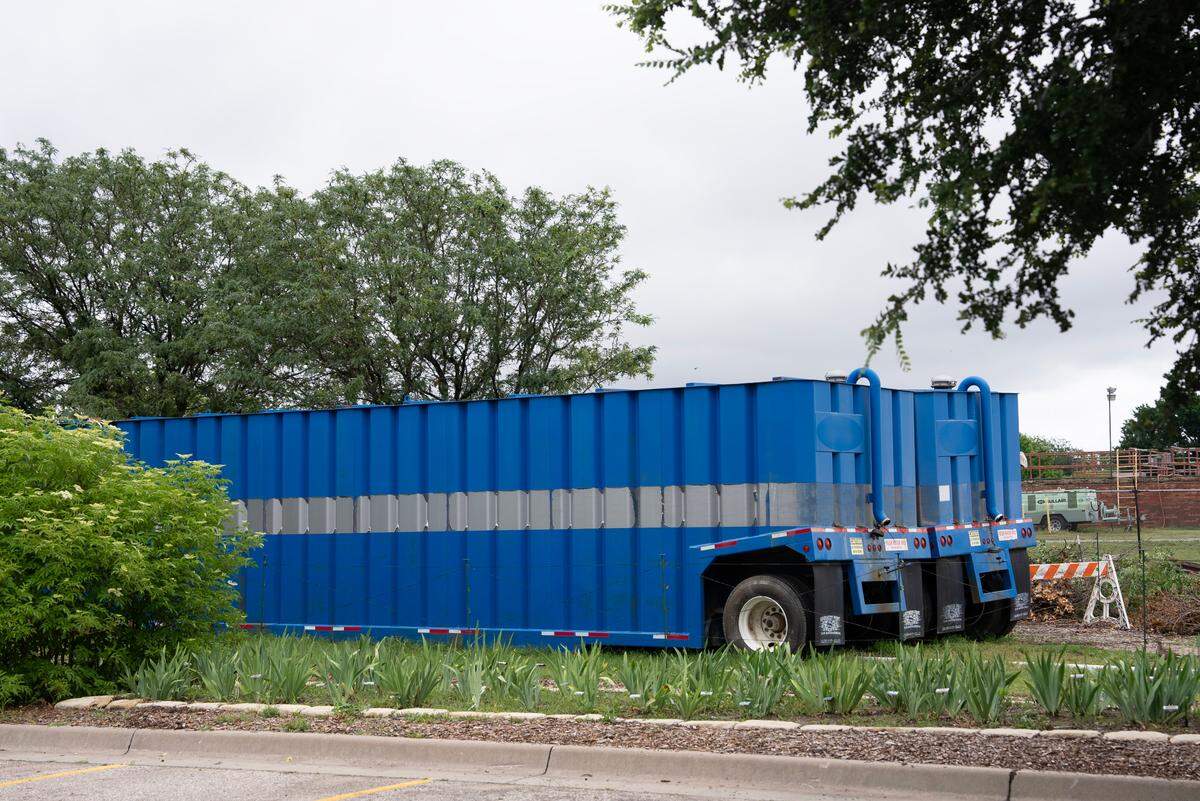
Botanica’s reclaimed water project will involve routing water from a pump station near Botanica. From there the water goes to a fire hydrant.
“Botanica has got tanks set up and they’ll be able to go over and open up that fire hydrant,” Janzen said. “They’ve got a hose connected to it. It’s going to fill up their tanks. They’ve got their tanks connected to their irrigation system.”
The city paid for the cost of the fire hydrant, Zimmerman said, but Botanica took on the cost of the hose that connects to it, the tanks used to store the water and related costs to connect the water to its irrigation system.
“Our investment is approximately $20,000,” Zimmerman said. “We are running a fundraising campaign to help support this initiative. This investment was outside of our operating budget, so it was something that we felt was necessary as an institution and aligned with our mission as an organization here in the community.”
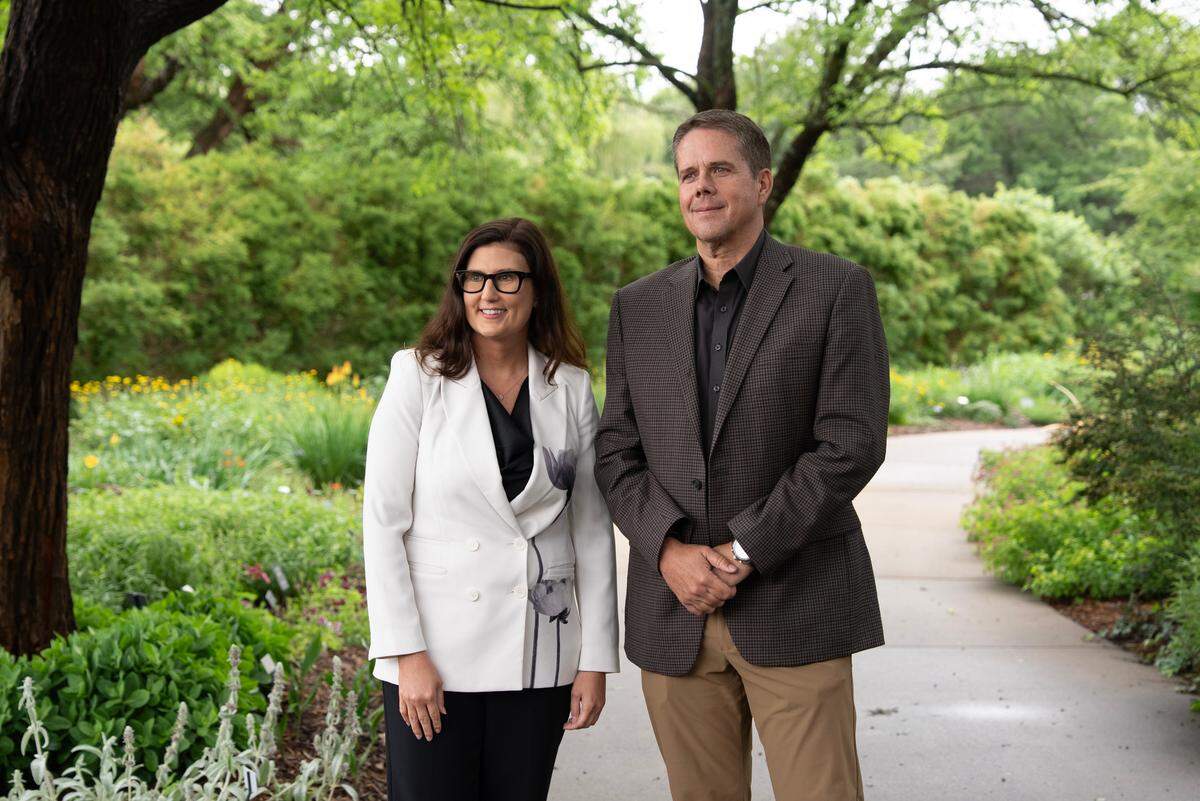
Zimmerman said the project will be the latest effort by Botanica to try to limit its impact on the city’s water supply. She said it cut its water use by 10% when Wichita entered phase 2 of drought restrictions.
The city implements restrictions on water use based on the level in Cheney Reservoir. It entered stage 2, limiting when people and entities can water outdoors, in August 2024.
While Botanica was exempt from the restrictions, Zimmerman said the “dire” drought conditions last summer made the nonprofit take measures to lower its water use, including limiting watering to certain times of the day and, in some cases, opting to water with watering cans rather than using the irrigation system.
Zimmerman said that Botanica expects to use at least 42,000 gallons of test water per day for irrigation. When testing was paused, the water plant was running around 30 million gallons of water each day according to the city.
The water plant delayed testing last summer because of the drought. Janzen said he does not think a similar pause will happen this year, because the remaining stages of testing require less water.
Janzen said the city is also looking at more ways to use the test water.
“Recapturing that test water, as I mentioned, is first and foremost for Botanica, but we’re also looking at other ways that that might be used by contractors and possibly even the public, but we’ve got some issues to work through before we get to that point,” Janzen said.
This story was originally published May 29, 2025 at 5:55 PM.