Pollen got ya down? Once again, Kansas is home to the worst city in the US for allergies
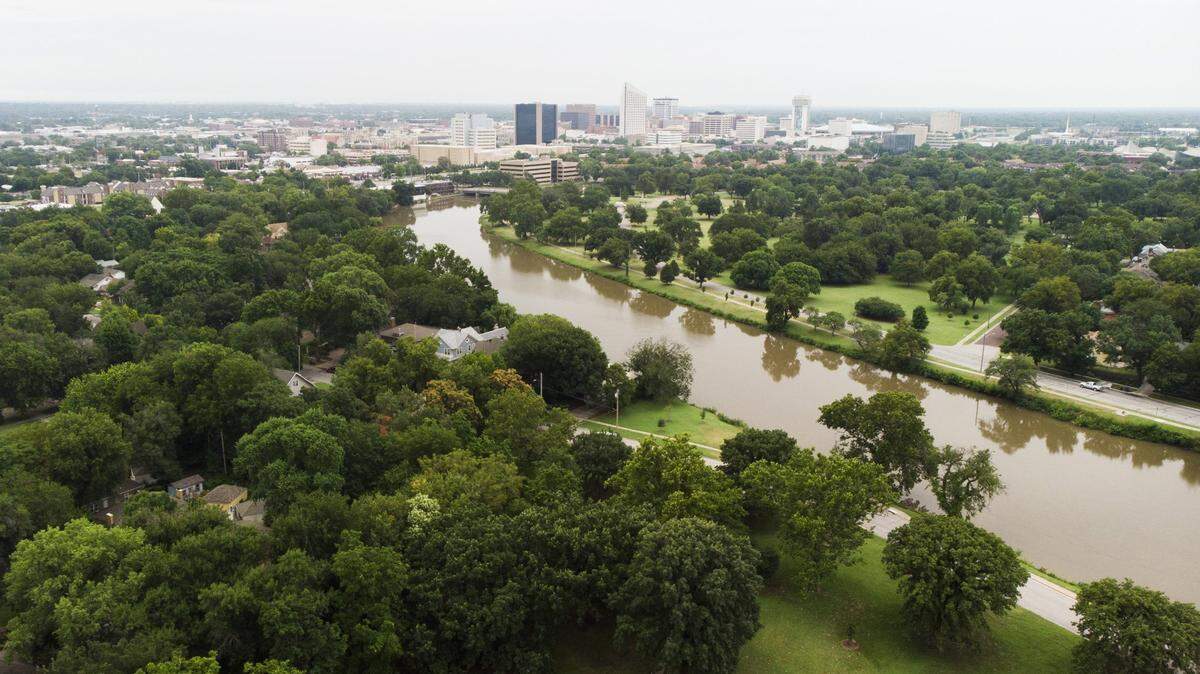
Wichita was named the worst U.S. city to live in for allergy sufferers for the third year in a row, with the data showing the city scored worse than average on all three assessed metrics.
The Allergy and Asthma Foundation of America named Wichita the allergy capital once again this year, taking into account pollen levels, medicine use and allergy specialists in the area. The average score sat at 67.57, while Wichita scored a 100 — 14 points less than the city in the No. 2 spot, New Orleans with a score of 86.81.
This year’s data showed Wichita ranked worse than average in all three topics. Wichita also scored a 100 overall in 2024 and 2023’s rankings. However, last year Wichita scored average on pollen count.
Two Oklahoma cities have also appeared repeatedly in the ranking in recent years, Oklahoma City and Tulsa.
The 2025 allergy capital report, released this month, named these the five worst U.S. cities to live in with allergies:
- Wichita, Kansas
- New Orleans
- Oklahoma City, Okla.
- Tulsa, Okla.
- Memphis, Tenn.
In 2022, Wichita managed to take the No. 2 spot in the U.S. behind Scranton, Pa.
What plants are causing me to sneeze in Wichita?
Kansas’ heavy wind is a factor that can make allergies worse, no matter what plants may be blooming.
“A lot of that pollen ... can get picked up from other states,” said Matthew McKernan, a Sedgwick County ornamental horticultural agent with K State Research and Extension office. “So even if certain species of tree that you might be sensitive to isn’t blooming here now, some of those strong winds can carry that pollen for long distances.”
McKernan told the Eagle there are several types of plants that can cause allergies in Wichita, depending on the season. At the end of winter, usually around February and March, the leading culprit is usually the eastern redcedar.
At the beginning of spring, however, there are several types of trees that are either already bloomed or are blooming that could be causing you to sneeze.
“Our maple, oak, elm, willow, cottonwood, for example, are the trees that are starting to become more in bloom,” McKernan said. “A lot of our maple trees, many of them have already been blooming for the past couple of weeks.”
You may not have noticed these trees blooming yet, but that doesn’t mean they haven’t.
“With a lot of these trees ... flowers are really insignificant. They’re not showy. They’re typically kind of very well camouflaged, unless you’re looking for them,” McKernan said. “Oftentimes people don’t notice these trees in bloom, but then their allergies begin increasing in severity.”
In the summertime, grasses tend to be the culprits creating the most pollen. In the fall, weeds and broadleaf plants usually take over.
To sum it up, allergies are usually a year-round occurrence for Wichitans.
Here are some tips to help with seasonal allergies, from Mayo Clinic:
- Stay inside on windy days
- Avoid activities involving yard work
- Remove and wash clothes after going outside
- Wear a face mask during outdoor chores
- Keep doors and windows closed
There are several over-the-counter medications you can try to manage reactions, like Zyrtec and Benadryl.
What about food allergies?
Allergies caused by pollen are just one type that Wichitans have to deal with, according to another ranking. Great Guys Moving found Wichita is also the second worst city to live in for those who have food allergies.
The company selected the city not only because of the AAFA’s findings, but also due to a number of other factors, like access to allergy-friendly grocery stores, access to children’s hospitals, access to oral immunotherapy specialists and more.
The five worst places to live in the U.S. when you have food allergies are, according to Great Guys Moving:
- Montgomery, Ala.
- Wichita, Kansas
- Lincoln, Neb.
- Henderson, Nev.
- Honolulu