It’s ‘a matter of time’ before the measles reaches Sedgwick County, expert warns
Editor’s note: Sedgwick County confirmed its first measles case as part of the wider outbreak Wednesday, May 7, 2025. You can find the latest coverage here.
As the measles virus spreads around the country, with Kansas’ first case reported in Stevens County March 13, Sedgwick County health officials are preparing for possible cases.
“It’s a matter of time before it reaches Sedgwick County,” Adrienne Byrne, the county’s health department director, said in a March 12 interview.
If the measles is confirmed in Sedgwick County, Byrne said the agency is planning ways to educate the public on the virus, which hasn’t been widespread in the U.S. in more than two decades.
The measles is a highly contagious virus that’s spread through the air when an infected person coughs or sneezes.
The current U.S. outbreak has 301 confirmed cases in 15 different states, according to the U.S. Centers for Disease Control and Prevention. There have been a total of three outbreaks reported with the majority of cases being tied to known outbreaks. One child associated with the outbreak in Texas has died.
What to know about the measles
People who contract measles usually don’t develop symptoms until 10 to 14 days after exposure to the virus, according to MayoClinic.
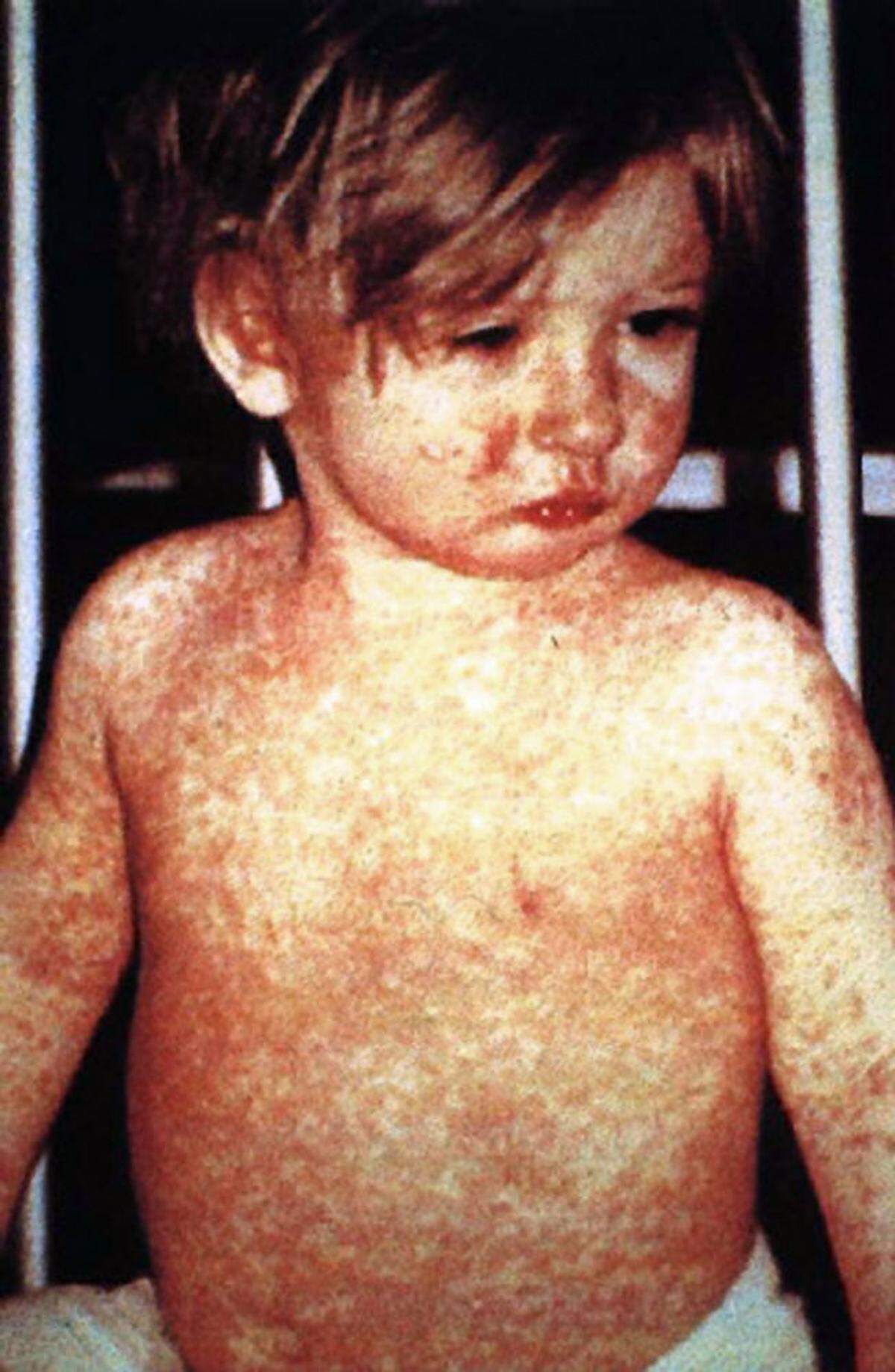
Symptoms include fever, cough, runny nose, sore throat and inflamed eyes. The biggest giveaway is a rash that starts on the face and moves downward to the neck, chest and back and eventually to the arms and legs. Small white spots with a blueish center can also be found inside the mouth.
“It is extremely contagious, and it’s a respiratory illness, and it can really can cause life-threatening illness to anyone who’s not protected against the virus,” Byrne said.
During an outbreak, 1 in 5 people usually need to seek hospital care, Byrne said.
What states have reported measles cases?
The measles was confirmed in a resident in Stevens County in mid-March. A Kansas Department of Health and Environment press release said it is unknown if the case was related to outbreaks in other parts of the country.
By March 21, Kansas had reported 10 cases so far this year, all in southwest Kansas. Eight people have tested positive for measles in the last three weeks, according to data updated Friday. The other cases were in January and February.
As of early March, 222 total cases had been reported across the U.S. in Alaska, California, Florida, Georgia, Kentucky, New Jersey, New Mexico, New York City, Pennsylvania, Rhode Island, Texas and Washington. The majority of cases were in Texas and New Mexico and were in children that did not receive the measles vaccine.
Neighboring Oklahoma reported two measles cases March 11. These cases were identified because the individuals had exposure to the Texas and New Mexico outbreaks and were reporting symptoms. However, Oklahoma’s health department said the cases are not a direct threat to public health.
“After realizing they had been exposed to measles, the individuals took the proper precautions by immediately excluding themselves from public settings and staying home throughout their contagious period,” the press release from the Oklahoma State Department of Health reads.
If cases do reach Sedgwick County, this will be the first time in eight years the county has seen the measles, Byrne said. The last time the county confirmed cases was in 2017, and before that, 2014.
“We’ll be sending out information through the medical society, because ... the majority of physicians have not dealt with measles before,” Byrne said.
How can I stay safe during a possible measles outbreak?
If someone isn’t vaccinated, they’re at high risk of contracting the virus if exposed.
“If the person breathes, cough, sneezes [and] someone walks into that area, they’re high risk of coming infected with measles if they’re not vaccinated,” Byrne said.
The people most at risk of serious cases are children younger than 5, anyone with an underlying health condition and pregnant women, Byrne said. Children cannot receive the vaccine until they turn 1.
For those who can, its especially important to get vaccinated now.
“This is a great opportunity to [reinforce] just how crucial it is for people to be vaccinated,” Byrne said.
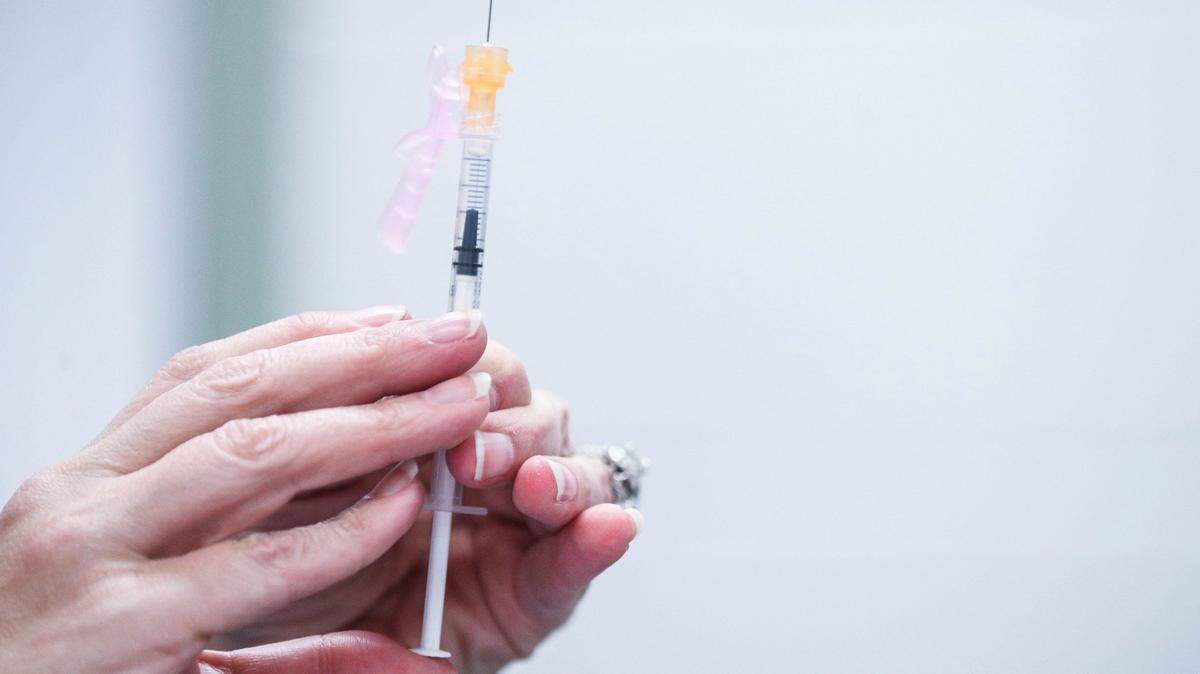
The MMR vaccine, for measles, mumps and rubella, is 97% effective against the virus, Byrne said, and it’s never too late to get the vaccine.
“We’ve had adults come in that weren’t vaccinated as children for whatever reason that are going ahead and getting vaccinated now,” Byrne said.
If someone hasn’t been vaccinated and is experiencing measles symptoms, it’s important to stay home and away from people to avoid spreading the virus.
This story was originally published March 18, 2025 at 5:00 AM.