
New vaccine using different science expected this week in Kansas. What you should know
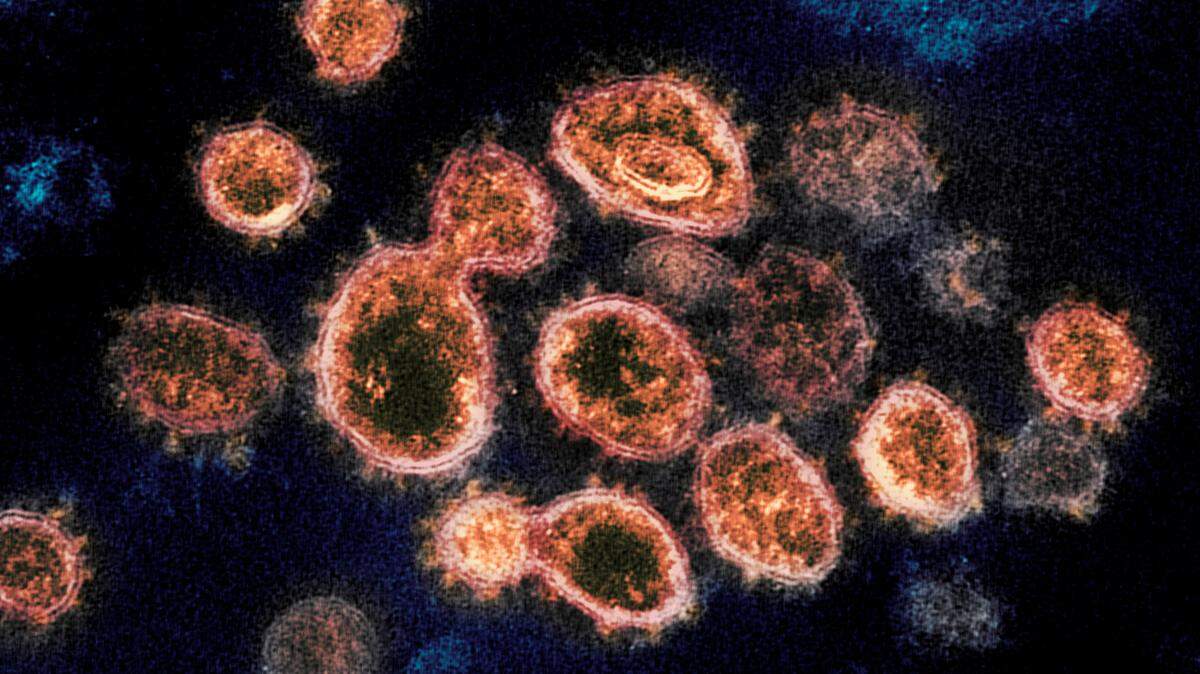
The U.S. Food and Drug Administration approved Johnson & Johnson’s COVID-19 vaccine for emergency use Saturday, making it the third vaccine approved in the U.S.
It could be going into the arms of Kansans this week.
“It’s very possible that we will have close to 25,000 doses of the Johnson & Johnson vaccine coming in (this) week,” Gov. Laura Kelly said Friday during a meeting with elected officials. “The good thing about the Johnson & Johnson vaccine is that it is much easier to store and it requires only one dose.”
The type of technology in the Johnson & Johnson vaccine could also open up the door to people on the fence about the current vaccines, according to Kansas Department of Health and Environment Secretary Dr. Lee Norman.
The other vaccines authorized for emergency use are Pfizer-BioNTech and Moderna vaccines. Both require two doses and use a newer technology called messenger RNA, or mRNA.
“There are people out there that say ‘I don’t feel comfortable with this new technology called mRNA,”’ Norman said. “I think some of those people are gonna … step up and say ‘yeah, this is something that is traditional that I think I can handle.’”
The science behind Johnson & Johnson’s vaccine has been around for a long time.
Vaccine history
That science uses a mild or harmless virus to help immunize the person from a deadly virus. That’s what Edward Jenner did in 1796 when he noticed that milkmaids who had been infected with cowpox seemed immune to the more severe smallpox.
Jenner tested his hypothesis on his gardener’s 8-year-old son.
He scratched into the boy’s arm and exposed him to cowpox, according to the University of Oxford Jenner Institute. He became mildly sick for about a week, the article says. He then exposed the boy to smallpox, but the boy was immune.
New vaccine details
The Johnson & Johnson vaccine is what’s called a viral vector vaccine, according to a story The Associated Press republished from nonprofit The Conversation.
Here is how the virologist who wrote the article explained the Johnson & Johnson vaccine:
To make the vaccine, Johnson & Johnson took a harmless adenovirus — the viral vector — and replaced a small piece of its genetic instructions with coronavirus genes for the SARS-CoV-2 spike protein, the article says.
After the modified adenovirus is injected into someone’s arm, it enters the person’s cells, the article says.
The cells then read the genetic instructions needed to make the spike protein and the vaccinated cells make and present the spike protein on their own surface, the article says. The person’s immune system then notices these foreign proteins and makes antibodies against them that will protect the person if they are ever exposed to SARS-CoV-2, the article says.
“The adenovirus vector vaccine is safe because the adenovirus can’t replicate in human cells or cause disease, and the SARS-CoV-2 spike protein can’t cause COVID-19 without the rest of the coronavirus,” the article says.
It says Johnson & Johnson used a similar method to make its Ebola vaccine. The AstraZeneca-Oxford COVID-19 vaccine is also an adenovirus viral vector vaccine.
“Messenger RNA vaccines use genetic instructions from the coronavirus to tell a person’s cells to make the spike protein, but these don’t use another virus as a vector,” the article says, adding there are other practical differences between the two types of vaccines.
The article says you shouldn’t wait for one vaccine versus the other, since there is no telling what vaccine will be available or when.
“As many people as possible need to be vaccinated as quickly as possible to limit the development of new coronavirus variants,” the article says, adding that Johnson & Johnson was waiting on Saturday’s approval before shipping four million doses.
Effectiveness of the vaccines
Pfizer-BioNTech and Moderna vaccines are both reported to be above 90% effective at preventing illness from COVID-19, Norman said.
The Johnson & Johnson vaccine is 66% effective in preventing the illness, he said. And, if someone still contracts the virus, they will be less likely to be hospitalized and die than someone who didn’t, he said.
“That’s not a trivial consideration,” he said.
In comparison, he said, the flu vaccine is usually between the “30s and 40s” percent effective, depending on the strain of the virus.
“A blockbuster is 70%,” he said.
The Associated Press contributed to this story.