Report: Wichita in top 10 cities nationwide to benefit most from $15 minimum wage
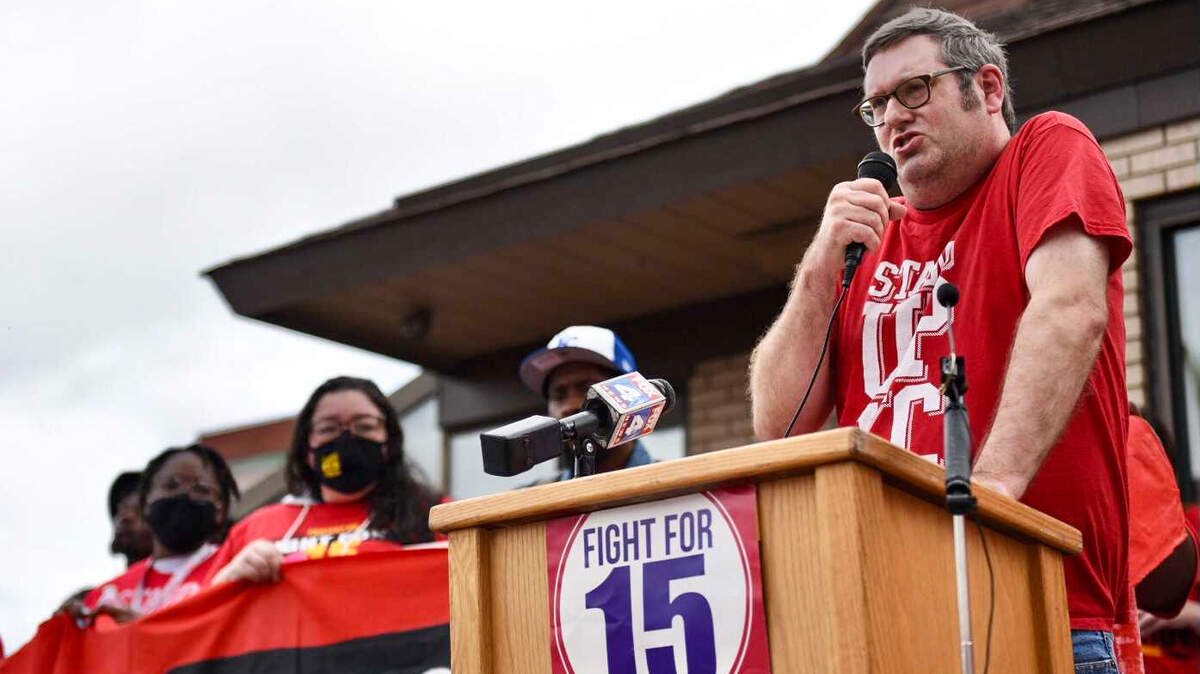
Workers in Wichita are among those who would benefit the most across the nation from a minimum wage raise to $15 an hour, according to a new national report.
LendingTree, an online loan marketplace, looked at the largest metro areas in the country to compare a $15 minimum wage with the cost of living in each city. Out of those metros, Wichita tied for 10th place on the list of metros that would benefit the most.
In Wichita, researchers found a living wage of $13.10 an hour for a single adult with no children. But the minimum wage in the city is $7.25, the same as the federal wage floor that hasn’t moved since 2009.
Workers in Akron, Ohio tied Wichita for the top 10 spot. While the minimum wage there is higher at $8.80 an hour, the living wage is the same.
The report found El Paso, Texas would benefit more than any of the metro areas the researchers analyzed across the country.
In Wichita, City Hall recently moved to increase its minimum wage for workers to $15 an hour. The union representing city employees supports the increase, but said it would not affect a wide swath of workers and would create pay disparities between new and long-time employees. The union and the city will discuss any changes in collective bargaining.
While the boost would help workers in individual cities, researchers at LendingTree also looked at how a wage increase could impact consumers more broadly. A higher minimum wage could give more spending power to existing low-wage workers, boosting the overall economy, according to LendingTree.
Researchers also predict better customer service for consumers if the minimum wage rises. That’s because lower earnings usually lead to higher turnover among staff and higher accident rates.
A higher wage floor could also lead to lower interest rates and better debt consolidation options as well as an opportunity to save more money, the report found.
Some cities and states have a minimum wage above the $7.25 federal floor, as local governments can set their own baselines. Among the 100 largest, only six metro areas have minimum wages of at least $15 an hour, including New York and Los Angeles.
A $15 minimum wage across the country would cover basic living costs for single adults without children in nearly two-thirds of the metros LendingTree examined. Among the top 10 metros that would benefit the most, including Wichita, raising the minimum wage to $15 an hour would represent a 71% to 107% rise in wages, the report found.
To conduct the report, analysts used data from the Massachusetts Institute of Technology Living Wage Calculator. They looked at the information to examine the impact on single people with no children.
The researchers used state and municipal minimum wage information from the LaborLawCenter, a nonprofit research group, and labor department websites.
“A $15 minimum wage would be nothing short of life-changing for many Americans,” Matt Schulz, LendingTree chief credit analyst, said in a news release. “It would make it easier for folks to keep food on the table, pay their bills and so much more.
In many parts of the country, $15 per hour still isn’t enough to help Americans make ends meet fully, but there’s no question that it could make a huge, huge difference in the everyday lives of many, many hard-working Americans.”
This story was originally published June 29, 2021 at 11:52 AM.