
How to lay out a winter bird buffet
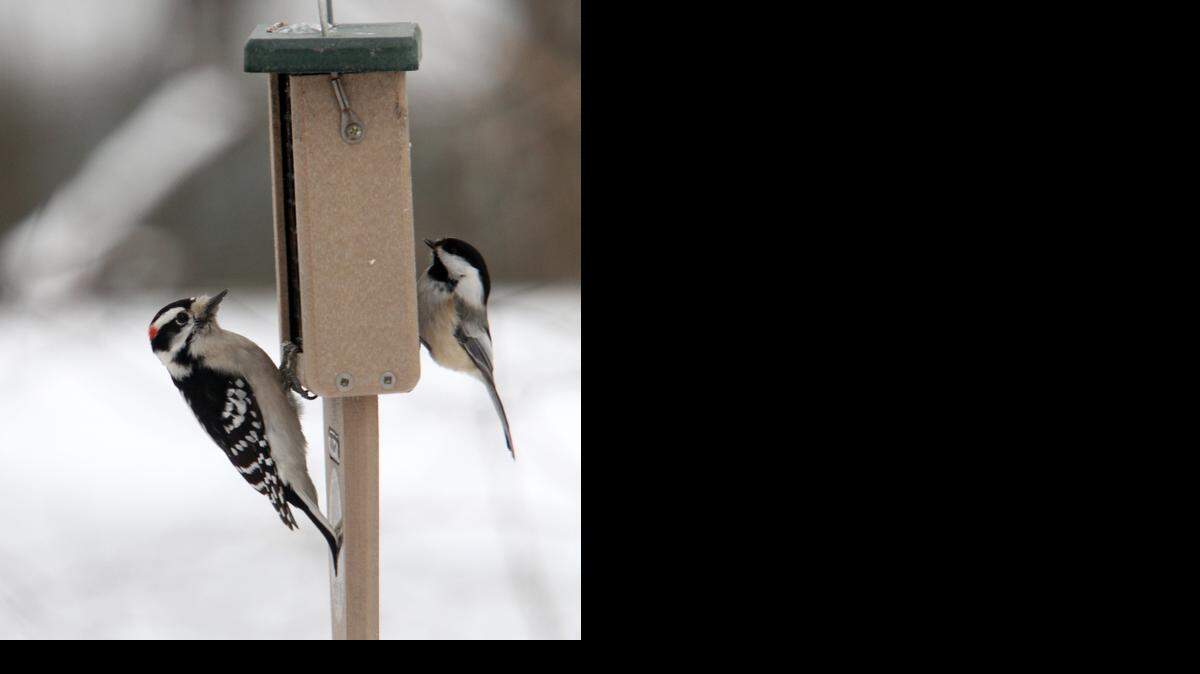
Some hardy birds don’t fly south for the winter, instead toughing out these cold, gray months of the year around our backyards. Laying out a buffet for these birds provides a form of winter interest in the yard for us and helps out the birds.
Here are some feeding tips to supplement their diet.
The menu
In winter, birds need extra-high-calorie seeds rich with fats to keep warm, since their favorite foods of insects and fruits and native seeds are scarce. Don’t bother with the generic bargain bags of mixed birdseed. They contain fillers that backyard birds just don’t eat. Instead, buy individual types of birdseed in bulk and mix your own blends. A bird-supply store can help or may have their own blends for our area.
The one seed that has the most universal appeal is black oil sunflower seed, says Ward Upham of K-State. “If you are new to the bird-feeding game, make sure there is a high percentage of this seed in your mix,” he writes in the Horticulture 2015 newsletter. “White proso millet is second in popularity and is the favorite of dark-eyed juncos and other sparrows as well as the red-winged blackbird.
“As you become more interested in bird feeding, you may want to use more than one feeder to attract specific species of birds.”
Rufous-sided towhees and mourning doves also eat white proso millet, Upham says.
Suet provides a concentrated source of energy. You can buy it ready-made in wire feeders, or in blocks for inserting in suet feeders. Or you can make your own by melting suet into a mix of seeds and nuts, oatmeal and dried fruits. Pour the mixture into a plastic butter tub or other disposable container, allow to harden, and place at the feeding station. Or, slather peanut butter mixed with dried fruit directly onto tree bark for an easy alternative.
Feeders
Choose large-capacity feeders; they don’t need to be refilled as often. Platform feeders are flat shelves that hang from cords or chains, rest on elevated poles, or are attached to the sides of structures. They tend to attract the widest variety, from perching birds to ground feeders. However, hopper and fly-through models with wide, overhanging covers are better in the winter; the landing areas and dispensers won’t be buried by snow.
Location
If possible, shelter your feeders out of severe winds and near protective hedges or brush piles, where the birds will have a place to fly for safety from predators. Putting feeders close to the house will make them more convenient to refill and place the birds in view to indoor birdwatchers. To reduce collisions with the glass, keep feeders close to the windows – no more than 3 feet or so – and apply decorative window stickers as an added precaution.
Cleanliness
Clean feeders are more attractive, and they also help prevent disease. Large-capacity feeders are more convenient but must be protected from moisture to prevent mold and mildew from growing on the food. Exposed platform feeders should be emptied daily to prevent spoilage. Toss out seed that’s soggy or encased in ice, and allow the feeders to dry before refilling.
Water
Water is just as important as food for the wild birds in winter, and in some situations even more so, as some food can nearly always be found if a bird looks hard enough.
If there is snow on the ground, birds can eat that and thus stay hydrated. But when there is no snow and the world is a frozen block of ice, they do suffer, although some birds are more resourceful than others. I have seen pigeons all huddled together on a patch of ice. They sit there calmly for a while, and then they all get up and drink the water on the ice melted by their body heat. Whether they have the cognitive ability to actually plan this all out together I cannot say, but the result is the same.
For backyard birds, you can buy a little heater that will keep the water from freezing. (You may have to move the birdbath closer to the house so a weather-proof extension cord can reach it to power the heater, but the birds will adapt to the change in position of the bath.) Yes, even in freezing weather, birds will still take a quick bath if the opportunity is there, as they need their plumage to be in tiptop shape to keep them warm.
Contributing: Newsday, Annie Calovich of The Eagle
This story was originally published January 22, 2015 at 7:08 PM with the headline "How to lay out a winter bird buffet."