
Premature winter takes bite out of landscape
It looks like the pumpkins on the porch aren’t going to make it to Thanksgiving this year.
They’ve frozen, and been covered in snow, and thawed, and now they’re done, just like a turkey.
Parts of Kansas’ landscape – and of yours, and of mine – also may be done because of the premature arrival of winter last week.
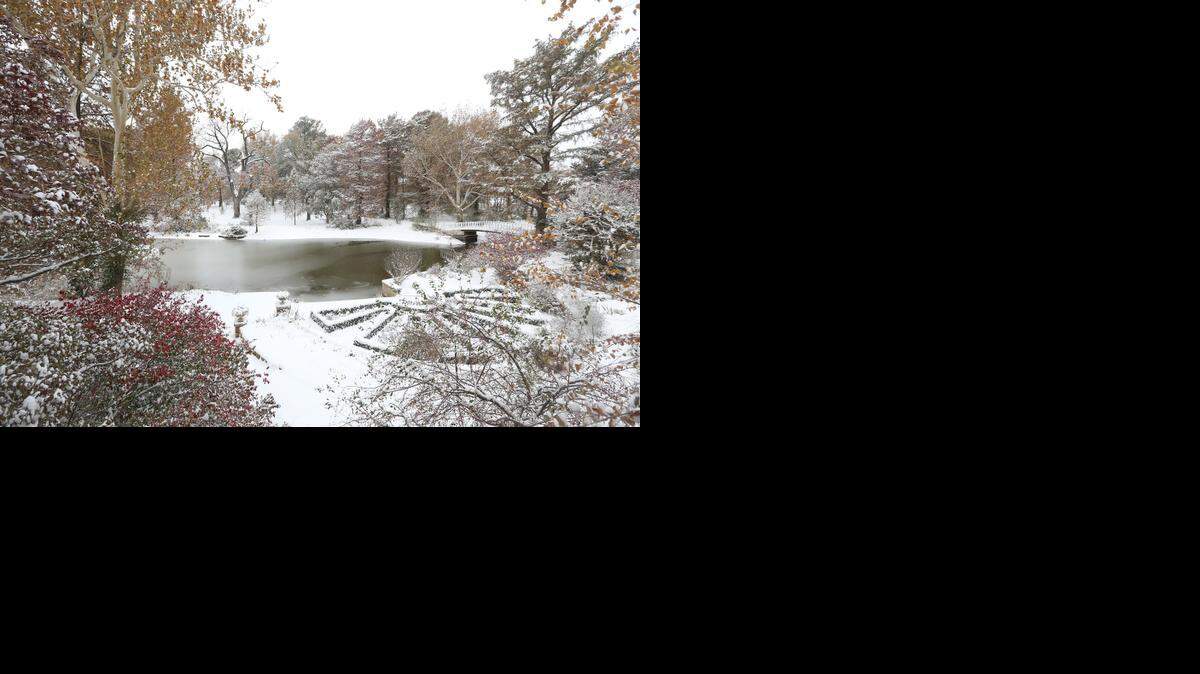
It was mesmerizing, watching the snow sift perfectly down last Sunday as if we were figures in a snow globe. As I walked around the house, my eyes kept sweeping outside, and my attention would occasionally be arrested by the view of trees still fiery red amid the white snow.
The early winter stole treasured fall days of buying plants on sale at the garden center and getting some new, substantial things planted or even potted up for fresh additions to the yard. (I did shop once, and should have snapped up the red-berried deciduous holly at that point rather than debating whether it was too big.)
The nurseries had to bundle the plants off to greenhouses to protect them from the frigid cold, of course, and now the Christmas trees are coming on.
“The mums didn’t last long enough,” said Judy Lewis, who had tons of mums in her front yard when the temperature dropped like a rock. Plus she still has hundreds of dollars in tulip bulbs on their way that will need planting.
The surreal nature of the past week’s weather means that when the snow melted, there was still green grass under it. And green leaves hanging from the branches above.
Plants that were Zone 7 or warmer (Wichita is in Zone 6) that hadn’t gone dormant before the cold snap probably will be lost to the temperature drop, Neier said.
Late-planted fescue and warm-season grasses that had not gone dormant also probably will have problems, extension agent Rebecca McMahon said.
In the case of grass seed planted in mid-October or later, the plants’ root systems may not have gotten established enough to survive the cold, McMahon said.
“Zoysia and Bermuda were in the process of going dormant, but most were not completely dormant yet, so there’s a pretty good chance we could see winter kill or injury come spring. It’s not going to green up.” That’s especially likely if you fertilized or watered later than the recommendation of mid-August, she said. Such practices would help keep the grass from going dormant.
Spring will tell the tale on the fates of the lawns, she said.
Fruit trees that had not gone fully dormant could also have winter injury, McMahon said. “There’s nothing to do about it,” she said. In the spring, at pruning time, check for dead branches and prune them out, she said.
Strawberry plants that have not been prepped gradually for cold weather can be killed by temperatures that drop lower than 15, Ward Upham of K-State said. Plants that were mulched first would be in better shape, though they should be uncovered again in warmer weather for a couple more weeks so that they still have a chance to harden off, he said in this week’s Horticulture 2014 newsletter.
Even spinach and lettuce plants that weren’t covered died in the sudden cold, McMahon said.
Chores that didn’t get done before the cold snap and snow may or may not get done at this point. For example, some people, such as Judy Lewis, got their cannas dug ahead of time for safe storage over the winter and replanting next year. But some people did not.
“On cannas, if they were planted really deep, they may be fine. If they were planted shallow, they’re probably mush,” Neier said.
He put a shovel into the ground on the northwest side of the Extension Center midweek and was able to push through, so there’s hope for planting those bulbs and trees that haven’t gone in yet. At Botanica, some spots in the ground froze but were thawing again as temperatures rose through the week.
If you hadn’t disconnected hoses from the house, when you next turn on the spigot, Neier advised, do so only a very little to see whether water comes into the house, the basement or crawlspace from a frozen pipe. And drain and store hoses.
If you’re wondering what to do with your leaves at this point, just rake them into perennial flower beds as a mulch, Neier said.
And as for the pumpkins, I think they’ll be the first thing to go into the trash after the turkey carcass next Friday. Just be prepared when you try to lift them: They’re mush. This also makes them excellent additions to the compost pile, or just place them in a garden bed and rake some leaves on top where they’ll break down even further. If you don’t remove the seeds, you may have some volunteer vines bringing back the memory next summer.
Reach Annie Calovich at 316-268-6596 or acalovich@wichitaeagle.com. Follow her on Twitter: @anniecalovich.
This story was originally published November 20, 2014 at 5:16 PM with the headline "Premature winter takes bite out of landscape."