
Nostalgic for The Looking Glass? You can still visit the 1970s restaurant’s glass dome
Wichitans who feel nostalgic for once-popular restaurants that are no more can often find old matchbooks, menus and postcards floating around on eBay or hiding out in antique malls.
But there’s a much easier way to scratch that sentimental itch.
One of the city’s most memorable restaurant relics is still on display in a place where it can be viewed any day of the week — though few people know exactly what they’re looking at when they see it.
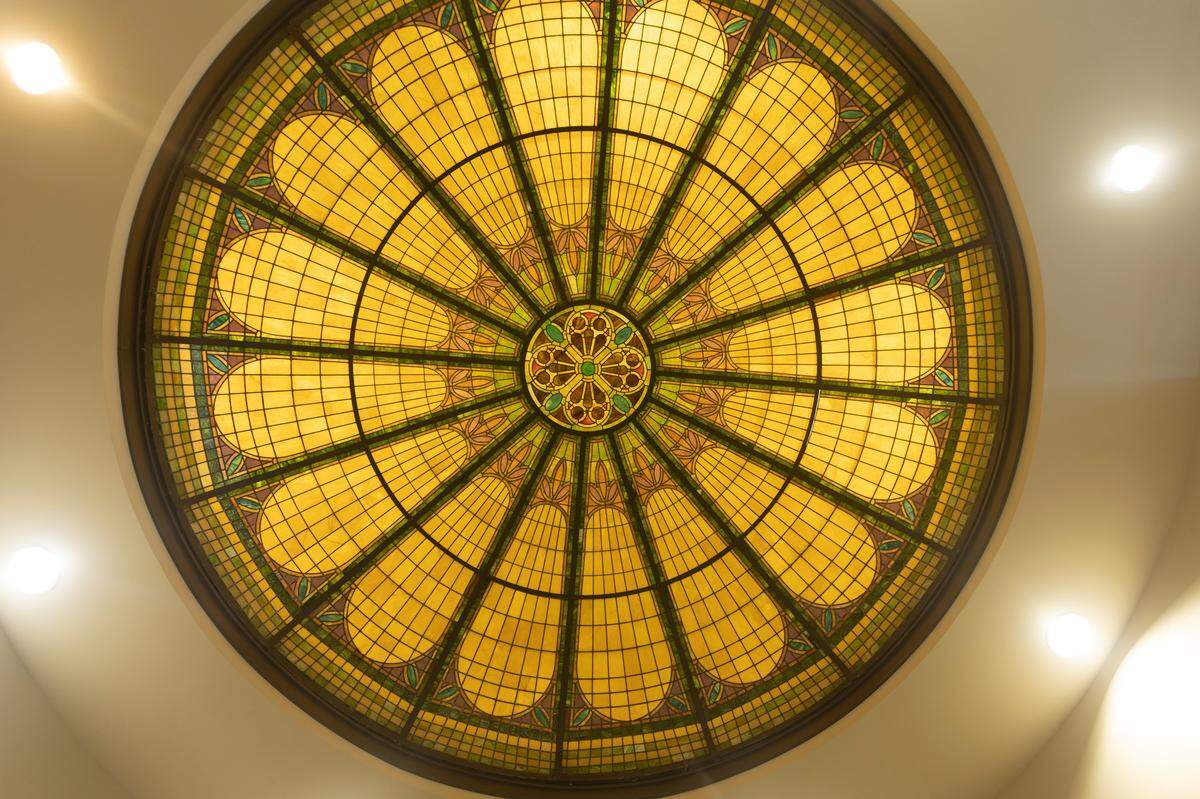
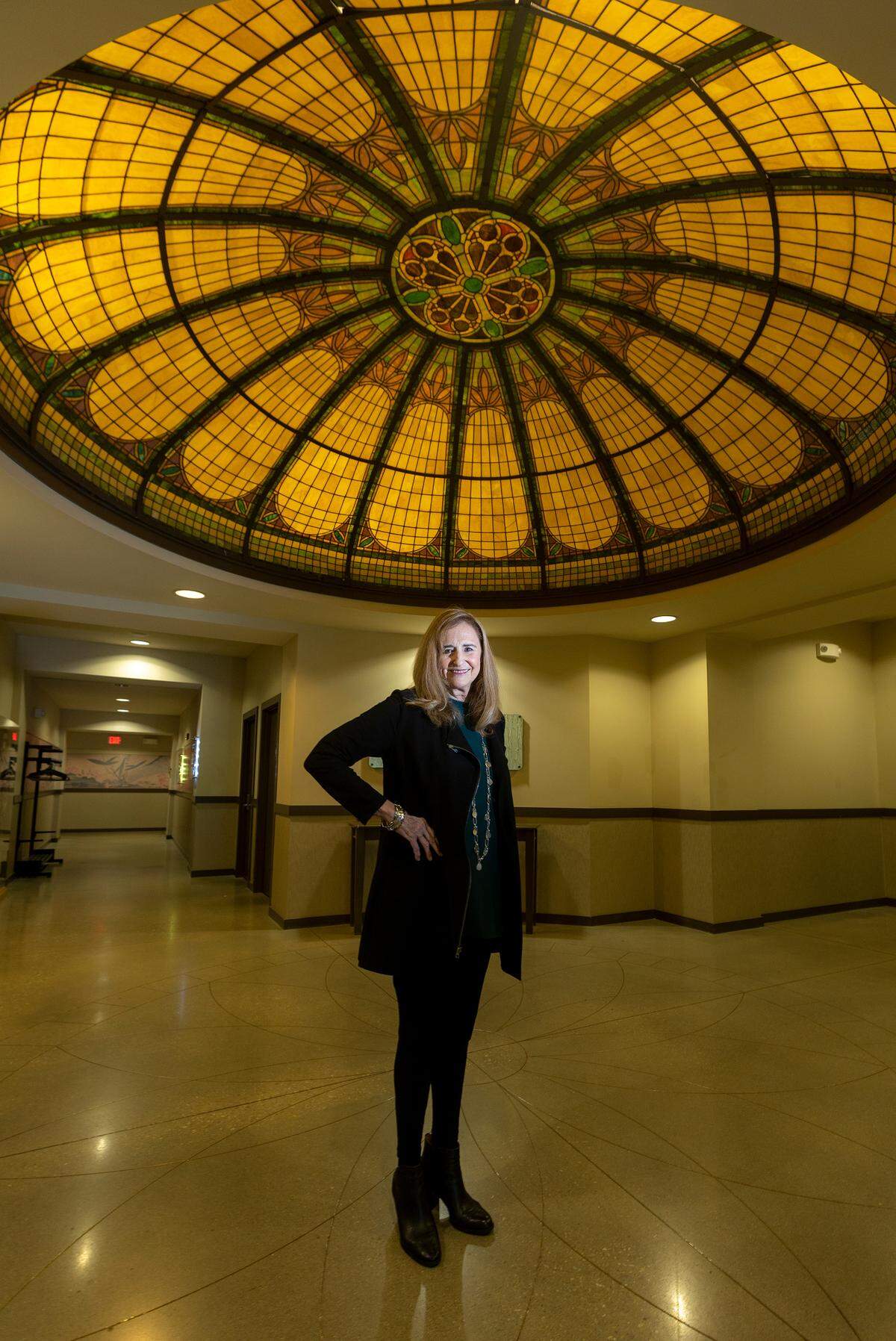
The giant stained glass dome that since 2014 has hung over the entrance to Botanica’s event center, Lotus Hall, is a show stopper that might look a bit familiar to longtime Wichitans.
Though it started its life hanging in a church in Arkansas City, the dome is best known for the time it spent in The Looking Glass, the popular restaurant and “fern bar” owned and operated by Rich and Marni Vliet from 1975 until it closed 10 years later.
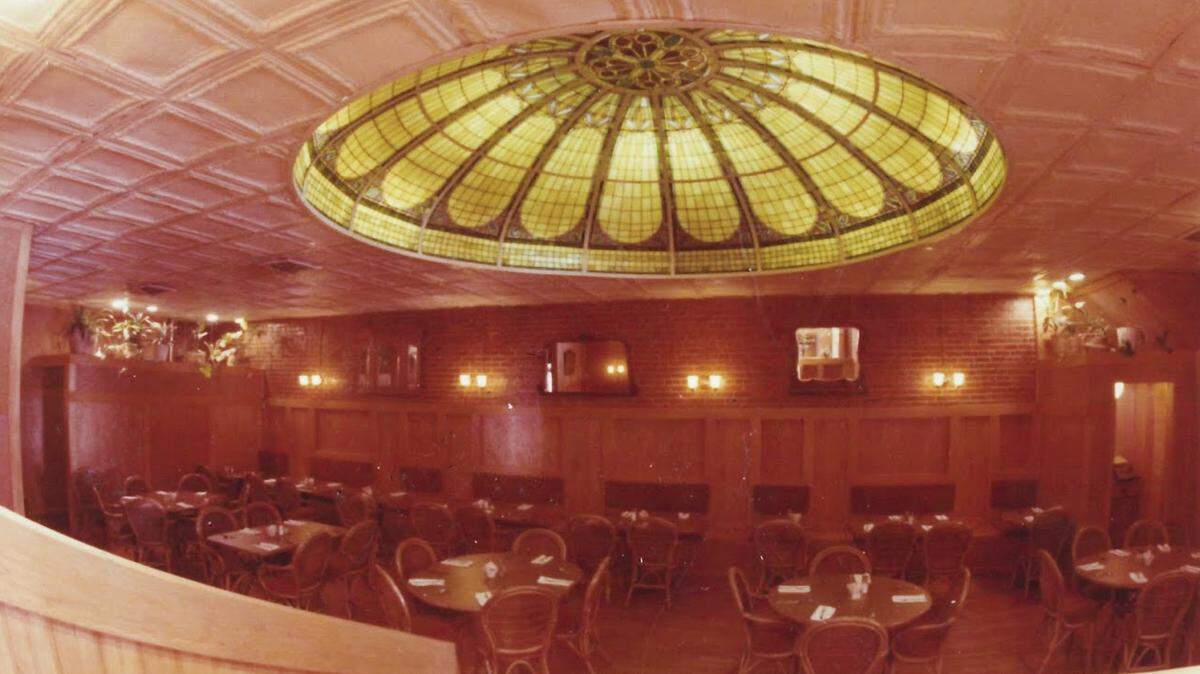
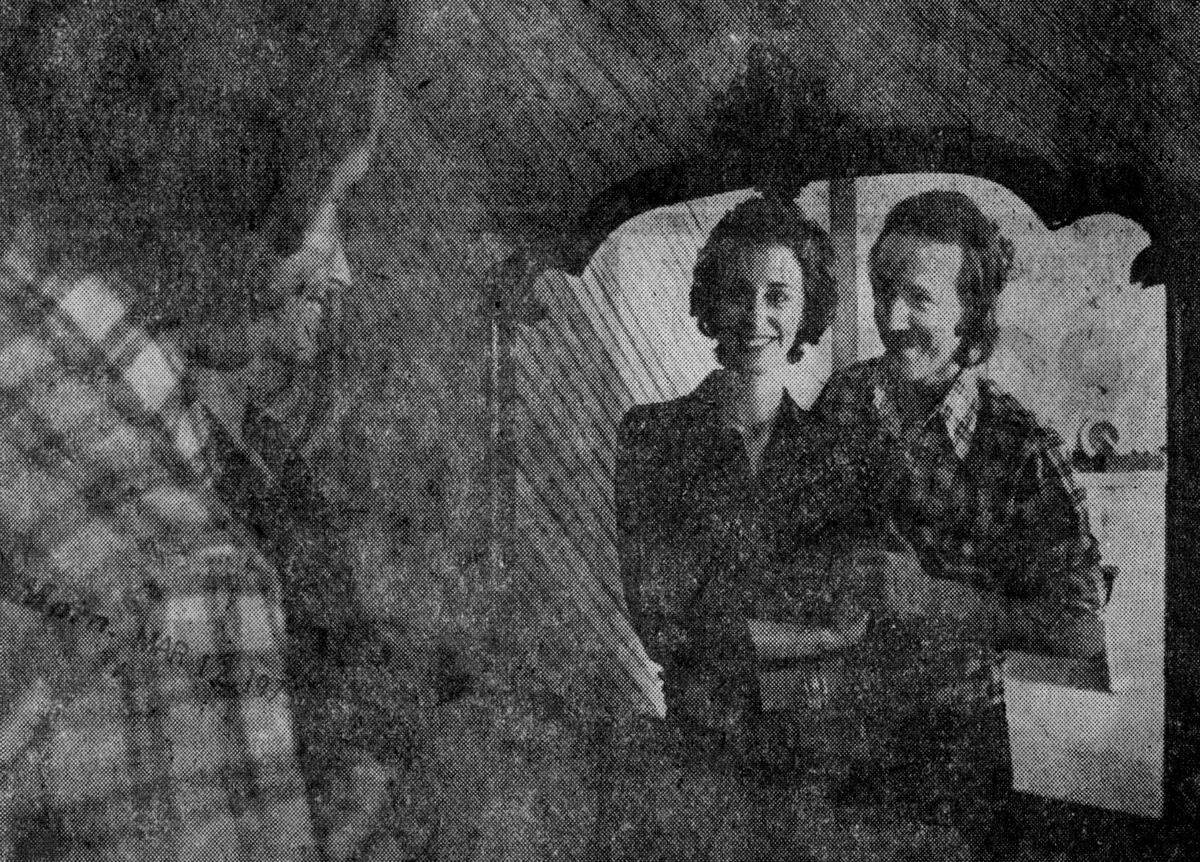
The Looking Glass, which operated at 412 E. Douglas — where Gallery 12 is now — was a popular bar and restaurant whose well-known owners were already popular for their successful local sandwich chain Dr. Redbirds Medicinal Inn. They opened their new venture in the historic Mead Building and filled it with lush hanging plants, antique mirrors and bentwood chairs.
The Looking Glass was a favorite after-hours hangout for Wichita Eagle staffers and stylish people of the day. It included a private bar and dining room as well as a public restaurant called The Creperie, where people would often go for special occasion meals.
Back in the early 1970s, when the Vliets were first remodeling the building, Rich read in the newspaper about an auction happening at the First Methodist Church in nearby Arkansas City. The couple’s design aesthetic had always leaned toward the antique — the booth seating in their Dr. Redbird’s restaurants was salvaged church pews — and the couple decided to check out the auction in case it held any treasures that could be used in The Looking Glass.
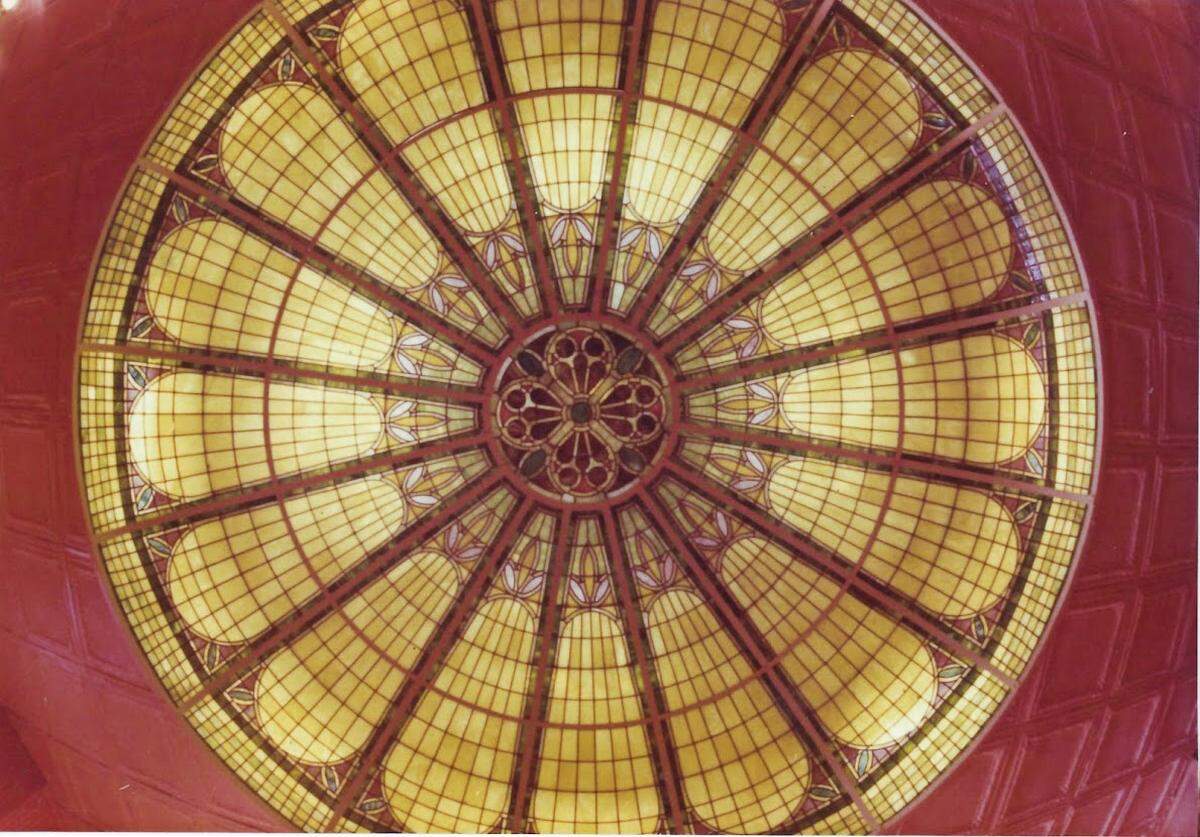
Among the items at the auction, Marni remembers, were floor-to-ceiling stained glass windows and a stunning stained glass dome — intricately designed in shades of gold and green with orange and pink floral accents and a crown spiked with jewel tones. The size of the dome and difficulty of removing its pieces scared off many other bidders that day, Marni said. But Rich’s brother, Ed, had been up in the rafters and inspected the dome from above. He thought they could manage its removal.
“When time came for the auction, the auctioneer started high, but it just wasn’t going anywhere,” she said.
The Vliets won the dome with a bid of only a few hundred dollars, Marni said, and Rich had to scoot across sky-high rafters with a rope around his waist, carefully clutching each fragile piece of glass as he went. The couple also bought some of those super tall stained glass windows, planning to take them apart and use them in various places through the restaurant.
Dome drama
Crews had been working on remodeling the interior of The Looking Glass space for about eight months in April of 1974. One night, a worker left linseed oil-soaked rags in an uncovered bucket, and they spontaneously combusted.
Fire ravaged the building, shattering the stained glass windows the Vliet’s had purchased at the auction, turning Rich’s handmade wooden tables to ash and destroying the interior and roof of the space.
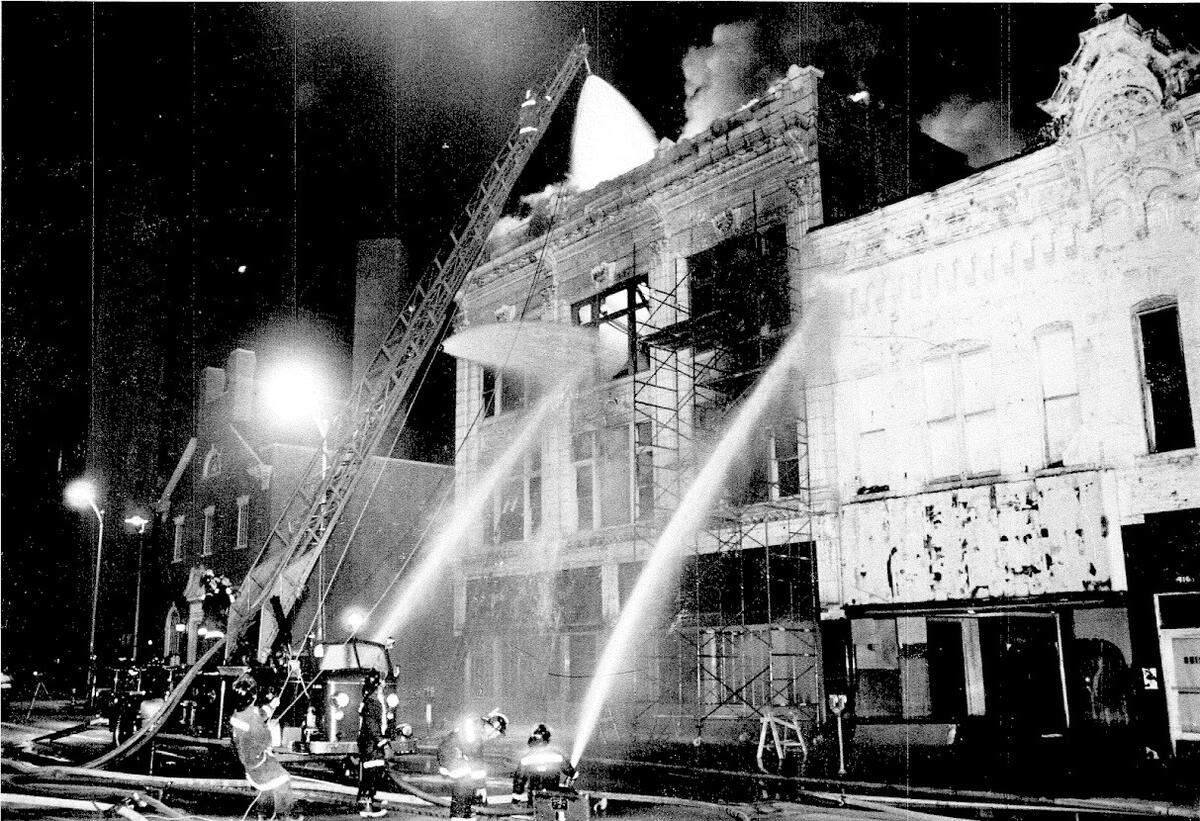
The dome was half installed at the time of the fire, Marni said, and the blaze appeared to start right next to it. But it somehow escaped undamaged. Even the uninstalled pieces of glass padded in carpet remnants next to the structure were untouched.
“After that, we always felt it was our good luck piece,” Marni remembers. (The superstitious side of her wonders of the glass wasn’t protected by the spirit of a dear aunt who loved the dome and who, before dying, told the family that if light was ever shining extra brightly through the dome, it was her watching over them.)
The Vliets started over, and in 1975, they finally opened The Looking Glass. People loved the dramatic dome and would often request to sit underneath it for special occasions.
“People told me that they were proposed to underneath the dome,” Marni said. “Some people got married under the dome. Some people celebrated anniversaries or rented the room for a night for birthdays and graduations. It just was fun to meet 30 of your best friends under the dome and toast to some celebration.”
The dome also earned a reputation as a secret spiller.
The shape of the structure created acoustics that enabled people sitting under one side of the dome to clearly hear what people on the other side of the dome were saying, even at a low volume.
Marni jokes that many Wichita secrets — about new jobs, just-accepted marriage proposals, and more — were accidentally leaked that way.
A new dome home
The Looking Glass closed in 1985 when the Vliets decided to pursue other development opportunities. (Rich and partner Dave Burk went on to found Marketplace Properties, which was instrumental in developing the Old Town entertainment district.)
The Vliets had a long-term lease on the building, though, and Rich converted parts of the restaurant into office space. Gallery 12 moved in in 1986 and its owners told the Vliets they’d love to have the dome stay where it was. The Vliets said they would leave it in place as long as they had the lease on the building.
When their lease ended in the late 1980s, the Vliets had the glass dome moved to the lobby of the Domestic Laundry Building at 1425 E. Douglas, which they owned. The building is the current home of the Greteman Group marketing agency.
Rich, though, was diagnosed with ALS in 2002, and as his health slowly deteriorated, he and his wife talked about what should eventually become of the dome.
“We had a lot of time to think through things,” Marni said. “And one of them was this — what to do with it.”
The couple agreed that they wanted the dome to end up at Botanica, Wichita’s botanical gardens at 701 Amidon and a venue they both loved. For a time, Rich had served as Botanica’s board chair and had been co-chair of the capital campaign committee that raised money for the venue’s Children’s Garden, which opened in 2011.
Rich Vliet died in December of that same year, and soon, Marni notified the museum of her wish to donate the dome. As architects designed the new event center, which opened in 2014, the dome was a key part of the plan.
The Vliet family gathered for a dedication ceremony in 2014, and a plaque was hung in the vestibule that’s umbrellaed by the dome. The space was named the Rich and Marni Vliet Dome and Grand Hall.
The plaque reads: “May this beautiful old relic continue to shine light on all who visit this magical place.”
The event center on the other side of the hall is now often used for weddings, and Marni said she loves to think about brides standing underneath the dome while they wait to walk down the aisle.
Marty Miller, Botanica’s executive director, said he remembers watching the dome being installed, piece by piece. Visitors love the dome, and he said that some couples have even opted to get married in the vestibule so that they can stand underneath it while they say their vows.
“It’s gorgeous. It’s just absolutely beautiful,” he said. “It’s protected, and now it has its home here at Botanica.”
Marni said she and her two daughters love that the dome has had its own journey — from church to restaurant to office building to Wichita’s botanical gardens — just as the family has navigated its own journey.
“Now, it shines a light on another couple of generations,” she said.
The Looking Glass is one of many once-loved local restaurants featured in Denise Neil’s book, ”Classic Restaurants of Wichita.”
This story was originally published November 5, 2021 at 5:30 AM.
.jpg)