Conservation District to celebrate Earth Week and soil with stories, food and art
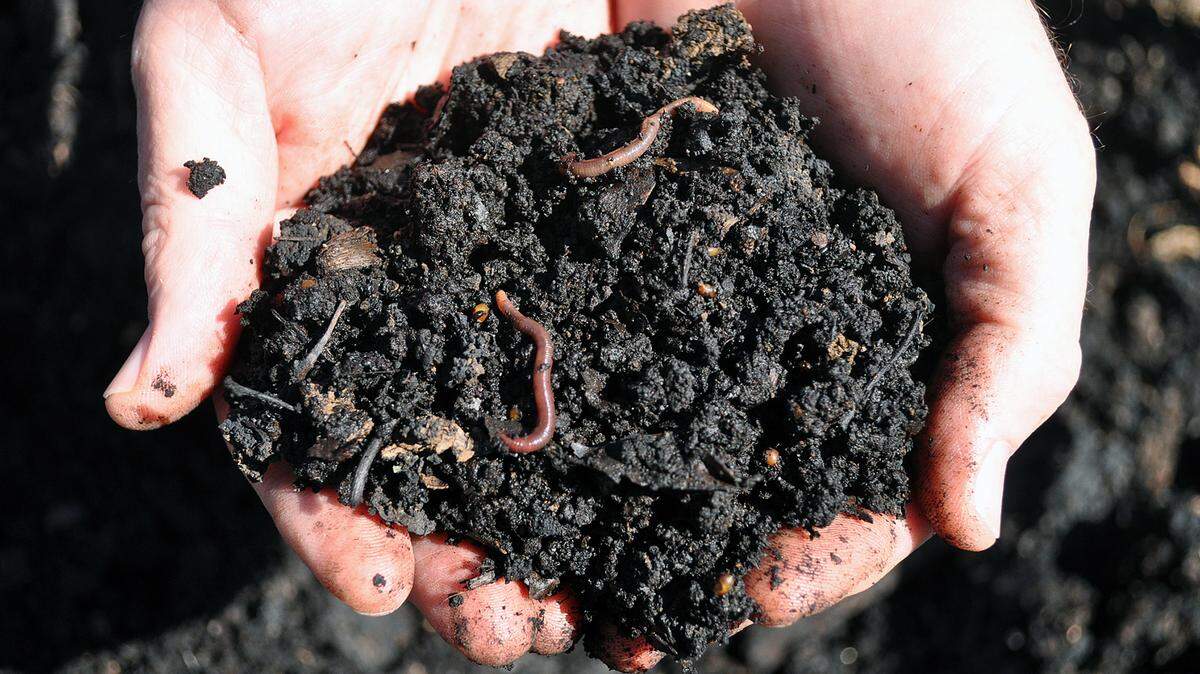
For decades, Earth Day has been a stage for environmental movements and conservation efforts. For this year’s Earth Week, the Sedgwick County Conservation District will be holding daily events and demonstrations about the importance of soil.
The events span April 17-24 and will include art demonstrations, gardening presentations, and meals. But the pièce de résistance will be Soil Stories, a series of 20 videos, audio and written stories from local people about how they use their land.
“It’s hard to convince people to conserve or care about something you don’t care much about,” said Catherine Johnson. “I hope by having these events and conversations, people will be inspired to care for the soil and look at it in a new way.”
Soil Stories will feature insights from family farms, tips on growing native plants, and a talk by Ponka-we Victors, a Kansas state representative, discussing the Ponca tribe and how tribe members used the soil, treated it and revered it.
“I wanted it to be stories of connection without judgment of how people use the soil. A lot of the people we interview are stewards of the soil and that’s something to be celebrated,” Johnson said. “Soil is something that we all have contact with, whether we realize it or not. It’s not just about farmers.”
The Soil Stories events will be presented and archived on the event’s website www.sedgwickcountysoilstories.org, as most of the events will be virtual due to the COVID-19 Pandemic. The project was funded through a grant from Humanities Kansas, a non-profit dedicated to telling local stories.
Brenda Matson, the Sedgwick County Conservation District Manager, and Johnson are putting together the Earth Week events. Johnson is the former conservation district manager who started the project and has since volunteered her time to help finish it.
The week of events will kick off on Saturday, April 17, with a “Soil-to-table” carryout meal, a four-course meal that will serve four and cost $100. The meal will be prepared by Nick Korbee, the chef and owner of First Mile: Kitchen which will open this summer, and the dishes will feature local ingredients
Participants will pick up their meal in a compostable container, and then tune in to a panel of farmers who grew the ingredients and Korbee, and will be moderated by Dr. Russell Fox, a Friends University professor who teaches courses on sustainability.
“I think it’s really fun to be eating something and see an arugula leaf and hear the person who grew it, their family history, why they grow that plant and why it’s important to them,” Johnson said.
For the past few months, Matson has been experimenting and creating paint with soil, and on Monday, April 19, Becka Jahelka, a local artist will put those paints to the test and give an online demonstration.
“I think that’s something that people don’t know they can do, and yes, it’s a bit labor-intensive, but it’s a way to interact with your environment and create art,” Johnson said.
Gardeners can learn more during a panel about gardening during the pandemic at 5 p.m. on Tuesday, April 20 and during a composting demonstration video on Wednesday, April 21, posted on the website. The panel will be live-streamed on Facebook.
Soil art will continue on April 23 with a demonstration video of a soil pendulum. Mike Miller, a local artist who does a lot of art in motion and sculpture, built a clay vessel, filled it with soil, and mounted it in a grain silo. As he swings the vessel, it creates a pendulum and leaves a unique soil pattern on the floor.
That afternoon, the Great Plains Nature Center will host a Facebook Life presentation called “Adventures in the Rhizosphere,” where they show the “upside-down rainforest” of root systems and closeups of various soil invertebrates found in Kansas grasslands.
At the Old Town Farm and Art Market on April 24, the conservation district will set up a booth for a final event where people can try soil painting for themselves, learn more about the Soil Stories project, and interact with a Rainfall Simulator, which teaches the importance of having a living root in the soil.
“It’s exciting that we can have one small in-person event because the image in my mind of people standing together, engaging in something that brings everyone in the county together, has carried me through this project,” Johnson said.