
Bald eagle shot, killed near Marion Reservoir
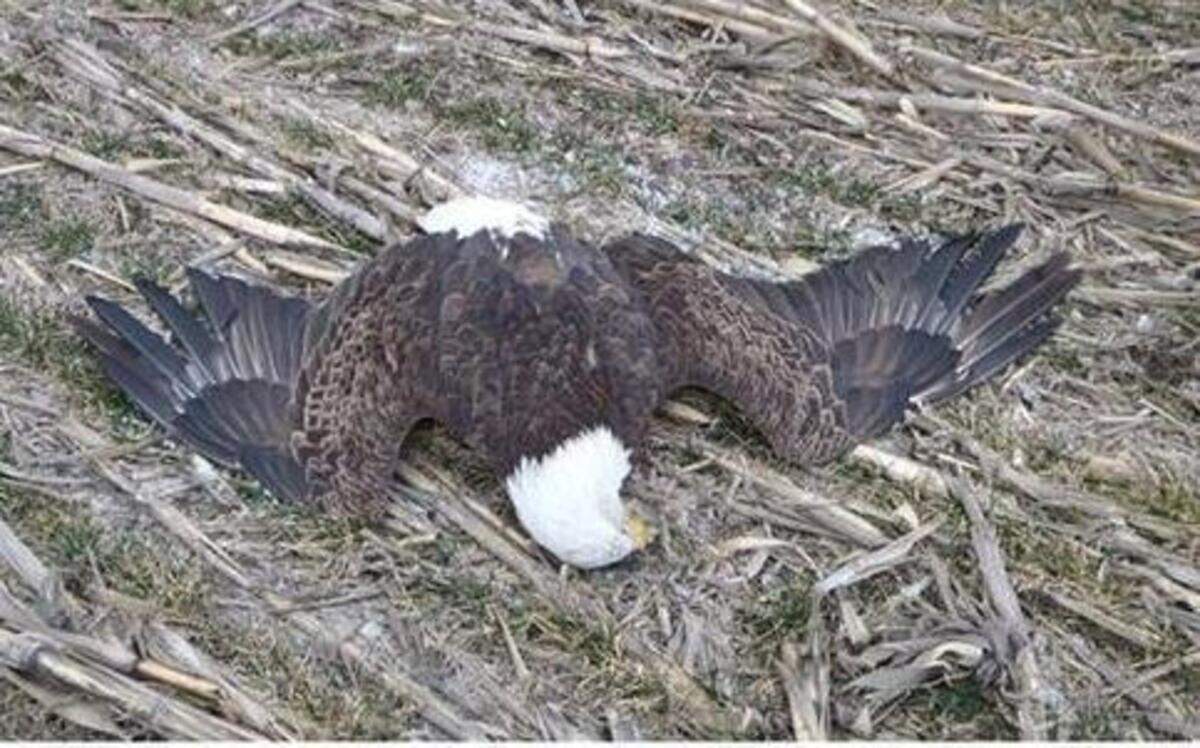
State and federal officials are looking for information in the death of a bald eagle near Marion Reservoir, between Hillsboro and Marion, about 60 miles northeast of Wichita.
Game wardens with the Kansas Department of Wildlife, Parks and Tourism posted photos Thursday on their Facebook page, asking for the public’s help.
The post read: “Kansas Game Wardens are seeking the public's help. This adult Bald Eagle that was shot and killed below Marion Reservoir's dam sometime Wednesday morning (February 4, 2015). Anyone with information is asked to call Operation Game Thief at 877-426-3843. You can remain anonymous.”
Kevin Jones, Wildlife and Parks law enforcement chief, said U.S. Fish and Wildlife Service game wardens usually control such investigations. Though bald eagles were removed from the federal threatened and endangered species lists in 2007 because of population increases, the birds are still protected under the nation’s Bald and Golden Eagle Protection Act, which was created in 1940.
“It’s not really a common occurrence, but we do have people shooting eagles in Kansas,” Jones said. “Each year we have a few instances.”
Kenny Kessler, a U.S. Fish and Wildlife Service game warden from northeast Kansas, said those convicted of shooting bald eagles can face misdemeanor or felony charges, depending on several circumstances. Most cases involving someone shooting an eagle with no premeditation results in the misdemeanor charges, which can still carry fines up to $100,000 and one year in jail.
Poachers may face felony charges if they’re a repeat offender, shoot two or more eagles their first time, or if they’re trying to profit from the crime, like by selling feathers. Felony penalties can climb up to $250,000 and two years in jail per individual involved. They can also be forced to forfeit any equipment used in the crime.
“If they were driving down the road, and somebody shot a bald eagle out of the back of the truck, we could possibly seize the truck and firearms,” Kessler said.
Once headed to extinction mainly because of poisoning by the now-illegal insecticide DDT, the bald eagle population in the lower 48 states was down below 500 nesting pairs in the early 1960s, according to the U.S. Fish and Wildlife Service. Now, there are more than 5,000 nesting pairs in the same region, according to Defenders of Wildlife news releases. The North American population is estimated at 70,000 or more birds.
Migrating bald eagles are common fall and winter visitors to Kansas, where they feed on flocks of migrating ducks and geese, and fish from rivers, lakes and ponds. Under ideal conditions, up to 20 or more may be seen within the Wichita city limits, usually near the Arkansas River. Most federal reservoirs, like Marion, host a dozen or more bald eagles through the winter.
This spring Kansas may have 100 active bald eagle nests for the first time in modern history.
Contributing: Joshua Wood of The Eagle.
Reach Michael Pearce at 316-268-6382 or mpearce@wichitaeagle.com.
This story was originally published February 5, 2015 at 2:19 PM with the headline "Bald eagle shot, killed near Marion Reservoir."