
Is pot ordinance valid?
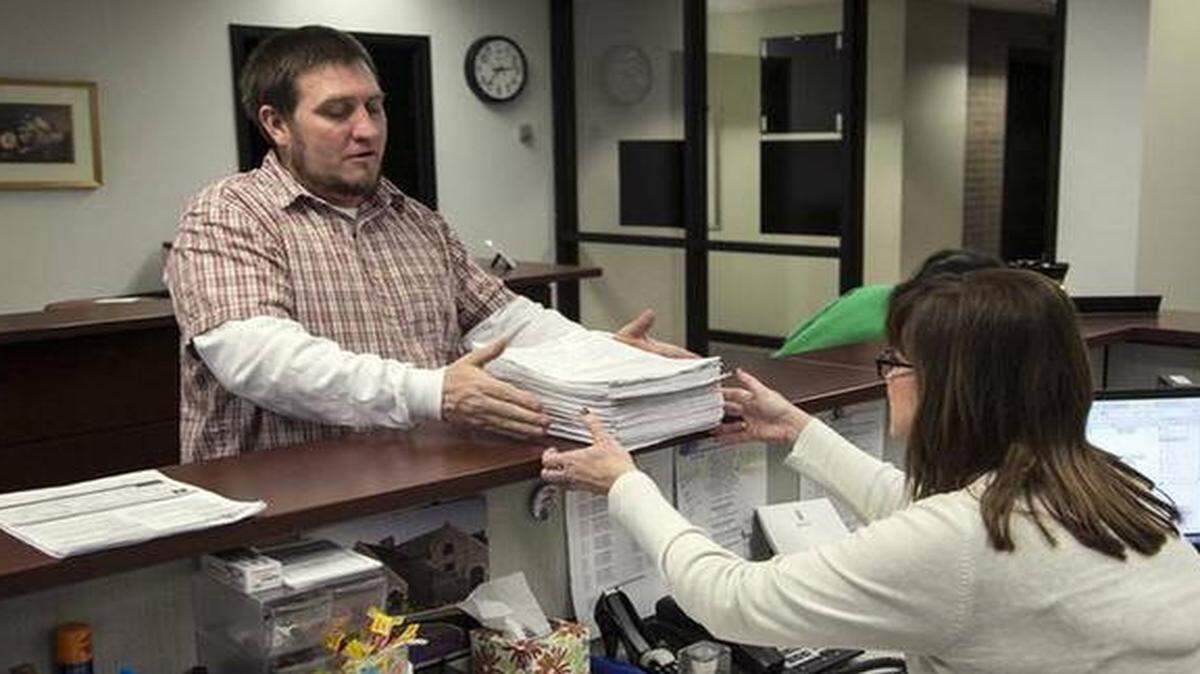
The Wichita activists behind the Marijuana Reform Initiative are due credit for their successful second try at a petition drive, which found significant support in the community for lessening the criminal penalties for first-time possession.
But because the proposal would appear to conflict with state law, the Wichita City Council would be unwise to either approve the ordinance outright or send the question straight to voters on the April 7 ballot of the municipal general election.
The best option available to the council on Tuesday’s agenda is to file an action in Sedgwick County District Court seeking a quick opinion as to whether the proposed ordinance is valid. If the court decides it is, the question could still go to voters, according to the City Attorney’s Office (though Sedgwick County Election Commissioner Tabitha Lehman might have to push back her Feb. 9 deadline).
“If the ordinance is determined not to be valid by the court, it would not have to go onto the ballot,” Sharon Dickgrafe, interim city attorney, told The Eagle editorial board Monday, explaining that Attorney General’s Office opinions and other cases in the state have said “there is no duty of a city to put an unconstitutional initiative on a ballot.”
Proponents want to amend the city code to make a first-offense possession of 32 grams or less and/or drug paraphernalia related to marijuana a criminal infraction with a $50 fine – not, as it now is in state law, a misdemeanor with a maximum penalty of $2,500 and a year in jail. They collected the signatures of at least 3,000 qualified voters in support of the measure.
But as the materials accompanying the council’s agenda put it, “passage of the ordinance by the general public will not cure any legal issues posed by the proposed ordinance” and if the proposed ordinance “is found to conflict with state law, it would be void.”
Council members should try to avoid taking Wichita down the road of passing an unenforceable marijuana ordinance that would end up being just for show. Before passage of such a reform, citizens also would need to hear from law enforcement and the medical community about its potential impact on public safety and health.
Meanwhile, the proponents of the local reform should realize that the best venue to press for change remains the Statehouse, which saw a sizable show of support last week for allowing medical marijuana but also testimony warning of increased underage use and drug addiction and a lack of regulation.
“The ice is beginning to thaw,” said state Sen. David Haley, D-Kansas City, of lawmakers’ level of interest in legalizing medicinal marijuana.
But if pot is destined for decriminalization in Wichita and Kansas, for legal and regulatory reasons it still seems likely to happen later rather than sooner.
For the editorial board, Rhonda Holman
This story was originally published January 26, 2015 at 6:07 PM.