
Reduce size, units of government
Republican state lawmakers say they favor smaller and more efficient government. They should demonstrate it by significantly reducing the amount of government at the state and, where they can, local levels.
Kansas has more units of government (nearly 3,900) than all but four states. And those other states (California, Illinois, Pennsylvania and Texas) have much larger populations.
Among those units of government are about 1,300 townships – nearly the same number as the state had in 1930, even though the percentage of population in rural areas has dropped by more than half. Kansas also has nearly 700 cemetery districts, even though cities and counties could provide the same services.
Eliminating many of the special districts wouldn’t save much money, as their budgets often are small and the services still would need to be provided. But the efficiencies could add up.
One reorganization that could save significant money is consolidating school districts, particularly administrations. But Gov. Sam Brownback said during his re-election campaign that he opposed forced consolidation, and many lawmakers are afraid to even discuss the idea.
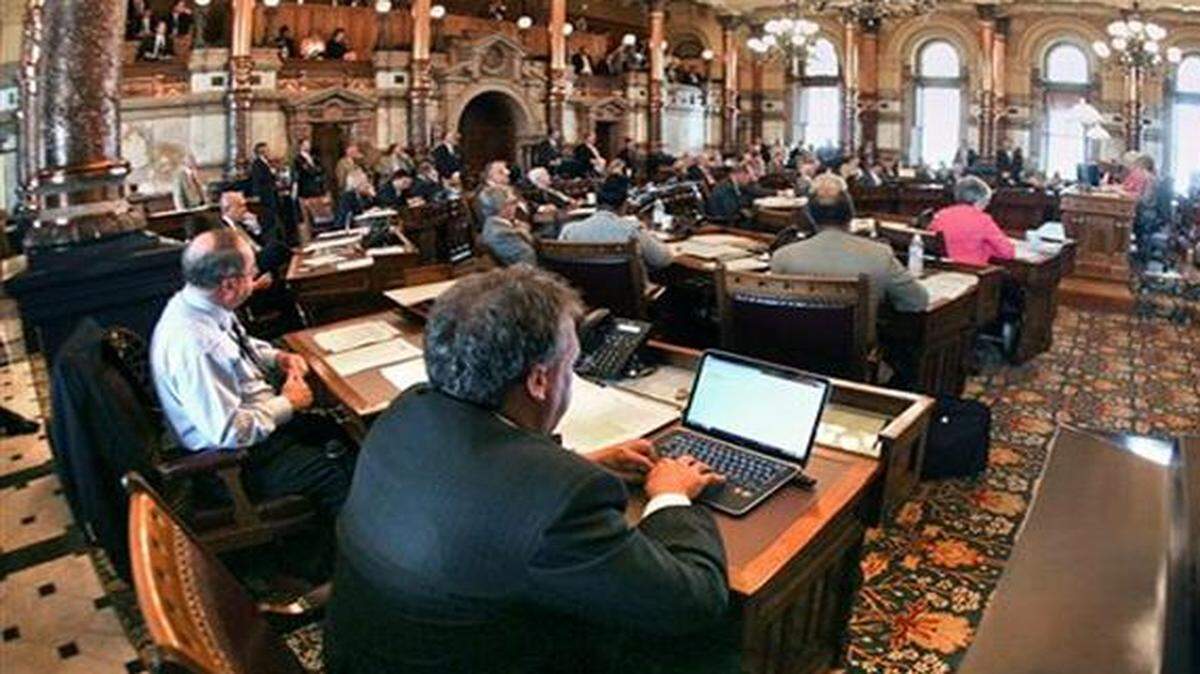
Lawmakers also could reduce the size of the Legislature. Kansas is 33rd in population among the 50 states but has the 17th-largest Legislature, with 165 members, according to 2010 figures. Those lawmakers serve a population of about 2.8 million, or one lawmaker for about every 17,000 residents – which is the 15th lowest among the states.
In comparison, Nebraska has only 49 representatives in its one-House system, and Nevada (which has about the same population as Kansas) has only 63 members in its Senate and House. California has more than 37 million people yet only 120 total legislators – or one lawmaker per about 308,000 residents.
Consolidating government is not a new idea. In 2011, former state Sen. Chris Steineger, R-Kansas City, proposed reducing the size of the Kansas House and Senate by a fourth, which he estimated would save the state about $2 million a year. He also proposed dramatically reducing the number of counties, going from the current 105 counties to perhaps as few as 13.
As with other attempts to reduce government, Steineger’s proposal went nowhere.
But the Legislature is under new pressure. The state is facing a budget shortfall this fiscal year and next of more than $750 million, and many lawmakers want to avoid a tax increase if at all possible.
These lawmakers campaigned on smaller, limited government. They have supermajorities in both houses. If they won’t consolidate government now, then when?
For the editorial board, Phillip Brownlee
This story was originally published December 3, 2014 at 6:07 PM with the headline "Reduce size, units of government."