
Kansas tax increases: Many options, little consensus
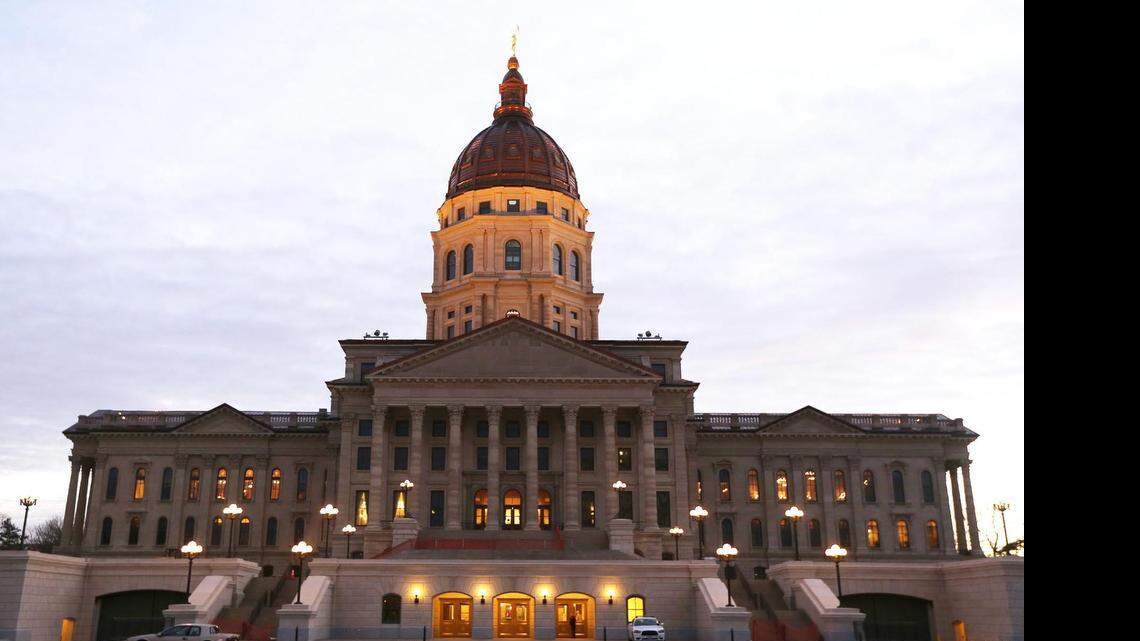
Most Kansas lawmakers say they need to find ways to bring more revenue into the state treasury. There are lots of ways to do that, but there’s little agreement on the path forward.
Three years after Kansas legislators ended a marathon session by slashing state taxes, their successors must put at least some of the toothpaste back in the tube.
The 2012 income tax cuts – passed and signed after weeks of often bitter debate – have yet to accelerate the state’s economic growth enough to replace the lost revenue.
As a result, Kansas faces a budget shortfall of $800 million or more in the fiscal year that starts in July, a deficit lawmakers are required by law to fill. Some of it can be covered this time around by budget cuts, one-time transfers and borrowing, but about half remains unaccounted for.
Lawmakers now are meeting to figure out how to close the gap.
Some inside and outside the Legislature think state spending can be cut more to make up the difference.
“We’re simply spending too much everywhere,” said Dave Trabert of the Kansas Policy Institute, a frequent critic of government spending. “It’s across the board. Ask anyone if they think government operates efficiently.”
But some Republican leaders say they have found as many efficiencies as they can and that higher revenue must be a part of any workable budget package. That’s especially true, they say, because Kansas has used up most of its one-time tricks to cover previous deficits.
“Moving money in from the highway fund, or borrowing for pensions – you can do that,” said Duane Goossen, a former Kansas budget director who writes about the state’s fiscal woes. “It will help you in the year that you’re doing it, but it doesn’t fix it.”
Gov. Sam Brownback has said he is open to some tax hikes and tax simplification in order to close the budget hole.
“We can’t print money, and we can’t deficit spend,” he said recently. “What we don’t want to do is hurt growth” by raising income tax rates.
Brownback said he may offer a new package of tax measures soon. State legislators are also meeting privately to discuss revenue proposals. They’re expected to release the outlines of a plan next week.
Their work is enormously difficult. Not only is the budget gap huge, but interest groups – farmers, businesses, educators, advocates for the poor and middle class – fiercely defend parts of the current tax structure.
Little appetite exists for raising income tax rates, or fully reversing the 2012 tax cuts. Republicans, who control both houses in the Legislature, still believe the reductions will eventually bring enough growth to pay for needed state services.
And Brownback would likely veto any reversal of his signature achievement. He has signaled some support for slowing tax rate reductions in future years.
But some interest remains in raising money other ways: sales taxes, closing loopholes, perhaps a tax on tobacco or gasoline.
We recently reviewed several tax increase proposals now under discussion in Topeka, examining ways in which money might be raised and how much the increases might bring in.
Finding the precise formula for raising between $400 million and $800 million more each year will take time and compromise, lawmakers and lobbyists said. Most seemed optimistic that some solution is possible.
“This is really a process,” Brownback said. “A much-engaged discussion, back and forth.”
To reach Dave Helling, call 816-234-4656 or send email to dhelling@kcstar.com.
10 budget options
Here are 10 ways the Kansas Legislature could raise funds to cover the state’s $800 million budget deficit. Each is based on a specific proposal offered as a bill in the current session, or on published reports.
Lawmakers think half of the deficit, about $400 million, can be paid for with one-time transfers and budget manipulation. The remainder requires additional spending cuts or tax increases.
The estimates are based on figures compiled by the state’s budget office and on other published reports. The final revenue figure would depend on the specific language of any increase approved by lawmakers.
1. Increase sales tax from 6.15 cents to 6.3 cents
Raises: $71.5 million
Likelihood: Raising the sales tax may be seen as the most painless way to raise revenue – it would add 15 cents to a $100 purchase. But it would be a tough vote for legislators who have promised not to raise taxes, and it would disproportionately hit the poor. Brownback has broadly endorsed a shift to sales taxes.
2. Increase property tax from 20 mills to 30 mills
Raises: $307 million
Likelihood: Such a massive property tax hike would solve the budget crisis but create a political one. Some sort of small property tax increase might be possible.
3. Increase tobacco, alcohol taxes
Raises: $108 million
Likelihood: Brownback supports raising the cigarette tax $1.50 a pack and hiking taxes on booze, too. Kansas City-area legislators think the increases will just chase customers into Missouri. A smaller tobacco tax hike may be part of a final package, though, sold as a health measure.
4. Tax amnesty
Raises: $30 million
Likelihood: An amnesty – allowing Kansans to pay back taxes without penalty – would be easy, but some lawmakers think it would bring in much less than $30 million. And it only works every five or six years, so it isn’t a permanent answer.
5. Remove sales tax exemption for natural gas and electricity
Raises: $156 million
Likelihood: It would raise lots of money, but increasing winter heating bills would be unpopular.
6. Change tax assessments for farm property
Raises: $172 million
Likelihood: There is some enthusiasm for increasing property taxes on farm land – in urban areas. West of Topeka, them’s fightin’ words.
7. Change calculations of passive investment gains/losses
Raises: $65 million
Likelihood: Brownback has suggested he’d support elimination of some tax deductions – a broader tax base, he says, with lower rates. The final tax package will likely include some provisions that ding the wealthy, especially if sales taxes are raised too.
8. Increase fuel tax 5 cents per gallon
Raises: $80 million
Likelihood: Raising gasoline taxes may make the most sense as policy, because the price of gas is so low. But it’s another tax that voters would see, every time they fill up. The money would go to the highway fund, but that would presumably free up additional cash to transfer to the general fund.
9. Close the pass-through income exemption for individuals
Raises: $110 million
Likelihood: GOP legislative leaders have said the parts of the 2012 tax cuts that exempted more than 300,000 small business owners from any state income taxes probably went too far. There are various proposals for rolling back those tax cuts, although business groups are lobbying fiercely to keep them intact. The chances for success of any final tax package may hinge on whether negotiators can bridge the gap between conservatives, business interests, the governor – and the calculator.
10. Raise fees on health maintenance organizations
Raises: $136 million.
Likelihood: Increasing a so-called “privilege fee” for HMOs would help cover the deficit, but insurance companies are fighting the idea. They say it would raise their costs, hike customers’ premiums and treat insurance companies unequally. A smaller increase is possible. If this plan is rejected, though, the budget shortfall could be higher than expected.
This story was originally published May 1, 2015 at 6:36 PM with the headline "Kansas tax increases: Many options, little consensus."