
Kansas House panel debates measure on campus religious protections
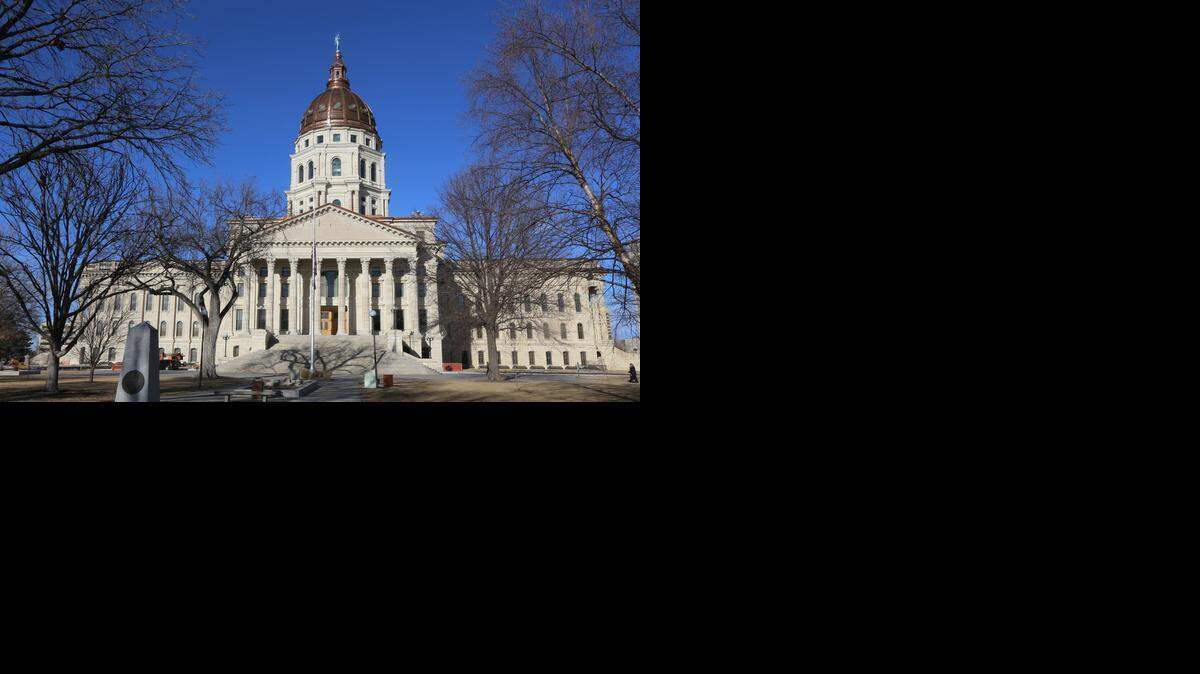
Kansas lawmakers sparred Monday over whether a bill would safeguard against religious discrimination on college campuses or give student groups the power to discriminate on religious grounds.
SB 175 was drafted in response to colleges in other states, including the California State University system, de-recognizing student religious groups that refuse to comply with nondiscrimination policies. It has already passed the Kansas Senate.
The bill would prevent the state’s public universities and community colleges from penalizing religious groups that require members to adhere to the group’s “sincerely held religious beliefs.”
Colleges could not prevent use of campus facilities or withhold funding for extracurricular activities from student religious groups that refuse to adopt an “all comers” policy. Groups would have standing to sue if universities tried to enforce a penalty.
Rep. Stephanie Clayton, R-Overland Park, scrutinized the phrase “sincerely held religious beliefs” during a Monday hearing of the House Federal and State Affairs Committee. She asked who would be able to make the determination about whether the beliefs were sincere.
Jason Long, the committee’s revisor, who provides legal analysis of bills, said the U.S. Supreme Court has shied away from making a clear definition, and courts generally assume the beliefs are sincerely held.
Clayton then asked whose sincerely held beliefs would have standing if a Presbyterian group wanted to exclude a student who considered herself Presbyterian but who didn’t meet the group leader’s definition. Long said the bill did not deal with the dispute between the students but only ensured that the university could not take action against the group.
Rep. Don Hineman, R-Dighton, asked as an example that if he re-enrolled in college, could a group exclude him if it had a sincerely held religious belief against “old white guys.” Yes, Long told him.
Sen. Steve Fitzgerald, R-Leavenworth, who sponsored the bill on the Senate side, testified that the bill preserves the status quo by ensuring that campus religious groups couldn’t be forced off campus, as they have been at colleges in other states. But Rep. Valdenia Winn, D-Kansas City, objected and said the status quo is openness and nondiscrimination.
Winn pressed Fitzgerald on whether this would allow campus groups to discriminate and asked him to give a “yes” or “no” answer.
He instead posed a hypothetical scenario about satanists trying to take over a Christian group at a university and said the bill would protect religious organizations from being undermined by members who do not share its beliefs.
Michael Schuttloffel, executive director of the Kansas Catholic Conference, said it was common sense to expect a Catholic group to be led by a Catholic or that members of a Baptist group profess faith in Jesus Christ. He said that “academic elites” were targeting religious groups whose beliefs they oppose and were using nondiscrimination policies to engage in religious discrimination.
“These schools are not interested in forcing the college Republicans to accept Democrats as leaders,” Schuttloffel said. “They’re not interested in forcing sororities to accept men.
“They are, however, interested in kicking Christian student groups off campus. They do it under the banner of nondiscrimination, but in fact the entire point is to discriminate against the beliefs they do not like.”
However, Micah Kubic, president of the Kansas chapter of the American Civil Liberties Union, said the issue was not whether religious groups had the right to exclude but whether they should have the right to public funding if they choose to discriminate.
He said the legislation would allow groups to discriminate based on race, gender or able-bodiedness – as long as the belief was rooted in religion – and still receive public funding.
The Catholic Conference and other religious groups, such as the InterVarsity Christian Fellowship and Christian Legal Society, came to Topeka to support the bill.
But other faith leaders came to Topeka to testify against the legislation.
The Rev. Carolyn Schwarz, senior minister at the Pine Valley Christian Church in Wichita, said the legislation would tie universities’ hands in the event of discrimination and that it would actually impede some students’ religious freedom by allowing groups to exclude them.
“Mean-spiritedness masked as religious freedom is still mean-spiritedness,” Schwarz said. “Intolerance masked as religious freedom is still intolerance.”
The Rev. Jackie Carter, minister at the First Metropolitan Community Church in Wichita, a denomination that embraces gay rights, said she has counseled gay and lesbian students who have been asked to leave Christian groups because of their sexual orientation.
Rep. Steve Brunk, R-Wichita, told Carter he was flummoxed by her testimony and asked her what would preclude these students from joining another group or starting their own. He said the point of the bill was that students should get to decide which groups they join rather than government or the university.
“That’s right,” Carter responded. “And if I want to be a member of Campus Crusade for Christ because I believe in that, but yet the people that are in Campus Crusade for Christ have some deeply held religious belief that lesbians can’t be Christians, then I get excluded.”
The topic of religious freedom has gained national focus in recent days after Indiana Gov. Mike Pence signed a bill that critics say will allow for discrimination against gays in the name of religious freedom.
Pence’s decision to sign the law has sparked calls to boycott Indiana and petitions aimed at persuading the NCAA to move the NCAA men’s basketball championship from Indianapolis. Several tech companies have also canceled plans to expand business in Indiana.
Last year, the Kansas House passed a similar bill that would have allowed workers in both the public and private sectors to refuse to serve same-sex couples based on religious beliefs about marriage. The Senate scuttled the bill after it sparked controversy similar to the one now faced by Indiana.
Reach Bryan Lowry at 785-296-3006 or blowry@wichitaeagle.com. Follow him on Twitter: @BryanLowry3.
This story was originally published March 30, 2015 at 1:20 PM with the headline "Kansas House panel debates measure on campus religious protections."