
Discussing school funding by the numbers
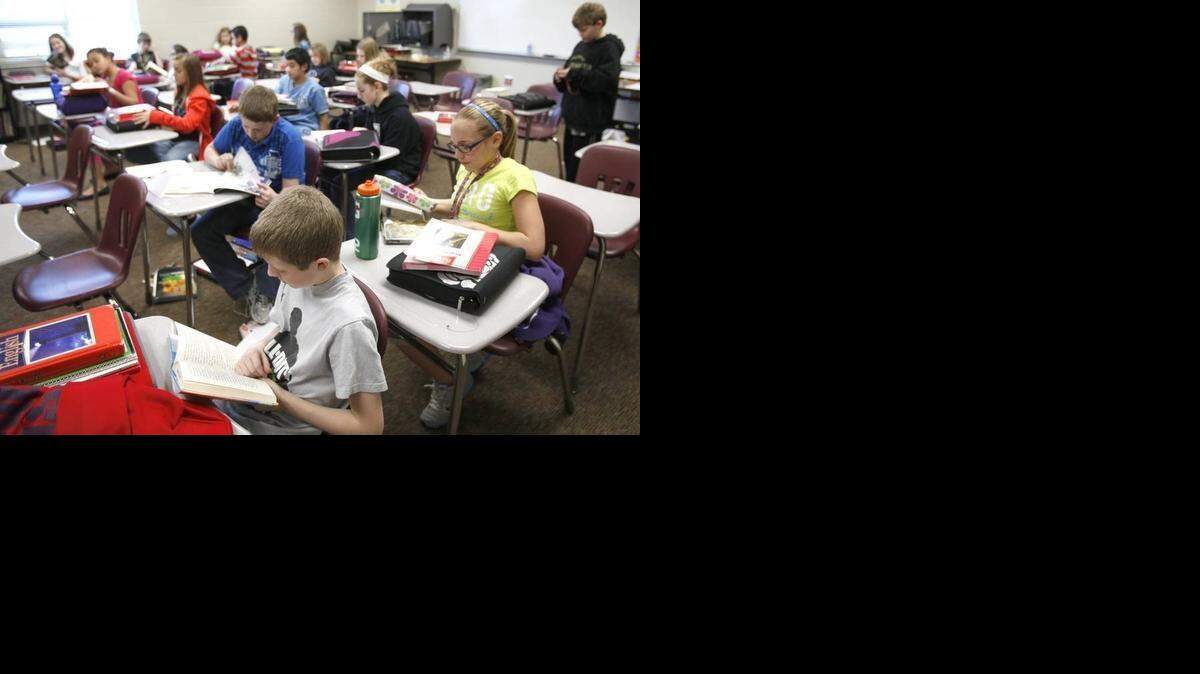
Gov. Sam Brownback’s decision to reduce school funding for the current year by $28 million, or 1.5 percent, after previous promises to safeguard education dollars has sparked debate.
Some lawmakers and residents have expressed anger over the cut to the schools’ current-year budget, but others agree with the governor that school spending ought to be reined in and say this offers an opportunity to reform the state’s school finance formula.
Here are some numbers to consider when discussing school funding.
$3,811
That’s the amount of base state aid per pupil after the governor’s reduction, a decrease of about $41 from what was budgeted for the current year and a decrease of $27 from what was budgeted last year. This number does not reflect the amount of aid schools get per child but rather the number that is plugged into the school finance formula to determine how much aid each district receives.
Base aid peaked at $4,400 per student in 2009. In December, a three-judge panel ruled the state was unconstitutionally underfunding schools and recommended that base aid should be increased to nearly $5,000.
459,700
That’s the estimated number of public school students in Kansas for the current school year, according to the state’s Legislative Research Department. It’s an increase of 1,376 students from last year. The Wichita school district accounts for about a tenth of the state’s total students. However, the state uses a weighting system so that school districts receive additional money based on specific needs, such as a high number of at-risk students or higher transportation costs, by weighting some students more heavily. This system artificially increases the number of students statewide to 682,500.
$8,793
That’s the average amount of state aid per student after the governor’s cut goes into effect if weightings are disregarded and the actual number of students is used. Before the cut, the number would have been $8,854 for this current school year. This number, taken from the governor’s budget, reflects general state aid to schools, special-education aid, supplemental aid, money for capital improvements and money spent on teacher’s pensions. Last year, the amount of state aid per student was $8,431.
-$61 vs. +$362
The governor reduced funding by an average $61 per student for the current school year. But conservative legislators point out that the overall amount being spent on education remains higher than last year by an average of $362 per student even after the reduction.
-$65.5 million
That’s how far off the state is from its tax revenue estimates for the current fiscal year as of January. That’s after the state revised its estimates and lowered expectations in November, projecting a $279 million shortfall through June, when the fiscal year ends, which the Brownback administration tried to close without any impact on schools. (The state is delaying road maintenance projects and reducing contributions to the state pension system to keep operating through the end of June.)
The state missed expectations by $47 million in January, prompting the decision to reduce education funding. If the state continues to miss estimates, more cuts could be on the horizon for education and other services.
$14.8 million
That’s the amount the Wichita school district has in its contingency reserves. That would be enough to cover the district’s operating expenses for about 10 days, according to a district spokeswoman. The district loses about $3 million in the governor’s reduction. The Brownback administration and many Republican lawmakers have called on districts to spend down their reserves to make up for loss in funding.
Reach Bryan Lowry at 785-296-3006 or blowry@wichitaeagle.com. Follow him on Twitter: @BryanLowry3.
This story was originally published February 9, 2015 at 6:44 PM with the headline "Discussing school funding by the numbers."