
Bob Lutz: Wichita State’s NCAA appeal vanishes into thin air
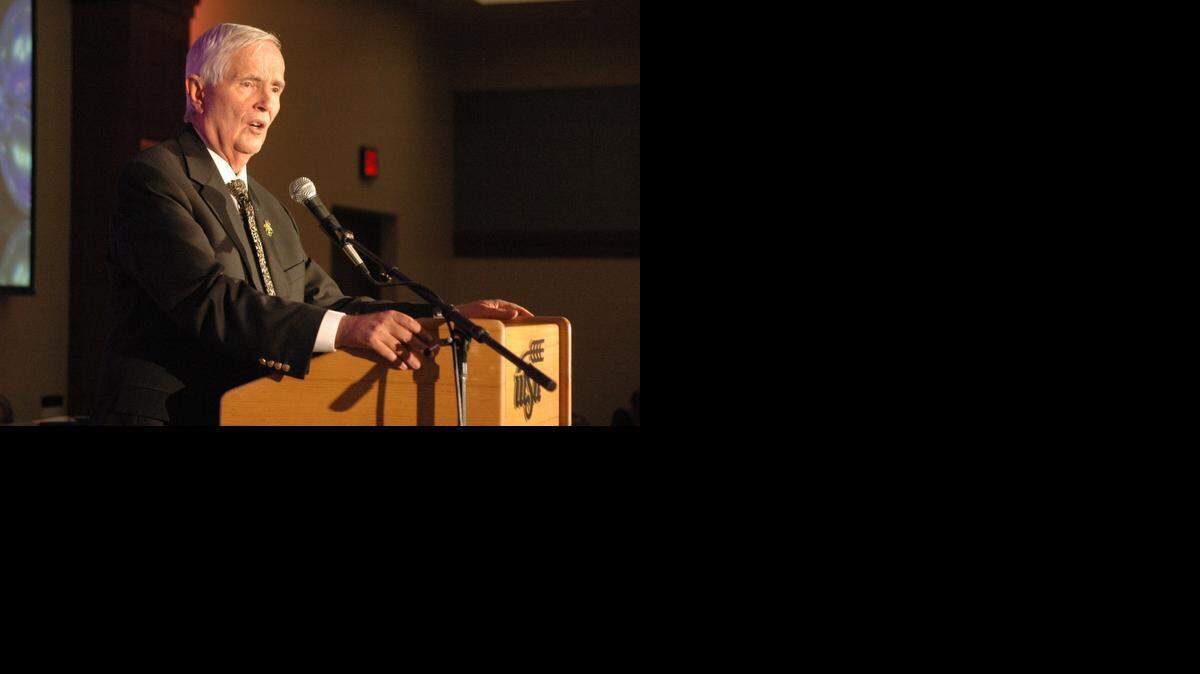
When Wichita State president John Bardo announced his intention last month to appeal the NCAA’s ruling to vacate as many as 74 Shocker baseball wins from the 2012 and 2013 seasons, he left no gray area.
An appeal would happen. End of story.
Except, it turns out, that appeal isn’t going to happen. Add Bardo’s indecisiveness to a growing list of head-scratchers surrounding the NCAA’s punishment after its finding that 21 Shocker players received impermissible clothing discounts through a baseball program account.
In some ways, this seems like much ado about nothing. Except that there clearly are rules against NCAA athletes receiving discounts on merchandise that are not available for the rest of a student body. We get it, the Shockers messed up.
In its ruling, however, the NCAA went out of its way to absolve former Wichita State coach Gene Stephenson from wrongdoing and tread lightly on former administrative assistant Shelley Wombacher, whose use of a VIP account provided by the program’s apparel provider was at the crux of the issue. Who exactly is to blame here?
Stephenson, who was fired after the 2013 season, said Wednesday he will file an appeal with the NCAA, though he doubts it will succeed. He’s second on the career wins list for Division I coaches with 1,837, though Florida State’s Mike Martin needs 25 wins this season to pass him.
Former Shocker players Johnny Coy and Kris Gardner said Wednesday they were dismayed by the decision not to appeal and wonder how the reversal came about. Well, don’t we all? So far, though, Bardo and Wichita State athletic director Eric Sexton have not shed light on why they backed off.
“I was just sitting back, waiting to hear the results of the appeal,” said Coy, a Shocker from 2010-13 and now a coach and teacher in his hometown of St. Joseph, Mo. “Then I got an e-mail last night before a game that they had decided not to appeal. I was shocked and confused about what is the reason for that.”
Gardner, a pitcher for the Shockers from 2011-14 who now is a senior at St. Mary’s University in San Antonio, also expressed dismay at the decision not to appeal the NCAA’s ruling.
“I read a little bit about how President Bardo said he didn’t think it was beneficial to appeal or that they couldn’t win, but I think there’s an underlying principle to it,” said Gardner, one of the players who received an apparel discount. “You’ve got to stick up for your past players, past coaches and your baseball program in general. Whether an appeals process does that or not, I don’t know. But I don’t think it could hurt.”
That’s the thing: What’s the drawback to an appeal? So the NCAA says no. At least the president of the university and athletic department administration have stood up for the athletes, who seem to be the biggest victims in all of this.
Sorry, I don’t see Stephenson or Wombacher as victims. The experienced Wombacher should have known better and Stephenson, though expressing that a bad back limited his time in the office during the time frame in which the violations were happening, was the “buck stops here” guy in the baseball program. If he wasn’t aware of what was happening, he should have been.
The players, though, were doing what players in any program in America would have been doing. They were taking advantage of a discounted price on some really cool stuff, including shoes and hunting gear.
Presumably, Wichita State will return to the tedious process of retracting statistics from the players who were cited, amounting to lost seasons or parts of seasons for them. It seems extreme and I’m hard-pressed to think the NCAA wouldn’t have at least heard an appeal on that item alone.
Bardo, in a statement released Tuesday, stated several times that he disagreed with the NCAA’s punishment. But he made it sound like the appeal process was too daunting.
“The standards under which such an appeal can be successful are very specific and while I may personally believe that the penalty requiring our baseball program to vacate its wins from the 2012 and 2013 seasons is too harsh for the violations found, I cannot conclude that the Committee on Infractions deviated from its authority or abused its discretion,” he said in the statement. “The Committee has the clear authority to impose such a sanction; I had hoped that it would not choose to do so.”
So why say you’re going to appeal in the first place? You didn’t say you might appeal. You didn’t say you would weigh options and determine the viability of an appeal. You said you would appeal, a stance supported just last week by WSU associate athletic director Korey Torgerson, who confirmed via e-mail that WSU would follow through with an appeal.
Bardo made it clear that his decision not to appeal was supported by counsel and not made on a whim.
Still, it’s hard to know exactly why WSU has dropped its appeal, especially considering the university’s strong reaction to the penalties when they were announced by the NCAA in late January.
A part of Bardo’s Tuesday statement is particularly interesting: “The student-athletes involved acted without guilty knowledge. It seems unfair to permanently tarnish the records they achieved as a team.”
Not unfair enough to mount an appeal, though. Until a better reason is given for this about face, it’s hard to grasp.
Reach Bob Lutz at 316-268-6597 or blutz@wichitaeagle.com. Follow him on Twitter: @boblutz.
This story was originally published February 18, 2015 at 4:57 PM with the headline "Bob Lutz: Wichita State’s NCAA appeal vanishes into thin air."