
Inside the Kansas outdoors
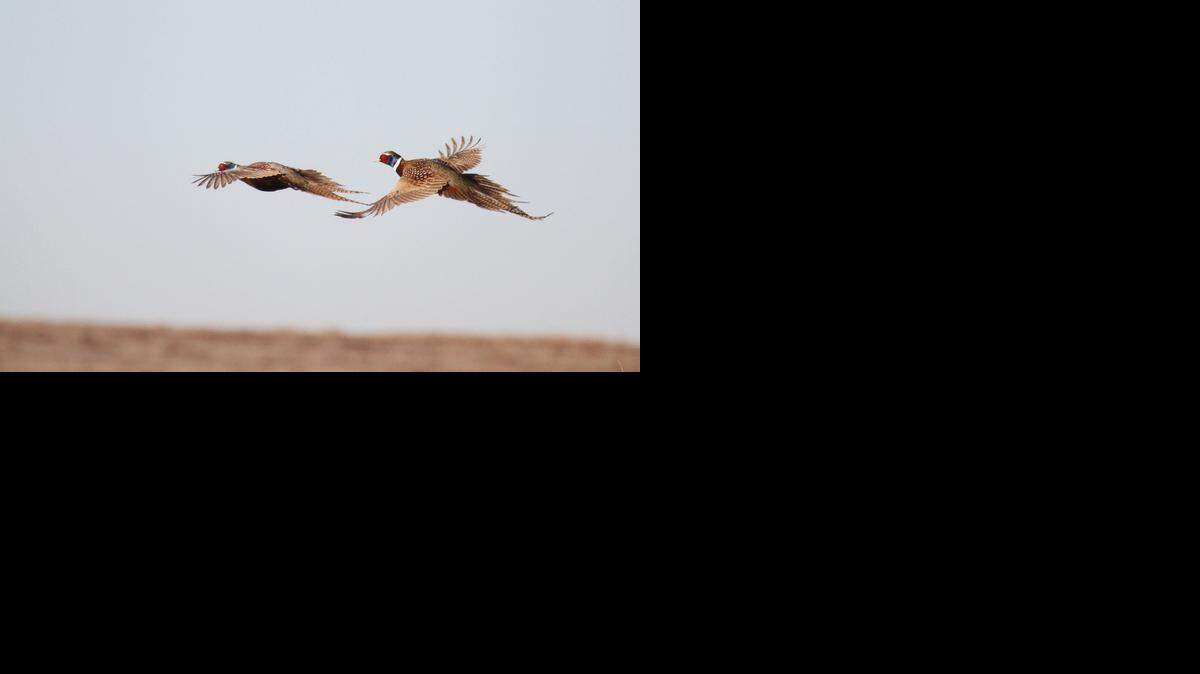
The Kansas outdoors had its share of big stories in 2014, including good news on pheasants and bad news on lesser prairie chickens. Looking ahead, potentially major stories are developing. Some are just continuations of last year’s sagas and some may seem to come out of the blue.
Lesser prairie chickens
The biggest splash in the Kansas outdoors last year was when the U.S. Fish and Wildlife Service listed lesser prairie chickens as a threatened species. The move caused widespread panic amid agricultural and energy exploration interests across much of western Kansas as they wondered the consequences. Sabers were rattled in Topeka as state politicians threatened lawsuits.
Well, 2015 should be the year to see how far the ripples caused by that splash reach. Hopefully, many uncertainties from 2014 will get answered.
Maybe Fish and Wildlife might finally have firm guidance for what can and can’t be done within lesser prairie chicken range. We’ll see if they issue expensive citations to those seen as partaking in illegal land-use practices that are now against the law.
More important is whether the birds begin benefiting from the new regulations and millions raised in mitigation payments from land users. Also, we’ll see if the feds reverse their trend of reducing funding for Conservation Reserve Program grasses when it’s well known lesser prairie chickens thrive within it.
I’m guessing the habitat-improving rains we had last summer will do the birds more good in Kansas than all the new regulations combined.
Some of the best news would be if Kansas drops threatened lawsuits that would pit our state tax dollars against our federal tax dollars. Hopefully we’ll hear no more about Gov. Sam Brownback’s proposed prairie chicken propagation program, which is an embarrassment within the American conservation community.
Habitat/drought
The future of Kansas pheasants, and pheasant hunting, could swing either way this year. After falling to historic lows in 2013 following several years of drought, the Kansas pheasant population used improved nesting conditions to begin a comeback last summer. A few timely spring rains could create enough habitat to get us up to “fair” populations in most areas. Another year of drought could quickly push the birds back to new all-time lows.
The birds will also need more help from Mother Nature. High grain prices and reduced CRP contracts has led to hundreds of thousands of acres that were once great habitat to be converted to croplands. Lower crop prices in 2014 stemmed that tide a bit. Higher grain prices in 2015 could lead to the kind of habitat loss even ideal nesting conditions can’t overcome.
Blue-green algae
I see blue-green algae as the quarter-ton elephant in the room our state is ignoring, even though it seems to be growing at least 100 pounds every year.
The problematic algae that carries toxins, plus a horrendous odor, began making news during the extreme heat and drought of several summers ago. More than a dozen lakes and reservoirs were basically closed to access and usage.
Yet while the summers haven’t been as hot or dry since, the problem continues and annually denies many thousands of hours of recreation to anglers, boaters and swimmers. The algae outbreaks have continued to make a serious hit on some state park revenues and local tourism incomes.
Some rumblings to get the state to correct the problem are already coming from around Milford Reservoir, where blue-green problems have sometimes converted Kansas’ largest, and sometimes busiest, reservoir into our version of the Dead Sea.
Getting things changed could mean lowering the usage of agricultural fertilizers, which many biologists blame for the severity of the outbreaks, within the drainages that feed the reservoirs and lakes. It could get complicated, as we all know the huge stick agriculture swings with Kansas lawmakers.
Wildlife and Parks budgets
Brownback’s request to remove $500,000 from the pledged $2.2 million in lottery funds for the state park budget represents about 5 percent of the budget.
But it’s a big 5 percent, assuming the legislature approves his request. Our parks have been walking the fine financial line for the last decade. While they’ve been kept open and the entry fees are a bargain for what is offered, if you look closely you'll see maintenance has been lacking in some areas because of budget and staff shortages.
This could have been the year when things saw significant improvement.
Park profits have been rising nicely the past few years, thanks to new marketing programs, good weather and the nearly magical ability of state park managers to stretch dollars out of dimes. While the possible loss of a half-million can now be absorbed, it would probably delay some improvements needed for a long time.
And that could be a huge $500,000 if bad weather on holiday weekends reduces park incomes this year.
On a related topic, pay freezes among Kansas Department of Wildlife, Parks and Tourism employees will continue to encourage good employees to pursue greener, and more lucrative, pastures in other states. Some divisions haven’t seen a true pay increase since some current employees were in middle school.
That’s a major reason Kansas has half as many game wardens as states of a comparative size. Sadly, that means we’ll probably have more stories on poaching in 2015.
This story was originally published January 4, 2015 at 5:36 PM with the headline "Inside the Kansas outdoors."