
Hunting preview 2020: Social distancing? Heck, it’s preferred in the wild, anyway
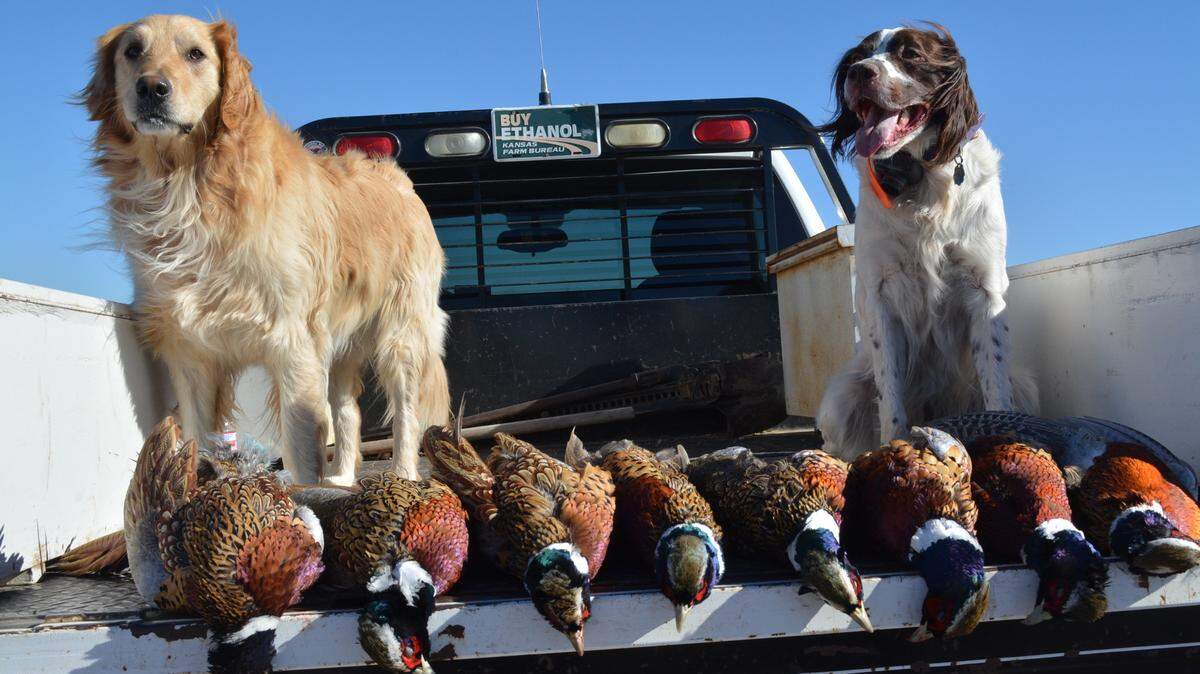
It’s time for hunters to socially distance and hit the woods, fields and marshes.
Fall is here, and that comes as a relief to many who have grown weary of trying to dodge COVID-19, the highly contagious virus that thrives on social contact.
So, go ahead and be anti-social, hunters. There will plenty of game to chase this year.
DEER
Missouri
Season dates: Archery: Sept 15-Nov. 13 and Nov. 25-Jan. 15. Youth firearms: Oct. 31-Nov. 1 and Nov. 27-29. November firearms: Nov. 14-24. Antlerless firearms: Dec. 4-6. Alternative methods firearms: Dec. 26-Jan. 5.
Outlook: The good times should continue for Missouri deer hunters. They’ve taken more than 285,000 whitetails in each of the last three seasons, and there’s little to indicate that the 2020 season won’t be at least as successful.
“Throughout the vast majority of the state, our deer herd is steadily increasing,” said Jason Isabelle, cervid program supervisor for the Missouri Department of Conservation (MDC). “We’re not at the level where we were at years ago, but we still have plenty of deer.”
The news is especially encouraging in the central region, where an outbreak of hemorrhagic disease in 2012 tool a toll on deer numbers. That region has recovered and is now sporting some of Missouri’s highest whitetail densities.
Hunters also can also expect to find good deer numbers in northern Missouri, where populations are rebounding as well.
Kansas
Season dates: Youth and disability: Sept. 5-13. Archery: Sept. 14-Dec. 31. Muzzleloader: Sept. 14-27. Pre-rut whitetail antlerless: Oct. 10-12. Regular firearms: Dec. 2-13.
Outlook: Forget that stereotype about deer needing timber to survive. Whitetails thrive in Kansas grasslands where trees are at a premium.
“I am amazed at the number of deer that comes out of parts of the Flint Hills, where the only timber is the hedge trees along creek bottoms,” said Levi Jaster, big-game program coordinator for the Kansas Department of Wildlife, Parks and Tourism (KDWPT). “Deer have adapted well to the parts of our state where there is an open landscape, particularly where crops provide nutrition and cover.”
Those crop fields provide a steady food source for deer and produce some monstrous bucks. Though Kansas doesn’t have a particularly high harvest (77,900 last season), it is known nationally for its trophy bucks.
Those big boys are still out there, and they are widespread throughout the state. “There are trophy whitetails in every unit,” Jaster said.
The overall population is stable, maybe even slightly increasing, Jaster said. The highest densities can be found in the Chautauqua Hills in southeast Kansas.
QUAIL
Missouri
Season dates: Youth: Oct. 24-25. Regular: Nov. 1-Jan. 15.
Outlook: Bird dogs are going to like the way Missouri fields smell this year. There will be more quail giving off scent than in recent years.
Roadside surveys by the MDC found that bobwhite numbers were up 30 percent from last year. That indices also represented a 30 percent increase from the 10-year average.
“It won’t be like it was 30 to 40 years ago, but in areas where there is good habitat, hunters can expect to see birds,” said David Hoover, regional resource management supervisor for the MDC.
The largest increase in quail spotted during the survey were in the northwest, northeast and west-central and parts of the southwest.
Hoover credited improved habitat, partly fueled by last year’s heavy precipitation. The thicker grass and brush provided good nesting habitat, and the quail responded with good production.
Kansas
Season dates: Youth: Nov. 7-8. Regular: Nov. 14-Jan. 31.
Outlook: Kansas annually ranks as one of top quail-hunting states in the nation, and that shouldn’t change this year.
Recently completed roadside surveys indicate that the state again has a good population of bobwhites, continuing a trend of the last five years.
“We’re riding a bubble right now,” said Jason Prendergast, small-game program supervisor for KDWPT. “It’s eventually going to pop, but as long as we have good habitat, we’re going to see birds.”
The drought years of 2011 to 2014 set the table for the improved habitat. Once precipitation returned, the growth of weedy cover “exploded,” Prendergast said. That gave quail an abundance of new habitat, and they responded with good nesting success.
In this year’s survey, the central part of the state from north to south produced the best quail numbers. The northeast region also showed impressive improvement.
PHEASANTS
Missouri
Season dates: Youth: Oct. 24-25. Regular: Nov. 1-Jan. 15.
Outlook: The pheasant has devolved into a “bonus bird” for quail hunters in Missouri, Hoover said.
While the state’s prime pheasant range, northern region, once supported fair ringneck numbers, changes in habitat over the years has taken its toll. Roadside numbers this summer found that pheasants numbers were down 25 percent from last year.
“In general, our habitat is just not conducive to pheasants,” Hoover said. “We have more woody cover than the states in their prime range do. And tests have shown that our soils are deficient in some of the nutrients they need. “
The northeast part of the state is the only region that showed an increase in pheasant numbers over last year. But even there, populations are low.
Kansas
Season dates: Youth: Nov. 7-8. Regular Nov. 14-Jan. 31.
Outlook: Kansas ranked second in the nation in pheasant harvest last year, trailing only South Dakota. Still, these are a long way from being the “good old days.”
Hunters in the Sunflower State shot 400,000 pheasants last season. From 2000 to 2010, they routinely took 600,000 to 900,000.
Biologists blame part of that decline on long-term habitat loss. But a drop in hunter numbers also plays a part, Prendergast said.
“We had 100,00 to 120,000 hunters (annually) in the early 2000s,” Prendergast said. “But since the drought years, we haven’t had higher than 85,000.”
The northwest region continues to have the highest pheasant numbers in the state. Other prime regions—the southwest, south-central and north-central—all showed declines.
But even there, the drop in pheasant numbers wasn’t dramatic. There will still be pockets good hunting where there is good habitat.
DUCKS
Missouri
Season dates: Teal: Sept. 12-27.
Regular: North Zone: Nov. 7-Jan. 5 (youth season: Oct. 24-25). Middle Zone: Nov. 7-13 and Nov. 19-Jan. 10 (youth season: Oct. 24-25). South Zone: Nov. 26-29 and Dec. 7-Jan. 31 (youth season: Nov. 21-22).
Outlook: After the waterfowl breeding population and habitat survey was cancelled this year due to COVID measures, the size of the fall flight is uncertain.
But anecdotal observations indicate plenty of ducks will be heading south this fall. And Missouri waterfowl biologists say the timing of those flights and habitat conditions here are more important to hunting success anyway.
Good habitat awaits duck in some managed areas. In contrast to last year, when flooding damaged marshes and made them unappealing to migrating waterfowl, good crops of moist-soil food can be found at managed areas such as Loess Bluff National Wildlife Refuge, Nodaway Valley, Grand Pass, and Eagle Bluffs. Timely rain is needed to flood that marsh food and make wetlands attractive.
Then it’s up to Mom Nature to provide the fronts in November to push the ducks into Missouri.
Kansas
Season dates: Teal: Low Plains Zone: Sept. 12-27. High Plains Zone: Sept. 19-27.
Regular: High Plains Zone: Oct. 10-Jan. 3 and Jan. 22-31 Low Plains Early Zone: Oct. 10-Dec. 6 and Dec. 19-Jan. 3 Low Plains Late Zone: Oct. 31-Jan. 3 and Jan 23-31. Low Plains Southeast Zone: Nov. 14-Jan. 3 and Jan. 9-31.
Youth, veteran and active military season: High Plains and Low Plains Early zones: Oct. 3-4. Low Plains Late Zone: Oct. 24-25. Southeast Zone: Nov. 7-8.
Outlook: Conditions already are looking better than they were last year in Kansas.
Flooding took its toll on marshes in 2019, eliminating food and cover at many managed areas and limiting the number of ducks that chose to stop in the Sunflower State.
This year moderate rainfall has helped make the outlook considerably brighter. It was dry enough for crews at Cheyenne Bottoms to get into pools and remove large stands of cattails and plant moist-soil food. Area managers say all hunting pools will have improved conditions this year. At other managed areas such as Neosho, the growth of moist-soil food has been excellent.
Areas could still use precipitation to provide ducks with paddle-up dining. If that happens, the Kansas duck season will at least be improved over what it has been the last couple seasons.
This story was originally published September 9, 2020 at 5:00 AM with the headline "Hunting preview 2020: Social distancing? Heck, it’s preferred in the wild, anyway."