
With Masters magic, Sam Stevens ends Saturday with unforgettable hole-out on 18
AI-generated summary reviewed by our newsroom.
- Sam Stevens holed out from 85 yards for birdie on Augusta National’s 18th hole.
- The 29-year-old shot a 2-under 70 Saturday, his best round of the Masters week.
- Stevens stood at even par through 54 holes and tied for 36th entering Sunday.
For Sam Stevens, the thrill of playing in his first Masters was always going to be a memory of a lifetime.
But on Saturday afternoon at Augusta National, the Wichita native gave himself something even more lasting: a highlight he will never forget, holing out from 85 yards for birdie on the 18th hole to punctuate his best round of the week.
The dramatic finish capped a 2-under 70 for the 29-year-old Kapaun Mt. Carmel graduate, moving him to even par through 54 holes and into a tie for 36th place entering Sunday’s final round.
The shot was so special it even landed Stevens on the main CBS broadcast.
“Can he make par?” Jim Nantz asked as Stevens’ wedge shot climbed into the air.
“No! How about birdie?” Nantz said as the ball dropped into the cup.
“There you go, Sam!” CBS analyst Trevor Immelman, the 2008 Masters champion, added.
Then Nantz summed it up perfectly.
“What a memory in his maiden voyage around Augusta.”
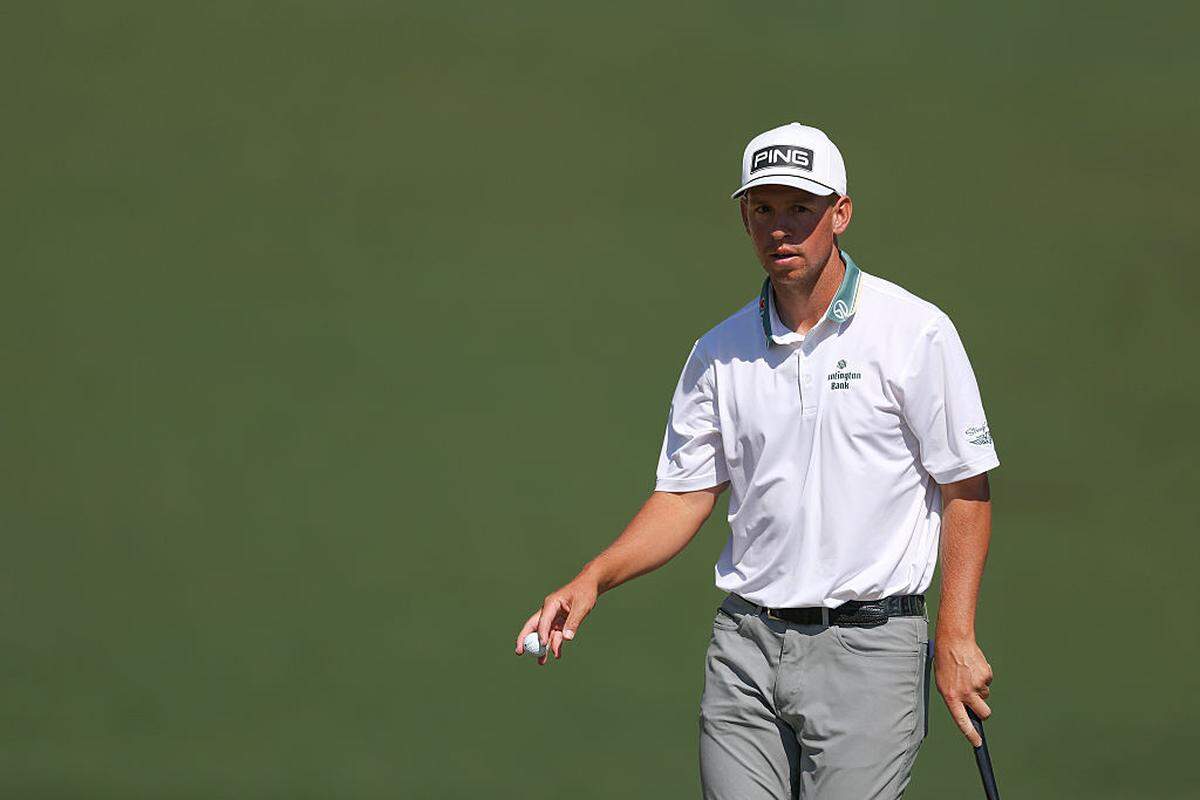
Stevens had already accomplished something special this week just by earning his first start at the Masters. But on Saturday, the Wichita native delivered the kind of Augusta moment he will remember forever, carding a 2-under 70 — the best round ever by a Wichita product at Augusta National and the besting anything Grier Jones produced in his three appearances after becoming the city’s first golfer to play the Masters since Jones in 1973.
The incredible finish came only after Stevens had put himself in a frustrating spot on the closing hole.
His tee shot on the par-4 18th found the fairway bunker, and his next shot only compounded the trouble when he chunked the sand shot and left himself 85 yards from the hole. What looked like it might turn into a sloppy closing bogey instead became one of the most memorable shots of his life.
Because of the slope in front of him, Stevens was hitting a mostly blind approach and could only see the top of the flagstick. His wedge landed on the green, bounced three times and started rolling directly toward the hole.
Stevens could not see it disappear.
All he had was the sound.
As the patrons around the green roared, Stevens looked up in confusion, then disbelief. The camera zoomed in as his eyes widened. He raised his hand and pointed ahead, almost asking for confirmation from those near the green if the ball had really gone in.
It had.
And just like that, a day that had required patience and resilience ended with a burst of magic.
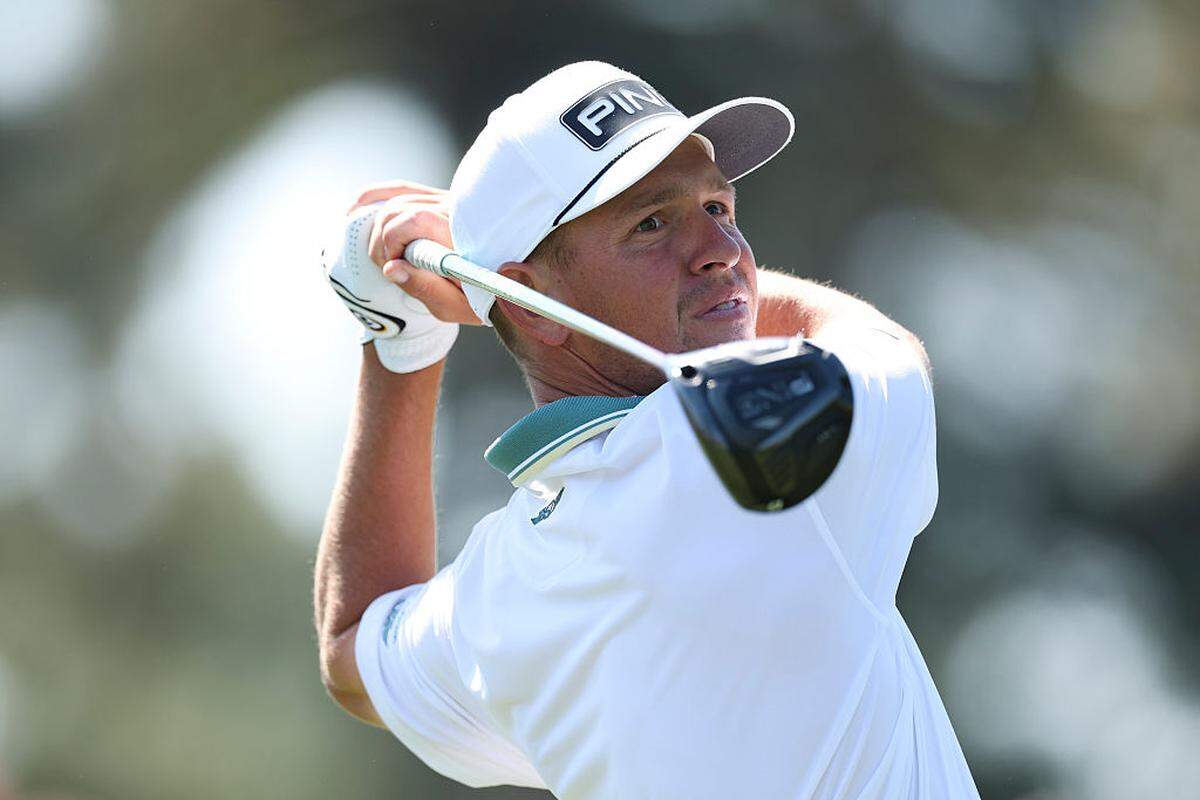
It was not a perfect round for Stevens, especially early.
He caught a terrible break on No. 3 when his wedge shot struck the pin in the air and ricocheted back into the fairway, a cruel bounce that led to bogey. He was not especially crisp at the start of the round, but he did well to keep himself from unraveling, which at Augusta can be just as valuable as making birdies.
One of his best early saves came on No. 7, where he got up and down from the greenside bunker and rolled in an 8-foot par putt to keep the round steady.
His first birdie came at the par-5 eighth. After his tee shot settled in a bunker and kept him from reaching the green in two, Stevens played the hole smartly. He laid up, then hit his 163-yard approach to within 13 feet and knocked in the birdie putt to get back to even par on the day.
He kept building from there.
At No. 10, Stevens poured in a 38-foot birdie putt, another look he read perfectly, to move to 1-under on the round. It was a significant swing and one that gave him momentum heading into Augusta’s most dangerous stretch.
And Stevens handled Amen Corner impressively.
The famed stretch of holes 11 through 13 is supposed to expose any uncertainty, but Stevens looked comfortable there. He nearly made birdie at No. 11 after hitting a brilliant approach from 187 yards to within 5 feet, only to see the tricky left-to-right putt slide underneath the hole. He also had a good birdie look at the par-3 12th and another chance on 13.
None of those putts dropped, but that hardly meant the stretch was a disappointment. Stevens played Amen Corner superbly, coming away with three stress-free pars and avoiding the kind of mistake that can wreck a scorecard in a hurry.
He ran into trouble again at No. 14 when his tee shot went wayward and forced him to lay up. Even then, he nearly escaped with par after sticking his approach to within 10 feet, but the par putt lipped out and he had to settle for bogey.
Once again, Stevens answered.
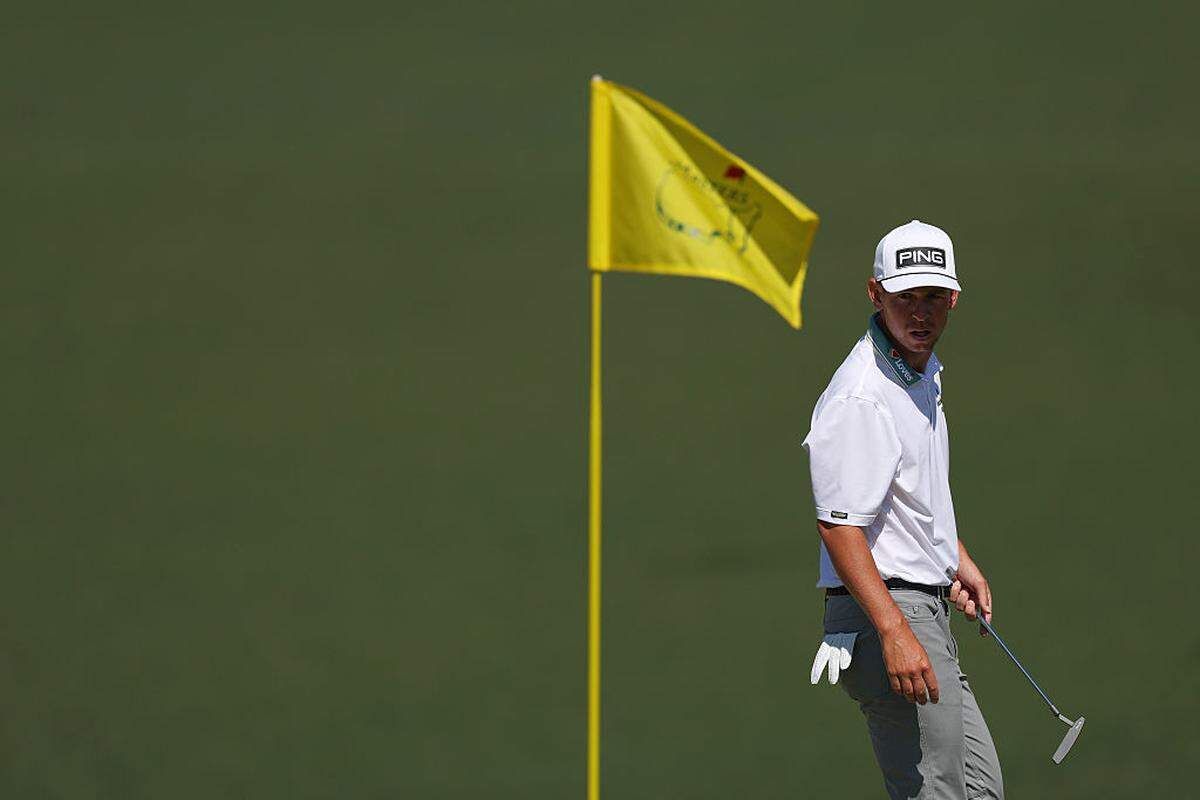
At the par-3 16th, he faced another lengthy birdie try from 38 feet away and delivered another confident stroke. He judged the speed perfectly, with the final rotation dying at the front edge before the ball dropped into the cup for birdie, moving him back to 1-under on the day.
That set the stage for the unforgettable finish two holes later.
By the end of the afternoon, Stevens had done more than post his best round of the tournament. He had carved out the type of personal Masters memory that every first-timer hopes to find — one extraordinary moment on one extraordinary stage.
There will be plenty for Stevens to remember from his first week at Augusta National. The walk up the fairways. The pressure. The roars. The beauty of the course. The satisfaction of making the weekend.
But when he looks back on this Masters years from now, the image most likely to stay with him will be that blind wedge on 18, the crowd’s sudden explosion and the realization that he had just produced a highlight he will never forget.
This story was originally published April 11, 2026 at 3:27 PM.
.jpg)