
Wichita State legend Cleo Littleton, scoring king and trailblazer, dies at 93
Every summer, when Wichita State’s basketball legends returned to town, there was one appointment they tried not to miss.
It was not in Koch Arena. Not at a banquet where old box scores were pulled from memory and retold until the stories grew larger than life.
It was at Cleo Littleton’s house in east Wichita.
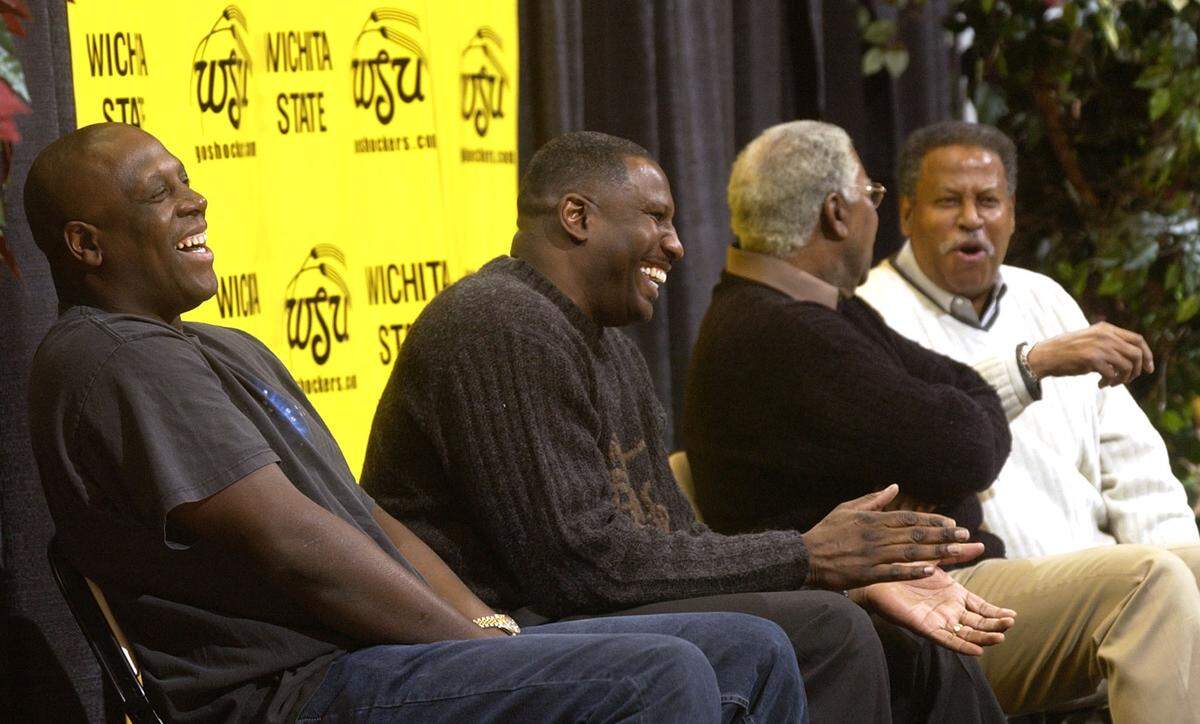
Aubrey Sherrod would be there. Cheese Johnson would be there. Xavier McDaniel and Antoine Carr and other former Shockers greats would make their way there, too, drawn to the man whose name had been hanging above them long before they ever pulled on a WSU jersey.
They came to visit one of the greatest players in program history. They stayed to talk about almost anything but basketball.
“I looked forward to every summer when we would get a chance to just sit and talk with him,” Sherrod said. “We had a lot of good, old-time talks about life.”
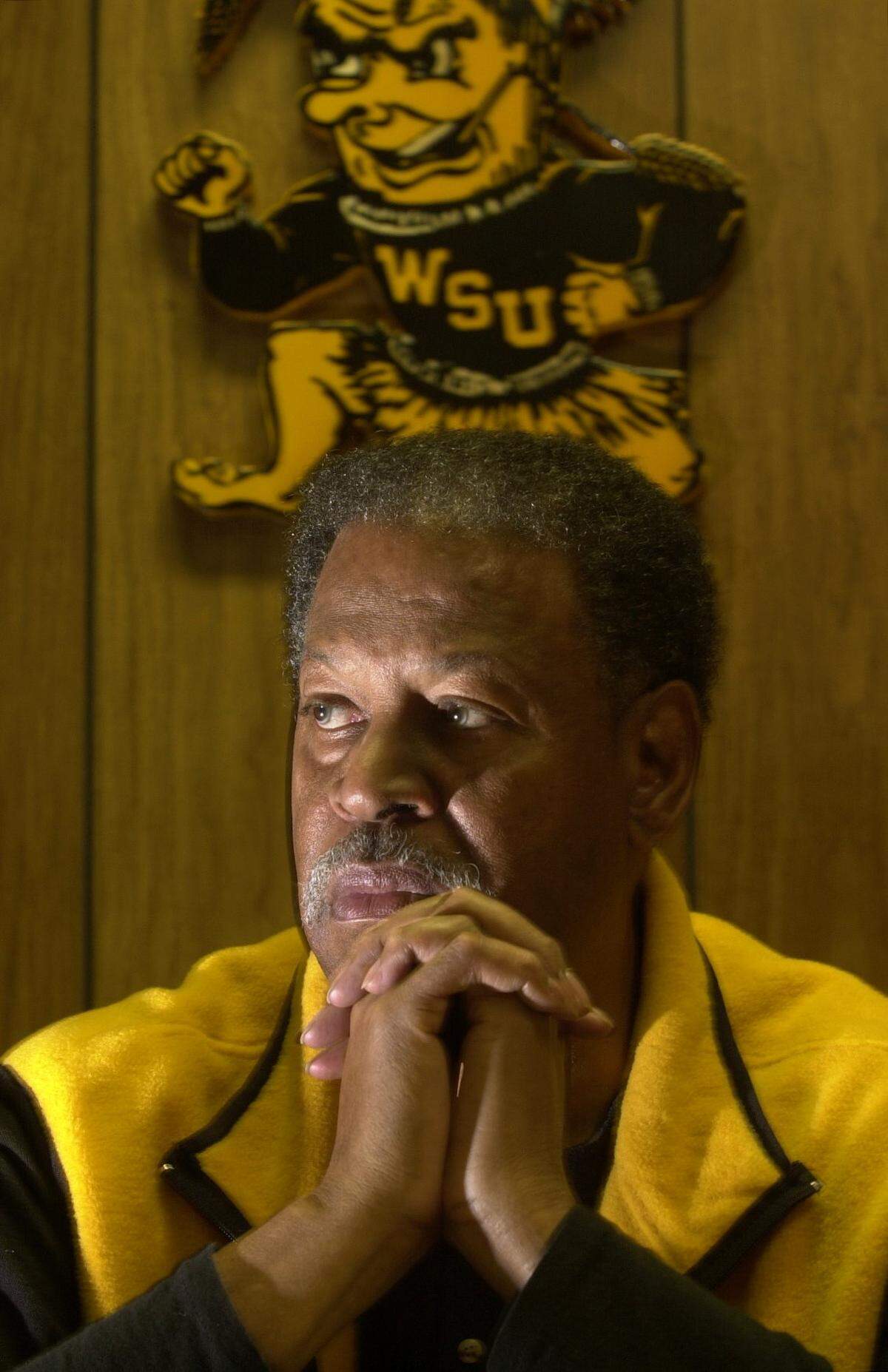
Littleton, the trailblazing Wichita State legend who became the program’s career scoring leader, the first Black basketball star in WSU and Missouri Valley Conference history and a cornerstone figure in the Shockers’ rise to national relevance, died Sunday at age 93, according to his son, Barry Littleton.
“My father, the legendary Shocker Cleo Littleton, joined my beloved mother last night,” Barry Littleton wrote in a social-media post on Monday. “He fought extremely hard the last 4 years, especially the last 3 months. Today I feel very broken.”
The news landed heavily across generations of Shocker basketball.
To some, Littleton was the No. 13 jersey in the rafters at Koch Arena, one of only four numbers retired by the program. To others, he was the name still sitting atop WSU’s career scoring list with 2,164 points, a record made more impressive by the era in which he played — before the 3-point line, before expanded schedules and before modern players had as many games to chase history.
To the men who came after him, he was something even more meaningful.
“Cleo paved the way for us to come to Wichita State,” Johnson said.
Littleton played for the Shockers from 1951 to 1955, when the school was still known as the University of Wichita and home games were played at the downtown Forum. The WU Field House — soon nicknamed the Roundhouse — did not open until December 1955, after Littleton had already completed one of the most consequential careers in school history.
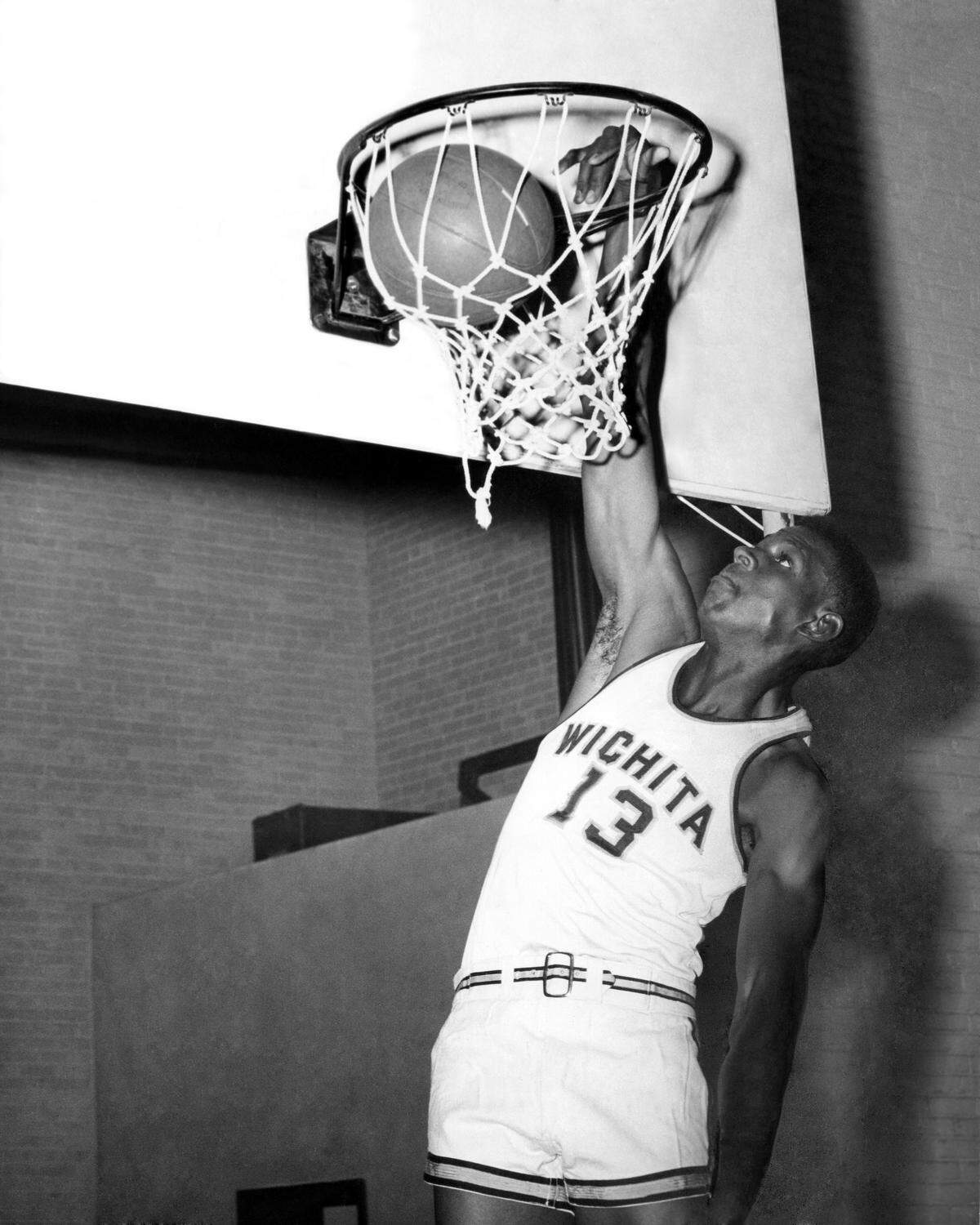
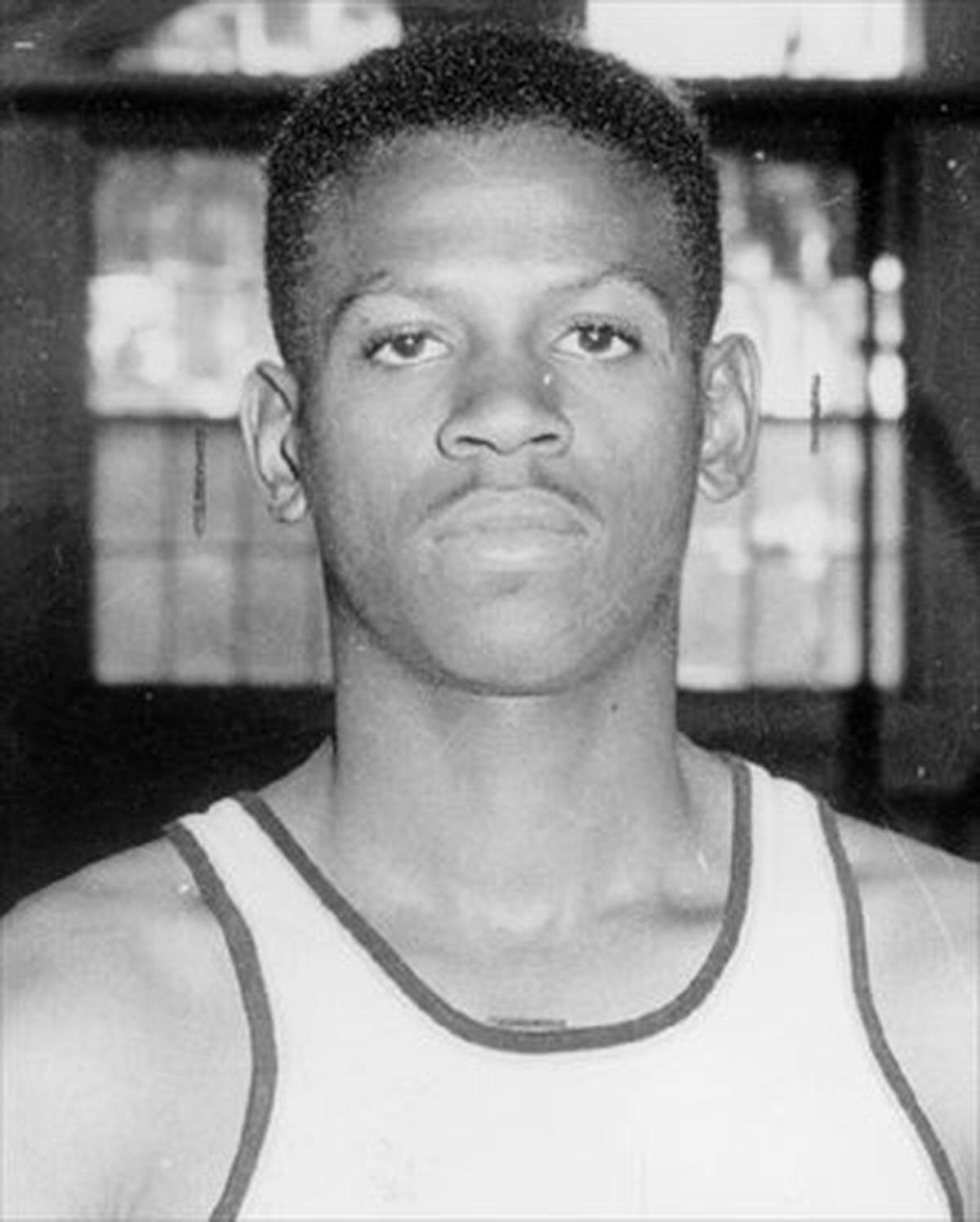
He was 6-foot-3, graceful, quick and durable. He was coached by Ralph Miller at Wichita East, then followed Miller to WU, where he became the foundation of the Shockers’ first real climb into college basketball prominence.
Littleton averaged at least 18 points in all four of his seasons. He still owns the WSU freshman scoring record at 18.5 points per game. He led the Shockers to a 27-4 record in the 1953-54 season and the program’s first postseason appearance in the NIT. He remains the only men’s basketball player in Valley history to be named first-team all-conference four times.
He also played in 184 consecutive games without missing one from his sophomore year at Wichita East through his senior season at WU, a stretch that included helping lead East to the 1951 Class AA state championship over Newton.
He was drafted by the Fort Wayne Pistons in 1955, but Littleton stayed in Wichita to play for the Vickers AAU team and begin a career that would take him into banking, oil and construction.
Those numbers made him a legend.
What he endured made him a pioneer.
In 1951, Littleton became the first Black basketball player to play in road games in the Missouri Valley Conference. It was a distinction that came with pain. Other programs either refused to recruit Black athletes or sharply limited how many they would allow on their rosters. On road trips, Littleton could not stay in the same hotel as his teammates. WU would make arrangements for him to stay with a Black family in the city where the Shockers were playing. When the team ate together, even in Wichita, restaurants sometimes seated the Shockers in the back because Littleton was with them.
He absorbed vicious verbal abuse on the road. He carried the weight of being first in an era when first often meant alone.
“What is incredible to me is that he stayed strong and committed to what he believed in,” Sherrod said. “You learn about the conditions and some of the things he had to overcome and that had such a big impact for myself being an African-American.”
Littleton had followed another WU trailblazer, football great Linwood Sexton, who had arrived seven years earlier and offered him advice. Then Littleton set the stage for Dave Stallworth, the next towering figure in Shocker basketball history. Stallworth would help carry Wichita to even greater heights in the 1960s, but those close to the program understand the baton had first passed through Littleton’s hands.
“That’s why I will always put Cleo and Dave above guys like myself, Antoine and Cliff,” McDaniel said. “You have to remember the things that they had to endure. We didn’t have to experience all of those things that they did. I stayed in nice hotels. I could go eat in restaurants. It is remarkable how many points Cleo was able to score during an era when black people weren’t always accepted.”
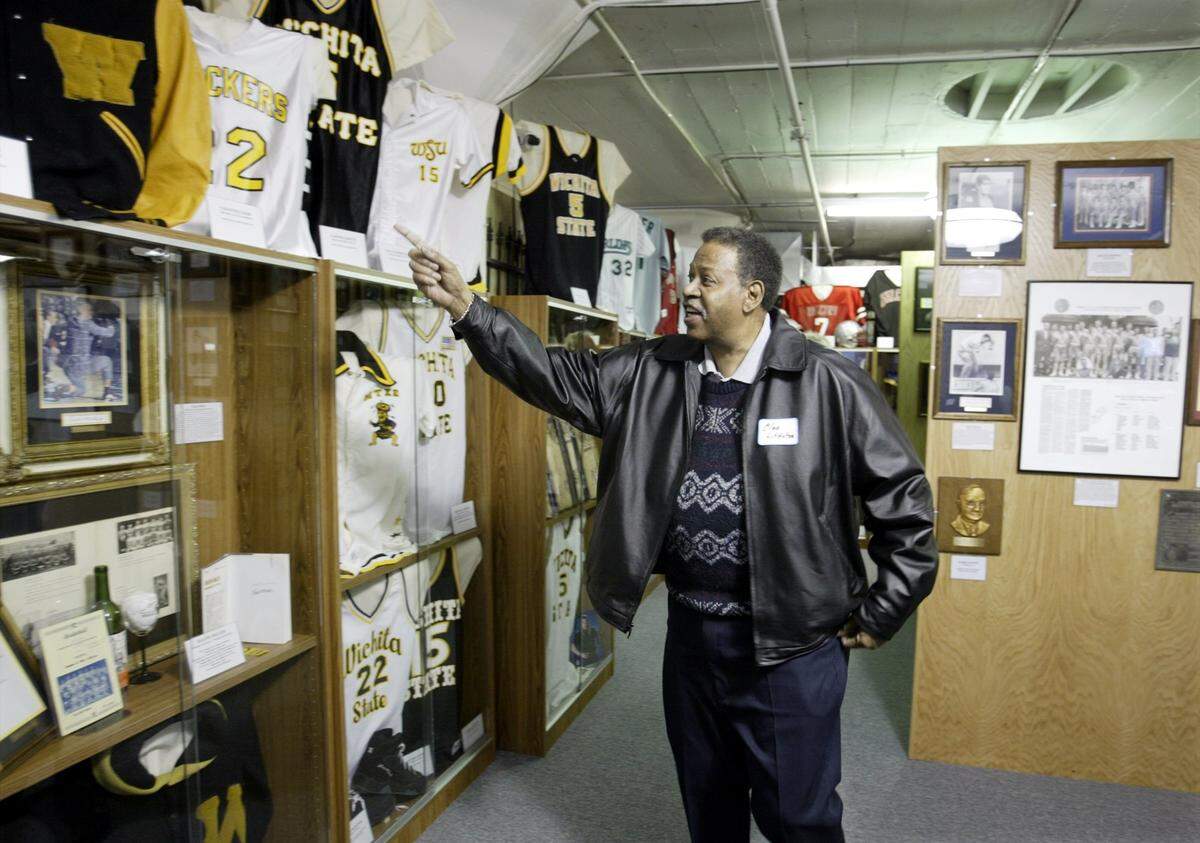
Littleton’s barrier-breaking did not end on the road.
After graduating, he and his wife, Eloise, saved enough money to buy a plot of land in north Wichita, then an all-white area. There were protests about the Littletons moving there. One neighbor came over to try to talk him out of building.
Littleton built anyway.
And somehow, through all of it, those who knew him say bitterness never hardened him.
He stayed even-keeled. Jovial. Gentle. Easy to be around. A man who valued relationships. A man who could have filled every conversation with his own accomplishments and instead chose to lift up everyone else.
“He would never talk about his playing days,” Sherrod said. “He always wanted to talk about and praise the present. But we would always try to make sure we acknowledged his greatness, both for the university and in the community.”
Johnson said the same.
“He had so much wisdom and knowledge,” Johnson said. “That’s how you learn. You learn from history. I’m going to miss him.”
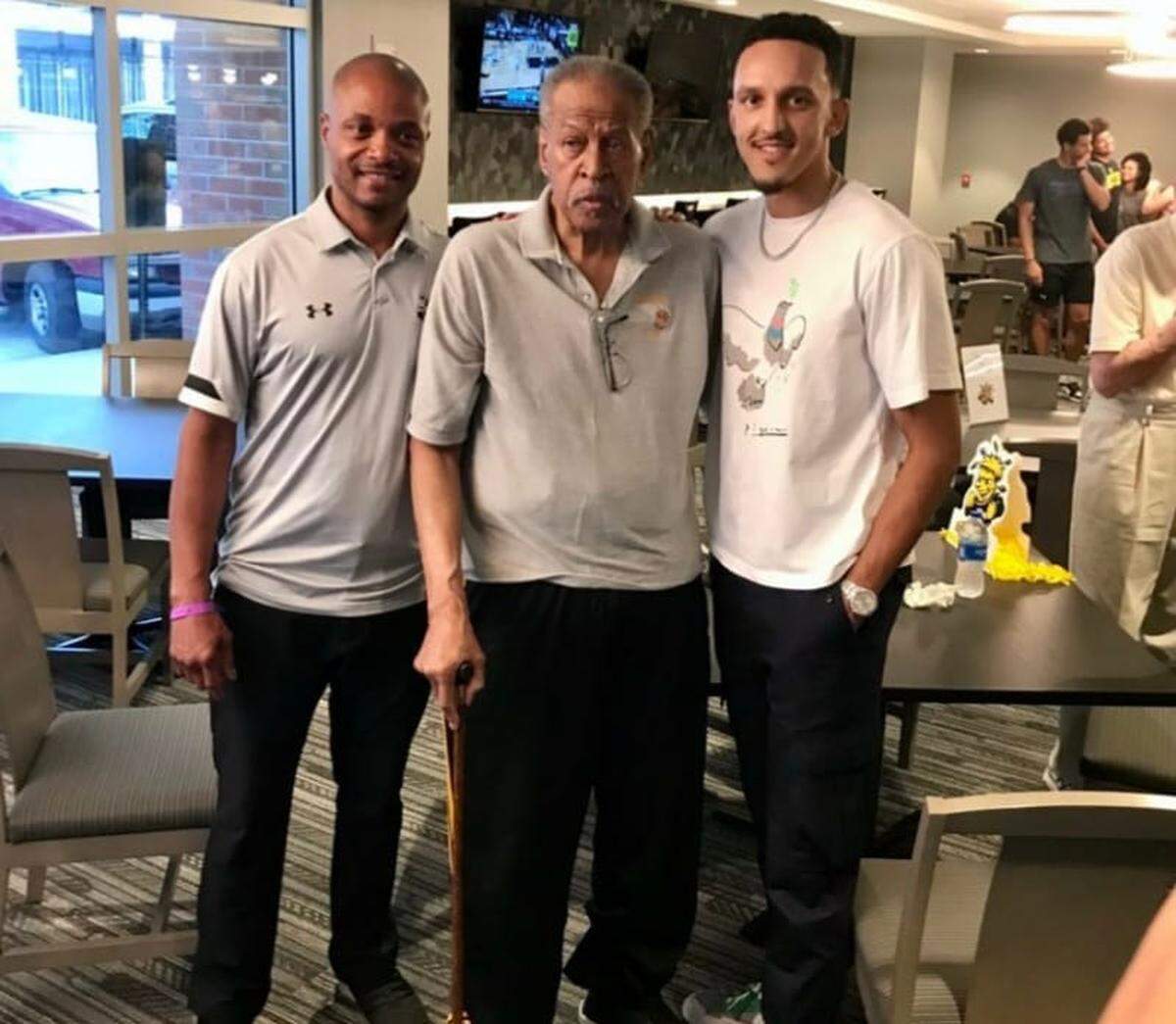
For later Shocker stars, Littleton was not a distant name in a record book. He remained a presence around the program. In his younger years, he regularly attended games. Even later in life, he tried to make it back to the Roundhouse when he could.
The stars of the 1980s remembered him being around after games, offering encouragement rather than critique. He was not the kind of former great who reminded current players how much better the game used to be or how he would have handled them in his prime.
He did not need to tell them how good he had been.
The record book did that.
McDaniel spent his senior season chasing Littleton’s scoring record. He averaged 27.2 points, earned All-American honors and became one of the most dominant players in the country. Around campus, he would sometimes see Littleton’s daughter, who worked for WSU, and joke that he was coming for her father’s record.
He nearly got there.
McDaniel finished with 2,152 career points — 12 short of Littleton.
With time, McDaniel has come to see it differently. Chasing Littleton, he said, helped push him to greatness. Falling short allowed the record to remain with someone he believes deserved to keep it.
“A lot of times we didn’t even talk basketball,” McDaniel said. “We just talked about life. Those were some incredible conversations.”
McDaniel said he believes WSU should find a way to honor Littleton this season.
“I think the team should wear a patch in his honor,” McDaniel said. “Cleo was a true legend and a real ambassador for the school and represented Wichita State very well. They really should honor him like that.”
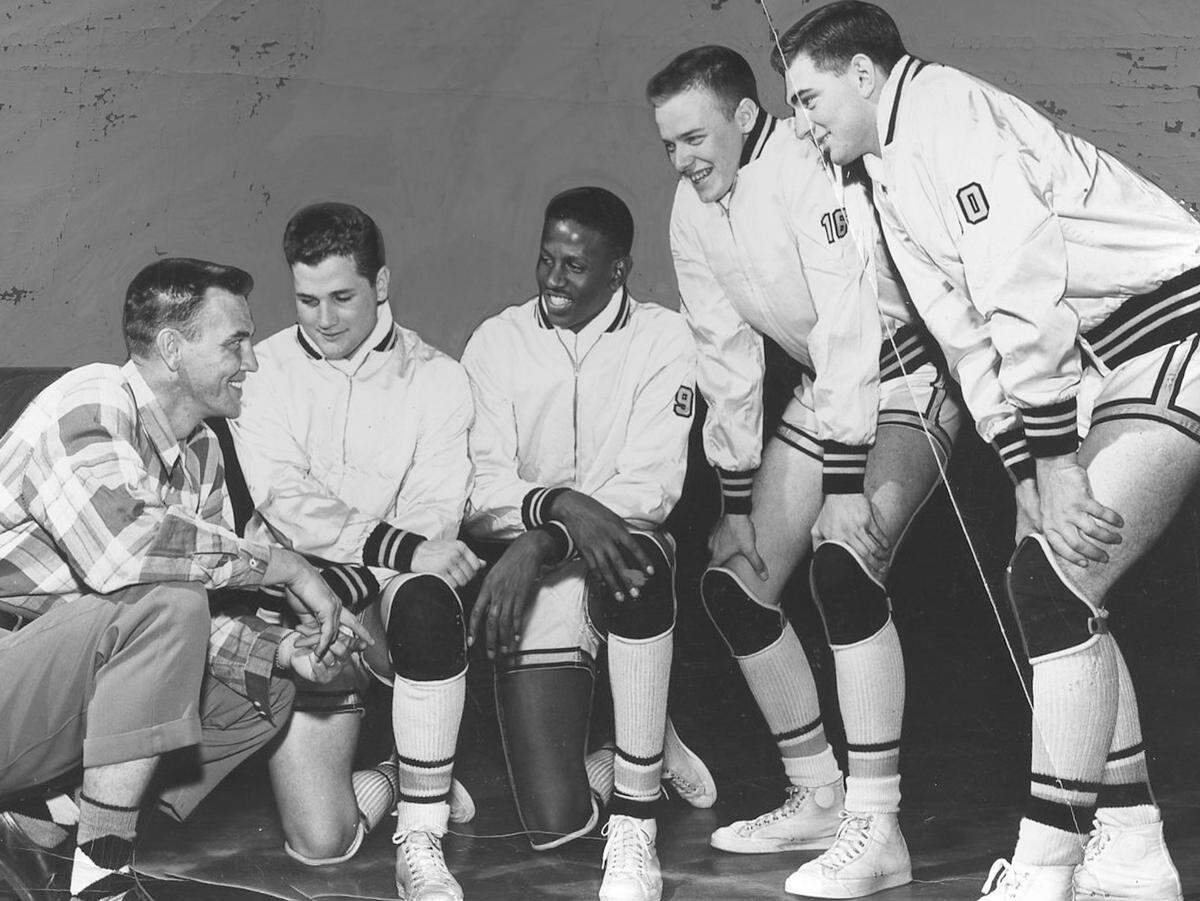
Longtime journalist Bob Lutz, who covered the Shockers for decades for The Eagle and has long studied the program’s history, said Littleton can be difficult for modern fans to fully appreciate because so few people remain who saw him play.
“A lot of Shocker fans are probably aware of the name Cleo Littleton, but there’s not many around who actually saw him play and the impact he had on the program,” Lutz said. “I think you can point to that era as the beginning of Shocker basketball.”
Lutz said he has often ranked Littleton among the top five Shockers ever, typically behind Stallworth, McDaniel and Carr. But the more he thinks about Littleton’s production, the era, the barriers and the accounts from those who did see him, the more he wonders if even that has not been high enough.
“I’ve probably underrated Cleo forever,” Lutz said. “Boy, I feel like I didn’t give him his due and that’s probably been the case for everyone. Because we didn’t see him play and we saw those other guys play, so maybe we sold Cleo a little bit short.”
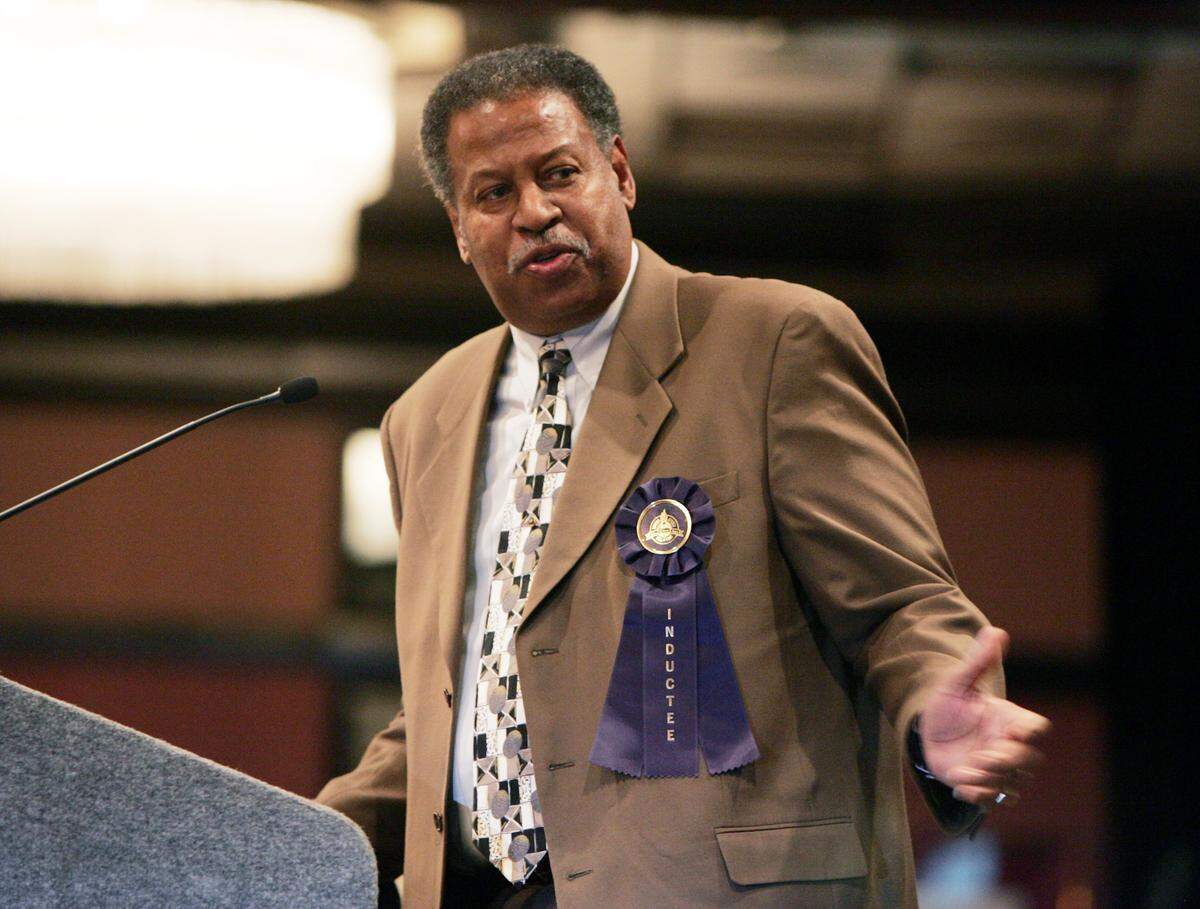
Littleton was a charter inductee into the Wichita State Sports Hall of Fame in 1979 and later became a member of the MVC Hall of Fame. The Kansas Sports Hall of Fame recognized him as the cornerstone of Wichita State’s first move into national basketball relevance.
But to Bob Powers, Littleton’s greatness was never confined to points, banners or Hall of Fame plaques.
Powers played for the Shockers from 1964-66, saw Stallworth up close and has spent much of his life working to preserve the legacy of former WSU athletes through the Lettermen’s Club. He revered Stallworth. He revered Littleton, too.
There were times when Littleton would stop by Powers’ office, sit down and have coffee. The conversations could drift anywhere. What Powers remembers most is the feeling of being around him.
“Personality-wise, he was an awful lot like Dave Stallworth,” Powers said. “He was a very kind and gentle man.”
That is the part that stayed with so many people Monday.
Littleton had every reason to be bitter. He had endured the loneliness of road trips without his teammates, the cruelty of opposing crowds, the humiliation of being treated differently in hotels and restaurants, the racism that followed him from the basketball floor to the neighborhood where he wanted to build a home.
He endured so much hate.
All he ever seemed to give back was love.
“It’s truly unbelievable that he was that good of a man,” Powers said. “From all of my years, spending time with Cleo was always a time in my life where I just enjoyed being with somebody. I’m going to miss him. I’m going to miss him a lot.”
.jpg)