
Who’s staying, who’s going? A look at possibilities for Wichita State basketball
Before Wichita State men’s basketball coach Paul Mills can transform into his offseason alter ego, “Portal Paul,” and start hunting for outside reinforcements, he first has plenty of work to do at home.
The Shockers have 13 possible returners from a 24-win team that reached the third round of the National Invitation Tournament, as the foundation of next year’s roster may depend just as much on retention as it does portal additions.
At the moment, the only two certain departures are Kenyon Giles, the record-breaking offensive engine to the team, and Karon Boyd, the all-conference two-way force who helped give the Shockers their edge on both ends. Everyone else from the roster could potentially return for 2026-27, which makes this the most fascinating offseason of the Mills era.
After a season-ending loss in Tulsa, Mills confidently said WSU would become a top-25 program in the near future. If he plans to make good on that promise, the quickest path is likely retaining as much of this core as possible and building on the chemistry, identity and player development that fielded this season’s breakthrough.
The task will not come cheap. Sources say WSU will be working with the most money it has ever had in the NIL era, but that does not make retention easy. The market for proven college players keeps climbing around the country and the Shockers have several players who would be attractive on the open market after the way they developed and produced this season.
So while WSU may have more financial muscle than ever, it will also take more money than ever to keep its best talent.
The advantage for WSU is continuity. This season gave Mills tangible proof to sell back to his own roster: Players can develop and thrive in his system. Just as important, the players experienced firsthand the belief Mills and his staff showed in them. In an era when dollars matter more than ever, that kind of trust and proven development still could carry weight.
This story lays out the case for all 13 possible returners, breaking down what each player brought to Wichita State this season and what their future fit might look like as Mills begins to shape the next version of the Shockers.
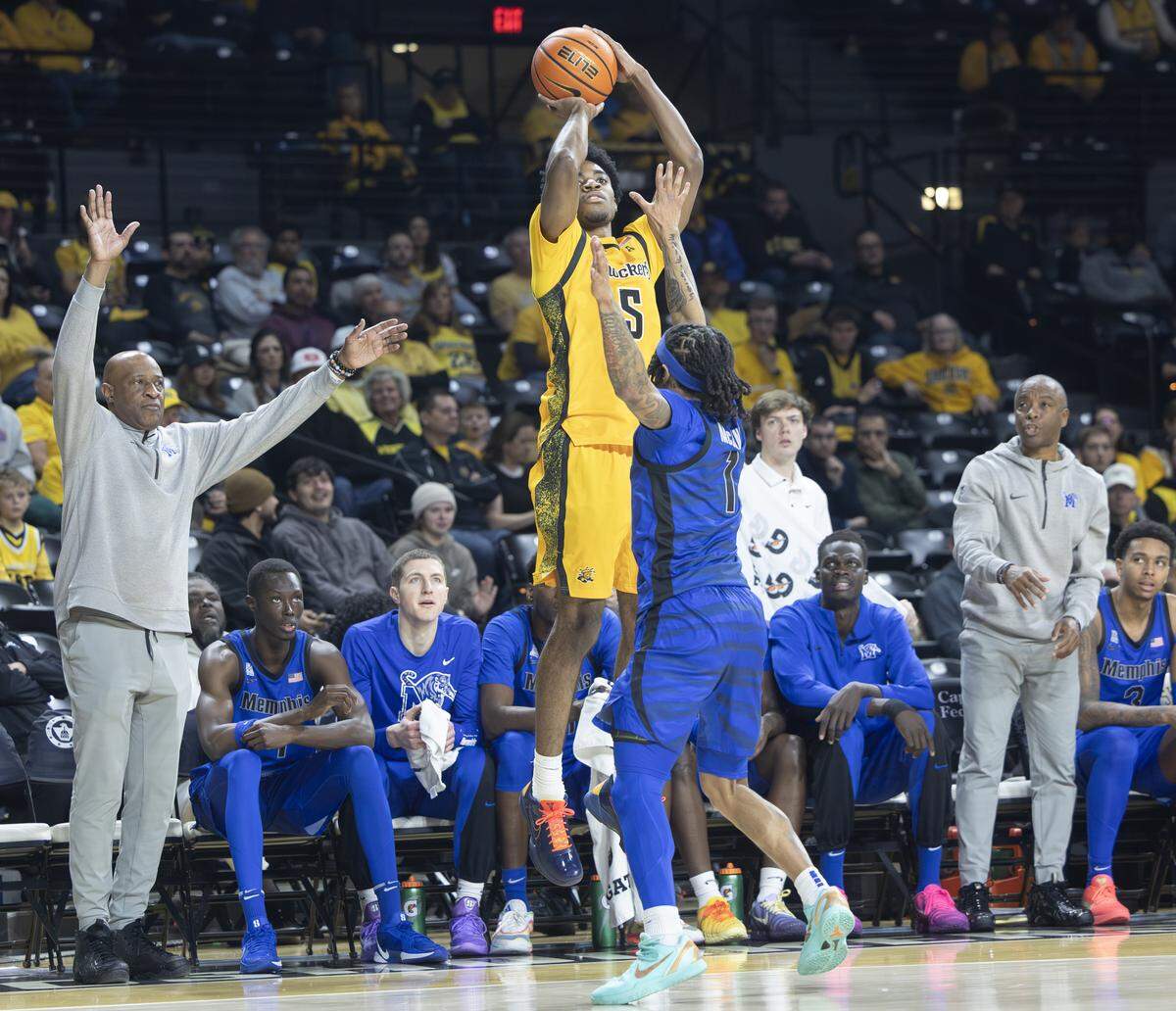
Brian Amuneke, 6-5 junior wing
Season review: Amuneke’s first season at WSU never quite found a rhythm. The sophomore wing averaged 2.4 points and shot 33% from the field, including 19 of 57 from 3-point range, a noticeable drop from the 40.7% he shot from deep at Fresno State.
The role change was significant. At Fresno State, Amuneke played on a 6-26 team where there was more freedom to play through mistakes. At WSU, he had to adjust to winning basketball, tighter rotation minutes and a much higher demand for consistency and detail.
The flashes were there, especially early. He scored 11 points three times in nonconference play and showed the shot-making ability that made him attractive in the portal. But once American play began, his role shrank and so did his production, as he averaged just 1.7 points over the final 23 games. The most encouraging stat was that he still made 37% of his 3s in conference play, but he only attempted 27 in 18 games, which shows how limited his opportunities became.
He also struggled badly inside the arc, finishing just 8 of 27 in the paint. Overall, the season felt more like a stalled adjustment year than a true reflection of his shooting talent.
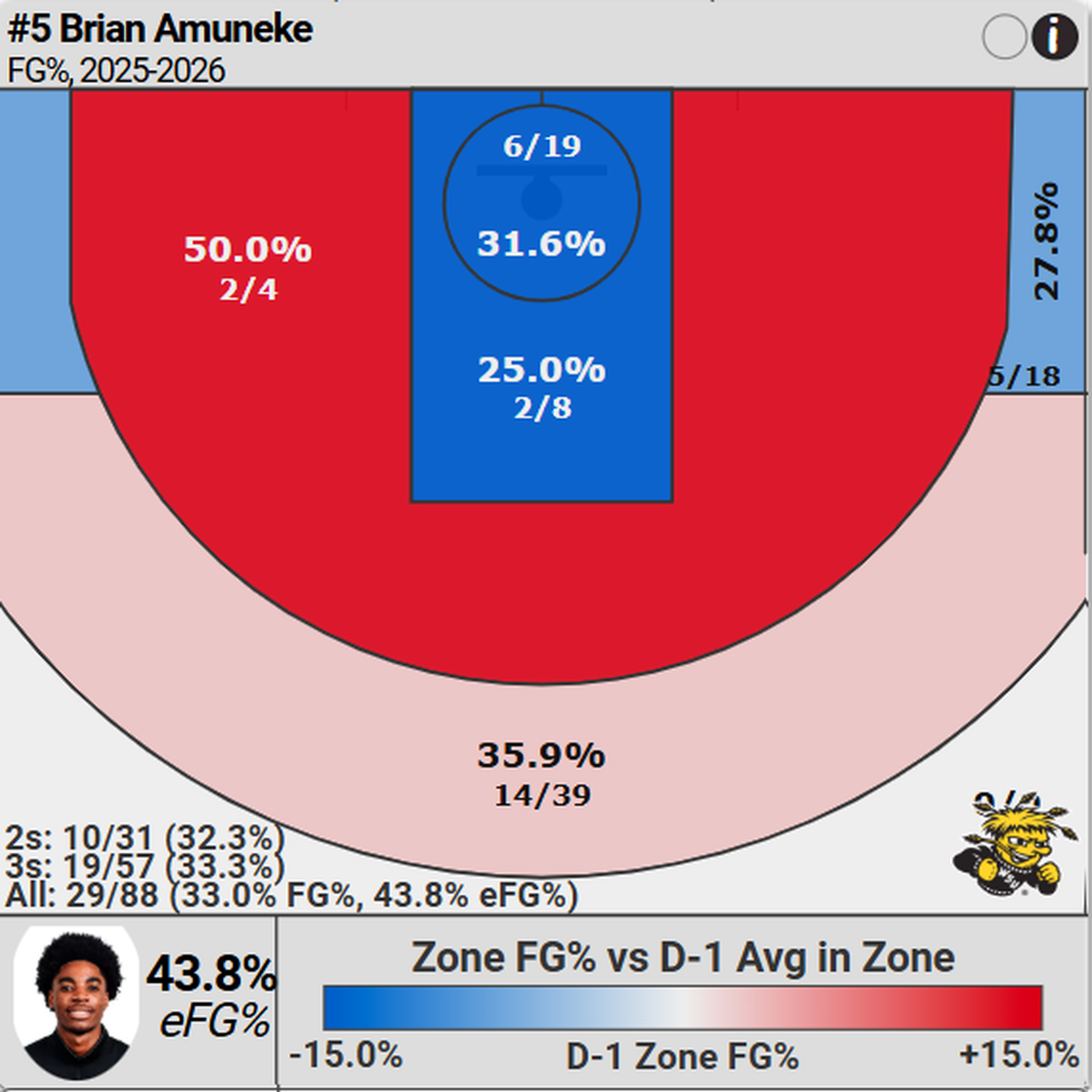
Looking ahead: Amuneke is one of the more interesting portal-season evaluations on the roster because the tools that made him valuable are still there. WSU can reasonably look at him as a bounce-back candidate, especially because his catch-and-shoot profile remains encouraging. He made 36% of his catch-and-shoot 3s this season, down from 42.5% on those looks at Fresno State, but still a respectable number.
More likely, the inconsistency stemmed from sporadic minutes and the difficulty many shooters have finding rhythm without a steady role.
The question is whether Amuneke wants to stay patient with that development at WSU or seek a larger opportunity elsewhere. His most realistic value for WSU next season is still as a shooter who can stretch the floor in short bursts. If he has a strong offseason and earns more trust from Mills, there could be a path to a bigger role.
He makes sense as a retention candidate because shooting is always worth betting on, but both sides will need to decide whether the fit can realistically grow from here.
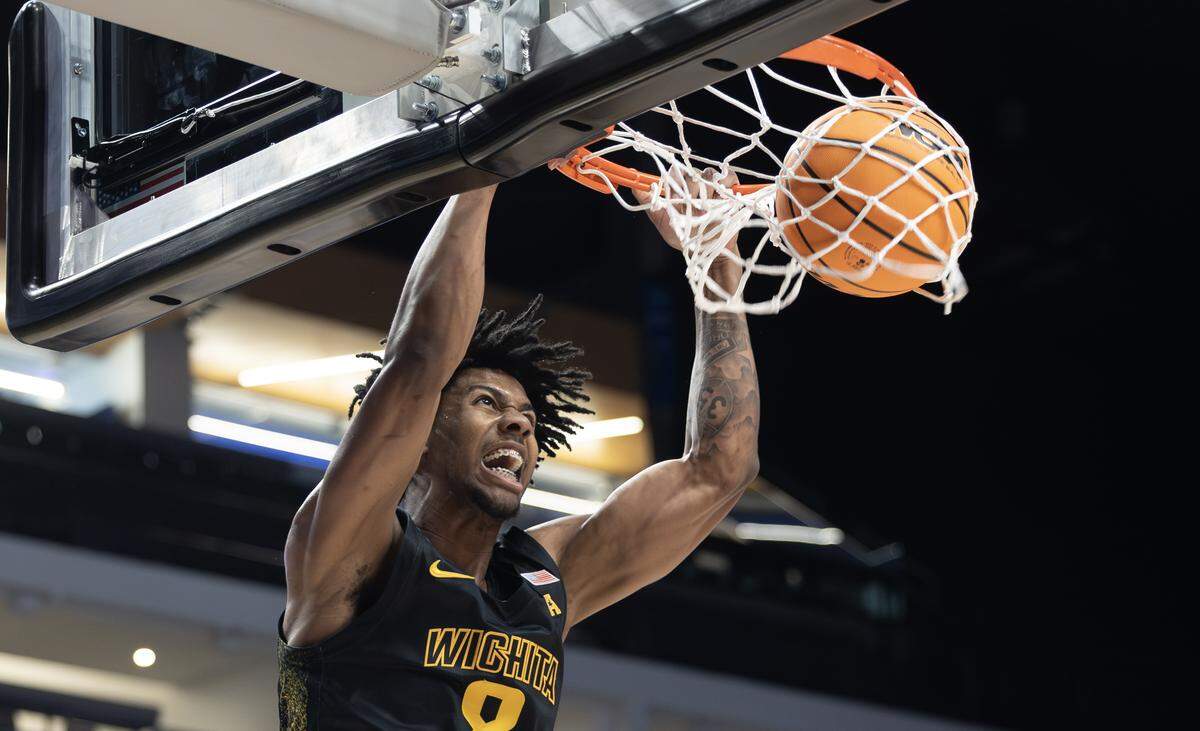
Dillon Battie, 6-9 junior power forward
Season review: Battie was one of WSU’s biggest breakout stories and maybe the best example of player development under Mills this season. He went from largely out of the rotation in nonconference play to becoming a major force by the end of the year, averaging 12.4 points and 6.3 rebounds over the final month.
After entering the starting lineup on Jan. 11, Battie averaged 10.0 points and 5.7 rebounds over the final 20 games and brought a different level of athleticism and force to the frontcourt.
His growth offensively was especially notable. Early in the season, Battie could look rushed and out of control. By March, he was playing with far more poise, using jump stops, pump fakes and improved footwork to create clean finishes. He was excellent as a cutter in Mills’ system, scoring 1.40 points per possession in the 80th percentile and shooting 68.9% at the rim.
Defensively, his presence was huge. Since January, WSU posted a 97.5 defensive rating with Battie on the floor. The jump shot is still the swing skill after he went just 4 for 18 on jumpers, but his late free-throw improvement (33 for 40 in final 10 games) and a couple of late 3s offered at least some encouragement.
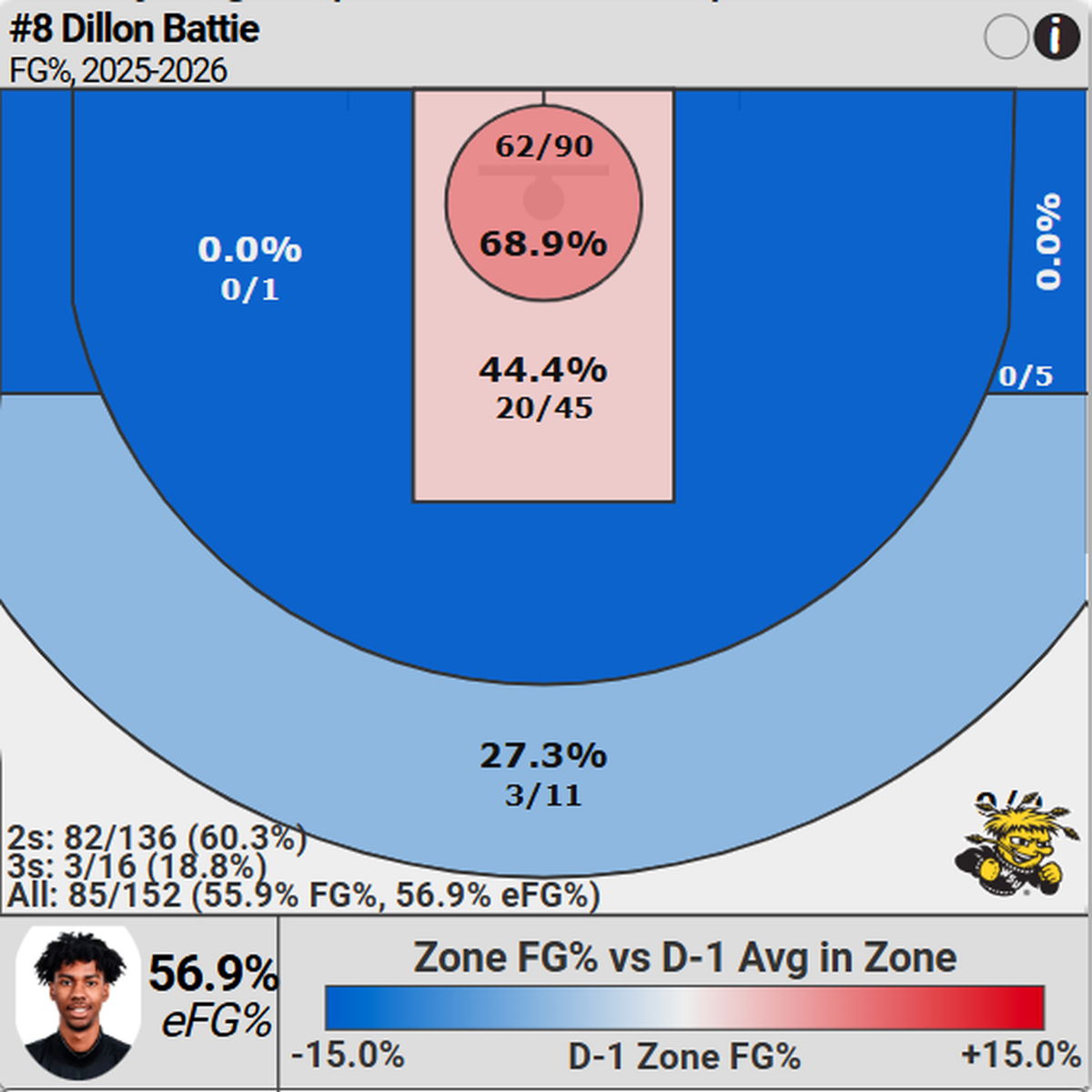
Looking ahead: Battie should be one of WSU’s top retention priorities because he looks like a player with real star potential if his development continues. There will almost certainly be serious interest from other programs after the way he played the final two months, but WSU has a compelling case to make. He clearly blossomed in Mills’ system and the on-court growth from November to March suggests this program has been a strong fit for him.
The biggest offseason question is the jumper. If Battie can become even a respectable 3-point threat, his versatility becomes much more dangerous and opens the door for bigger frontcourt combinations, especially alongside T.J. Williams. He already does a lot well without that piece: He cuts, rebounds, defends, finishes through contact and can create some offense with bully-ball and footwork. But a jumper is what could elevate him from valuable starter to all-conference-caliber player.
From WSU’s perspective, this is the kind of player you do everything possible to keep. He has already proven he can help a winning team and another offseason could unlock even more. If Battie returns, he should enter next season as one of the central pieces of the roster.
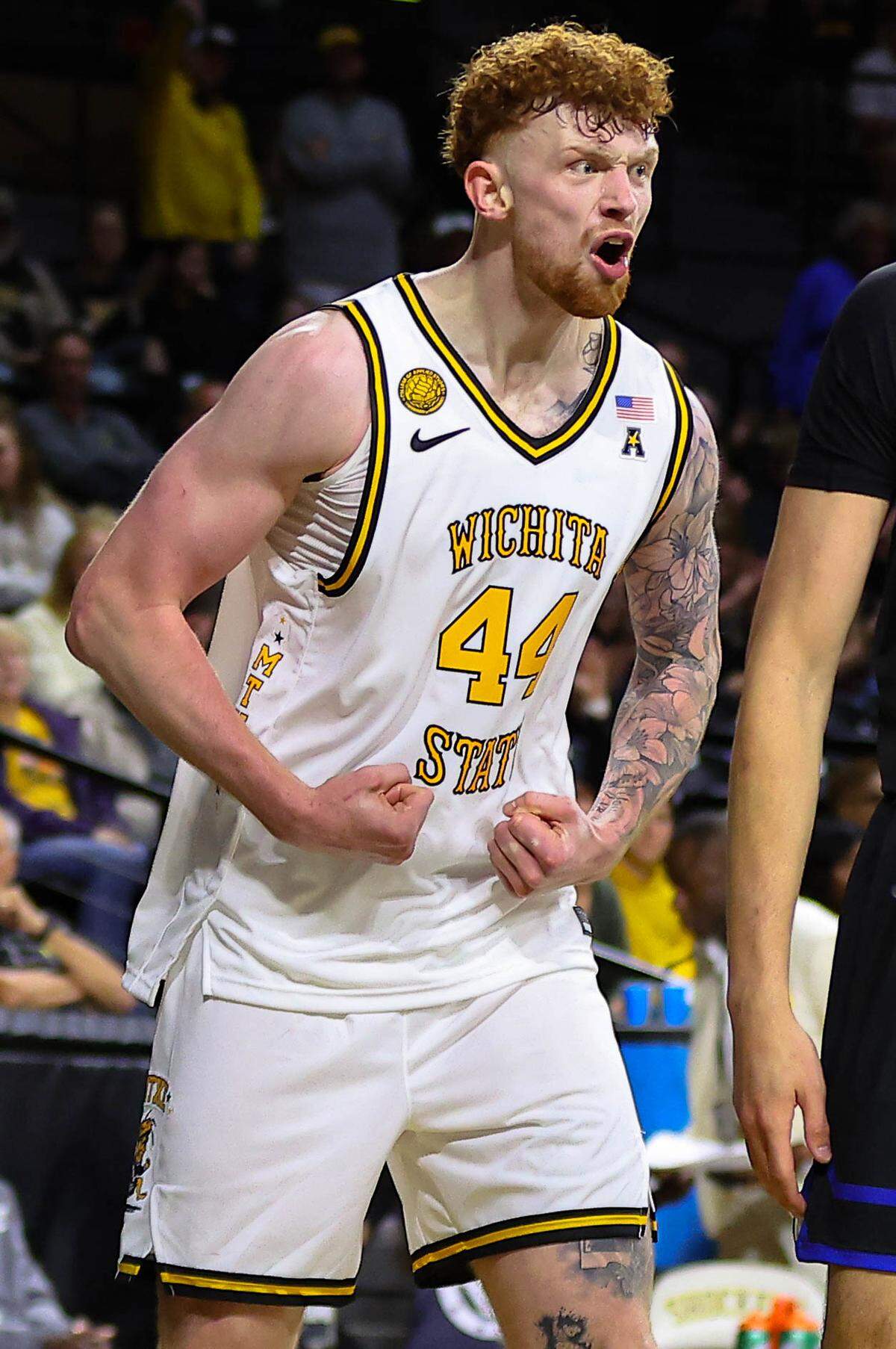
Will Berg, 7-2 senior center
Season review: Berg was one of the clearest development wins of Mills’ season and arguably one of the most important players on the roster. After playing just 187 total minutes in two seasons at Purdue, Berg blossomed into the American’s Sixth Man of the Year by averaging 8.8 points, 8.1 rebounds and 1.3 blocks.
More than the raw numbers, he became central to WSU’s identity. He was one of the best offensive rebounders in the country, gave the Shockers elite rim protection and helped fuel the second-chance dominance that carried WSU for much of the season.
The impact metrics underline just how valuable he was. WSU posted a team-best plus-16.2 net rating with Berg on the floor with the offense jumping to a 120.2 rating and the defense improving to 102.4 with him on it.
Berg also improved dramatically as the season went on. After struggling to finish early, he shot 68.3% from the field over the final 10 games, including 76.7% at the rim. He also became a credible post scorer, producing 0.98 points per possession on post-ups, good for the 68th percentile.
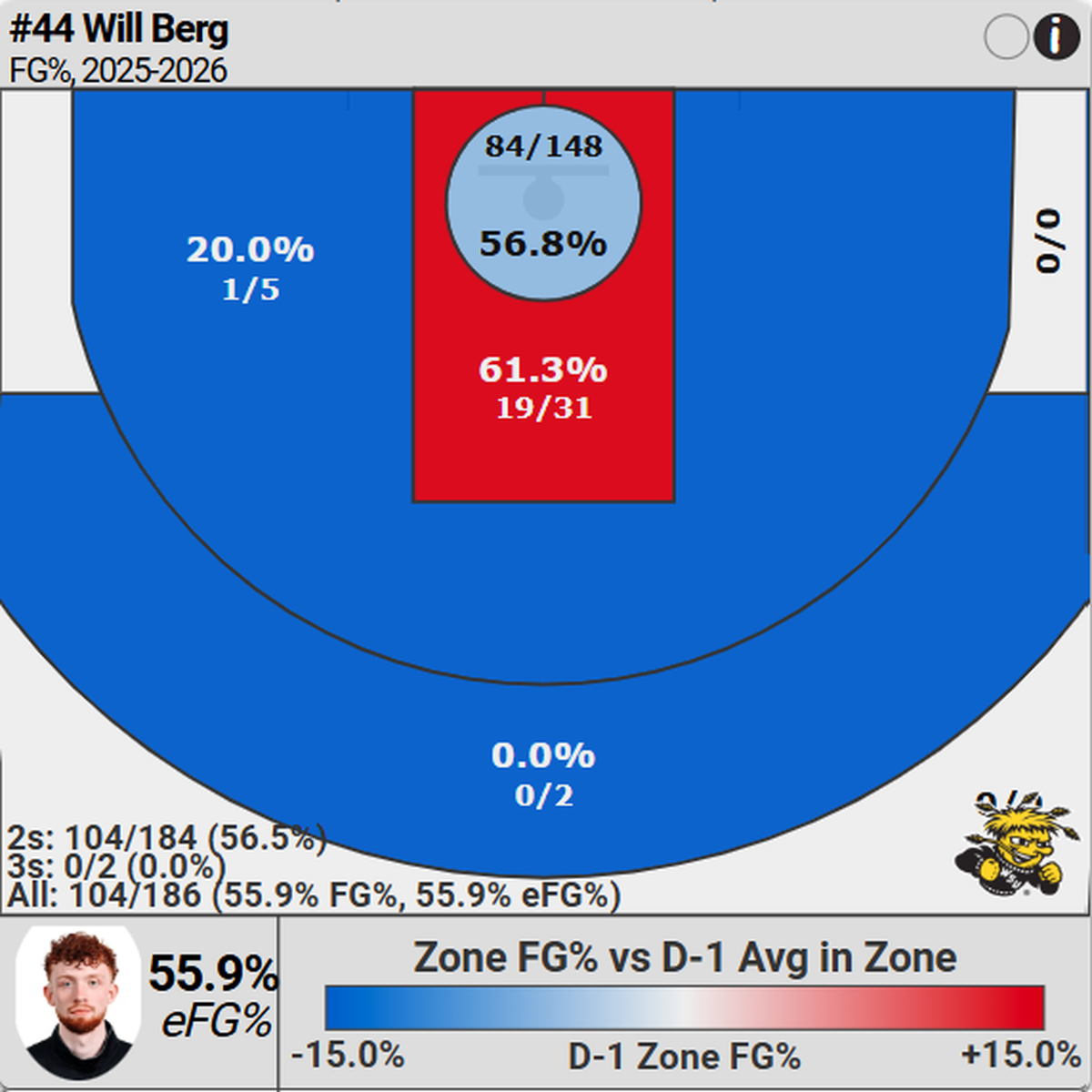
Looking ahead: Berg should be one of WSU’s highest-priority retention targets and there is no real debate about that. If he returns for a second season, he would give the Shockers a proven anchor in the frontcourt and go a long way toward preserving the exact rebounding-and-defense formula that made this team successful.
He is the kind of player who can make WSU a legitimate favorite in the American because his impact goes well beyond points. He changes possessions, cleans the glass, protects the rim and raises the floor of both the offense and defense.
The challenge, of course, is whether WSU can keep him. Berg’s breakout season almost certainly put him on the radar of high-major programs willing to spend for a center with his size, production and efficiency. The question is whether Berg wants to reenter that world after spending three seasons at Purdue and finally finding a system and role where he thrived.
If he values fit, development and continuity, WSU has a strong case. If the market turns aggressive, the Shockers may have a fight on their hands.
From a basketball standpoint, his role next season is obvious: the lead center, centerpiece rebounder and one of the team’s most important players again.
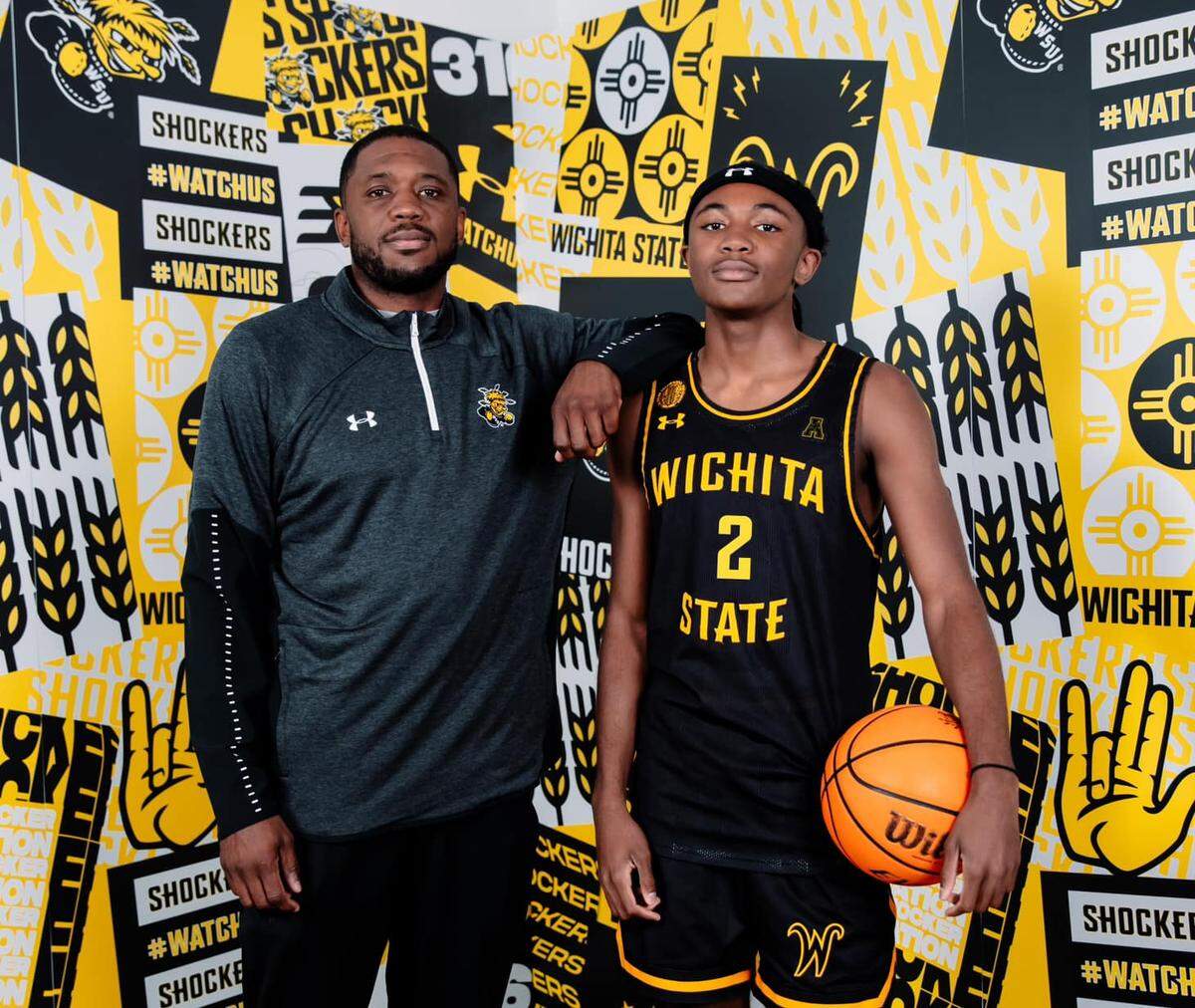
Pierre Couisnard, 6-2 freshman guard
Season review: Couisnard did not factor into WSU’s rotation after taking a redshirt, so his value this season came behind the scenes. His role was primarily on the scout team, where he helped prepare the regular rotation in practice. For redshirting players, that is often the main job, and it can still be an important one over the course of a long season.
Because he did not log game minutes, there’s not much to analyze from an on-court standpoint. This was more of a developmental year spent learning the program, improving his game and contributing through daily work in practice.
Looking ahead: Couisnard’s outlook seems pretty straightforward. As long as his father, P.J. Couisnard, remains on staff, it is hard to see him going anywhere, and his likely role next season would again be as a developmental player who helps push the team in practice.
That said, every roster has players whose value is more internal than public-facing. Couisnard appears to fit that mold right now, giving the program depth in practice and another player who knows the system.
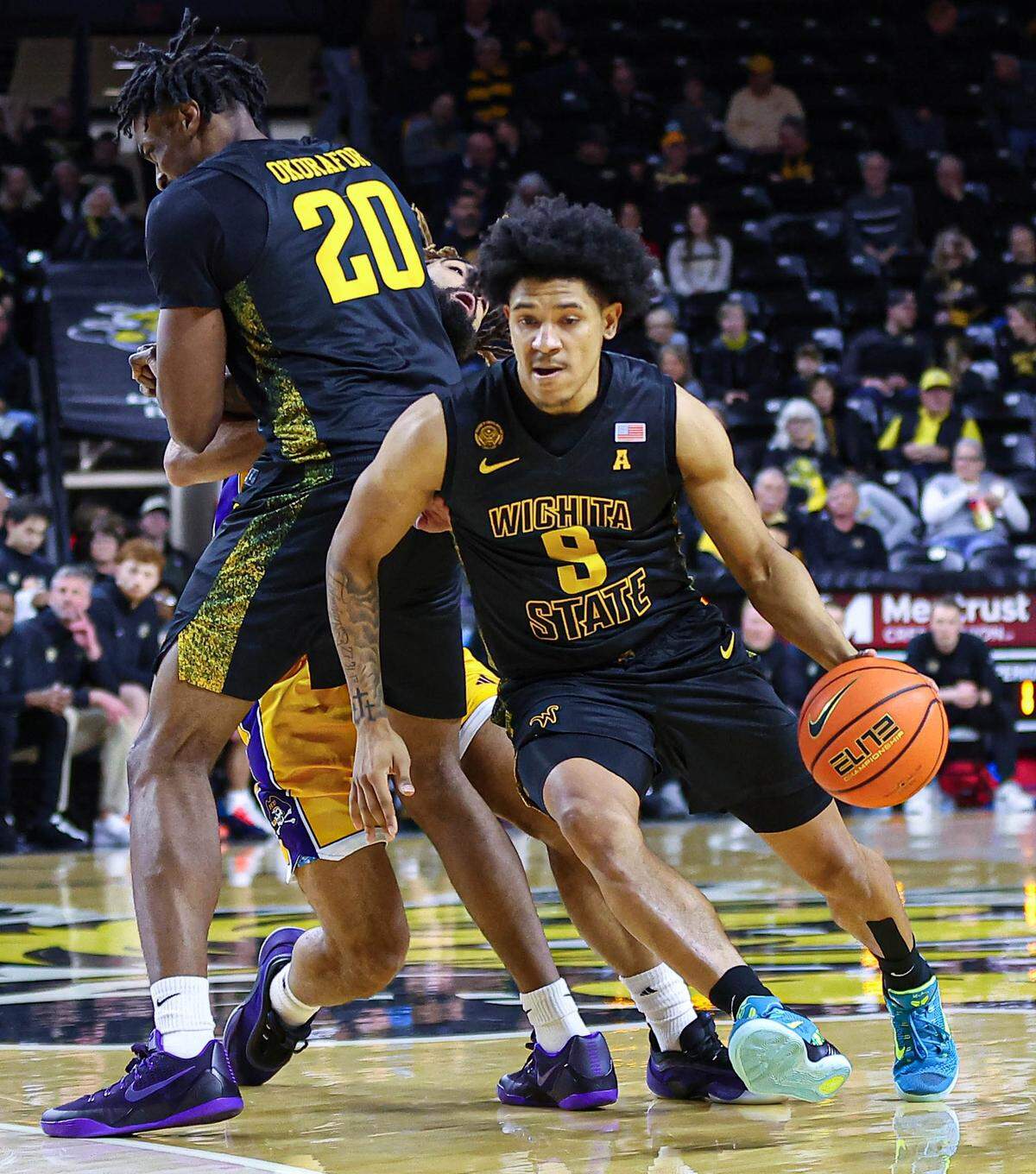
Mike Gray Jr., 6-2 senior guard
Season review: Gray’s first season at WSU was a little underwhelming on the surface, but a change in role could explain some of that.
He averaged 8.2 points, 3.3 rebounds and 2.3 assists while shooting 33.7% from the field and 31.1% from 3-point range, a noticeable drop from the 11.1 points per game and 40.9% 3-point shooting he posted last season at Nicholls State. But Gray was also asked to change his game more than most to fit next to Kenyon Giles, shifting from more of a scorer into a facilitator and connective piece in the backcourt.
There was still clear value in that role. Gray started 35 games, averaged 26.8 minutes and posted a 1.79 assist-to-turnover ratio, giving WSU a steady ball-handler who could also provide spacing with 52 3s. He was also the team’s best free-throw shooter at 85.9% and became a solid rebounder for his position.
The biggest issue was that his shooting efficiency never fully translated to his new role. The most glaring number was his regression as a perimeter shooter, particularly away from Koch Arena, where he made just 26.2% of his 3s. His above-the-break shooting also cratered to 29.4%, which is notable because those were the majority of his 3-point attempts in the offense when the ball was swung to him or kicked out late in possessions.
That was a major drop from the 41.8% he shot above the break last season at Nicholls.
The shot-profile shift helps explain some of that decline. Last season, fourth-fifths of Gray’s 3-point attempts came on catch-and-shoot looks. At WSU, that figure dropped to two-thirds, meaning he was asked to create more of his own perimeter offense. That did not go nearly as well. Gray still shot a respectable 34.2% on catch-and-shoot 3s, which suggests there is still a functional spacer there. But he hit just 22.8% on 3s off the bounce, and that split helps identify where the inefficiency came from.
In short, Gray was still useful, but he was stretched into a role that exposed parts of his offensive game that are not his greatest strengths.
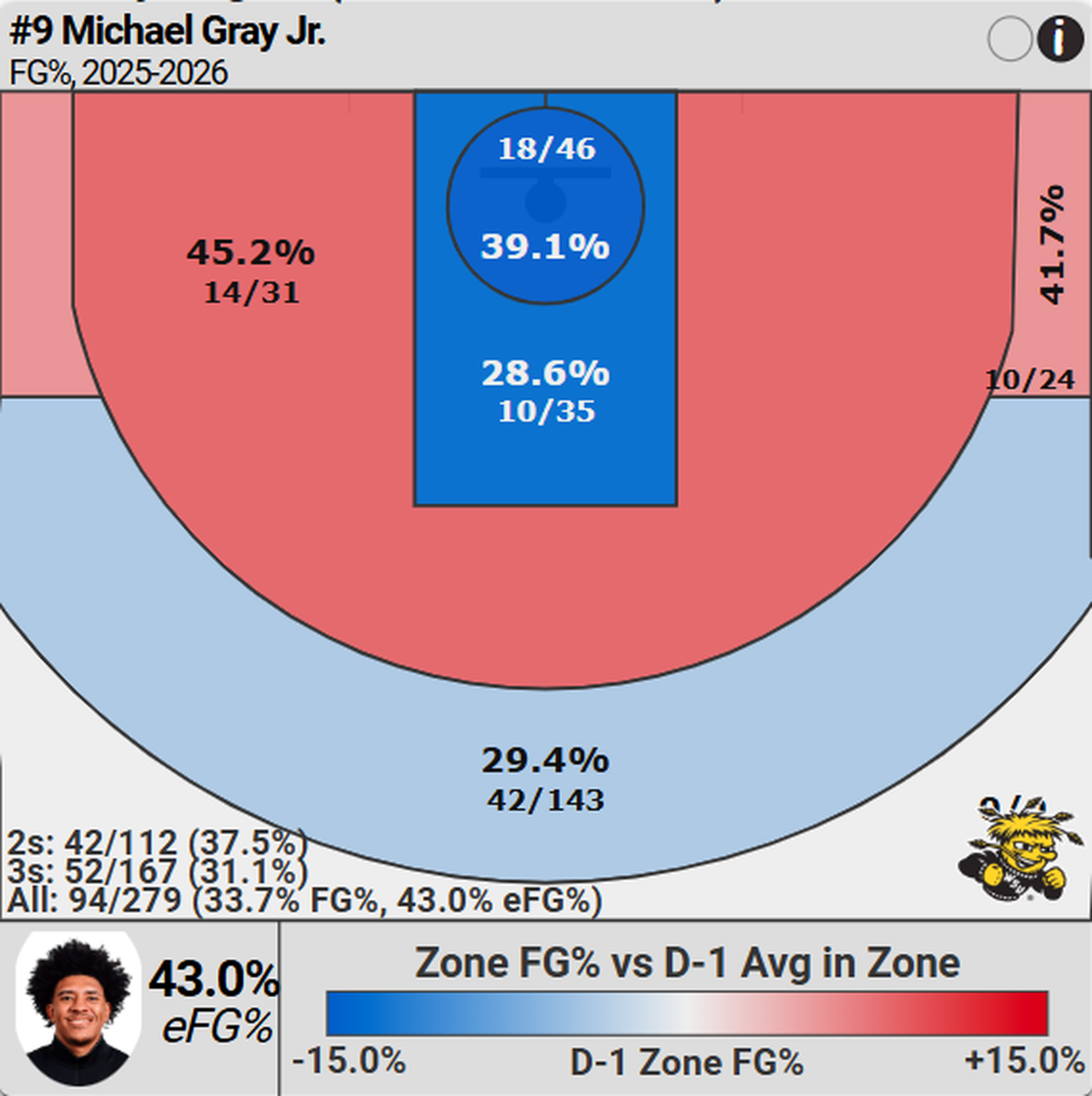
Looking ahead: Gray feels like one of WSU’s more important retention pieces because of his experience, versatility and the possibility that a different role could unlock a better version of him next season. According to Mills, Gray has already been granted another year of eligibility, which gives the Shockers a chance to bring back a veteran guard who started 35 games and knows how to run the team.
With Giles departing, Gray could potentially slide into a more natural offensive role that asks him to score more and create less in difficult late-clock situations.
That is where the optimism comes from. Gray’s numbers suggest his shot may not have disappeared as much as his role changed. He still shot a respectable 34.2% on catch-and-shoot 3s, and his much lower efficiency came when he was forced into tougher off-the-bounce looks. If WSU can build a roster around him that allows him to play more as a secondary creator, floor spacer and veteran stabilizer, then he has a real chance to bounce back statistically.
Ideally, he returns as a complementary veteran guard, not the featured offensive engine tasked to replace all of Giles’ production. If WSU can keep him in that lane, he could be a valuable piece next season.
Noah Hill, 6-8 sophomore center
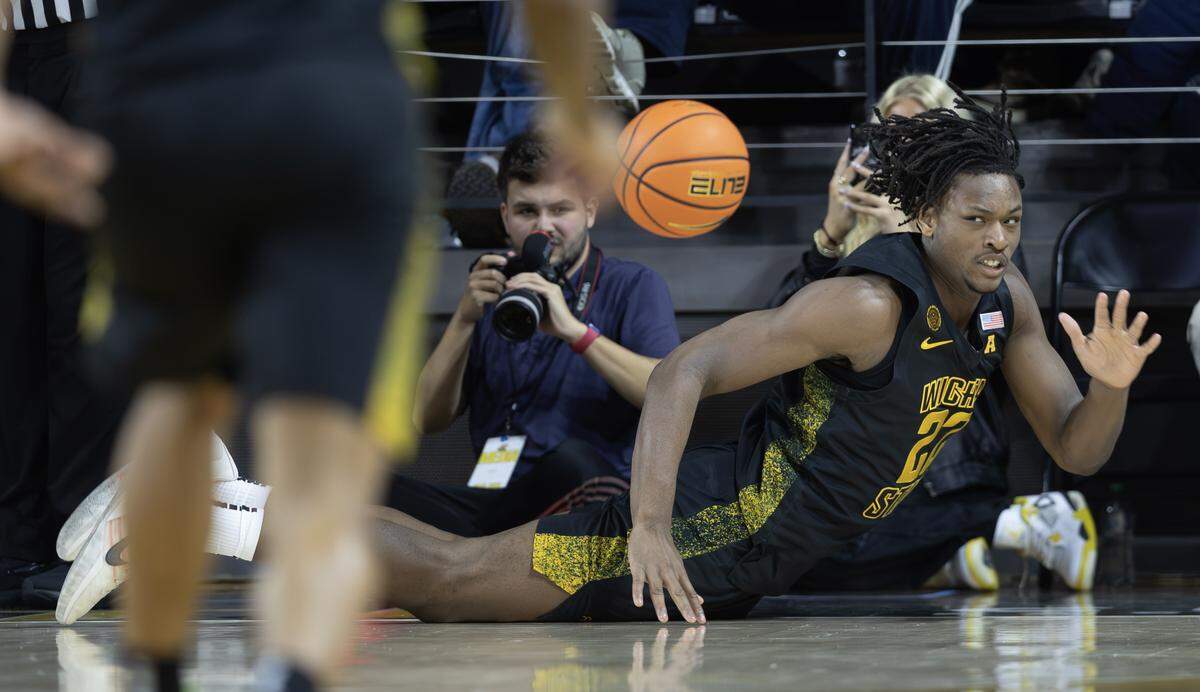
Season review: There was not enough playing time to make any sweeping conclusions about Hill’s freshman season, but the flashes were intriguing enough to make him one of WSU’s more interesting developmental pieces. Hill played 97 total minutes over 23 appearances and averaged 1.4 points and 2.2 rebounds in 4.2 minutes per game, so this was never a season that was going to be judged by production. It was more about glimpses.
And when Hill did get on the floor, the physical tools jumped out. His leaping ability, length and natural activity level popped immediately, especially on rebounds and shot contests above the rim. There were a handful of nonconference moments when he logged meaningful minutes and held his own, showing the kind of vigor and athleticism that can change possessions quickly.
That said, he also still looked very raw, which is to be expected. The finer points of positioning, timing and overall feel clearly remain a work in progress. Conference play showed that WSU did not yet trust him with a consistent role, but that should not overshadow the bigger takeaway: Hill’s first season offered enough evidence of real upside to make him a worthwhile long-term investment.
Looking ahead: Hill feels like the kind of player WSU should make a priority to retain, even if he is still more of a future play than an immediate answer. The upside is obvious. Players with his kind of length, bounce and natural defensive playmaking tools are worth developing, especially in a program that has shown tremendous progress working with frontcourt pieces. Another offseason in the weight room and another summer learning the game could go a long way for him.
The big question is whether Hill is ready to take on a real rotation role next season. It is possible, especially as an energy big who could serve as the 1B to someone else’s 1A in the frontcourt, but the safer projection is that he is probably still another year away from becoming a dependable contributor. Right now, his value is more in what he could become than in what he can consistently provide over 20 minutes a night.
Still, this is exactly the kind of player you do not want to give up on too early. Going against veterans like Will Berg and Emmanuel Okorafor, should they return, every day should continue to accelerate his development.
Joy Ighovodja, 6-4 junior wing
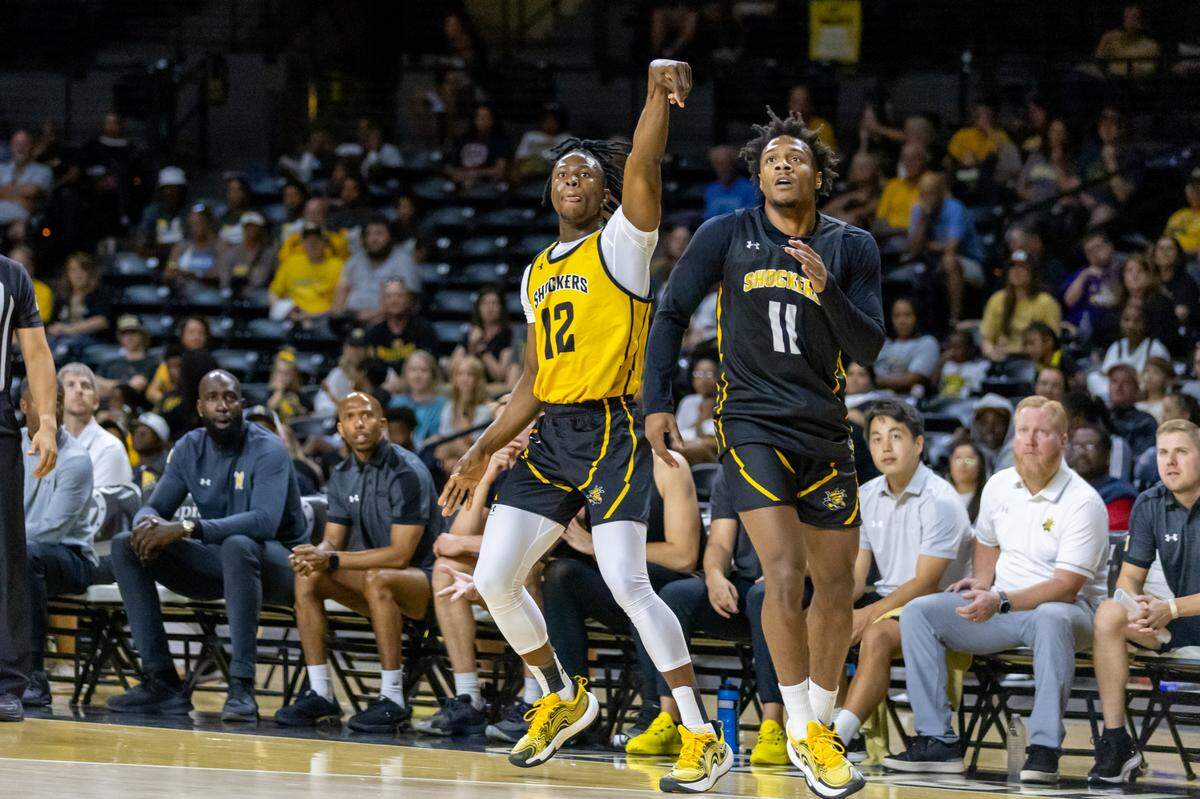
Season review: Ighovodja’s season was essentially lost before it ever had a chance to begin. A significant ankle injury right before the start of the season led to a medical redshirt, taking him out of the picture before WSU’s rotation ever fully took shape. There simply was not a real opportunity to see whether he could carve out a bigger role after appearing in 14 games in 2024-25.
Ighovodja still offers athleticism, bounce and energy, traits that can be useful in practice settings. Even without a major on-court impact, there is value in a player who knows the system, understands the daily standard and can help maintain locker room chemistry through a long season.
Looking ahead: It is difficult to see a clear path to major minutes for Ighovodja if WSU’s roster continues to upgrade in the portal. The overall talent level has risen, and that likely leaves him battling uphill for a rotation spot. Because of that, his future feels less about basketball fit on the floor and more about what both sides want out of the final stage of his career.
If he returns, there is still value in keeping him around. Experienced players who know the system and help set a positive tone in the locker room matter and his athleticism can still make him useful in practice by giving teammates a competitive look every day. But it would also be understandable if he decided to pursue a place where he might have a better chance to play meaningful minutes.
From WSU’s perspective, he is a helpful culture piece, but probably not someone with a substantial on-court role next season.
Dre Kindell, 5-11 senior point guard
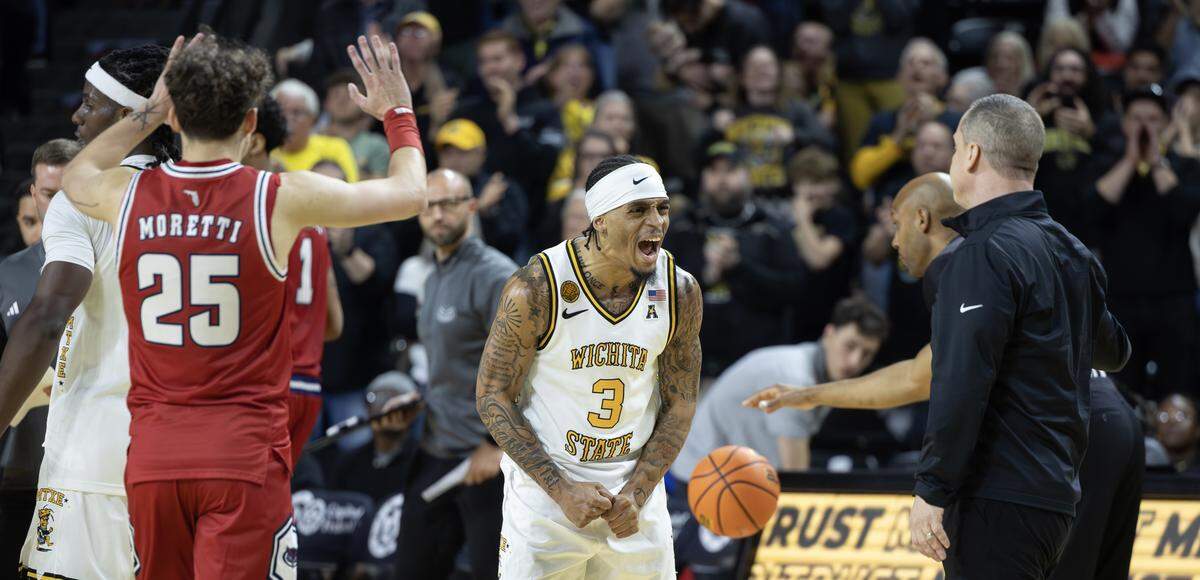
Season review: Kindell’s first season at WSU was uneven, but it also offered enough flashes to make him one of the more intriguing evaluations on the roster. He averaged 5.9 points and 2.3 assists in 17.3 minutes while shooting 44.7% from the field, 34.3% from 3 and 80% from the line.
His biggest impact often came through pace, pressure and playmaking. Kindell tied for the team lead with 84 assists despite playing significantly fewer minutes than the other primary guards, posted a strong 2.2 assist-to-turnover ratio and had a 22.4% assist rate that ranked 11th in the American. He also generated free throws at an impressive rate for his size, with a 51.4% foul rate.
His value went beyond the numbers. Kindell had a knack for changing games with his ball pressure, quickness and energy, especially late in conference play in wins like Memphis on the road and Florida Atlantic at home. The question entering the season was whether he and Kenyon Giles could hold up together defensively as two smaller guards, but that pairing actually produced a strong plus-12 net rating. The inconsistency came from his jumper and fluctuating role, as his minutes dipped late in the season.
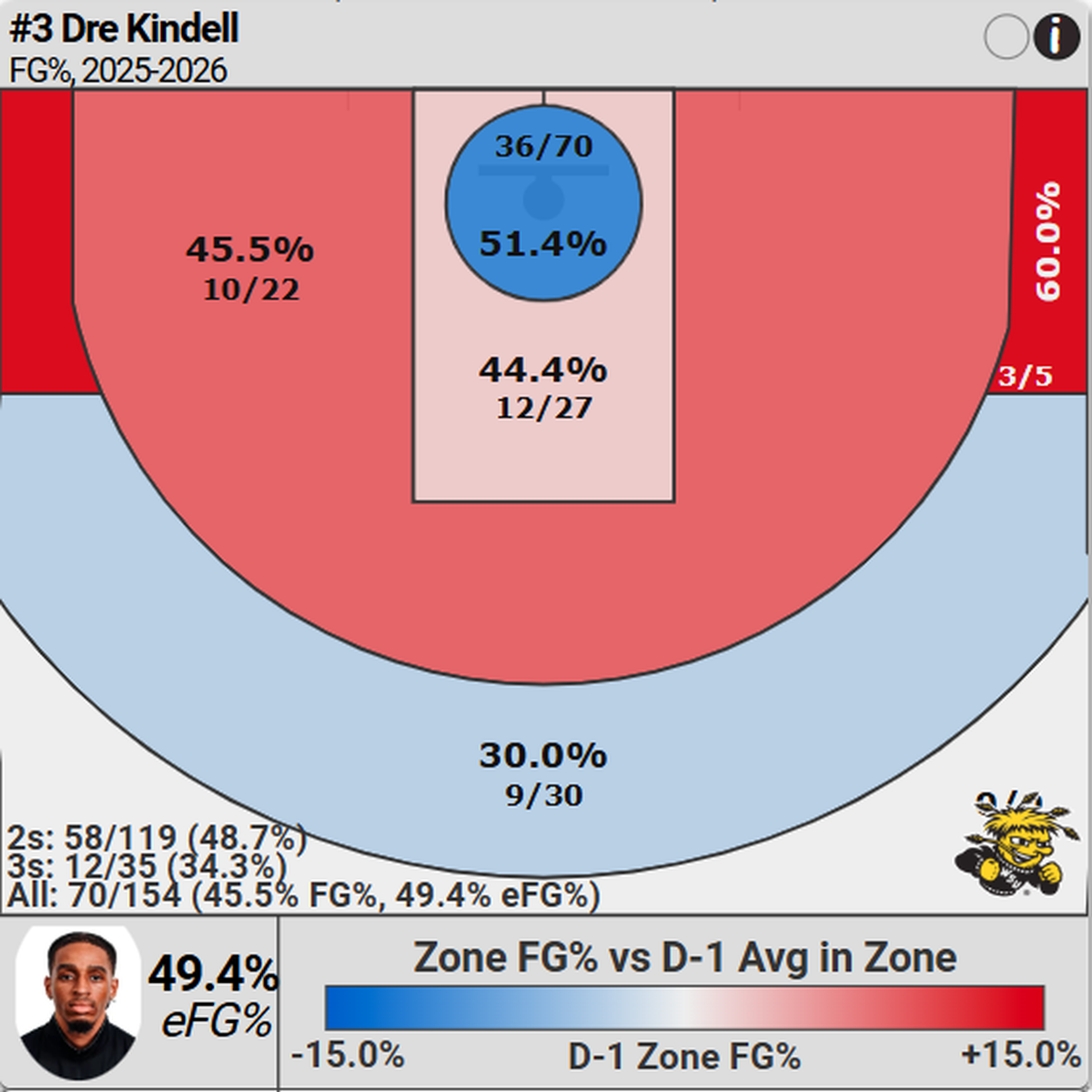
Looking ahead: Kindell has the tools to compete for the starting point guard job next season and there is a strong case that he could be a breakout candidate with more responsibility. He showed real promise in pick-and-roll play, he took better care of the ball than most guards and his postseason aggressiveness hinted that there may be another level there offensively.
He scored 21 total points in Wichita State’s three NIT games and looked more assertive hunting his own offense.
The question is whether that next step happens at WSU or somewhere else. For his final season of college basketball, Kindell may prioritize a situation with a more guaranteed path to minutes. His role appeared stable early, when he averaged 22.5 minutes in nonconference play, but it faded as the season went on. He played only 11.9 minutes per game over the final 12 contests.
That is the tension in his evaluation. WSU has every reason to want him back because of his defense, playmaking and energy, but Kindell also has reason to wonder where he can get the clearest opportunity. If he returns, he could be one of the most important guards on the roster.
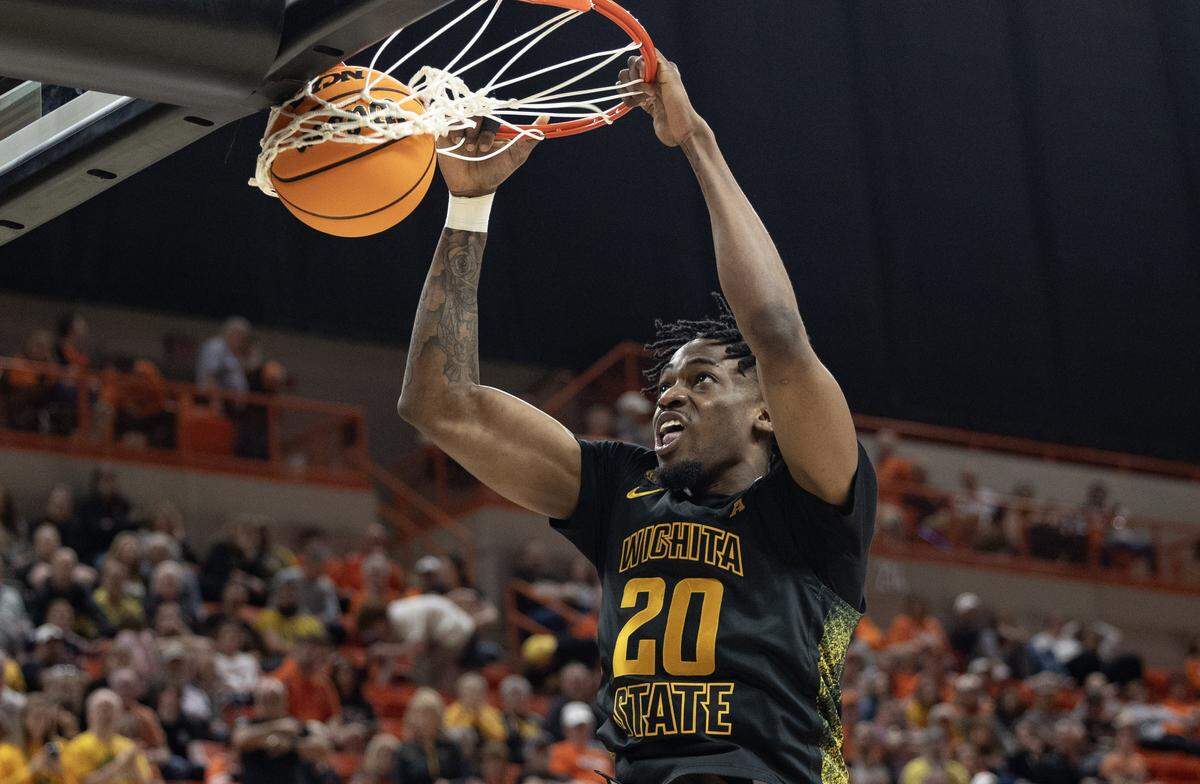
Emmanuel Okorafor, 6-10 senior center
Season review: Okorafor delivered a breakout season and became a key part of the frontcourt tandem that helped define WSU’s identity in the second half of the year. The senior center averaged 6.4 points and 5.2 rebounds in 16.9 minutes while starting 25 games, giving the Shockers a physical, reliable interior presence alongside Will Berg.
The two centers brought different strengths and Okorafor’s value showed up most in his rebounding, rim running and defensive activity. He ranked top-seven in the American in both offensive and defensive rebounding rate and finished top-10 in block rate.
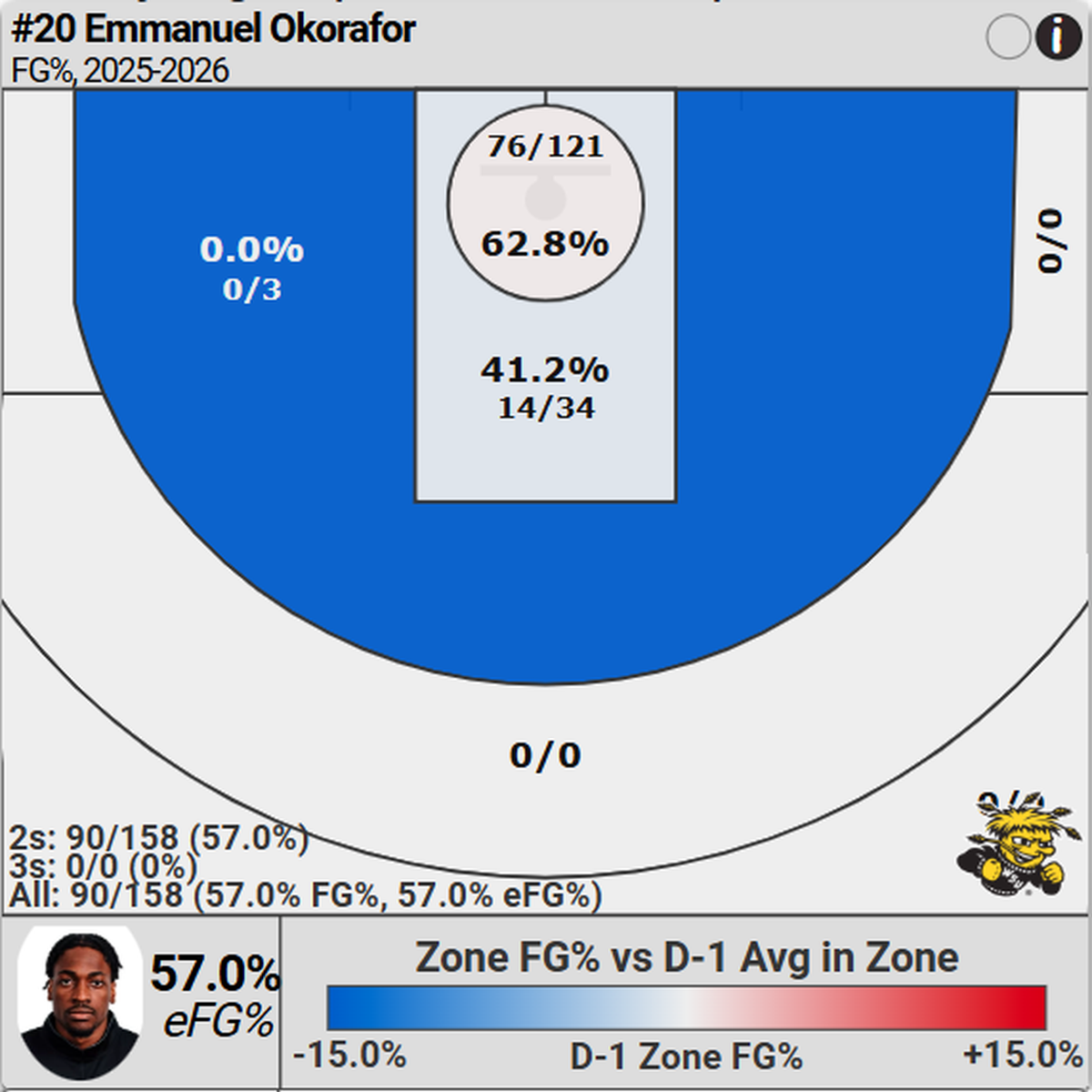
Offensively, Okorafor was at his best playing simply and decisively. He shot 62.8% at the rim and graded in the 68th percentile in points per shot there, while also excelling as a roll man in pick-and-roll, where he scored 1.32 points per possession. The issue was that WSU did not generate enough of those opportunities for him. His post-up game was much less effective, producing just 0.70 points per possession.
Looking ahead: Okorafor’s outlook hinges first on whether the NCAA grants his appeal for another year of eligibility, which may not be resolved until this summer. If he is cleared, WSU would have every reason to want him back. He and Berg formed an effective one-two punch, and bringing both back would give the Shockers a proven foundation in the frontcourt.
That kind of continuity would be especially valuable for a team whose winning formula was built so heavily on rebounding, rim protection and physicality.
The portal question is whether Mills can afford to wait. If there is no ruling by the end of April, WSU may have to pursue veteran insurance at center rather than risk being left thin. That makes Okorafor one of the most important roster dominoes of the offseason. As a player, his fit is fairly clear. He is very useful as a rebounder, screen-setter, rim runner and paint defender. If he returns, he makes sense as part of a shared center rotation rather than a player forced to carry the position alone. In that role, he would again be a valuable piece for a winning roster.
Tyrus Rathan-Mayes, 6-6 freshman wing
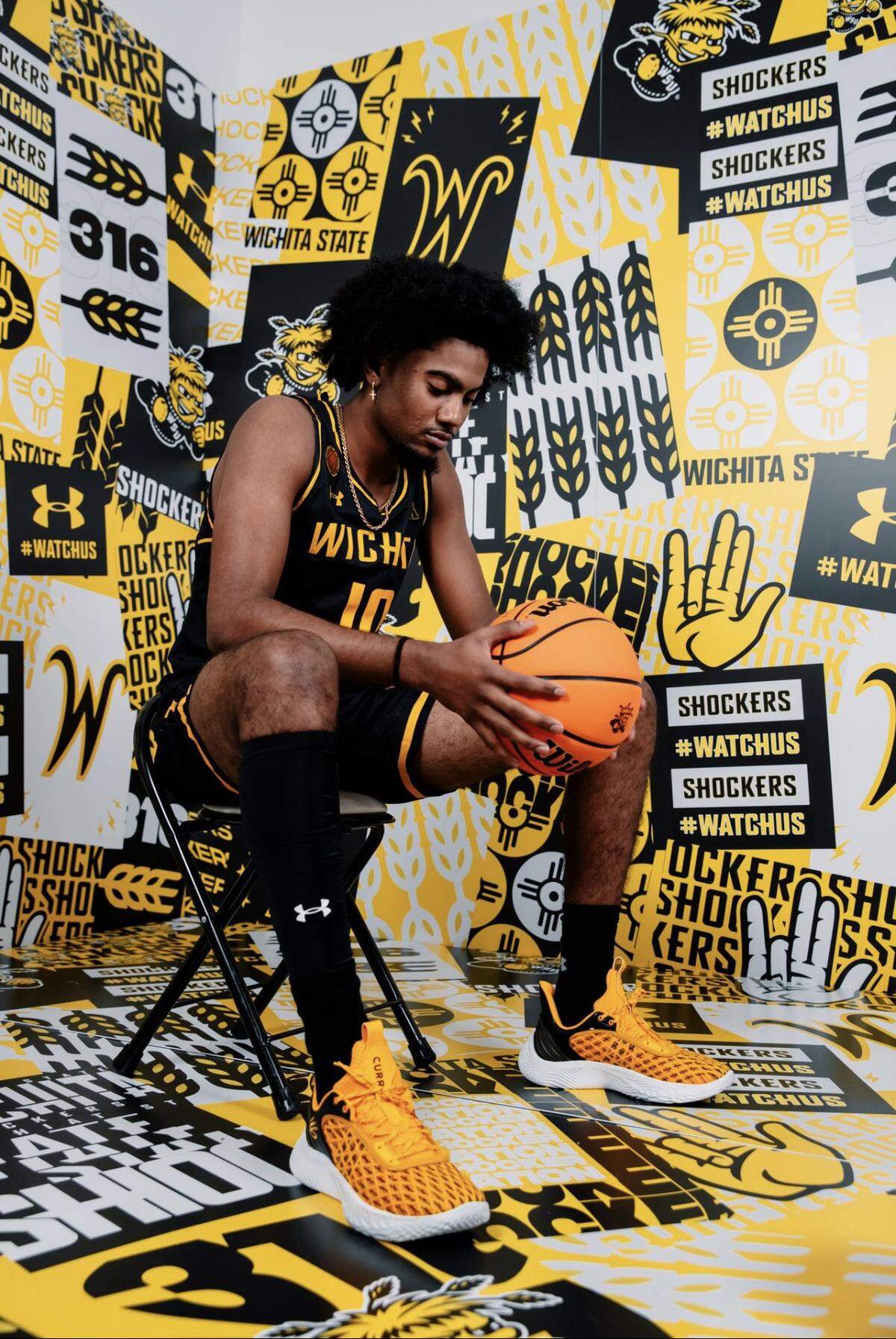
Season review: Rathan-Mayes did not log a minute this season after taking a redshirt, so there is no on-court production to analyze in the traditional sense. But for a developmental player, the most relevant review sometimes comes from what happened behind the scenes, and by that measure, Rathan-Mayes had a quietly encouraging year. Multiple WSU players pointed to him as an impressive performer on scout team.
That buzz matters because it hints at real offensive upside. Rathan-Mayes has a good 6-6 frame and has apparently turned heads with his scoring instincts, which fits the profile of a player WSU may be able to develop into a useful wing piece.
As a redshirt year, this season was less about evaluation through games and more about laying groundwork. He got a year to learn the system, adjust to the college level and develop physically without the pressure of producing right away. For a player whose coaches and teammates consistently spoke highly of his offensive game, that is a strong place to start.
Looking ahead: Rathan-Mayes, a former player for WSU assistant coach P.J. Couisnard in Houston, feels like one of WSU’s more intriguing wild cards going into next season. Because he has yet to play at the Division I level, there is naturally some projection involved, but the internal reviews suggest he could push for a role as soon as next season.
His appeal is easy to see: a 6-6 wing with scoring ability is always valuable and WSU does not have to force-feed him minutes right away to make him useful.
The most realistic early role may look something like what Brian Amuneke provided this season: an edge-of-the-rotation scorer who can come in for a short burst each half and earn more run if he is producing. That would allow WSU to bring him along without putting too much on his plate.
On a team that figures to be portal-active and trying to win immediately, Rathan-Mayes would still have to earn everything. But he does profile as the kind of in-house development piece who could outperform expectations and give the Shockers some bench scoring pop. At minimum, he is a player worth tracking closely this offseason.
Henry Thengvall, 6-7 senior wing
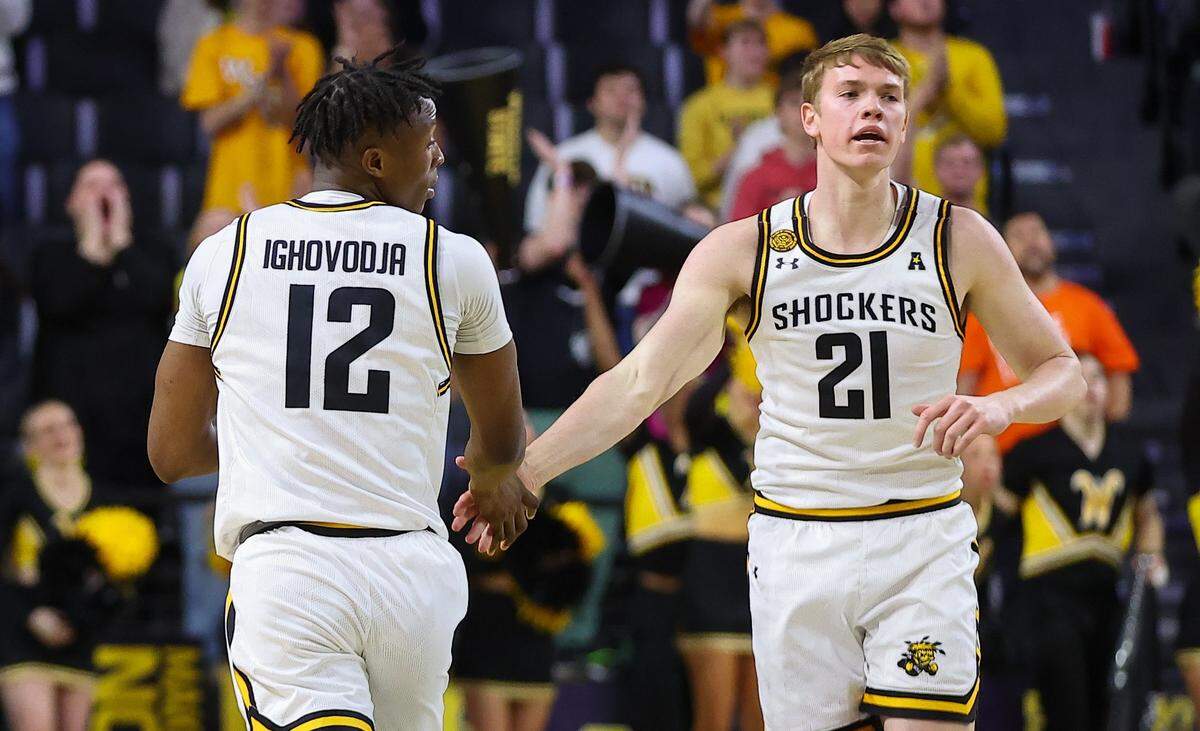
Season review: Thengvall’s value to WSU was never going to show up in the box score, but that does not mean it was insignificant. The Wichita native remained what every program wants at the end of its bench: a dependable culture piece who works, accepts his role and helps raise the standard every day in practice. With only three career baskets, Thengvall has not factored into the team’s on-court rotation in any meaningful way, so his impact is better measured through what coaches and teammates consistently say about him.
And by that standard, he appears to have real value. Teammates and staff rave about his approach in practice and the way he carries himself in the locker room. For a veteran who knows the program and has spent years in it, that matters. Players like Thengvall help sustain habits, keep energy steady and make sure the standard does not slip when the spotlight is elsewhere.
Looking ahead: Thengvall is on track to finish out a five-year career at WSU, which in itself says something in the current portal era. Realistically, it is hard to project an on-court role for him next season and that is unlikely to change. But not every roster decision has to be about points and minutes.
There is value in keeping a player like Thengvall because he provides continuity, leadership and example-setting behind the scenes. For an end-of-bench player, that is exactly what a coach wants: someone who embraces the daily work, strengthens the locker room and pushes teammates in practice. His role will almost certainly remain off the floor, but that does not make it unimportant.
Jaret Valencia, 6-9 junior power forward
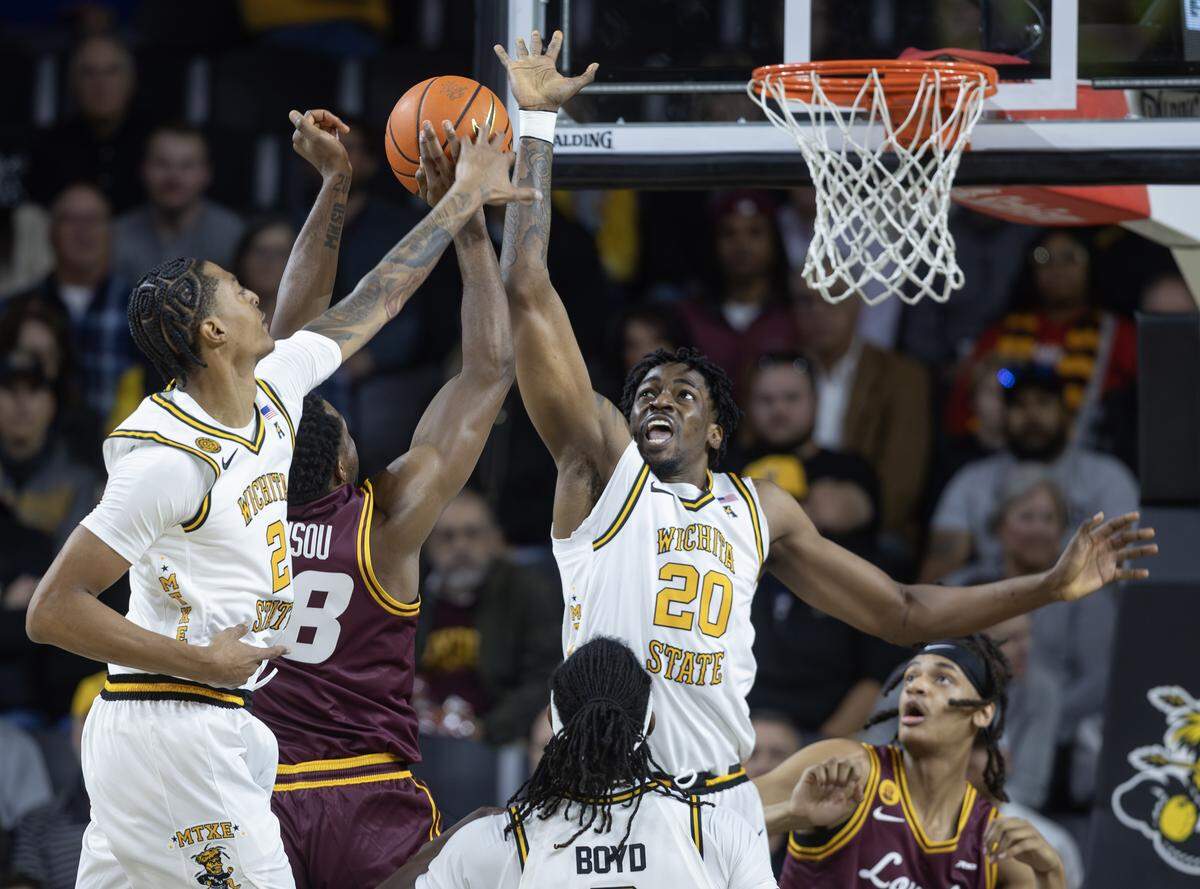
Season review: Valencia’s first season at WSU was defined almost entirely by bad injury luck. A groin injury right before the season opener cost him the first two games, then an Achilles tear over Christmas break ended his season before conference play ever began. That left Valencia with only 11 appearances, during which he averaged 2.8 points and 1.8 rebounds, far too small a sample to fully judge his impact.
Still, the bigger takeaway is that WSU clearly believed in his talent before the injury. Valencia’s combination of size, defensive instincts and potential floor-spacing at power forward gave him intriguing two-way upside, even if he never had the chance to settle into a rhythm. The hope was that he could resemble the player he was at Monmouth in 2023-24, when he averaged 8.9 points, 4.4 rebounds, 1.7 blocks and shot 41.3% from 3 on limited attempts. Instead, injuries kept him from showing much at all.
Looking ahead: Valencia is likely in line for a medical redshirt, which would make him a fifth-year junior next season if he returns, and WSU could talk itself into bringing him back because the talent is still worth betting on. His relationship with assistant coach P.J. Couisnard, his former coach in Houston, could help on that front as well.
The question is how much of that pre-injury form he can recover after an Achilles tear. That is a major injury for any frontcourt player, especially one whose value is tied to mobility and defensive activity. If the recovery goes well, Valencia could absolutely factor into WSU’s rotation as a versatile power forward with rim protection instincts.
But he will also be three years removed from his breakout Monmouth season and it remains fair to wonder how his game will translate to the American after so much interrupted development. Still, he makes sense to bring back as a talent bet.
T.J. Williams, 6-5 sophomore wing
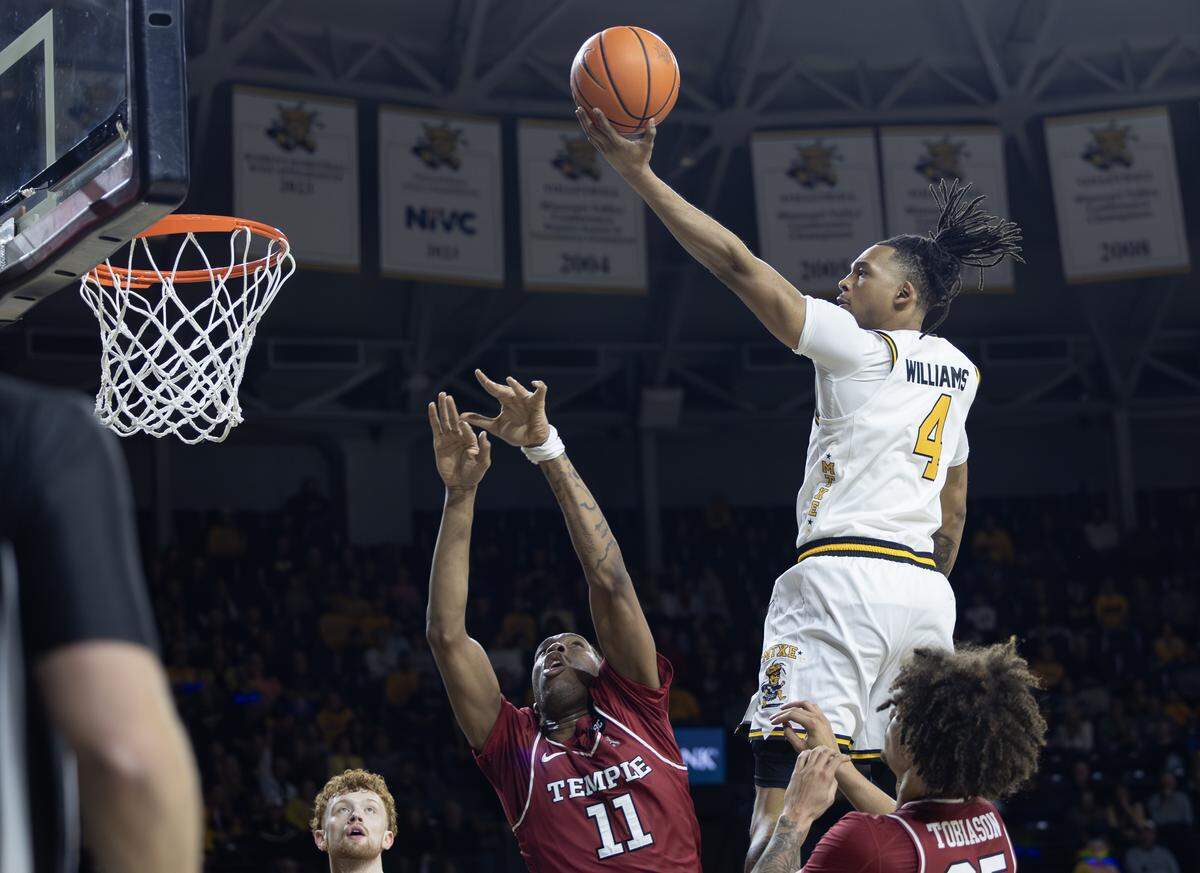
Season review: Williams is one of the biggest success stories from the season and one of the clearest building blocks going forward. The freshman closed the year averaging 12.2 points and 6.5 rebounds over the final month, highlighted by a 27-point breakout in the double-overtime win at East Carolina.
He finished his debut season averaging 8.4 points and 4.9 rebounds, but the bigger story was how many winning traits showed up in his profile. WSU’s offense exploded with Williams on the floor, posting a 121.3 offensive rating compared to 106.6 when he sat. The Shockers shot better, turned it over less, rebounded better and got to the foul line more with him in the game.
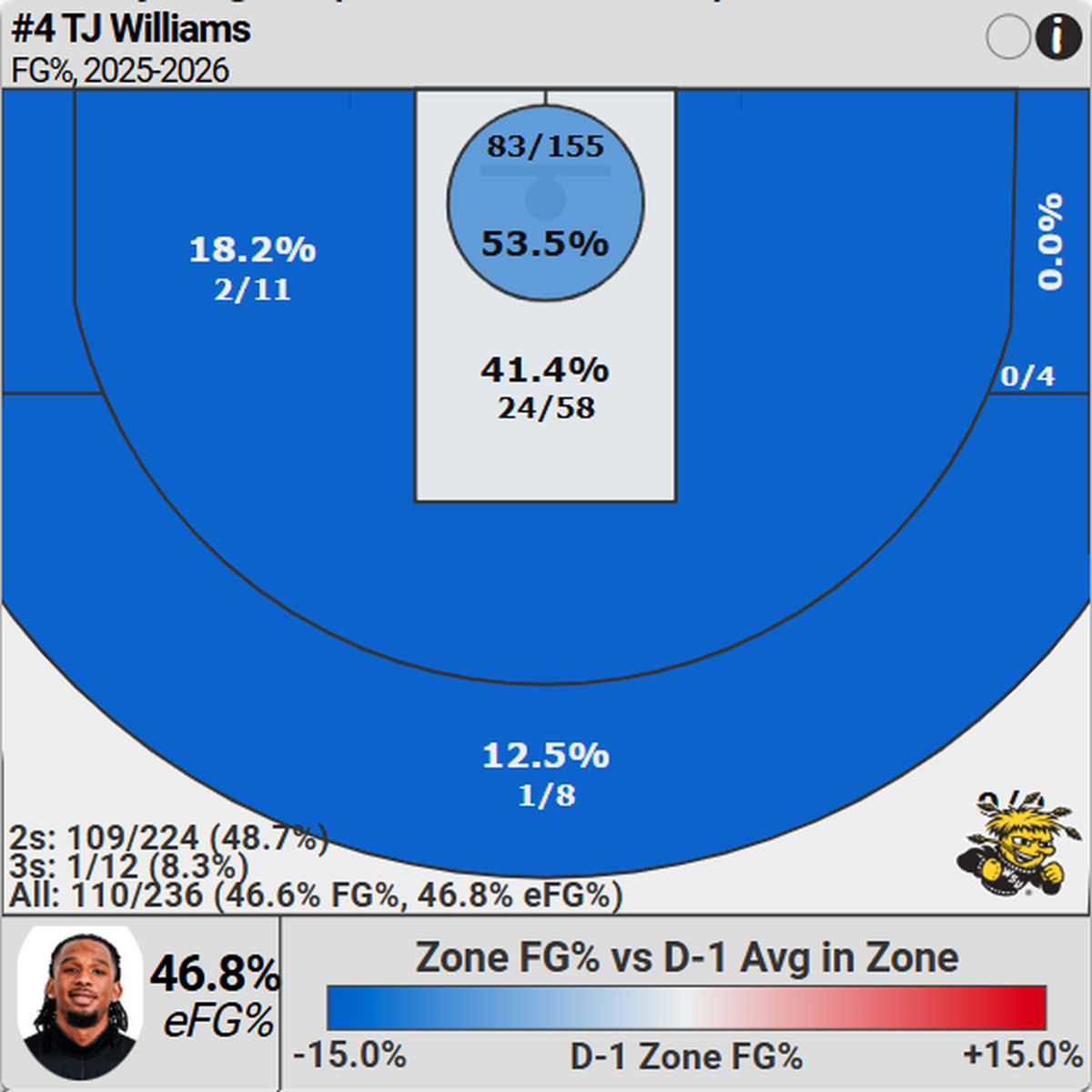
His game is still unconventional, but highly effective. Williams generated most of his offense at the rim, where he took two-thirds of his shots and finished 53.5%. He posted a strong 51% foul rate, ranked in the 76th percentile on cuts at 1.37 points per possession and helped WSU recover 40% of its misses when he was on the floor.
The jump shot is the clear weakness after going 3 for 23 on all jumpers, but he still found ways to produce through force, timing and athleticism.
Looking ahead: Williams should be one of WSU’s top retention priorities. He already looks like a breakout candidate and the most exciting part is that he was this productive without a dependable jump shot. That speaks to how advanced he already is as a rebounder, cutter, transition scorer and physical mismatch. As a Wichita native with obvious upside, he feels like exactly the kind of player WSU needs to keep and build around.
The dream scenario for Paul Mills would be retaining both Williams and Dillon Battie, then finding a way to play them together more often next season. That would give WSU a powerful, versatile pairing that could overwhelm teams on the glass and create matchup problems with their physicality. For that to fully click, one of them probably needs to become a credible 3-point threat and Williams’ jumper will be the biggest offseason swing skill.
But even if the shot is still a work in progress, Williams has plenty of room to grow elsewhere. His ball-handling and playmaking could be the next phase of his game to unlock because he has the strength and feel to attack mismatches and potentially serve as a secondary creator. If that part develops, he has the tools to become one of the most important players on next year’s roster.
This story was originally published March 26, 2026 at 7:01 AM.
.jpg)