
Dillon Battie waited his turn at WSU. Why this breakout might just be the start
For the first two months of the season, Dillon Battie’s name barely echoed inside Koch Arena.
The Wichita State sophomore would check in for brief stints, sometimes not at all. The box score barely noticed him. There were no highlight clips. And no guarantee the next game would be any different.
And yet, behind the scenes, Battie kept preparing like a starter.
He stayed after practices. He listened longer. He asked more questions. He took the hard coaching. He quietly stacked days of progress.
As WSU begins its most important week of basketball at Koch Arena in five years, starting with Wednesday’s 6:30 p.m. game against South Florida, Battie is now in the starting lineup and playing a crucial role for the Shockers in their American Conference championship hunt.
He’s not just filling a spot, but changing games with the kind of force and athleticism that suggests WSU may only be seeing the first layer of what he can become.
Battie’s path from out of the rotation to the starting five wasn’t fueled by frustration or entitlement. It was built on something more durable: humility.
“I think God has a path for everybody,” Battie said. “So in my mind, I just had to stay committed to the work and trust that the work was going to show at some point.
“Some people quit when it doesn’t go their way, or tap out. That’s not me. I’m never going to do that. So this has been super rewarding, and it feels great to now be in a position where I can help my team win.”
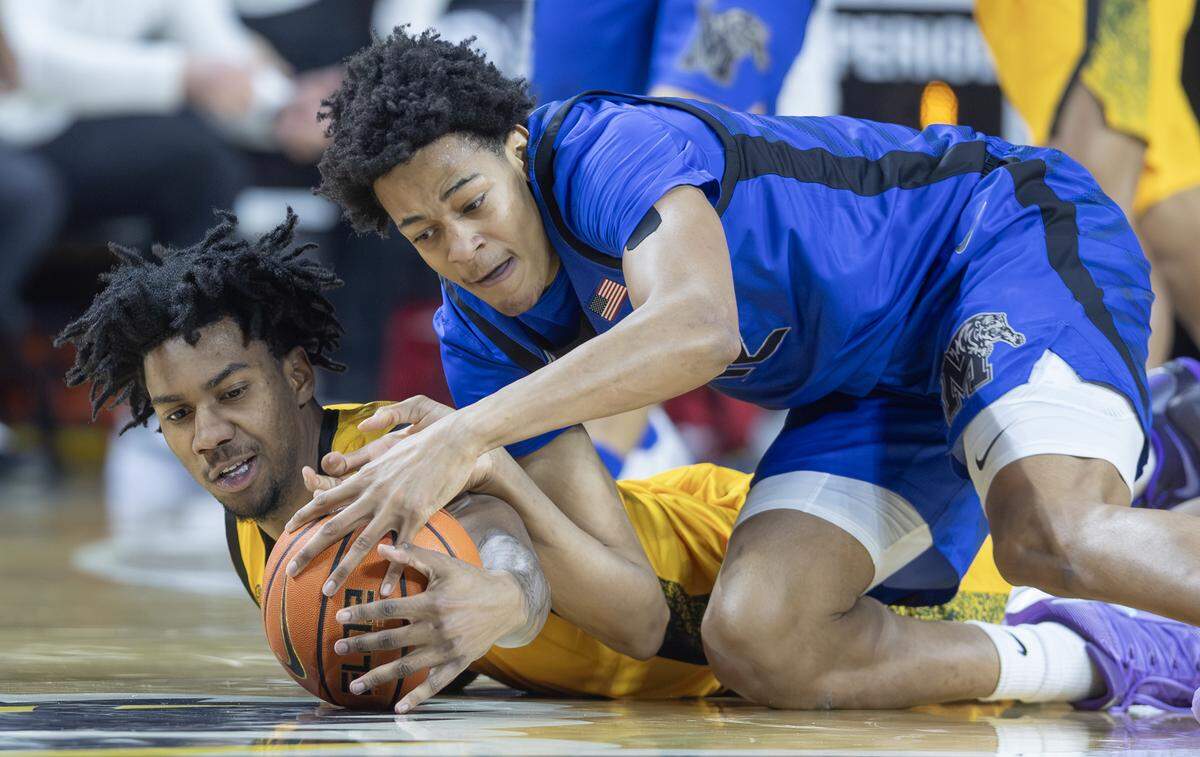
The invisible work that built a Wichita State starter
Battie’s first season with the Shockers has been of emotional swings.
When Jaret Valencia missed the first two games, Battie averaged 19 minutes. Once Valencia returned, Battie’s role shrank dramatically. Over the next 11 games, Battie averaged just over six minutes and didn’t leave the bench in five of them.
For many young players, especially one with his pedigree, that’s where the doubt creeps in. Or ego.
Battie comes from a basketball bloodline. His father, Derrick, was a four-year starter at Temple and an NCAA Tournament regular under legendary coach John Chaney. His uncle, Tony, was the No. 5 pick in the NBA Draft and played 15 seasons in the league. His younger brother, Dawson, is already a five-star prospect.
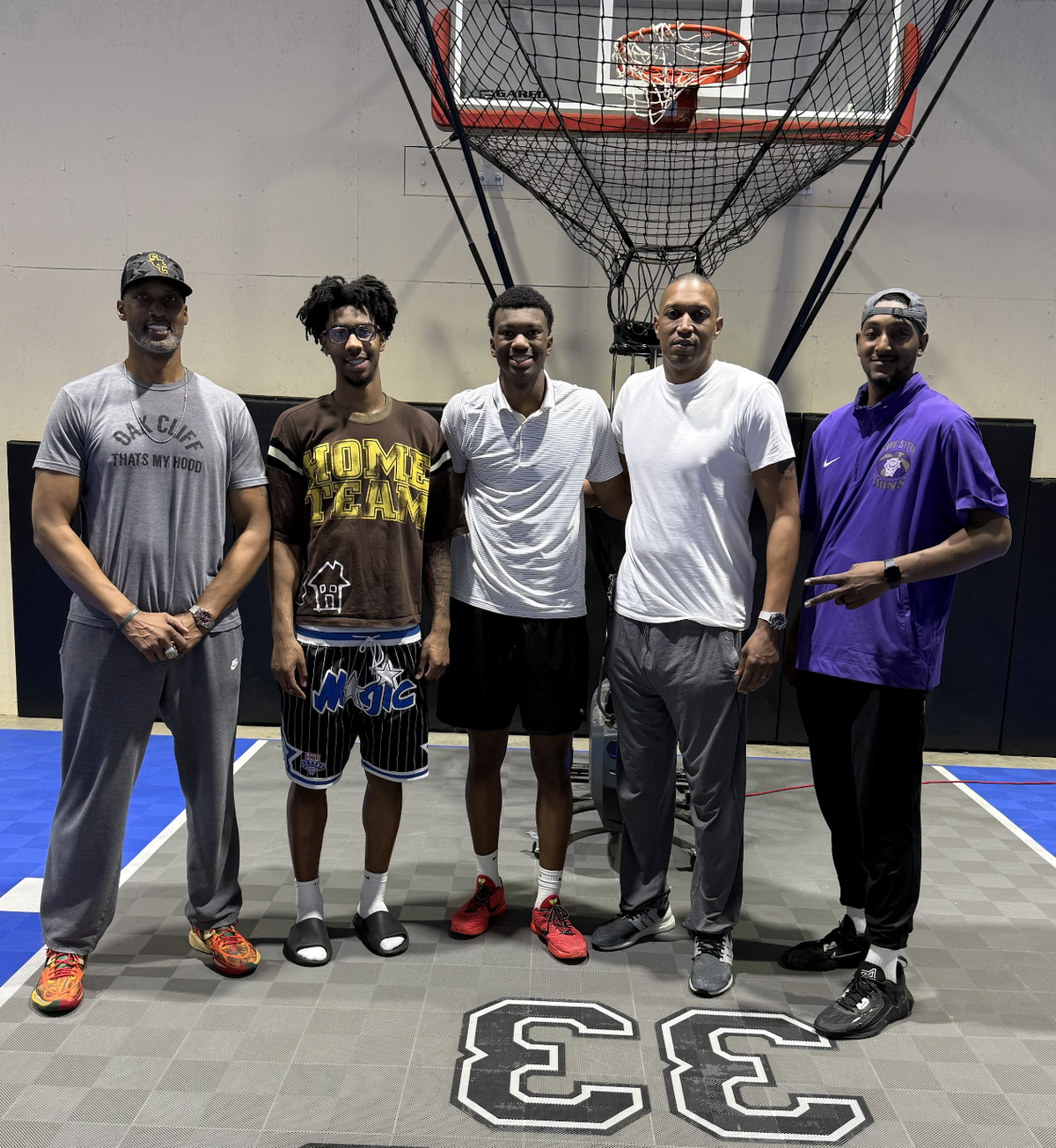
But inside the family, reputation is never treated as a shortcut.
“It helps when you have people right in his own home to explain how difficult it is,” Derrick Battie said. “We worked with him on maturity and understanding that these older guys have earned their right and sometimes you have to wait your turn.”
Instead of stewing, Battie leaned in to the work.
WSU’s staff runs what it calls a “stay ready” group — extra, high-intensity individual workouts for players outside the regular rotation. The day after games, when the rotation players recover, that group goes hard. Extra reps. Extra teaching. Extra correction.
Battie treated those sessions like game minutes.
“We always saw him in the gym, so I think he was always ready for this moment,” WSU star Kenyon Giles said. “We just kept telling him, ‘Stay ready, your opportunity is going to come.’”
The family’s relationship with WSU coach Paul Mills helped anchor that patience. Mills has known Derrick Battie for nearly two decades, dating back to his time as an assistant at Baylor when Derrick was well known in Dallas recruiting circles. Mills also recruited Derrick’s nephew, T.J. Maston, to Baylor and that experienced gave Derrick added trust and perspective during Dillon’s recruitment to WSU.
“I trust Paul like a second father to my son,” Derrick said. “Because a lot of these younger coaches, they don’t understand how to build relationships. They can sit in front of a kid and never realize there is so much more to this kid than just basketball. You have to pour into them and that’s what makes Paul Mills special. He’s turned Dillon into a believer.”
There was some concern, Derrick admitted, when Dillon rarely got off the bench during the first two months of the season. His son had just left Temple, his alma mater, after a similar situation that kept Dillon stuck in a limited role. He hoped it wouldn’t be a repeat, but he never called Mills to question the minutes.
Based on their long history, he trusted the coach to handle Dillon’s development in the right way.
“Dillon has a wonderful family who gets it,” Mills said. “They are a basketball family, so they understand.”
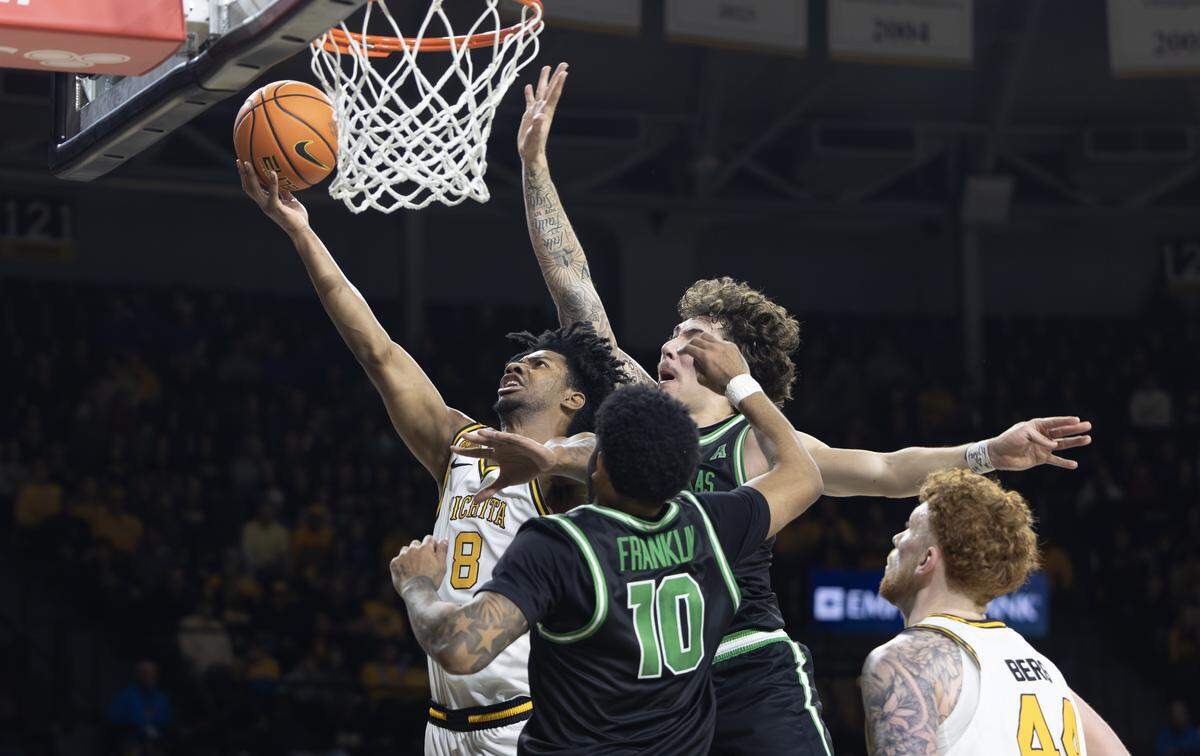
How Dillon Battie stayed ready for his opportunity
One of the first lessons his father taught Dillon when he arrived in college was that a player’s role at the start of the season rarely matches how it looks at the end. A basketball season stretches across five months and plenty can happen along the way to change where you fit.
That proved prophetic for Dillon’s experience at WSU.
Valencia suffered a season-ending Achilles rupture during Christmas break before the start of conference play. Soon after, T.J. Williams missed a game with a concussion. In a matter of 10 days, Battie went from deep reserve to the starting lineup.
In his first start against North Texas, Battie produced 10 points, nine rebounds, a block and two steals. He hasn’t given the job back.
In eight games as a starter, Battie is averaging 9.4 points and 6.4 rebounds while shooting nearly 59% on 2-point attempts. WSU is 6-2 in that stretch.
“I just kept learning the game and staying ready,” Battie said. “That’s really all it is. I’ve been learning as I’ve been playing more and trusting my teammates, and they trust me.”
When he wasn’t playing, Battie went to Mills to ask him what he needed to do to earn more playing time. Mills gave his three pillars: be an elite athlete, take great shots and defend relentlessly.
It’s easy to see how the first two can work together, especially with how Battie has embraced his role as a cutting weapon in WSU’s offense. According to Synergy data, Battie ranks in the 76th percentile nationally as a cutter, scoring 1.39 points per possession and shooting over 70% on those plays. His outside game is still a work in progress to stretch defense, but he’s already managing to turn spacing into scoring by timing dives and slashing behind ball-watching defenders.
“I knew since this summer that he was a dude,” Giles said. “He plays with a lot of force. He can get to the paint at will.”
That force shows up everywhere in Battie’s game: transition pushes, closeout attacks, second jumps on the glass. He’s drawing fouls at an elite rate and also climbed into the top tier of the American in defensive rebounding rate during league games, trailing mostly true centers.
He is coming off a career-best game where he scored 19 points on 8-of-10 shooting with nine rebounds against Tulane that illustrated the formula. Against a shape-shifting zone, he didn’t hesitate. He was decisive and played with the controlled aggression that Mills has been asking for.
“Coach always tells me that if I play under control, then I’ll get whatever I want at the rim,” Battie said.
Control has been the key adjustment there. Early in the season, Battie attacked with wild, one-foot launches and off-balance finishes. There’s still the occasional out-of-control drive, but film study and learning as he goes has reshaped that part of his game.
The more time Dillon has spent on the court, the more disciplined he has become as a player.
“We’re definitely really proud of Dillon, just seeing his growth,” Karon Boyd said. “Early on, you saw him be the first one to jump and catch that foul. Now he’s staying on the floor and being the second jump and really staying in front of people, which is really good.”
Battie saw it on tape himself.
“I noticed on film I needed to stay down on defense because I was jumping first too much and I was getting fouls,” Battie said. “So I started thinking about staying down more and how can I stay in front of the ball more.”
Battie still has lapses. Before conference play, he had logged just 232 career minutes on the floor, so growing pains are part of the deal. There are still possessions when he gets caught ball-watching, leaves his feet too early on defense or forces a tough look in the paint.
But the key is that Battie is learning from those mistakes, trimming them down and flourishing with more playing time instead of shrinking from it.
“There’s work to do, but that’s all of us in life,” Mills said. “He’s really made strides. We’ve encouraged Dillon that his awareness has to be better. So we’re kind of watching him learn on the go.”
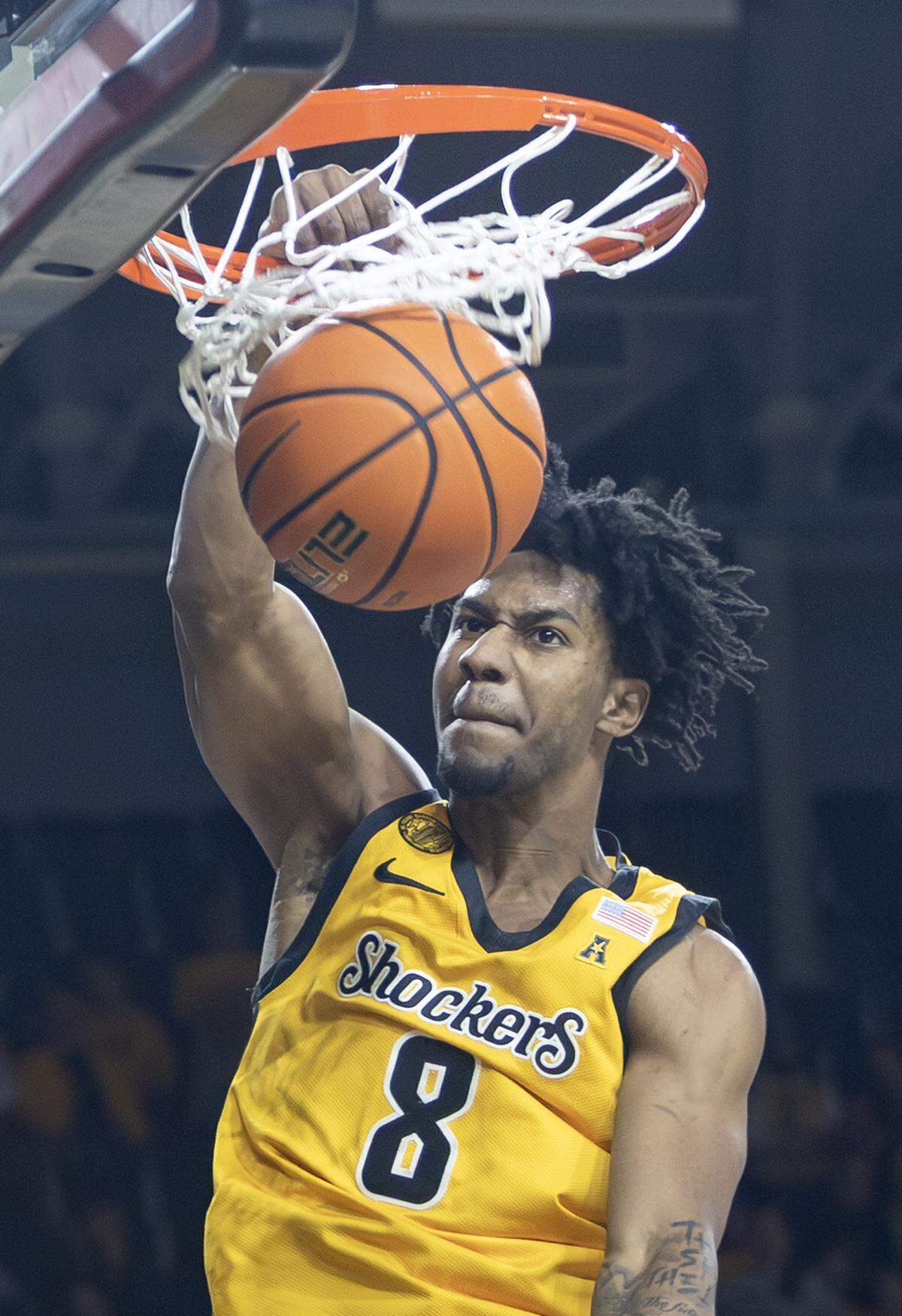
Why this may only be the beginning for Dillon Battie
Hang around Mills long enough and there’s a good chance you’ll hear him talk about apperceptive mass — the mental library of experiences players draw from during games.
Young players don’t have much of it yet. Battie knows that. He once texted Mills acknowledging exactly that, even using the term “apperceptive mass,” which delighted the coach. It showed not just retention, but reflection.
The more minutes Battie logs, the more that library of knowledge fills.
“You tell some players something and it’s five, six, seven games before they really understand what you actually need them to do,” Mills said. “Dillon has been able to incorporate stuff the following game or the following practice. He’s very coachable.”
His support system has helped accelerate that learning. After games growing up, he has two former pros in his own family to offer critique. Details. Angles. Footwork. Reads.
“I know not everyone has that kind of support and that kind of knowledge behind them, so it’s just a blessing for me,” Dillon said. “I wish every kid could have a connection like that with their father.”
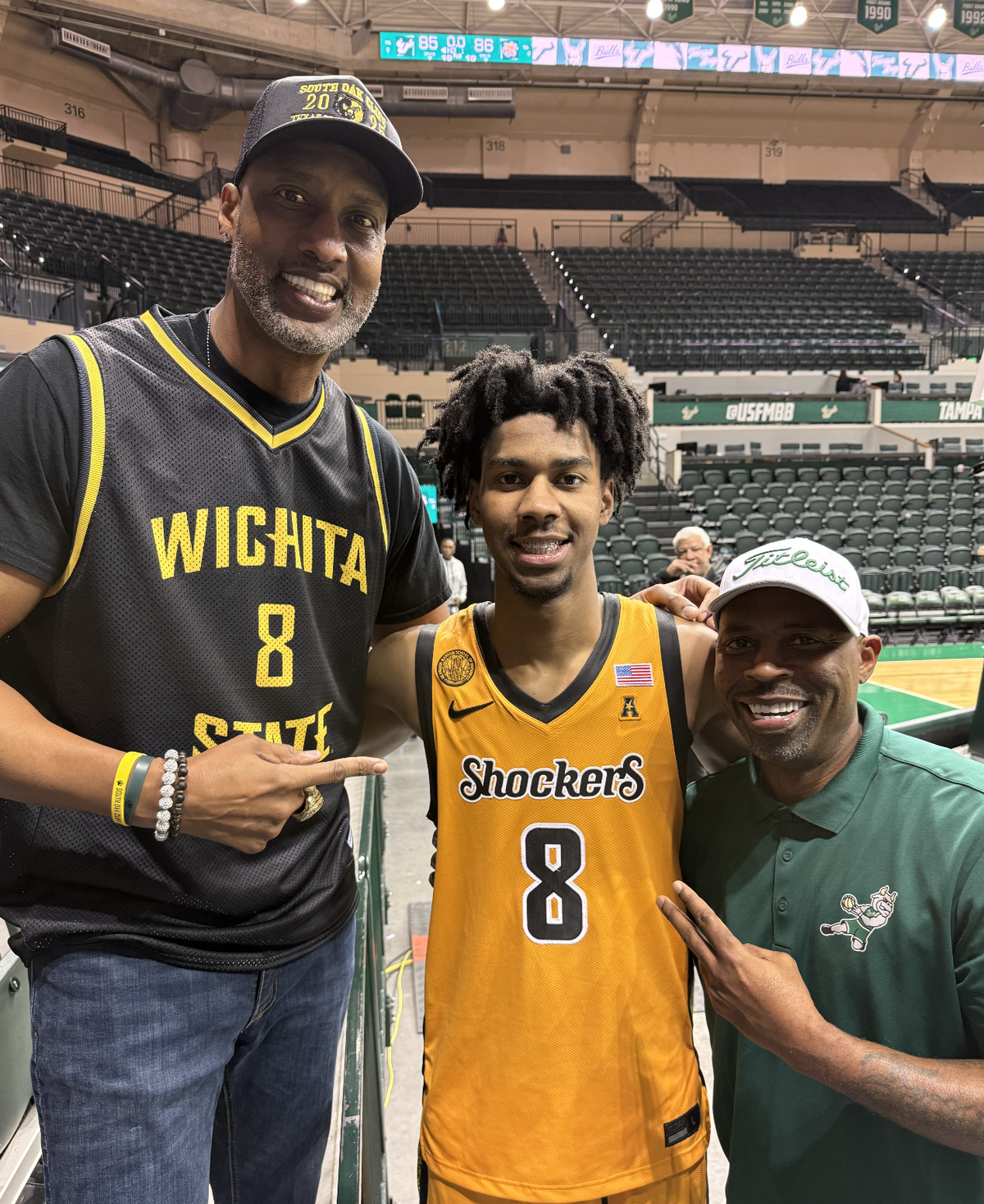
There are still obvious growth areas, particularly with his foul shooting, which is below 50% for the season and must improve given how often he gets to the line. His perimeter shot remains mostly theoretical for now.
But given the chance to play extended minutes, his father says it’s not a coincidence Dillon is starting to shine with the Shockers.
“Sometimes you’ve got to let guys play through their mistakes,” Derrick said. “I think the more he’s able to do that, the more comfortable he’s going to get. That’s going to play into his confidence. And the more confident he gets, you’re going to see a special player come out. This kid can flat-out put the ball in the hoop.”
WSU teammate Will Berg gravitated toward Battie this summer because he recognized parts of his own path in him. Berg spent three years at Purdue, waiting his turn, using practices as his proving ground and absorbing everything he could to grow as a player.
When Battie’s minutes were scarce in November and December, Berg urged him to stay patient and trust the process. No one on WSU’s roster appreciates Battie’s rise more than Berg, who understands firsthand how difficult that stretch can be — and how rewarding it is when the work finally starts to show up in games.
“I’ve talked to him a lot about how you don’t have to make big, big improvements every single day,” Berg said. “If you just focus on getting a little bit better all of the time, then that’s what matters. I’m really proud of him for embracing the grind like he did.”
Battie said his internal compass has never changed, even when his role did.
“My dedication to the game is what keeps me in check,” he said. “I know how important it is to keep learning. I would be dumb not to sponge it all in and absorb it to become the best player that I can be.”
When Battie was weighing his transfer portal options this summer, his father said there were easier paths available — programs that promised immediate minutes, more shots and a featured role.
But when he explained what Dillon would gain by playing for Mills, his son was all-in. He wasn’t chasing the short-term boost, he was betting on long-term development.
“Paul Mills is a coach who truly understands development,” Derrick said. “And Dillon has a desire to take hard coaching and to be developed. Some of these young kids, they don’t want to put the work in. They want it to be given to them. That’s not the way Dillon is. He wants to work for it.”
Right now, the payoff is visible: a starting spot earned, productive minutes and winning basketball.
Once an invisible reserve, Battie is now making his presence felt on the court.
And inside the Battie household, they believe this is just the starting line.
“Dillon is going to do whatever he can to make sure his team wins the game,” Derrick said. “Whatever role that is, however big or small, he’s going to embrace it and give the Shockers 100%. Because we know they can win this league. And he wants to help them do it.”
.jpg)