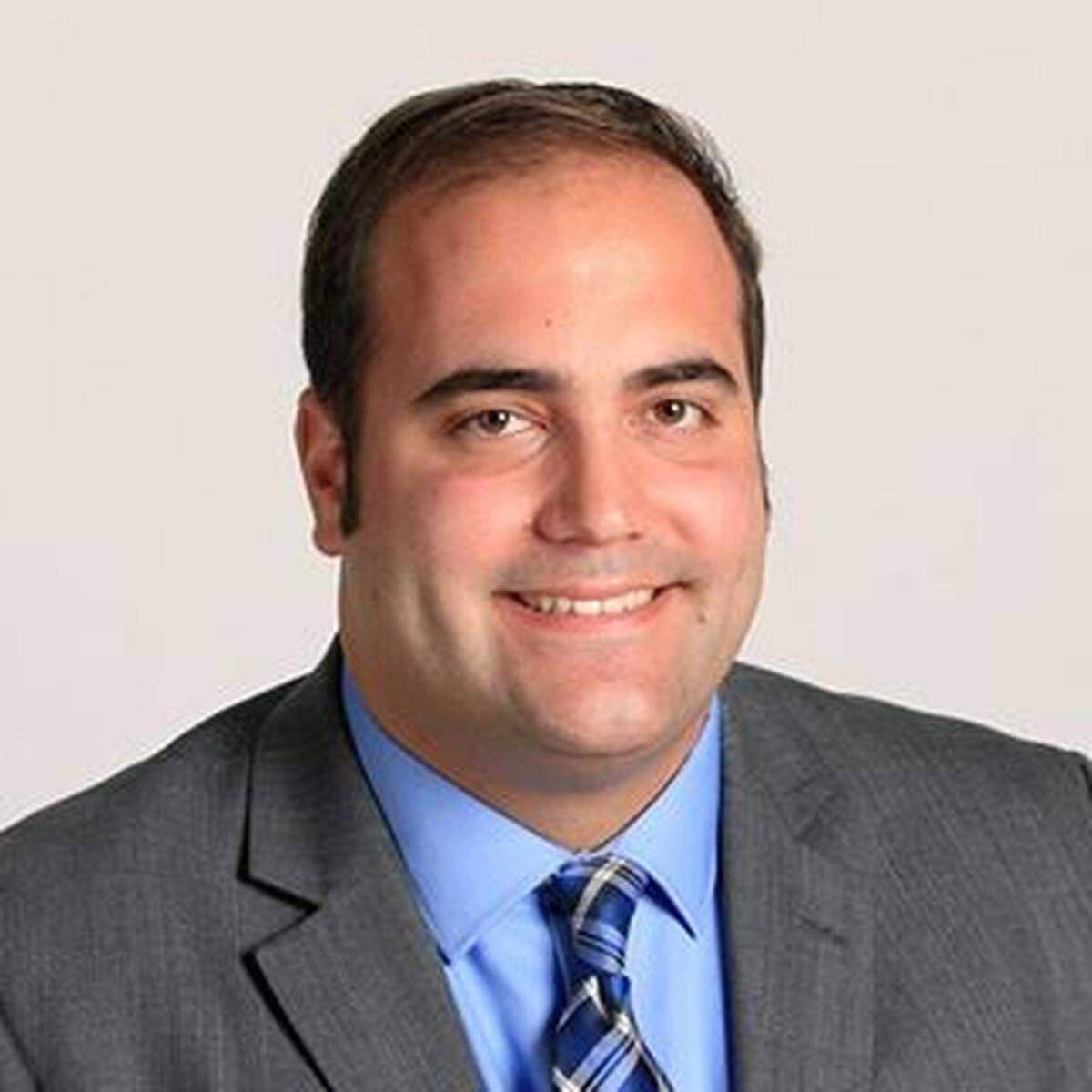
KU chancellor, at Senate hearing, says federal law on student-athlete pay needed
University of Kansas chancellor Douglas Girod urged senators Tuesday to adopt a national standard on student-athlete compensation after California passed a law last year to enable college athletes to strike endorsement deals.
Girod and Big 12 commissioner Bob Bowlsby were among the officials to testify Tuesday at the first hearing on student-athlete pay in the U.S. Senate.
The hearing was presided over by Sen. Jerry Moran, a Kansas Republican and KU alum who used his opening statement to tout his alma mater’s success in men’s basketball and women’s soccer.
The California law, which takes effect in 2023, will enable student-athletes to hire agents and prevent universities from restricting student-athletes from profiting off of their name, image and likeness.
Twenty-five other states, including Missouri, are considering similar legislation, potentially setting up different rules from state to state unless Congress moves forward with a national standard.
Girod said a federal law will be needed to ensure fairness because Division I universities compete in all 50 states.
“Only a federal approach that creates a level playing field for competing athletes and universities makes sense,” Girod told the Senate Commerce Subcommittee on Manufacturing, Trade and Consumer Protection at the packed hearing.
“KU acknowledges that it is a new day in college athletics, and if there is an opportunity for student-athletes to earn value from their name, image and likeness, we should support them and provide reasonable guardrails that will protect them and the integrity of the game while maintaining successful educationally-based athletic programs across the country.”
KU is accused of five Level I NCAA men’s basketball violations because of alleged payments made by representatives of Adidas, KU’s apparel sponsor, to families of Jayhawks recruits in order to secure their commitment to play at Kansas.
Two hours into the hearing, Girod referenced the allegations against the school. He said KU doesn’t agree the evidence supports the allegations. KU athletic director Jeff Long and other university officials were in the audience as Girod testified.
Girod cautioned lawmakers not to lose sight of the fact that 98% of student-athletes do not have an opportunity to turn professional after graduation.
Bowlsby was more critical of the push to enable students to profit from their names and likeness, which he argued could improperly influence the recruitment process and harm the college athletics system.
“I fear that if we adopt a process that permits per se ‘play for pay’ or any proxy for ‘pay for play’ we will find ourselves changing the team chemistry that has made college athletics so special,” the Big 12 commissioner told the committee.
“I fear, and I believe, that the invitation of third parties into the NIL (name, image and likeness) space will irretrievably insert them into the recruitment and transfer environment. We have already witnessed far too many such intrusions on fair play,” Bowlsby said.
Sen. Richard Bluementhal, a Connecticut Democrat, noted that other college students are able to profit from their skills, such as a music student earning money through performances or teaching lessons, but student-athletes are held to a different standard.
He also noted that many college coaches earn compensation on the level of corporate executives and are in some cases the mostly highly paid public employees in their states.
“Everyone is profiting off of the fame, likeness of student-athletes except the athletes themselves,” Blumenthal said.
Ramogi Huma, the executive director of the National College Players Association, called arguments from NCAA officials about the potentially destabilizing effect of student compensation a smokescreen.
He pointed to how TV contracts already give schools in power conferences, such as the SEC, advantages over other universities in terms of recruitment.
“NCAA sports imposes second-class citizenship on college athletes in its pursuit to monopolize all commercial dollars generated from college athletes’ NIL rights. NCAA colleges are complicit since they collectively adopt and maintain NCAA rules,” Huma said.
The Star’s Jesse Newell contributed to this report.
This story was originally published February 11, 2020 at 11:31 AM with the headline "KU chancellor, at Senate hearing, says federal law on student-athlete pay needed."