
Magical but not magic: A World Cup day behind scenes with KC2026 CEO Pam Kramer
When Pam Kramer began the daunting task of pioneering Kansas City’s operations for the 2026 FIFA World Cup, no doubt she was attuned to the immensity of the moment.
Even before being introduced as KC2026 CEO nearly two years out, she was counting down days (693 when she officially started) to underscore how every … single … one mattered.
And the former Sprint, Chiefs and Kansas City Current executive also was clear-eyed about why:
The scale was unprecedented: across 16 cities in three countries with more games (from 64 to 104) and nations competing (from 32 to 48) than ever before. And the expansive format would be a particular novelty for the Kansas City area, where the spectacle of hosting six matches (and ultimately four base camps) would loom largest overlaid on the smallest of the sites.
“Time is evaporating,” she remembered saying as she put up a countdown slide at a KC2026 board meeting before she’d taken the job.
And accelerating, it seemed, with no real template for something of such overwhelming proportion and duration.
While FIFA provided guidance and KC2026 had established a baseline, virtually everything that would determine the experience and potential legacy of having this here had to be engaged, animated and even created.
Among what seems like infinite details, that included essentials such as coordinating safety and security planning. And facilitating a regional transportation system to get to a stadium that nearly everyone historically has driven to … in a sprawling bi-state area that is deficient when it comes to broad mass transit.
In other words …
“From scratch,” as Julie Lorenz, a KC2026 advisor and former secretary of the Kansas Department of Transportation, put it the other day.
In the beginning, it took Kramer and staff assembling list after list after list after list. And then, well, something like lists of lists. Then merging all that and FIFA work streams into an Excel file — one that Kramer and KC026 chief of staff Ben Tenbrink reckon they ought to look back at one of these days to see how it held up.
Out of that emerged the notion of what Kramer proudly calls a “team of teams” that came to flourish.
Sorting it out also took a lot of listening, whether it was to Kansas City Sports Commission/Visit KC leader and vital World Cup catalyst Kathy Nelson, Lorenz and other advisors or people like Joe Reardon — who as chairman and CEO of the Greater Kansas City Chamber of Commerce offered perspective of common benefits over singular interests.
She heeded the guidance of Cliff Illig, the estimable businessman and Sporting KC co-owner who pushed her to consider fresh viewpoints and persuaded her to increase staffing.
Something she initially resisted because she didn’t want to ask for more. And, well …
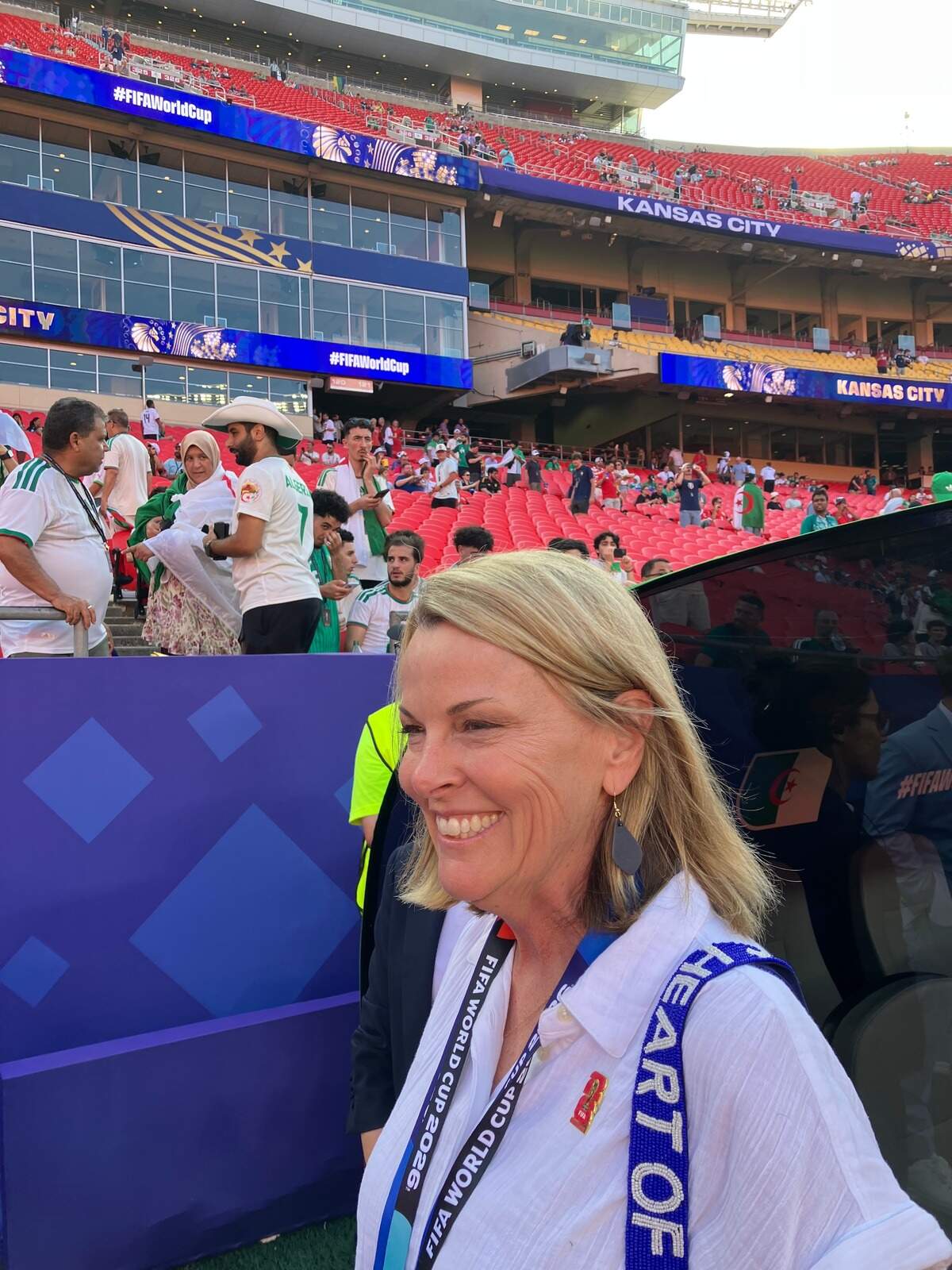
“I may or may not be a control freak,” she said with a laugh Saturday evening en route to Kansas City (Arrowhead) Stadium for the Algeria-Austria match.
Thankfully for all concerned, really, she also prospered by the encouragement of KC2026 board members Esther George and Jake Reid and others in moments when it just all felt like too much.
“No, no, come on, Pam,” she recalled being told by Reid, Sporting KC’s president and CEO. “Just hang in there.”
Magical but not magic
Through all that, Kramer emerged as just the right person to be able to shepherd and navigate this unfathomable endeavor.
Someone who could at once articulate the grand scheme while understanding the most granular details.
Someone who could cultivate trust from numerous and diverse stakeholders, including crucial sponsors who made a pivotal commitment after an August 2025 dinner at the National World War I Museum and Memorial when funding for Fan Fest seemed imperiled.
The next day, she remembers Reid telling her, “We’re going to look back on that night and say, ‘That was a moment.’”
A force who makes people feel heard and seen and could galvanize so many working endless hours to make this all happen. And a presence who at every turn has understood that this World Cup has been about being part of something much bigger than ourselves.
That was something she radiated over and over in real time Saturday as I shadowed her much of the day:
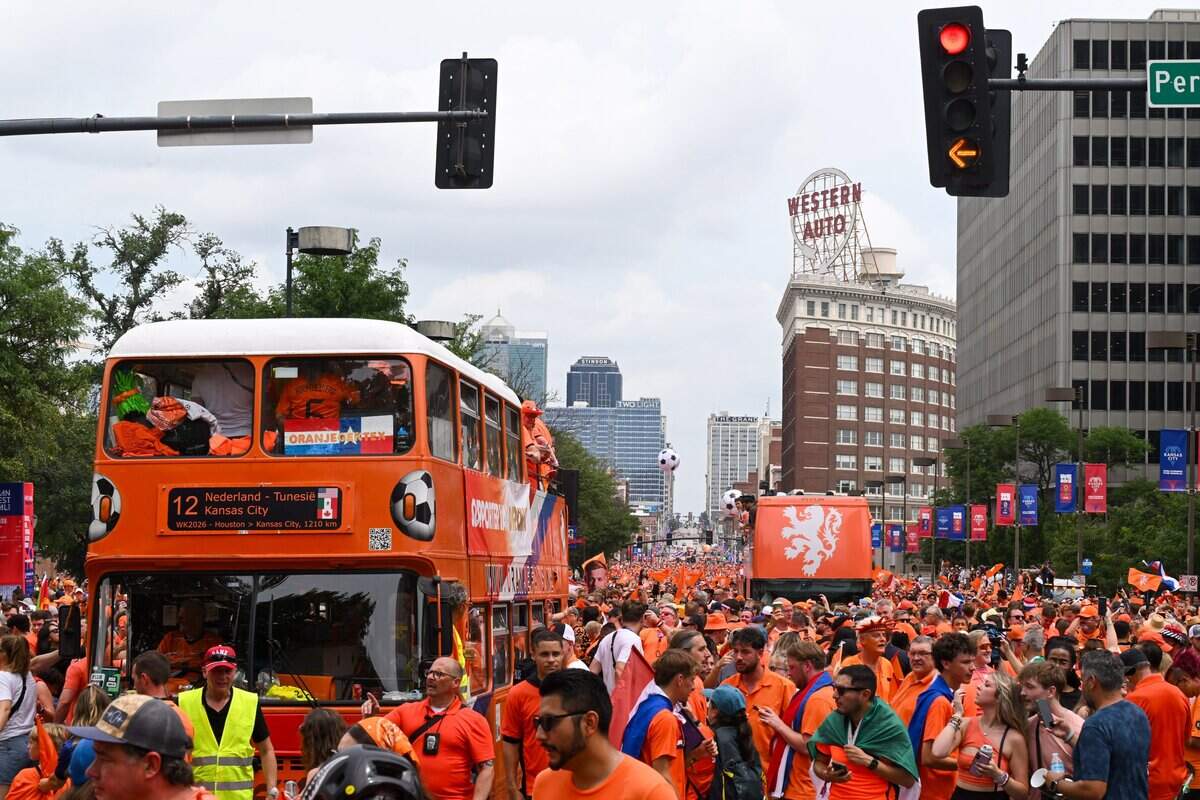
With Kansas City still basking in the first few weeks of the World Cup experience, highlighted by Argentina’s presence here, the reception of Algeria in Lawrence and the Netherlands Oranje Fanwalk on Thursday, dozens of people congratulated Kramer over the hours at four distinct venues.
The common language poured out from volunteers and security guards. From local politicians, officials and sports figures such as Sporting’s new majority owner Peter Mallouk. And, among several others, from former U.S. Soccer CEO Dan Flynn and Austrian Ambassador to the United States Petra Schneebauer.
At every turn, Kramer’s reply was some form of deflecting that credit while underscoring it’s taken everyone.
Because she knows how true that is.
“The only way to get home,” she said, “was together.”
Not that the final signature is remotely on this yet with six more Fan Fest days and Round of 32 and quarterfinal matches ahead.
“I think the key is to not relax,” she said, smiling but really not joking.
Meaning, yes, every day still is urgent — even if she largely is living on a FIFA-fied calendar revolving around match days instead of traditional days of the week.
“You get a little detached from time,” she said.
No wonder if you take a glimpse at a day in her life that also illuminates the remarkably intricate, sophisticated and simply massive operation being carried out through dozens of entities.
“It’s magical,” as Lorenz put it to Kramer on Saturday night at Arrowhead, “but it’s not magic.”
‘Take a nap’
Fourteen hours before the 9 p.m. start to Kansas City’s fourth World Cup match in less than two weeks, Kramer presided over the first of her five daily video meetings.
Early in the 30-minute KC2026 call with staff who’ve worked countless hours over recent months, Kramer said Sunday calls would be canceled and urged the dozen or so in attendance to encourage a day off this week for people within their work streams.
“At minimum a few hours,” she said.
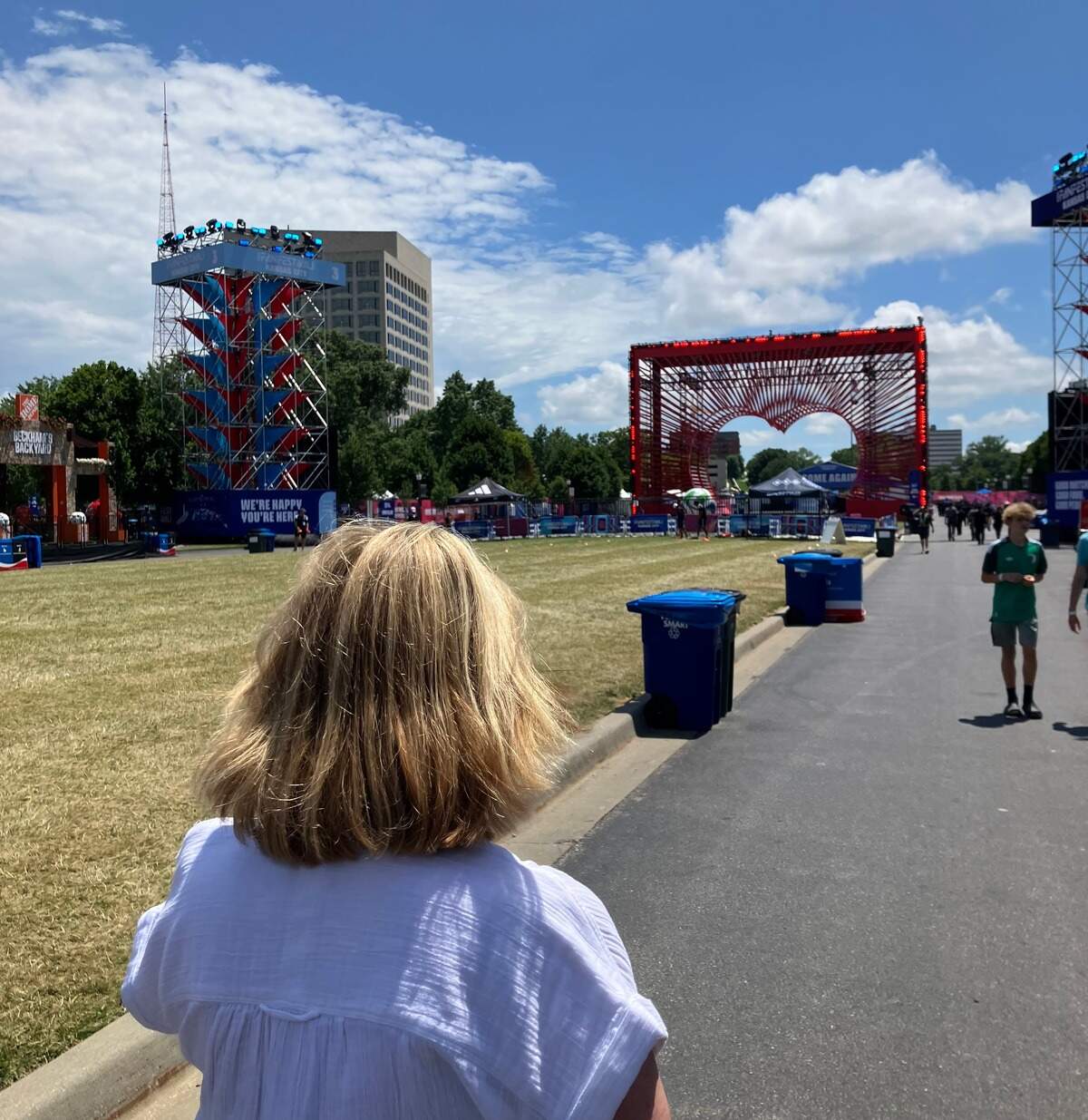
Among several brief reports, Fan Fest director Mallory Cage noted some 45,000 people had registered for the event that day on the grounds of the National World War I Museum and Memorial.
That already was 20,000 more than capacity with more expected to register as the day began. But because the event is free, many thousands typically don’t show.
As it happens, more than 33,000 ultimately attended on Saturday — the highest attendance yet.
That was despite intensifying heat that Cage and the communications team would make a point of emphasizing on-site and in messaging.
Up next was Tracy Whelpley, director of regional impact for KC2026, with a report on KC House, a hospitality venue for global leaders, civic stakeholders and business partners.
The day before, Whelpley said, consuls general from Argentina and the Netherlands visited — as they had several times during weeks here. So did Austria’s Schneebauer and Elizabeth Moore Aubin, U.S. Ambassador to Algeria from 2022 through early 2026.
Before moving on, Kramer and Whelpley already were bracing for contact with the embassies and consulates from whatever nations would be here next once they were determined later in the day (Colombia and Ghana will play Friday at Arrowhead).
Back around the horn, KC 2026 transportation director Jason Sims reported that stadium direct bus lines already were showing more than 20,000 rides to the match sold on the way to near-capacity of 27,588.
Lori Thomas, the director of volunteer operations, reiterated the “high energy” of the volunteer force — some 3,500 strong — and shared a striking statistic:
Out of 469 scheduled volunteer shifts on Friday, 467 had shown up: 99.6%. Exceptional as that might seem, the overall rate has been 98%-plus.
After several other reports, including Tenbrink breaking down the possibilities of what nations would play here next, Kramer wrapped up the call promptly at 7:30 a.m.
“Have a good day, everybody,” she said. “Take a nap this afternoon.”
That went right into the 7:30 Joint Operations Center video meeting. Led by KC2026 COO Lindsey Douglas, the gathering of 33 people spanning multiple agencies was punctuated by weather implications starting with a report from National Weather Service meteorologist Brett Williams.
At that point, a 20% chance of thunderstorms and lightning loomed over the opening of Fan Fest. And an upturn in heat and humidity compelled Kramer to suggest to the Joint Information Center that it stress its heat mitigation messaging — a gear already being engaged.
By the end, talk turned further to readying for the nations soon to come — the contact points, whens and wheres, distinct cultural and fan behaviors, etc.
Up next was a 9 a.m. “JIC” meeting, as Kramer put it, “to just make sure we’re aligned on communication and content and what we’re saying and what else we need to say.” Then Kramer took part in two other briefings: one on security and the other with FIFA — which broached the suddenly coming end of the 2026 World Cup as it spoke about the “decommissioning” process.
‘What the World Cup is all about’
Approaching 2 p.m. in the Westin Hotel lobby, an Algerian man was gushing about the USA, where he had been worried he’d be unwelcome.
Adam Zimmerman (his father is from Europe, he said) had just returned here from Algeria’s game in the Bay Area. After I’d introduced him to Kramer and KC2026 chief of staff Ben Tenbrink, he went on about why Kansas City, including Lawrence, has been the highlight of his trip.
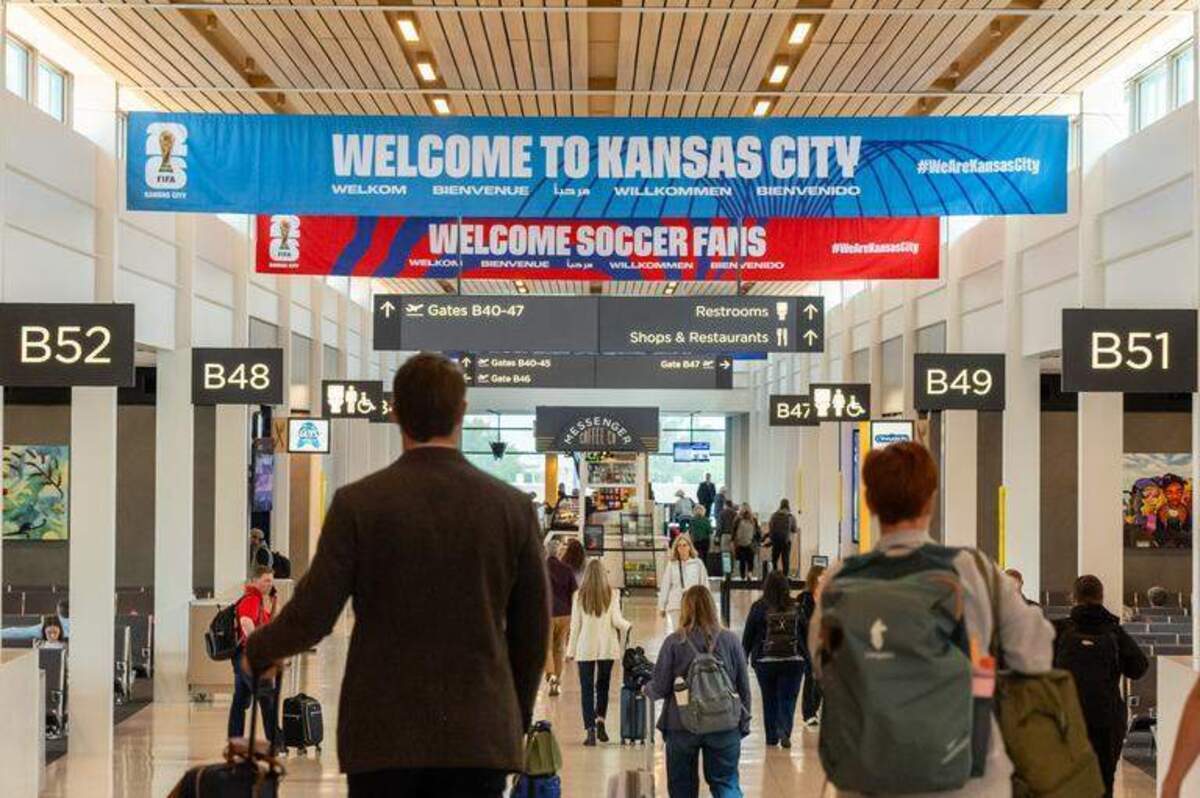
From the moment he arrived at Kansas City International, he said, he was moved by the World Cup pageantry at KCI, the welcome of volunteers and the sense that “people are curious” about visitors — something he’d now like to reciprocate with any Kansas Citian.
“This is what the World Cup is about,” he said. “It’s about different cultures, interacting, exchanging, learning.”
Visibly moved, Kramer later allowed as how she might be tempted to go to Algeria with her husband, Kevin, right after this is over — at least if not for her eagerness to spend more time with her months-old first granddaughter she hasn’t seen enough of yet.
Kramer has been energized by many such memorable exchanges, which have fed into her writing at least one memory a day, a notion she also has suggested to staff.
For the most part, the entries have been purely exhilarating stuff.
Like what she wrote about the Netherlands’ Oranje Fanwalk on Thursday — a merry scene that made her feel Kansas City had been validated and its doubters doused.
She scribed about being on the second Orange Bus and looking back to realize there were as many thousands behind her as in front.
“It was so stunning to me to be in the middle of it and to have the vantage point of looking both ways,” she said. “Because usually if you’re in the middle, you can’t see anything. You just see what’s right in front of you.”
‘Peaks and valleys’
After making rounds at Fan Fest and KC House and en route to the Joint Operations Center in south Kansas City, Kramer spoke to another side of being in the middle of it all: June 16 and the exhilarating first game here highlighted by Lionel Messi’s hat track for Argentina but muted by the traffic chaos.
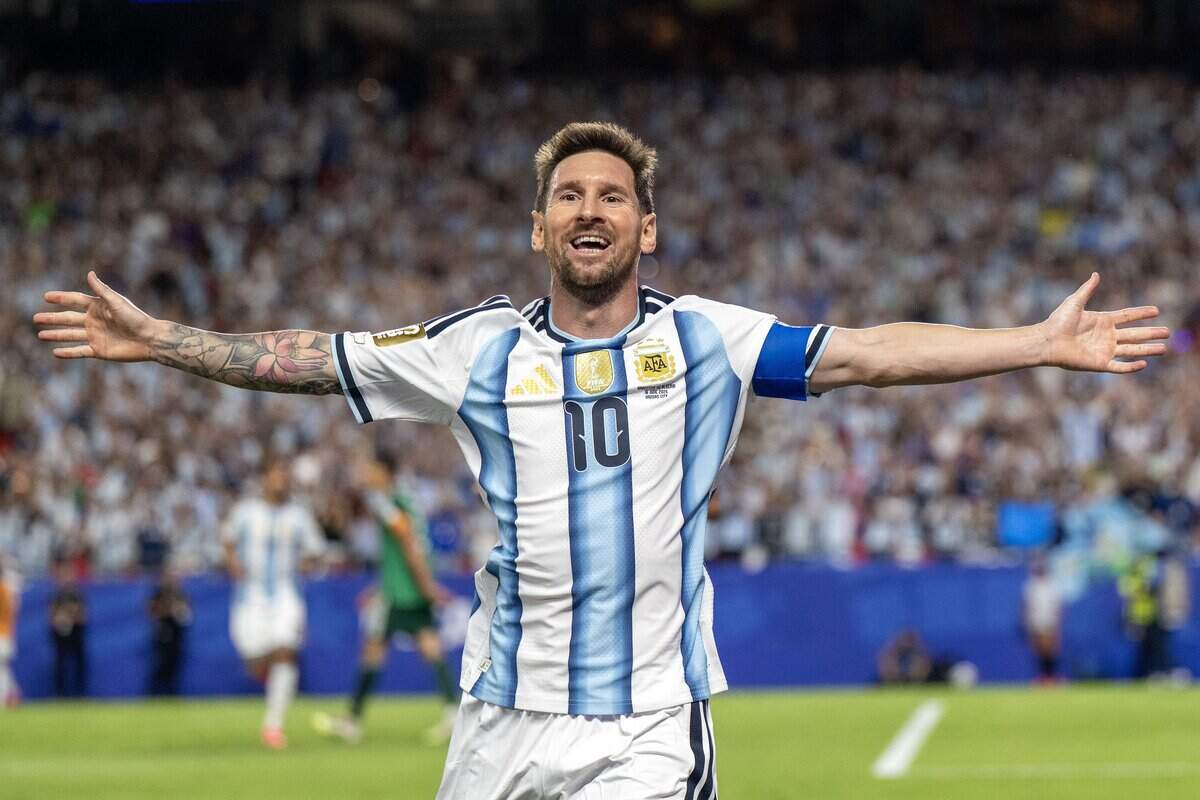
“Peaks and valleys” was how she put it in her journal for that day.
While concerns about safety and security will remain until it’s over and some businesses have expressed disappointment, this was the only episode thus far that threatened to become what Kramer called “the thing that everybody’s talking about.”
It also became an illustration of an indispensable apparent trait of KC2026: a nimble ability to adjust, whether in the form of signage at Fan Fest, pivoting fasterthanthis for weather issues or bus loading and route adjustments. And then some.
While there were countless reasons for the snarled traffic and ingress breakdown in access to the stadium on the afternoon of the Argentina-Algeria game, Kansas City and KC2026 would be left to wear it if it didn’t get fixed pronto.
Kramer met the moment by owning what was only partly a KC2026 issue — “Let us prove to you we can get this right,” she said shortly after — and focusing on the task instead of the blame.
Through call after call after call over the next few days, with FIFA being collaborative, key changes were made: highway signage, messaging about dropoff spots and gates opening earlier to avert backlogs that spiraled into chaos for the first match. And plenty more.
By way of example, the ride from Crown Center that took The Star more than 75 minutes for the first game took 17 minutes for the second. In the two matches since, the flow has been notably smooth from all appearances and reports.
The cowbell
Crucial to that and about everything else is the scene is the Joint Operations Center, which might as well be called the Kansas City Situation Room.
In one cavernous room overseen by Douglas, a former KDOT deputy secretary, you can find the epicenter of transportation operations, safety and security, fire departments, EMS, communications, health and medical and even National Weather Service representation.
Here with KC2026 are experts from KDOT, MODOT, the Kansas City Scout bi-state traffic management system, for instance, along with federal and multiple county authorities.
Saturday was challenging with both Fan Fest and match day routes (stadium direct and region direct) being employed to move tens of thousands of people.
That included many from Fan Fest to the match, making for a timing to be finessed so they don’t arrive before gates open but also don’t get so backed up on loading that there is overflow in the lot.
The dynamics of those elements are among enhancements since the first match.
“It’s really intense,” Douglas said.
So is the coordination with law enforcement agencies, including the multiple jurisdictions called upon to escort teams to and from training or matches or to the airport. Recently, she said, some 20 escort movements were conducted in a single day.
Joseph Mabin, KCPD deputy chief, is leading the operation that includes an intelligence component and even monitoring local hospitals to understand capacities in the event of, for instance, heat-related treatments.
Some of the structure, Mabin said, had been established through the Mid-America Regional Council.
But it’s never been with everyone in the same room, which Mabin believes will make for a future model and “muscle memory” in the event of Kansas City becoming a 2031 Women’s World Cup host or other future mega-events.
Naturally, the high tech in the room includes a microphone. But there’s a lighter side in all this.
“When there’s something everybody needs to know,” Kramer said with a smile ...
“I ring a cowbell,” said Douglas, pointing to the yellow one on her desk.
Can’t boil the ocean
On the way to Arrowhead, as Kramer was getting updates on weather and traffic patterns and who knows what else, I asked her how she manages that line between staying conscious of so much and worrying about everything.
“I have an expression,” she said. “You cannot boil the ocean.”
It’s another way of saying they can only control what they can control, only be responsible for that which they are responsible.
And let the experts, whether medical or public safety or any number of other things, be the experts.
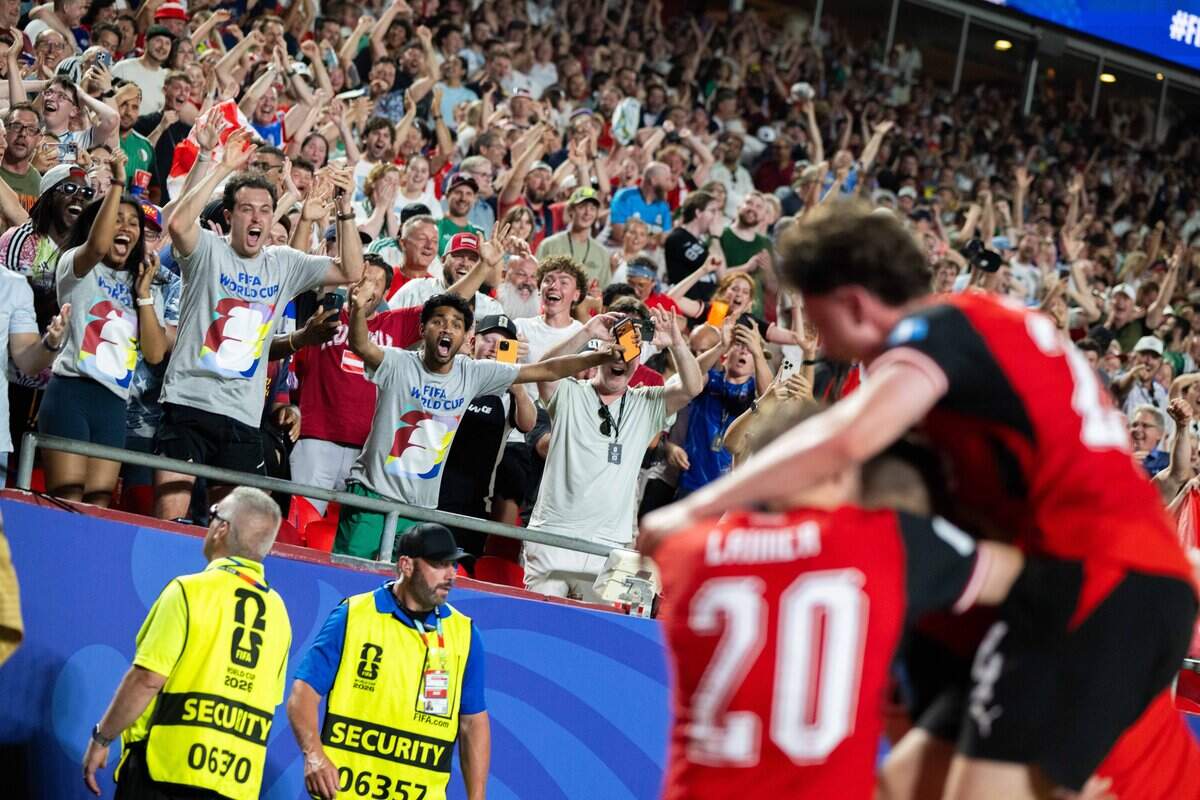
Trouble is …
“I also think that this is so big, and it affects so much in the city that it does, in some way, (feel like) a little bit of responsibility for everything,” she said.
Heavy as the lifting and emotions might have been at times for Kramer and all her team of teams, much as there remains left to do, a certain something has shifted since the hundreds of thousands of visitors began arriving and Fan Fest days launched and matches began.
It was epitomized in that Oranje march but now evident all over the area.
The whole point of this, Kramer said, is that Kansas City could and should function as a team of its own. And what’s happened over the last three weeks, she reckons, is “everyone’s like, ‘I’m on the team. I’m so glad we did it.’”
It’s not past tense yet, of course.
But now it feels fleeting, time evaporating in the other direction and maybe even some collective withdrawal awaiting now.
After all the preparation and anticipation and sometimes feeling like “we’ve just got to get through this,” now Kramer keeps thinking, “Oh no, it’s going so fast.”
Especially since every day along the way was made to count.
This story was originally published June 30, 2026 at 5:00 AM with the headline "Magical but not magic: A World Cup day behind scenes with KC2026 CEO Pam Kramer."