
What’s a Super Bowl Sunday like in KC without the Chiefs? Depends who you ask
AI-generated summary reviewed by our newsroom.
- Kansas City shifts from playoff fervor to reflective routines after Chiefs exit.
- Older fans link current drought to decades of cyclical heartbreak and tradition.
- Parents pass fandom and rituals to kids, shaping community identity beyond wins.
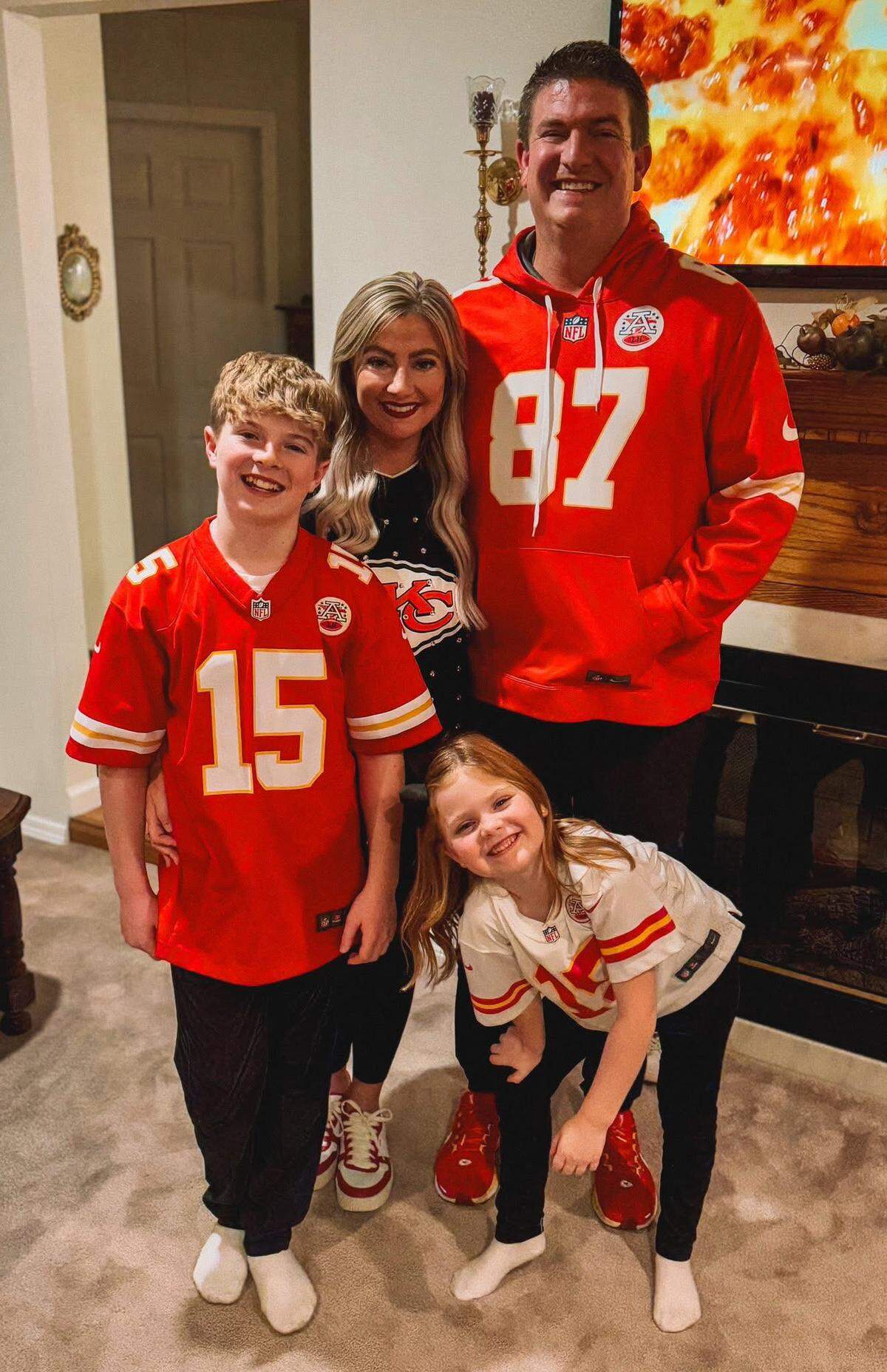
Thirteen-year-old Greyson Stevens donned an authentic Chiefs jersey and paired it with the red and gold Zubaz pants from his closet.
In what he’s turned into a routine, the Chiefs helmet came next, yanked over his head, and then the gloves for his hands. As the final touch, he stuck a black streak underneath each eye.
For each of the last four Sundays this winter, Greyson has sat in front of the TV in his game-day fit.
Without a game to watch.
“He’s having,” his father Randy says, “Chiefs withdrawals.”
For the first time in four years, Super Bowl weekend has arrived after the Chiefs have long departed the picture. For the first time in 11 years, they’ve been absent from these playoffs altogether, the conclusion to the second-longest streak in NFL history.
It’s been a minute.
But when you’re 13? It’s been a lifetime. The last time the Chiefs missed the postseason, Greyson Stevens was three.
So what’s it like without Chiefs football in January? That depends on your perspective.
For kids of a certain era, like Greyson and his brothers, it’s unique and unpleasant. Painful, even.
For their parents? Well, they’re from a different era. A bleak January is not unique. It brings back memories.
“I’ve tried to tell him there were some seasons,” Randy says, “when we were lucky to get six wins.”
II.
Thirteen years ago last Wednesday, about the time Greyson was born, the Ravens and 49ers met in Super Bowl XLVII, a matchup pitting brothers as head coaches.
The Kansas City Star was there.
The Chiefs were not.
One day that week, The Star’s Super Bowl coverage focused not on a single one of the 44 players set to start the game. It focused on the backup quarterback: Alex Smith.
On a February 2013 front page of The Star’s sports section, a headline wondered if someone else’s benched and backup quarterback might improve the situation in Kansas City.
It did, by the way.
This is how it used to be in Kansas City. For the past decade, the months of January in this town have been littered with Chiefs signs, emblems, banners and packed storefronts, from downtown to the Plaza, and from one side of State Line Road to the other.
But for the half-century prior, after the Chiefs tossed aside their red and gold for the season, the Kansas City skylines turned dark and gray. The city didn’t consider a January without playoff football merely disappointing. Its residents called it heartbreak.
And one other word for it: Typical.
“It’s when you scheduled your vacations,” Kansas City Mayor Quinton Lucas said while sitting inside a café ahead of last year’s Super Bowl, in which the Chiefs were participating. “And then you realized you couldn’t do that anymore.”
Longtime Chiefs fans endured a lot of meager days before enjoying the riches of the Patrick Mahomes tenure — they went 22 years without a playoff win and 25 without a home playoff win before No. 15 arrived.
The month of January did not provide the city’s best moments. It provided its hardest to stomach, its most challenging to a place that prides itself on bouncing back. Or it provided no football at all.
Before Lucas led three Super Bowl parades down Grand Boulevard in downtown Kansas City, his predecessors wondered if they’d ever get the chance.
“Emanuel (Cleaver) and I have laughed about this since,” said Kay Barnes, the mayor from 1999-07, succeeding Cleaver’s eight-year run. “Dick Berkley was mayor for 12 years, before there were term limits, and he was a big Chiefs fan, but he never had the Chiefs go to a Super Bowl while he was mayor. But then Emanuel had eight years and wanted so much to have that experience. Then when I became mayor, I thought, ‘Oh, gosh, surely, I’ll have that experience.
“It never worked out.”
At long last, it did for one of their successors did. Once, twice and then three times.
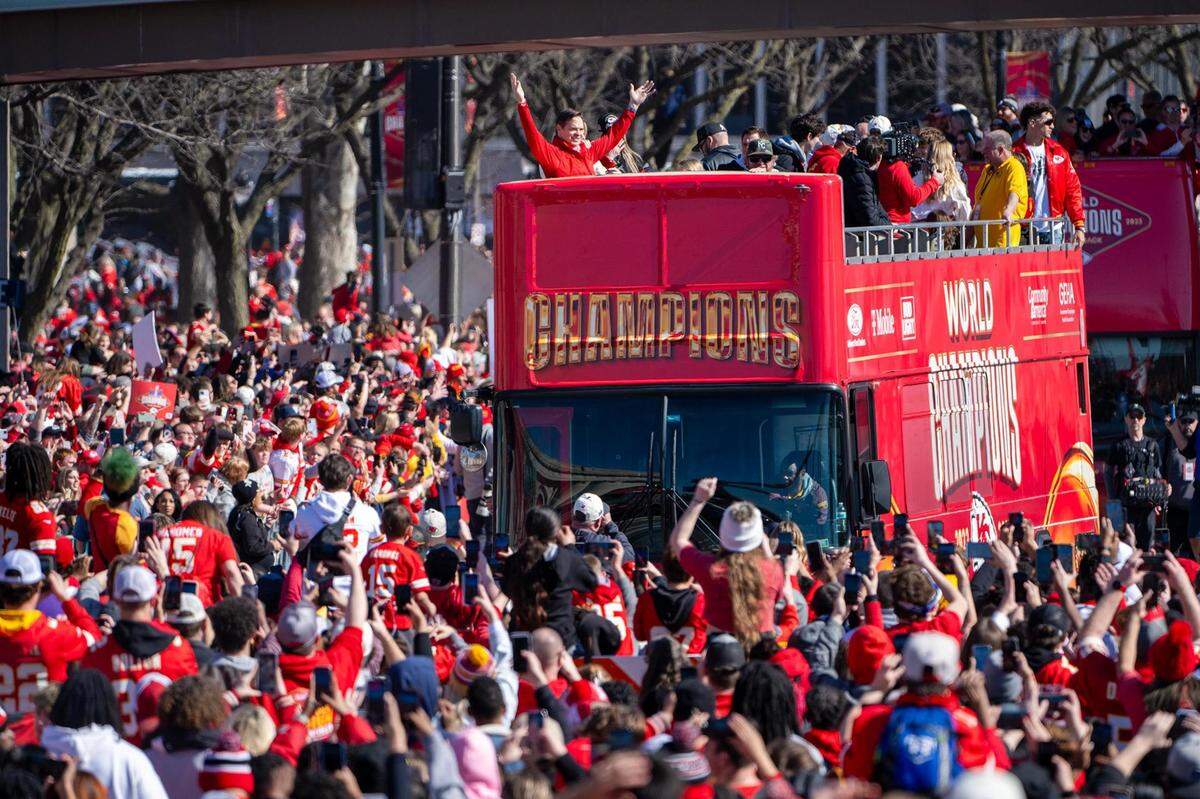
This is the first time the Chiefs have not been part of that dance since Lucas took over in 2019.
Long enough to make you forget what it was like for the Chiefs to miss it.
Almost.
III.
About a month ago, Ben Johnson sat in the bleachers for his son Kooper’s basketball tournament in small-town Oklahoma. It was an NFL Sunday, the last of this regular season, and the Chiefs had already been eliminated from the playoffs, relegated to their third- and fourth-string quarterbacks after Mahomes’ season-ending knee injury.
But Johnson was still glued to his phone. He couldn’t help it, except this time, it provided a weird feeling: He was rooting for the Chiefs to lose.
They did, their sixth straight loss to close out the year, which improved their draft position to ninth — best pick since their postseason streak started, and one spot higher than the pick that granted them Mahomes in 2017.
Johnson’s daughter, six-year-old Adelynn, didn’t immediately grasp his rooting interest. Actually, she didn’t fully grasp the ending of the season at all.
After the game, Johnson mentioned that it would be the last Chiefs game for months — that no magical January playoff run would follow.
“Aw” Adelynn replied. “That’s a bummer.”
She wanted an explanation.
The short version came easily. The long version? It came with a history lesson — some of it personal history.
The Chiefs’ quarter-century playoff drought included eight postseason losses, each of them so heartbreaking that we gave them their own nicknames. The Lin Elliot Game. The No Punt Game. The Field Goal Game.
Johnson can vividly recall where he was for each of them — oh, and his college dorm room for the dud in Indianapolis; with his wife in the living room of their first house in Tahlequah, Oklahoma for the 28-point collapse in Indianapolis; and in their Arrowhead Stadium seats for a dud against Baltimore.
“At that point, she was questioning my sanity of why I would root for the Chiefs if they were just going to get their (butts) kicked in the playoffs,” he says.
Years later, those days would make the payoff all the more worth it.
Those fans earned what came next.
“I grew up on heartache,” Johnson says.
That feeling, that heartache, is something fathers and mothers passed on to their sons and daughters, a seemingly never-ending cycle.
Until recently.
The kids these days didn’t know how good they had it.
IV.
The first memories Matt Kilpatrick has of Arrowhead Stadium are from its nosebleed seats.
He grew up with the Chiefs, going to games in the 1980s, sometimes leaving to head to the parking lot early before the 1990s gave him and his father a reason to stay. After the games, in fact, they would be among the last left in the stands, watching the sprinklers soak the grass.
He’s moved on to North Carolina now, after stops in Alabama and Georgia too, and he has a tradition there with his sons.
After big Chiefs wins —primetime games, playoff games, you name it — he will head outside, turn on the outdoor spigot and watch the sprinkler soak the grass.
“My neighbors,” he says, “think I’m crazy.”
Kilpatrick, 51, was 11 years old when the Royals won a World Series in Kansas City, and amid the celebration, his dad told him, “This doesn’t happen very much in your life.”
When the Chiefs finally broke through in February 2020, ending a half-century Super Bowl drought, he passed along that tradition from his father, too: the speech.
“This doesn’t happen every much in your life.”
It took another six years for the reality of the message to set in with his kids — Briggs (10), Brody (12) and Bennett (20).
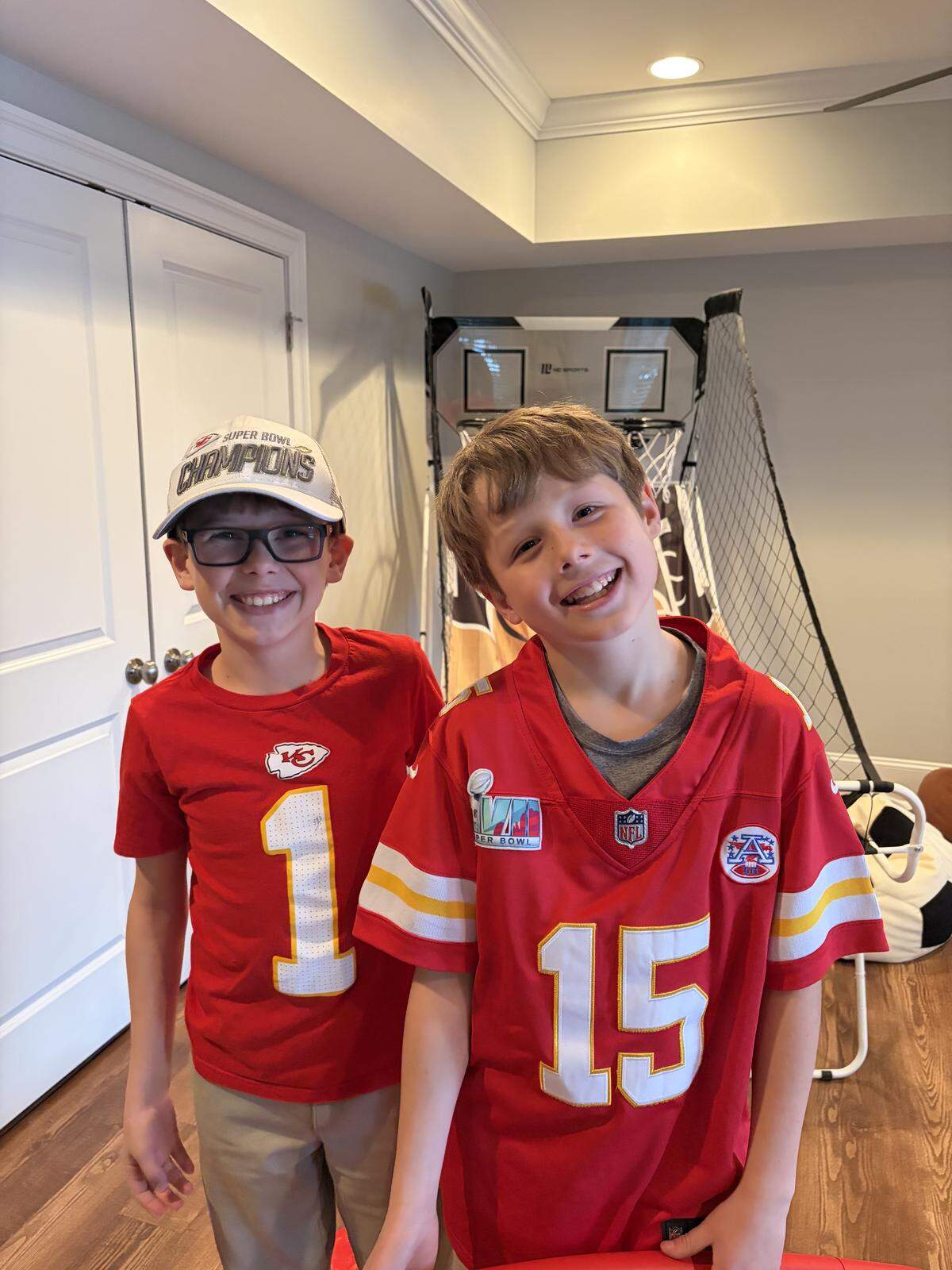
Well, six years and counting.
In the aftermath of the 6-11 Chiefs season, they’ve sworn off football, at least in the short term. His 12-year-old, Brody, is particularly into the NFL, but when Kilpatrick asked him if he wanted to watch the AFC Championship Game two weeks ago, he shot down the idea.
“I want to watch a movie,” he said.
Kilpatrick doesn’t know if he can convince him to watch the Super Bowl this weekend.
“It’s been every year that they’ve been so spoiled that they don’t understand what’s happening,” Kilpatrick says. “They just don’t get it.”
V.
In 1970, after the Chiefs won their first Super Bowl, some of their players visited local small towns across the states of Missouri and Kansas.
They made a stop at the Food Bonanza, a grocery store in Liberal, Kansas, just north of the Oklahoma border and some six hours from Kansas City. It was there that Leon Weatherby met linebacker and future NFL Hall of Famer Willie Lanier.
Weatherby’s entire family bled Dallas Cowboys blue, but that night, he burst through the door and declared his defiance: I’m a Chiefs fan.
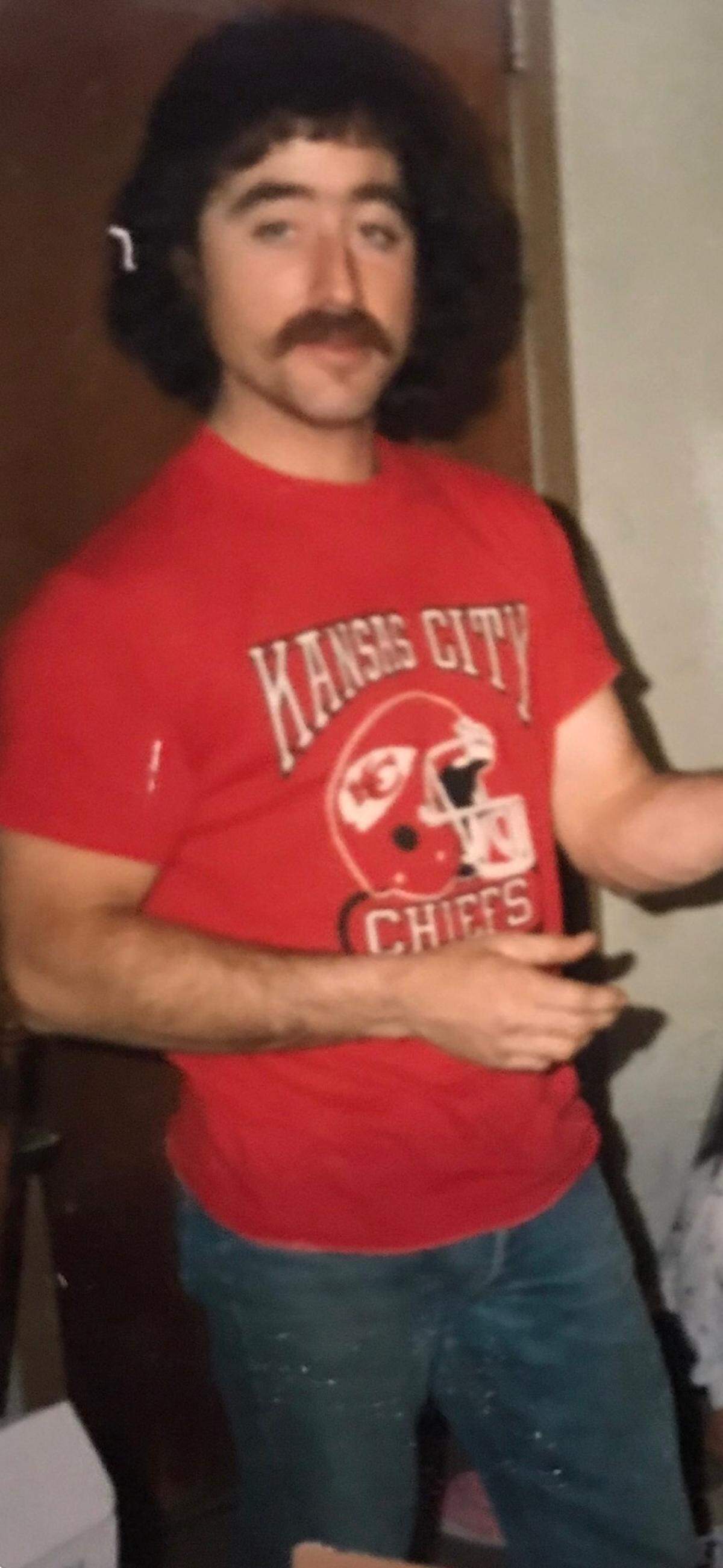
A rebellious child, he’d later tell his own kids. As an adult, he’d always wanted to visited Arrowhead Stadium, even just see it from the outside if he couldn’t afford to attend a game there. In 2001, he got sick and had surgery scheduled in Kansas City. He’d stop by on the way he home, he figured, but he never made it.
Weatherby died in 2001, shortly after surgery, leaving behind his Chiefs fandom to his three kids.
He left behind his dream, too.
His oldest kid, Amanda Morgan, worked three jobs to afford season tickets with her younger brothers, until she could afford better seats — and then until she eventually bought one extra seat, which that she still owns today.
The Honorary Leon Weatherby Seat, they call it.
Morgan’s kids — Darius (25), Damari (21) and Symphany (18) sit with her.
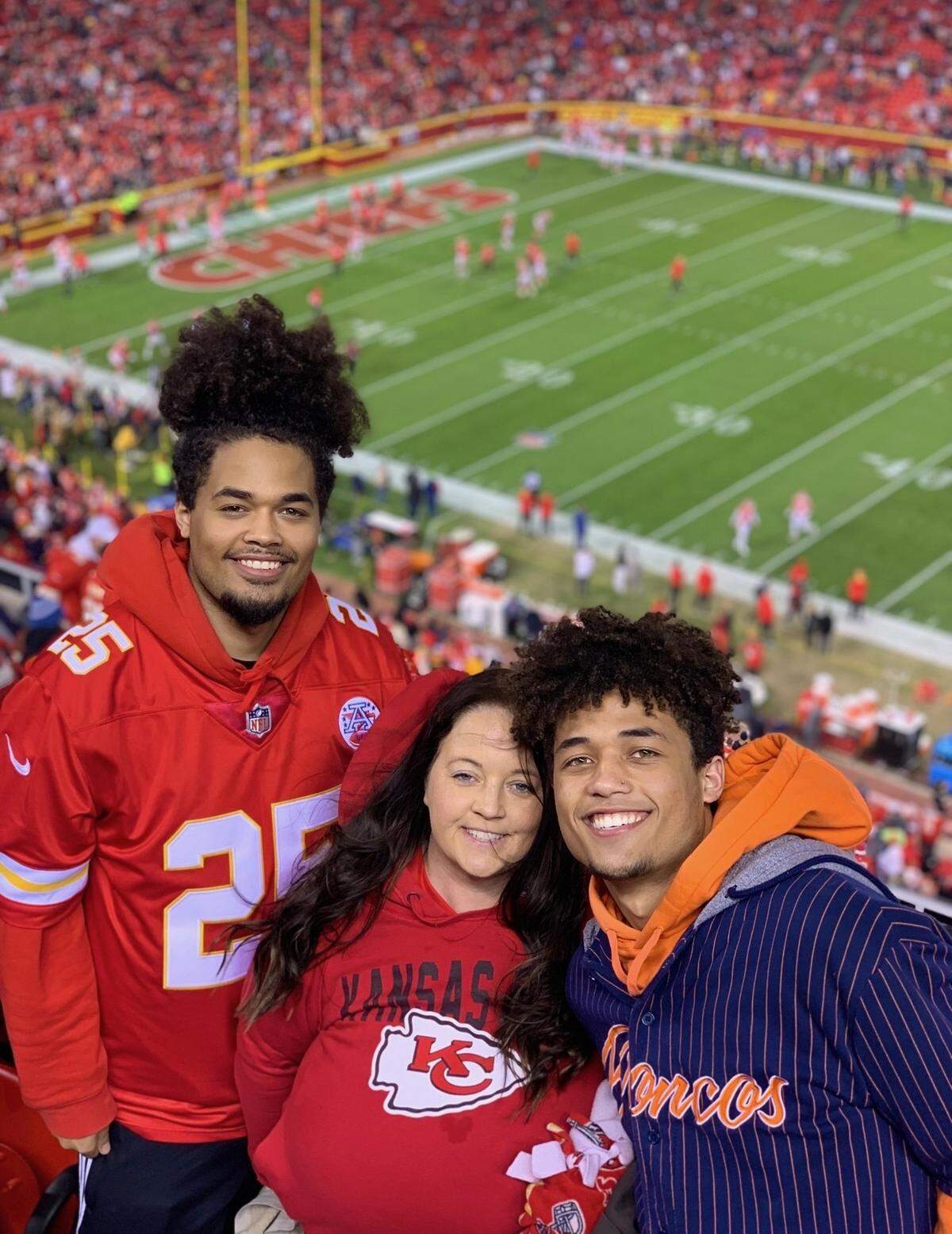
Morgan’s childhood was filled with anguishing losses. Her kids? They’ve known just the opposite.
“Mama had to crawl,” her son often tells her, referring to her Chiefs fandom. “so we could walk.”
It’s been that good.
Until this year.
Morgan spent time this month explaining to Symphany, who was 6 the last time the Chiefs missed the playoffs, that this year resembles life itself. It’s cyclical. Some years bring pure joy, and others, not so much. But you stick with it just the same, knowing better days are ahead.
It’s a message for two of her three kids. The other, Damari, the middle child, has taken a liking for a different team. He’s a Broncos fan.
It would drive Morgan crazy, should drive her crazy, except she has a soft spot for a little rebellion.
It reminds her of how this all started.
Her dad.
VI.
In recent seasons, the Chiefs have marketed themselves as the world’s team. Their three Super Bowls, their MVP quarterback and their tight end with international fame have grown their brand across the country and beyond.
But Chiefs fandom is and will always be rooted in these stories — parents suffering through bitter cold and even more bitter results but passing along their fandom and traditions to their kids anyway.
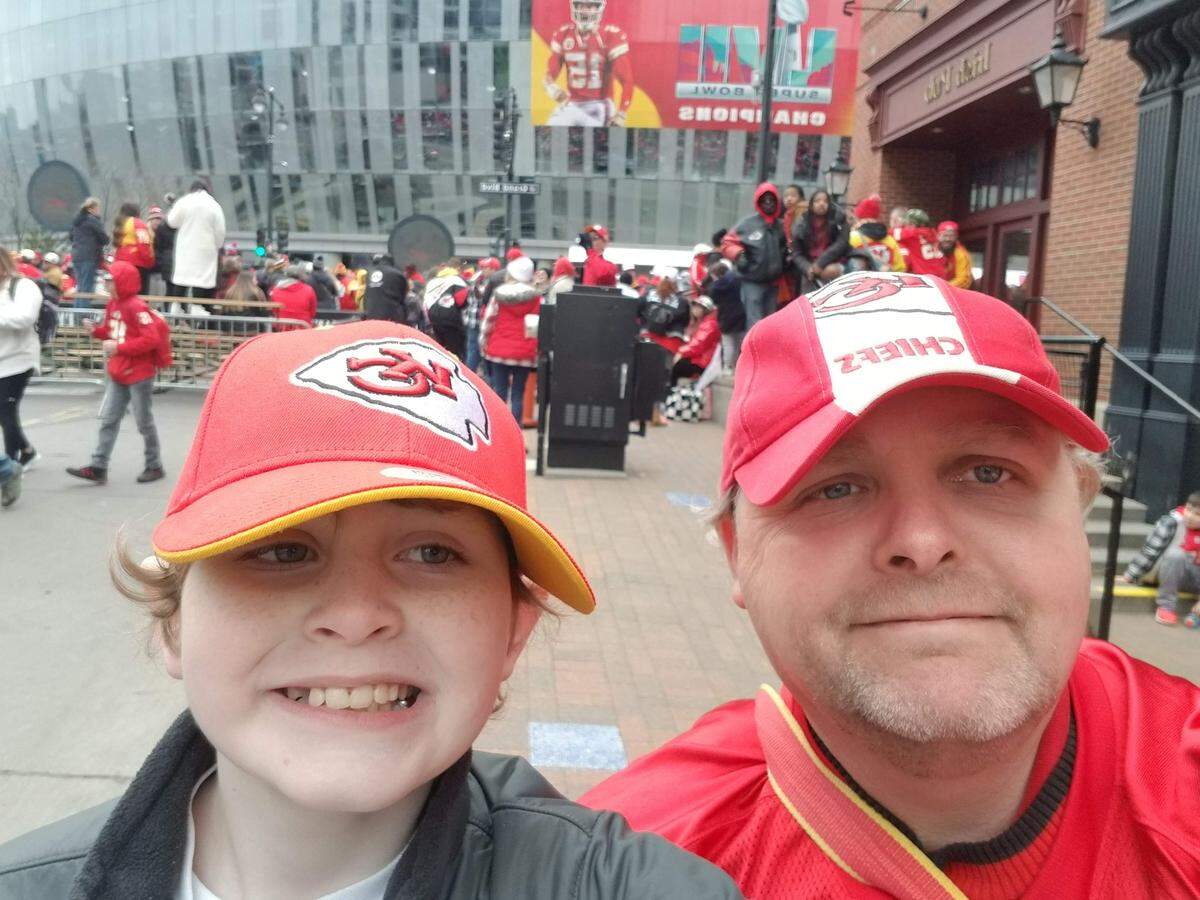
It’s Matt Kilpatrick, a 51-year-old in North Carolina who turns on the sprinklers after a big win and watches his young kids and the dog run through the water, never mind if it muddies the house.
It’s Randy Stevens, a 50-year-old father of three who used to paint his face for Chiefs games and now watches his 13-year-old son, Greyson, paint the eye-black on his cheeks, undeterred by a January without his Chiefs.
And it’s 43-year-old Amanda Morgan, who keeps buying that extra Arrowhead Stadium seat for a father who never made it inside the place.
Their parents, grandparents even, unwittingly passed on a childhood of playoff heartbreak.
They were fortunate enough to pass on a dynasty.
But there’s a commonality between the two — the childhoods of despair and the those defined instead by the Super Bowls.
It was never just about the wins and losses anyway.
It was always about the people they shared them with.
This story was originally published February 8, 2026 at 6:00 AM with the headline "What’s a Super Bowl Sunday like in KC without the Chiefs? Depends who you ask."