
Kansas football coach who returned to sideline after lung transplant dies of COVID-19
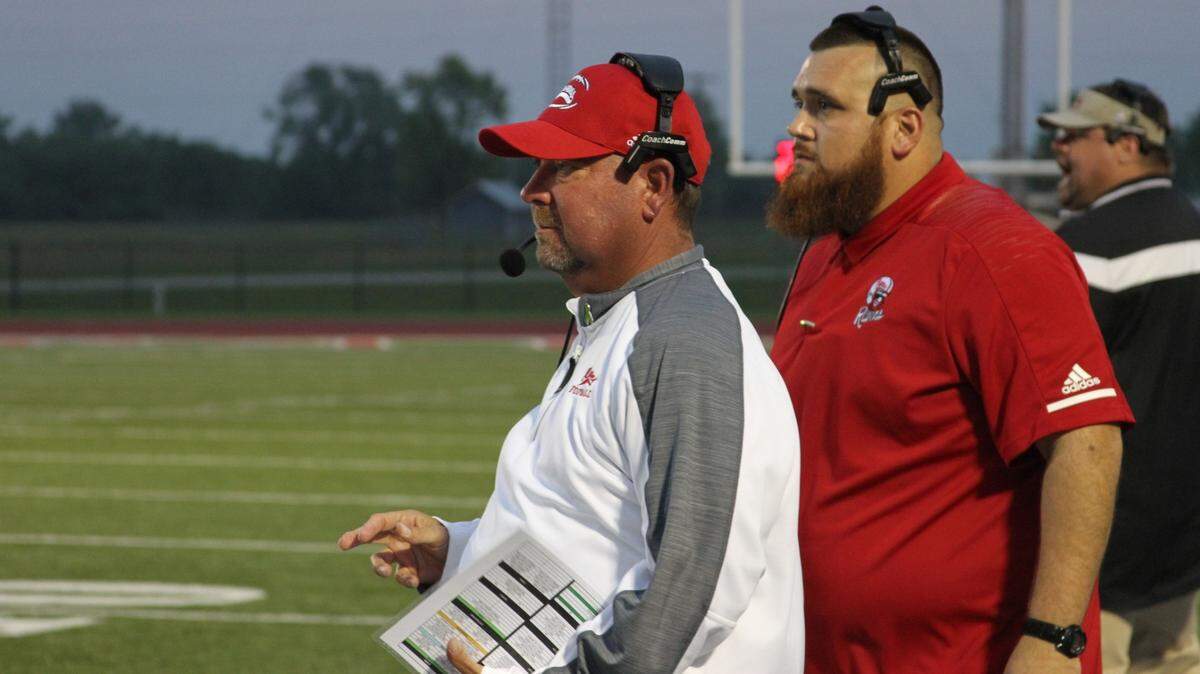
After receiving a double-lung transplant nearly three years ago, Aaron Flores felt like he had been gifted a second chance at life.
For as long as his two daughters had been alive, their father had been afflicted with acute interstitial pneumonia, a lung disease that forced him to lug around a tank of oxygen with him everywhere. Not ideal for being a father to two young girls and not ideal for being a head football coach, which Flores was at Coffeyville Community College.
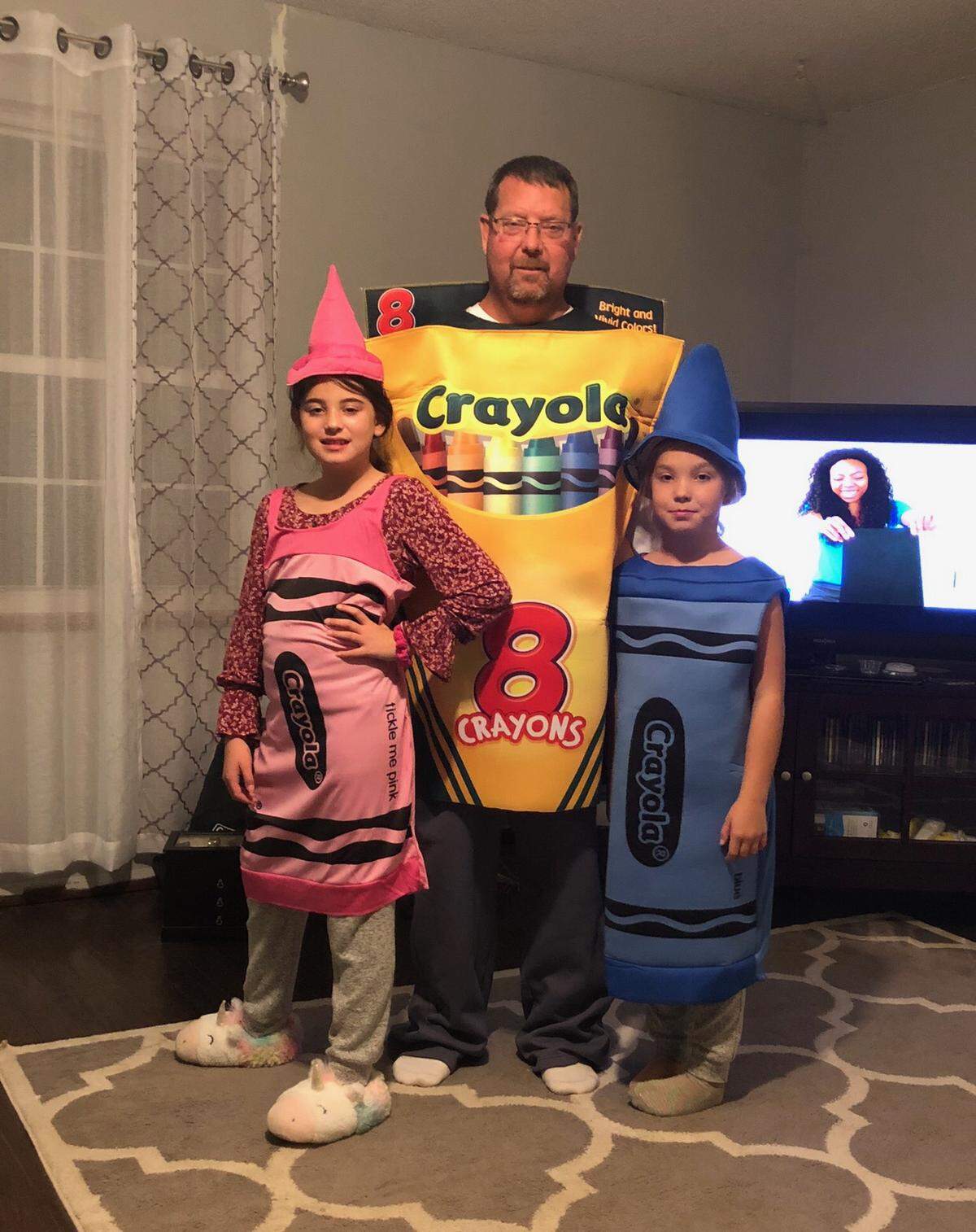
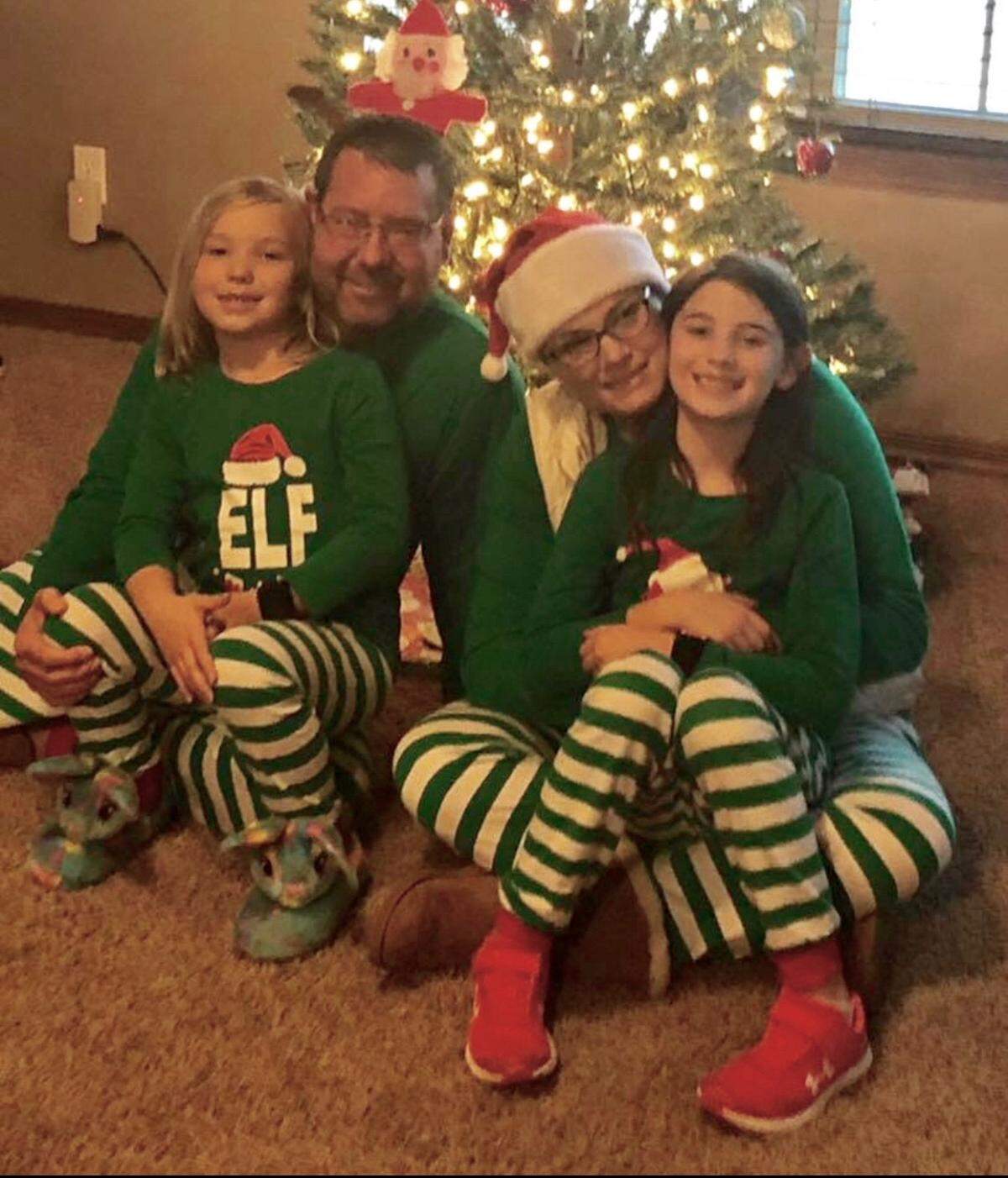
But through it all, Flores battled and never complained once. After defying the odds just to make it to the operation, Flores even returned to the sidelines to coach again. More importantly, he was able to spend quality family time with his wife, Kristen, and their two daughters, Ryann, 10, and Haley, 9.
That’s what made it even more heartbreaking when Flores died last Friday from complications due to COVID-19, less than two weeks after his 50th birthday. The Olathe native is remembered by many as an upstanding football coach, but those who knew him away from the sport say he was an even better father and husband.
“He was just the nicest guy ever, a true salt of the Earth person,” said Melissa Schoning Tozier, a long-time family friend who has set up a GoFundMe for the family. “If he wouldn’t have got those lungs, they would have never been able to have that real time, fun time, family time together. So it was amazing for them that those girls had the chance to make some happy memories with him. We’re all so grateful for that time, but that’s also why it just rips your heart out in so many different ways. But life isn’t fair. That’s what Aaron would say.”
For years, those at Coffeyville watched in awe as Flores battled through his condition. He needed a golf cart, a wireless voice amplifier and an oxygen tank just to make it through a practice.
Players and coaches knew the toll it must have taken on him day after day after day. His courage is what made his players willing to run through a wall for him.
“There were probably a lot of days when he’d rather not come into the office, but he showed up every day to lead the football team,” said Coffeyville athletic director Jeff Leiker. “He was an inspiration to everyone because here was this guy who could have complained about everything, but he complained about nothing.”
“This upcoming season is most definitely going to be for Coach Flo,” said Coffeyville defensive lineman Devin Lee. “Knowing his story and how he came back and coached, that helped me put my problems in life in perspective. I knew things are never as bad as I think because I know someone who has had it worse. And he made me want to work harder because he never complained once.”
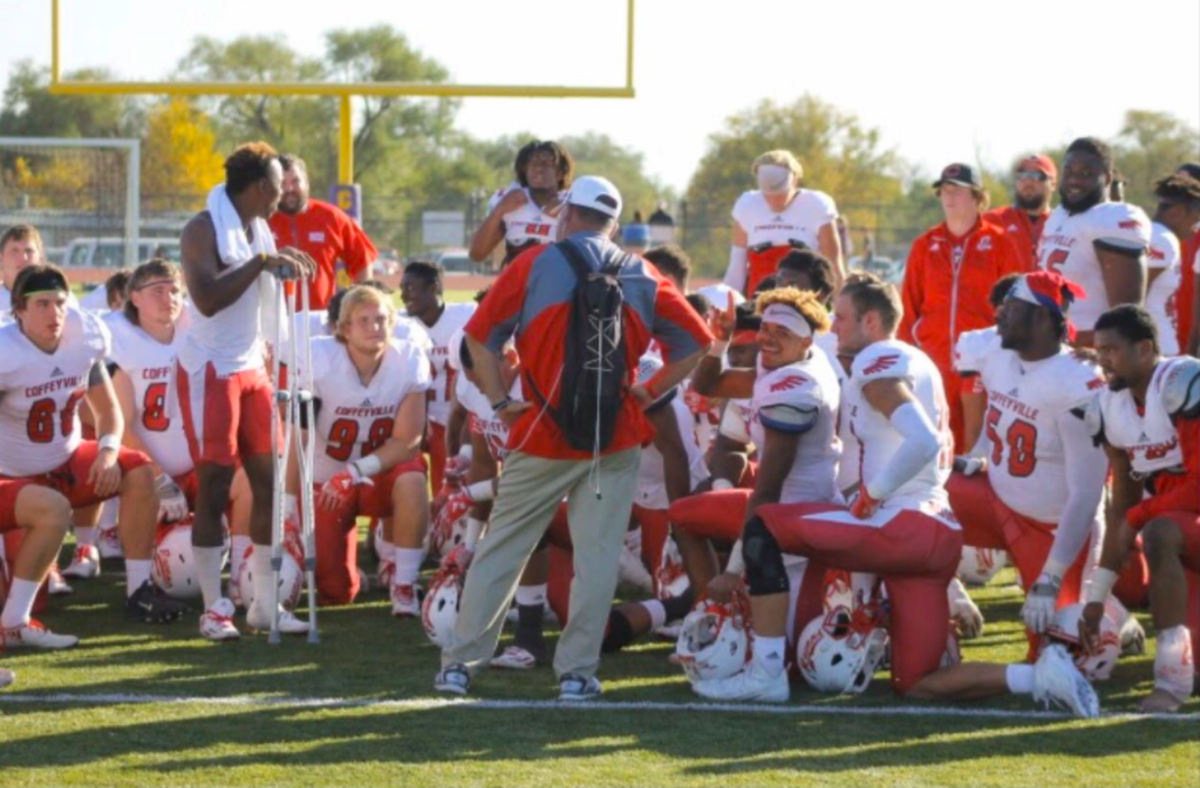
But Flores wasn’t respected only for his heart. He was a tremendous football mind. A former quarterback himself, Flores knew how to communicate with his team’s signal-caller and was considered an offensive savant.
Before his eight-year stint at Coffeyville, Flores was an integral part of Butler’s national dominance at the turn of the century. With Flores as the offensive coordinator from 2001-10, Butler won 90% (105-12) of its games, reached the NJCAA national championship game six times, and won three national titles.
His most notable pupil is Zac Taylor, the former Butler quarterback who is now head coach of the NFL’s Cincinnati Bengals. At his introductory press conference in February 2019, Taylor mentioned Flores by name as a mentor and the one who inspired him to become a football coach.
“He was really the first one that gave me the confidence that I needed,” Taylor told the Cincinnati Enquirer last year.
Around the Jayhawk Conference, Flores earned a reputation as one of the good guys. In a cut-throat world of junior-college football, gaining the respect from opposing coaches is not the easiest task. But opposing coaches respected how hard his players played for him and how Flores carried himself. Genuine is a popular adjective people use to describe Flores.
Former Butler coach Troy Morrell was someone who knew Flores best. Their friendship began in 1990 when Morrell was an All-American offensive lineman and Flores was a quarterback at Butler. A decade later, the two would reunite and with Morrell as the head coach and Flores calling the plays, they led their alma mater to three national championships.
But some of the most cherished memories Morrell has with Flores don’t involve hoisting trophies. Rather, Morrell still laughs when he recounts their annual recruiting road trip together. They would fill a duffel bag of clothes, rent a minivan and then spend the next three weeks driving from Wichita to San Antonio along the Gulf Coast and all the way up to Virginia Beach. That is when Morrell found out about Flores’ affinity for 1980s rock bands.
“I’ll always remember those trips because of how much fun that we had together,” Morrell said. “He was always fun to be around. He was just a very genuine guy and he had this huge, caring heart. He was authentic and truly wanted to help his players, not just on the field, but off the field and that’s why there’s so much respect for him because he was a true difference-maker in so many people’s lives.”
What made Flores truly authentic was that his charm didn’t kick in once he became a football coach whose job depended on swaying players to come to his program. He always cared for people, long before his coaching career.
When Josh Littrell was a kid, he was allowed to ride the Olathe South football team bus to away games because his father was the head coach. The memory stands out even more because Flores, the senior quarterback of the team, always made room so the fifth-grader could sit next to him. The conversations have long faded away, but Littrell still remembers it because of the way Flores made him feel.
“As a little kid, the quarterback is who you look up to the most,” Littrell said. “He was always so great to me when he didn’t have to be.”
And when that little kid grew up, Flores, then the offensive coordinator at Butler, helped Littrell land his first coaching job. Now Littrell is a head coach of a high school football team in San Antonio.
“Not only did he help kick-start my coaching career, but he put me in the right place at the right time where I met my wife,” Littrell said. “I owe him so much.”
In 2004, just one year after winning his first national title, Flores’ condition had worsened. He was constantly coughing and always felt out of breath. Schoning Tozier, a childhood friend of Flores’ wife, Kristen, suspected it was because of black mold discovered in Flores’ house.
In search of a diagnosis, Flores traveled to Denver, where doctors finally gave him a name for his disease and informed him he would ultimately need a lung transplant to live.
“It was pretty devastating to them,” said Schoning Tozier, a childhood friend of Flores’ wife, Kristen. “They thought they would never have children because of all of the drugs he was going to be on. But Aaron just fought. He fought the whole time and you never heard him complain a word. He never once complained about the cards he was dealt.”
Patients with acute interstitial pneumonia don’t typically live long, but Flores beat the odds. He continued to coach for 13 more years before receiving his double-lung transplant, even going off his medication, which would have almost certainly led to severe birth defects, and had two healthy daughters with his wife.
But living with the disease came with its own set of challenges for Flores and his family. In place of family vacations to Branson and the beach were trips to the hospital to check on Flores.
That’s what made the nine-hour, double-lung transplant in March 2018 so liberating. After three months of hard rehabilitation work, Flores was released from Omaha and returned to the sidelines for the 2019 season after missing most of the 2018 season.
It was the first time his children had seen him without an oxygen tank. Flores was finally able to do things most parents take for granted, like drop their kids off to school or go pick up dinner for the family. After the 2019 football season, Flores transitioned away from football to director of student affairs at Coffeyville so he could make up for lost time with his family while healthy.
“He was a whole different person coming out of that surgery,” said Leiker, Coffeyville’s athletic director whose relationship with Flores dates back three decades. “His whole tone, his voice, everything. Nobody could tell he had anything done if you didn’t already know.
“He got a good two-and-a-half years there, but we were all hoping and praying to see him around for the next 25 years. That’s the hardest part knowing that we don’t get to have those days with him, especially for his family.”
Flores was diagnosed with COVID-19 in mid-December and was flown on Dec. 21 to the same Omaha hospital where he received his double-lung transplant. Two days after his 50th birthday, Flores was put on a ventilator on Jan. 3. Less than two weeks later, he was dead from the virus.
The way Flores battled until the end was something that those closest to him admired the most about him.
“He always had tremendous determination,” Morrell said. “He was a fighter and I guarantee you he fought until the last breath. Unfortunately in this COVID pandemic we’re in right now, it’s taken a lot of people’s lives too soon and this is another sad one.”
This story was originally published January 20, 2021 at 5:00 AM.
.jpg)