
A Negro Leagues legend will get some well-deserved recognition in his Missouri hometown
With a population of just over 1,000, Glasgow, Missouri is not a big city. But its place in American history is substantial.
Located north of Boonville, Glasgow is home to Lewis Library, the oldest public library west of the Mississippi River. Glasgow is also home to the first all-steel bridge in the world. And one of the nation’s oldest single family-owned drug stores remains in operation there.
But Glasgow has an attachment to an important chunk of sports history, as well.
Glasgow is the hometown of John Donaldson, one of the greatest Black baseball players to ever play the game. And like the town he’s from, Donaldson’s name is one many people don’t know — not through American history and not in the context of baseball history. But it’s hard to miss the indelible mark he left on the game.
On Sept. 4, his enduring legacy in baseball will be honored by his hometown when the city dedicates a field and statue in his honor. The ceremony will take place at 4 p.m. as a part of what the town has declared “John Wesley Donaldson Statue & Field Dedication Day.”
Donaldson’s family will be in attendance. Cheryl Boone, Donaldson’s great-niece, said it will be an exciting, special event for her family. Donaldson’s great-nephew, Stacy Herriford, calls it an “unimaginable reality.”
“That will mean so much for me and my kids,” he said. “I’m a history fan, so it’s a part of American history as well as a history of my family. It’s going to mean we’re finally established.”
In his 32-year playing career, Donaldson accumulated more segregated wins (413) and strikeouts (5091) than any other pitcher in the game. Many writers during his career said that he was the greatest pitcher of his time.
J.Y. Miller, a Glasgow resident for around 20 years, said that for a period of time the legend of Donaldson was all but unknown even to those in his hometown.
“For a long time, a lot of folks in Glasgow didn’t even know who John Donaldson was,” Miller said. “He was kind of neglected, ignored (and) forgotten here. We’ve been correcting that now and, of course, this statue and this field will certainly help to correct that in the future.”
A PRODUCTIVE CAREER
The town of Glasgow sits on the Missouri River, which runs north to south there and takes a sharp bend under the all-steel bridge. It was not too far from that bridge, on what the town calls Stump Island, that Donaldson built the foundation of what would become an illustrious career.
“He is a very significant player in both Black baseball and Negro Leagues history because he’s one of the early-era players who was a star prior to formation of the Negro Leagues in 1920,” said Bob Kendrick, president of the Negro Leagues Baseball Museum in Kansas City. “He was dominant. He was as good as they get.”
Pete Gorton, president of the John Donaldson Network, has been working since the early 2000s to piece together Donaldson’s playing career. Based on information gathered, Donaldson played in 683 cities in 25 U.S. states and Canada. Through the network, Gorton has found more than 8,750 newspaper articles about Donaldson’s playing days.
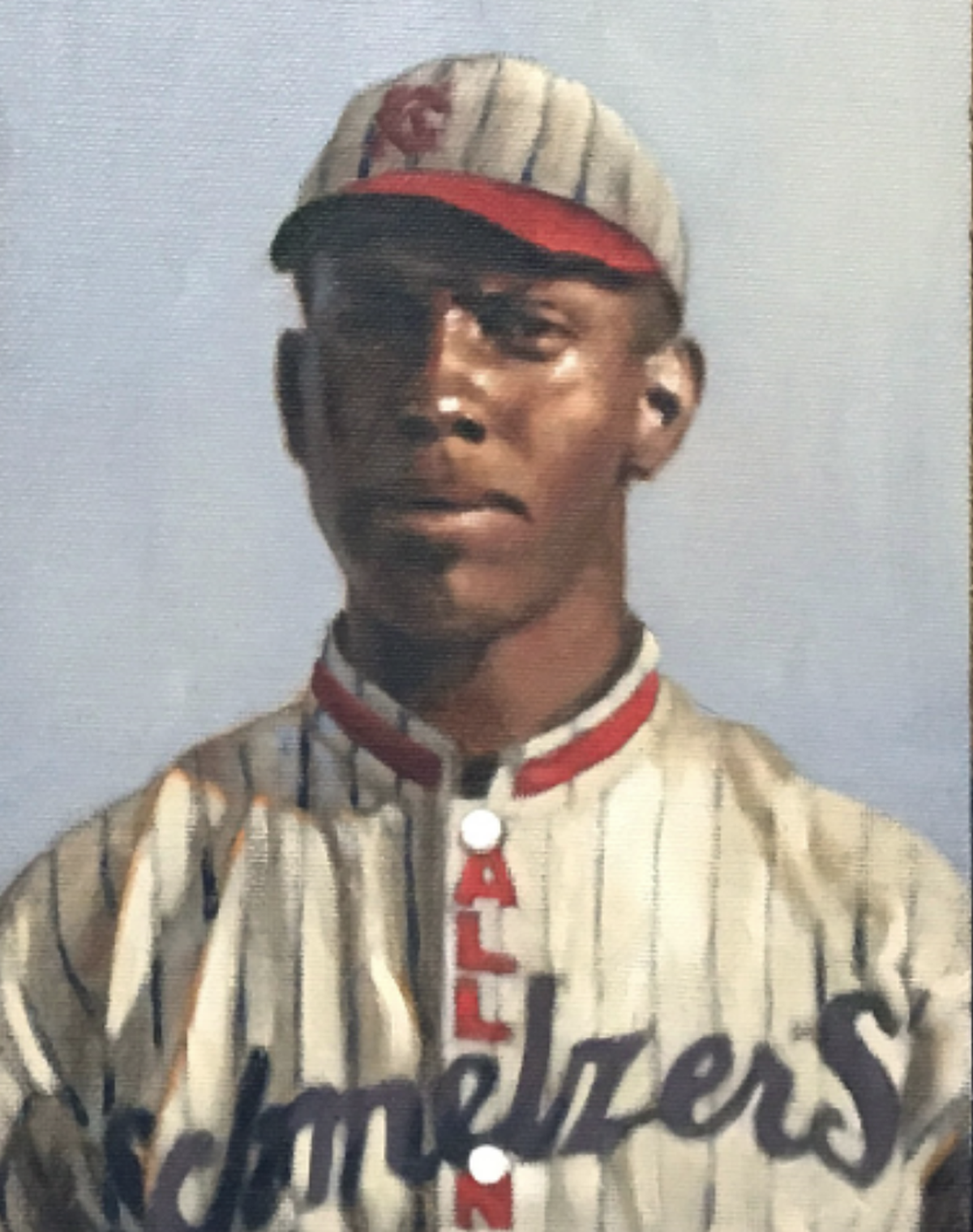
Before the creation of the Negro Leagues, Donaldson played for numerous teams across the country. In 1908-10, he played on an amateur team called the Glasgow Hanaca Blues, where he stayed for three seasons and excelled against the competition.
He went to college at George R. Smith College in Sedalia for a year before starting his pro career with the Tennessee Rats in 1911. At the time, a newspaper from Charles City, Iowa wrote about Donaldson, saying “For the Rats, Donaldson, their star left-hander, officiated and he is one of the greatest pitchers in the bush today, and if it were not for his color he would not be pitching bush ball.”
Donaldson’s prime came during his time with the All Nations team founded by J.L. Wilkinson. The southpaw played for them for six seasons, recording 2,332 strikeouts and seven no-hitters. In both 1913 and 1914, he pitched 100 consecutive shutout innings.
When Wilkinson disbanded the team in 1917, Donaldson moved around the country playing Negro Leagues baseball for the Indianapolis ABCs, Brooklyn Royal Giants and Detroit Stars. Earning $450 per month, he was considered the highest-paid Black pitcher in baseball during at the time.
Donaldson and Wilkinson teamed up again in 1920. Donaldson was a founding member of the iconic Kansas City Monarchs and is said to have come up with the team’s name. While in Kansas City, the former pitcher primarily played center field ... and still excelled.
“Donaldson used to strike out more than 15 men every time that he pitched. He was the greatest left hander that the game has ever boasted of,” the Kansas City Sun proclaimed in 1923. “John has developed into one of the best outfielders in the game, and is one of the fastest men in the league. He will look after center field this season and just watch John pull down the long flies that are hit into his territory.”
From that time until his last competitive game in 1940, Donaldson crisscrossed the country, signing with teams in Minnesota and Canada, among others, while still spending some time with the KC Monarchs.
By the end of his career, he had proven to be one of the most durable pitchers of all-time. He threw 14 no-hitters, including two perfect games, and 92 percent of his pitching appearances were complete games.
Critics of Donaldon’s career say the level of competition he faced wasn’t on par with that faced by some of baseball’s other all-time greats. Gorton’s response is that discrimination prohibited Donaldson from being able to choose who he competed against — but he sure he dominated those he did play.
Sadly, his talents as a player were never displayed in Major League Baseball.
“It was possible for him to be ignored, because that’s what society wanted,” Gorton said. “The major leagues didn’t want these Black players on their teams. So they held them out and went to great lengths to make sure the African-American game was kept separate.”
MAN OF GREAT INTEGRITY
As Donaldson hit his prime, word spread to Major League Baseball about just how good this southpaw was. After the All Nations team disbanded in 1917, Donaldson was looking for places to play and found a home with the Negro Leagues’ Los Angeles White Sox.
In February of that year, the New York Giants’ manager offered him $10,000 to play in the majors. The owner of the Giants said that if Donaldson was white he would’ve paid $50,000 for him.
But the offer to play Major League Baseball came with a catch. Since Cuban-born players were allowed to play in the major leagues but African-American players were not, the manager asked Donaldson to go to Cuba, take another name and then claim he was Cuban so he could join the team.
That meant he would have to abandon his family and never speak to his mother again. Donaldson didn’t accept the offer, stating later in his career that, “One of the agreements was that I was never again to visit my mother or to have anything to do with colored people. I refused. I am clean morally and physically.”
Miller said it’s fitting that Donaldson is now, at long last, starting to be recognized as the great baseball player he was. But he finds in Donaldson’s response to that strings-attached “opportunity” an even more powerful testament to who John Donaldson was.
“It had to have been a dream of his to play Major League Baseball,” Miller said. “But he had enough personal integrity to not do it under false pretenses… To me, that’s the thing, frankly, that I admire the most about him. I think that’s what really makes him a man.”
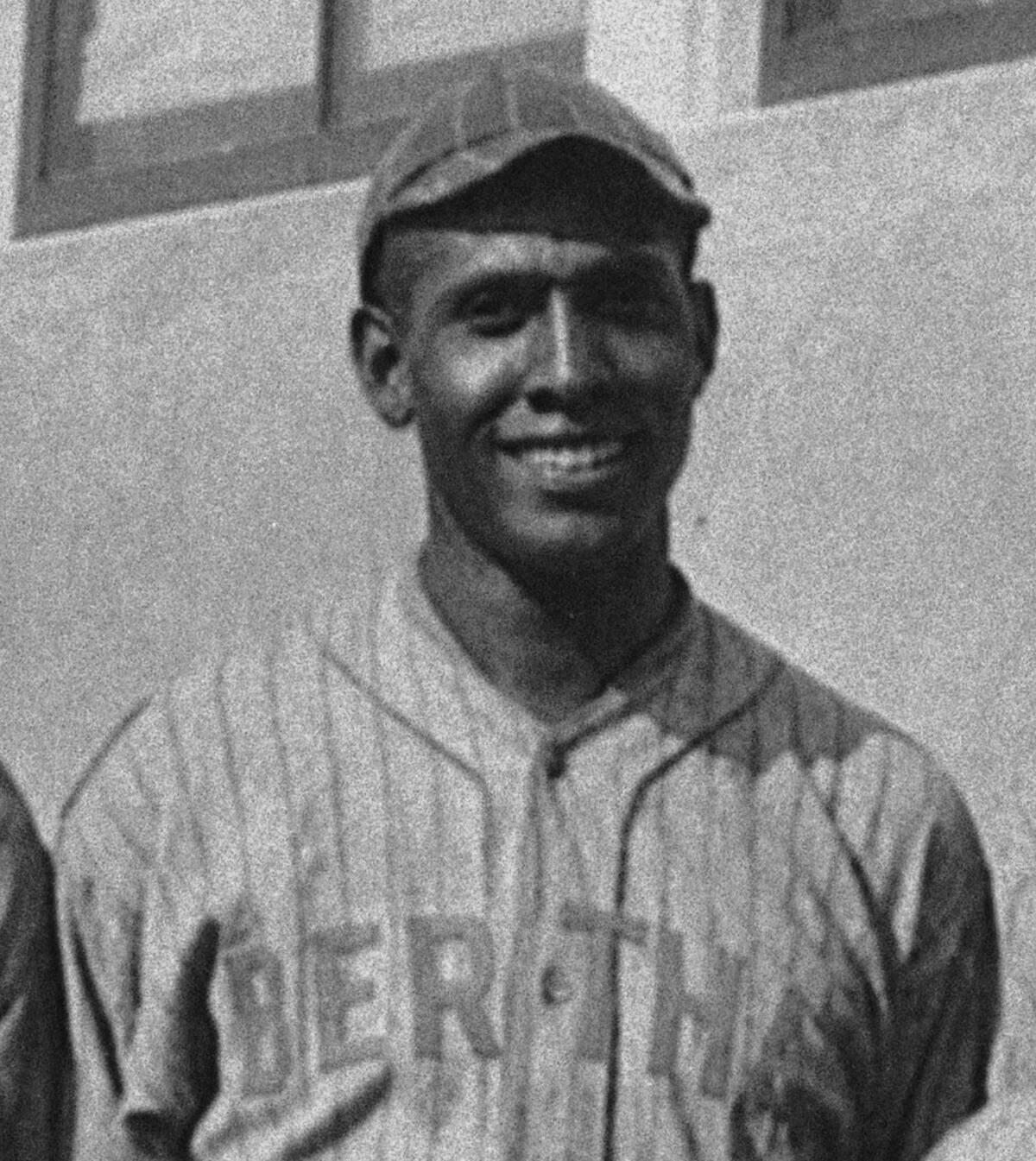
In his travels with the Negro Leagues, Donaldson spread his knowledge of the game to others. He’s often credited with teaching Satchel Paige how to play.
Herriford said that his great-uncle’s baseball career will also be defined by the doors he opened for the multitudes of Black players who came after him.
“He took his knowledge of what he learned and the love of the game and shared it with others,” Herriford said. “He was just a wonderful person.”
It wasn’t until his career was over that Donaldson finally got a chance to taste life in the big leagues. In 1949, Donaldson made history as the first full-time African-American scout in MLB history.
A DAY OF RECOGNITION
Herriford used to visit Glasgow frequently when he was growing up. He even considered Glasgow his hometown despite being from Kansas City. Now, when Herriford goes back to visit his relatives, he will be able to see his great-uncle memorialized.
Kendrick, the Negro Leagues museum president, said the fact that Donaldson’s hometown is finally recognizing his talent is extremely meaningful — especially since, for years, they didn’t know how great he truly was.
“Hopefully it sends a resounding message, particularly in this day of so much social unrest,” Kendrick said. “Here is his hometown, predominately white, honoring a Black man. That sends a resounding message. I also hope it helps people understand just how not only a great ballplayer John Donaldson was, but a great man.”
Some work has already been done to recognize Donaldson’s talents— he was inducted into the Missouri Sports Hall of Fame in 2017. But he still hasn’t gotten the national recognition he would need in order to be considered for enshrinement in the National Baseball Hall of Fame. He has been a finalist for that honor just once, in 2006.
“If you want to talk about who was great in terms of Negro League Baseball players or Black baseball players, John Donaldson is right up there with any of them,” Gorton said. “There were some people who thought when Satchel Paige went into the Hall of Fame in 1971 that John Donaldson should be the second person in there.”
For now, the Missouri town of Glasgow will do what it can to spread the word about its local legend. Miller said he wants to ensure this isn’t the last time people hear about Donaldson.
He hopes that one day Donaldson will in fact earn a plaque in Cooperstown.
“We’ll give recognition for a man that truly deserves it,” Miller said. “It will be another step along the way. We already got to first base; we’re rounding second base, thinking about heading home on that day.”
This story was originally published July 15, 2020 at 5:00 AM with the headline "A Negro Leagues legend will get some well-deserved recognition in his Missouri hometown."