When COVID-19 restrictions got me down, gardening offered solace and escape
Someone sent me a meme recently, a simple bar chart titled “What gives people feelings of power.”
The modest first line is labeled “money.” The second is “status.” The last bar, triple the length of the others and colored bright red, says “growing a tomato.”
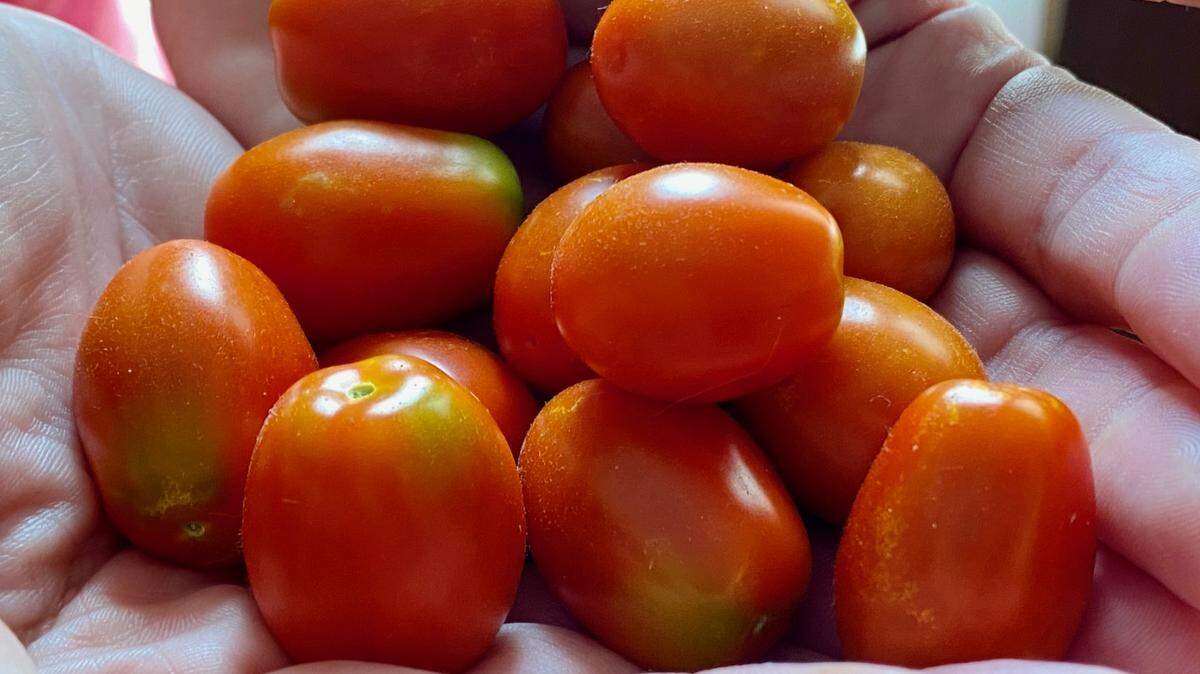
As a novice gardener, giddy with anticipation and then finally holding a crop of home-grown tomatoes in my hands, I get it.
When the coronavirus pandemic raged this spring, I was among the countless Kansans who donned masks and headed to garden centers, searching for seedlings and a little distraction.
I’d never cared much for gardening before. I grew up among roses, geraniums, lilies and azaleas in my native North Carolina — flowers that seemed to appear by magic but in fact were the result of my parents’ careful planting, pruning, watering and weeding.
My mother could take the tiniest cutting and summon a botanical wonder. She’d scan garden-center sale racks for withered specimens and add them to her basket.
“That’s dead,” I’d say, watching dried tendrils fall like confetti.
Nonsense, she’d tell me. “All this needs is love and a little Miracle-Gro.”
And so it would go, season after season, distressed plants rising like Lazarus and Mom with her watering can, Dad with the hose.
This year, as the COVID-19 pandemic shook my sense of safety and shutdowns kept me home, social media posts about houseplants and victory gardens grabbed my interest for the first time.
One friend shared photos of magical fairy gardens made with broken flower pots. Another posted pictures of lush houseplants clustered on shelves near a sunny window. My mom texted photos of Easter lilies and angel wing begonias.
I decided to give it a try.
Trips to local nurseries and garden centers became a favorite pastime. Two hanging baskets — a spider plant and Swedish ivy — grew and thrived and boosted my confidence, and they soon had plenty of company on the front porch and elsewhere.
A blank-canvas flower bed quickly blossomed with vinca, geraniums and coleus. In pots, we planted impatiens, sweet potato vines, purslane and moss rose. We cleared out some raised beds in the back yard and made room for more.
Then came herbs — rosemary, tarragon, parsley, thyme. Then tomatoes — Early Girl, Better Boy, Celebrity, Candyland Red. Then a cucumber plant and some peppers, because why not?
Work-from-home mornings allowed time to tinker in the garden with my cup of coffee. In the process I got to know some of the neighborhood squirrels, and named a few regulars — Mama, White Belly and Little Guy.
Inside I experimented with houseplants, shifting them to different spots and trying various watering schedules. Some things died — what’s your problem, schefflera? — but most flourished despite my inexperience.
I turned into one of those people who lingers in the plant sections at grocery and hardware stores, who can’t resist just one more little cactus or jade.
While the world around me reeled from disease, hostile politics and civil unrest, my garden became a place of solace and peace.
I’m not alone: According to a study by researchers at Princeton University, home gardening is a source of contentment for people across gender, racial and socioeconomic boundaries.
The gardening journey makes us happy. The destination — handfuls of fresh tomatoes, peppers, zucchini and cucumbers — is a delicious bonus.
Is there anything more exhilarating than making salsa with ingredients from your own back yard? Garnishing a plate with chopped parsley from the porch? Filling a jar with homemade pickles? Or biting into a red, ripe tomato and relishing the sweet taste of success?
There’s a special kind of satisfaction — and yes, power — in that.
This story was originally published August 6, 2020 at 8:19 AM.