
I learned about battling dictatorship from a PBS show. Now let’s go save PBS Kansas. | Opinion
When I was a college freshman studying broadcast journalism in 1978, I watched a show on PBS that made me contemplate something that I’d never thought about before:
What would I do if one day the government took control of the media, rewarding those who spread the leaders’ propaganda and silencing dissenting voices?
Little did I suspect that in the twilight of my career, I’d face that then-fictional scenario as a real journalist in the real United States of America.
But here we are.
On Wednesday, myself and many other Wichitans who cherish independent media will be participating in a 24-hour emergency pledge drive to support PBS Kansas, KPTS Channel 8 in Wichita.
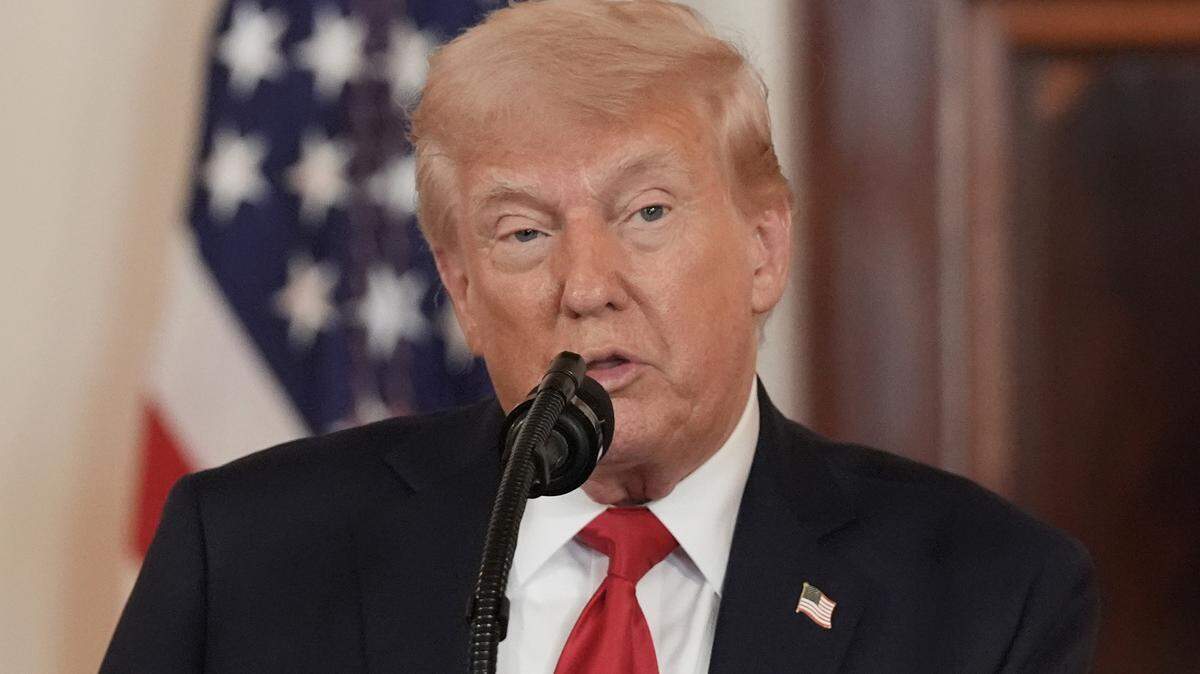
The station was recently defunded by the federal government on orders from President Donald Trump, with the willing cooperation of Kansas Sens. Roger Marshall and Jerry Moran, and Wichita-area Rep. Ron Estes.
With the recent passage of a Trump-demanded budget recission bill, KPTS has been stripped of about a fourth of its $4 million budget.
The action is grotesquely unfair, and happened for only one reason: Trump doesn’t like TV (or people, for that matter) that he can’t control..
Amid PBS’ program schedule of cooking shows, arts and crafts shows, hymn and gospel music shows, DIY shows, “Sesame Street,” “Nova,” “Austin City Limits,” “Antiques Road Show” and so on, PBS Kansas broadcasts some news and documentary programs. Trump was criticized on some of those news shows, which is a punishable offense in the USA, circa 2025.
Show from 47 years ago resonates today
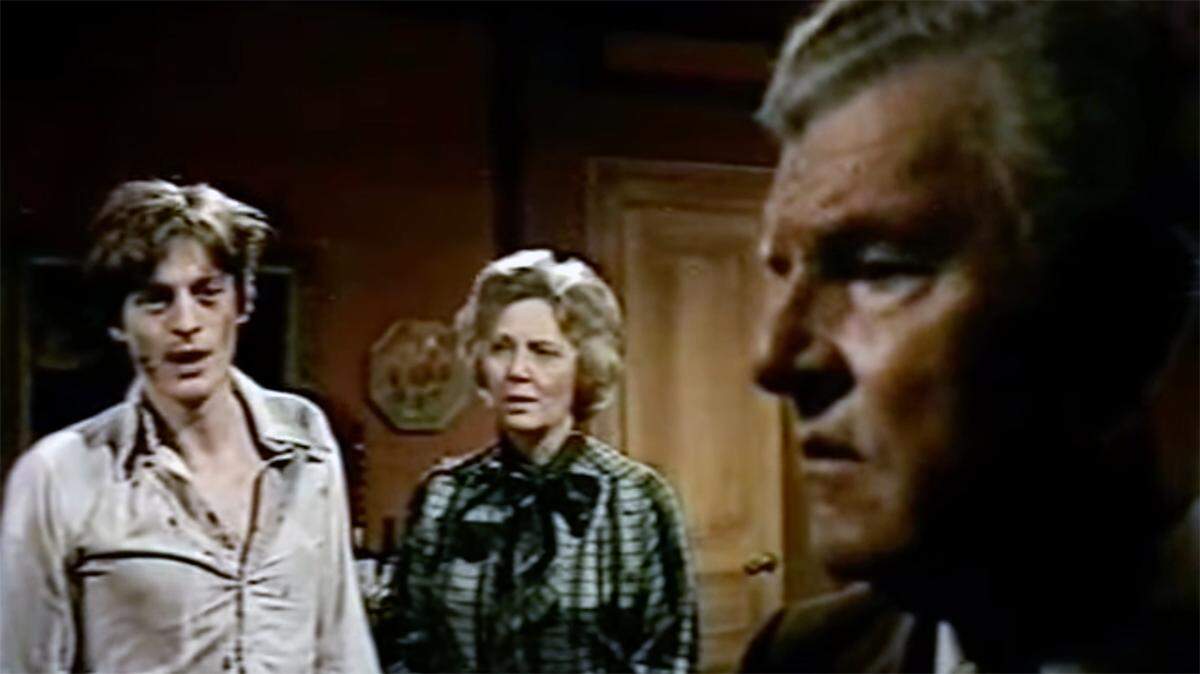
The show I mentioned earlier that had a profound effect on my own life and ethical formation was a three-part miniseries called “An Englishman’s Castle.” It was produced by the British Broadcasting Corporation and broadcast in the U.S. by PBS.
I doubt you’ve ever heard of it. As far as I know, it only ran in America that one time in 1978.
It’s been 47 years and I still think of that show, especially now.
The show is set in England of the late 1970s — but an England that had been invaded, conquered and subjugated by Germany in 1940, the second year of World War II.
The general population has settled into complacency — not overtly Nazi, but ruled by a pro-German puppet government working to purge England of minorities and political dissent. The country is economically prosperous, but morally bankrupt.
The chief protagonist in the drama is Peter Ingram, (played by British movie star Kenneth More), author and producer of a wildly popular soap opera also called “An Englishman’s Castle” in the show.
The soap’s stories are based on Ingram’s experiences as a soldier who fought the Nazis in the Army and continued to resist after his government surrendered, but laid down his arms and returned to civilian life after the collaborationist government offered a general amnesty.
His soap opera preaches conformity and obedience to authorities as the path of least resistance. And Ingram is rewarded with wealth, access to elite clubs and perks, and affairs with young actresses.
But his satisfaction with the way things are gradually turns to alarm, starting when he tries to resist orders from the “program controller” to change one of his characters to better reflect the government’s totalitarian ideology.
Subsequent (and tragic) events force him to confront the reality of the dictatorial police state in which he lives, and his own role in perpetuating it.
Over the intervening decades, I’ve looked for “An Englishman’s Castle” on videotape, DVD and online streaming, but I could never find a copy that could play on an American television.
But I recently found, to my delight, that someone posted all three episodes on YouTube three months ago. The quality is marginal, like someone’s old Betamax cassette, but it’s worth watching.
I don’t want to give away too much of the plot, because I’d ask anybody who reads this to go on YouTube, watch the program for yourself, and see if you spot the parallels to what’s happening in our country today.
From Watergate to this?
U.S. media’s obsequious capitulation to Trump’s ego and whims would have been unimaginable in 1978.
We were four years removed from the Watergate scandal, when journalists dug out the truth and Congress forced Richard Nixon to resign over his lies and abuse of power in office.
PBS ran all 250 hours of Watergate hearings. It’s hard to believe now, but we had members of Congress who cared about the rule of law and doing right by the country, instead of the kind of smarmy sycophants we have running the Capitol these days.
The Washington Post broke the Watergate story and pursued it relentlessly. Now, its owner, Amazon multibillionaire Jeff Bezos, has ordered the paper to publish editorials only on libertarian topics Trump likes. Bezos paid a million dollars to sit with Trump on the inauguration platform last January.
Meanwhile, ABC and CBS have taken a knee for Trump (the surrender kind, not the Colin Kaepernick protest kind). Each network agreed to pay $16 million to get back in Trump’s good graces after he sued their news divisions over coverage he didn’t like.
White House press conferences are a clown show these days, with the administration replacing serious journalists with pro-Trump podcasters and propagandists from second-rate cable channels.
“An Englishman’s Castle” taught me that this is no way to run a media ecosystem, or a government.
Moreover, it taught me that when authoritarianism tries to take over, there are three possible responses: You can join up and reap the rewards. You can keep your head down and pretend there’s nothing wrong until you’re personally affected. Or you can hold onto your principles, resist and face the consequences.
One of the most meaningful acts of resistance we can make right now is to ensure that PBS Kansas has enough money to continue to provide culture, education and entertainment to all of us, despite the malevolent slanders from its enemies in the White House and Congress.
I’ll invite you to tune in to the 24-hour emergency pledge drive on KPTS Channel 8, between 8 a.m. Wednesday and 8 a.m. Thursday, and send a powerful message by making a generous donation. I’ll be on air myself from 8 to 9 p.m.
I’m proud to volunteer for this, because independent public television is important to me, it’s important to Kansas and it’s important to the future of our republic.
I learned that from PBS in 1978. It’s high time our elected officials learned it too.
This story was originally published July 29, 2025 at 5:11 AM.