Kansas lawmakers on the wrong side in fight against blight | Opinion
The Kansas House of Representatives spent most of its session day Wednesday pledging allegiance to the National Rifle Association, advancing a bill that would establish a worthless NRA program, “Eddie Eagle,” as the only firearms-safety training allowed to be taught in Kansas K-5 schools.
But while that may be the headline of the day, there was a far more important issue on the agenda that’s getting far less attention.
A few minutes before the Eddie Eagle show started, a broad and apparently veto-proof majority approved a bill to advance the cause of neighborhood blight.
You didn’t read that wrong. The legislators didn’t vote to alleviate neighborhood blight. They voted to make it easier.
The Kansas Vacant Property Act, aka House Bill 2083, passed with 87 votes for, 36 against.
It would prohibit cities from levying fees on vacant properties to help pay for addressing the problems that they cause.
Our legislators really need to get out more.
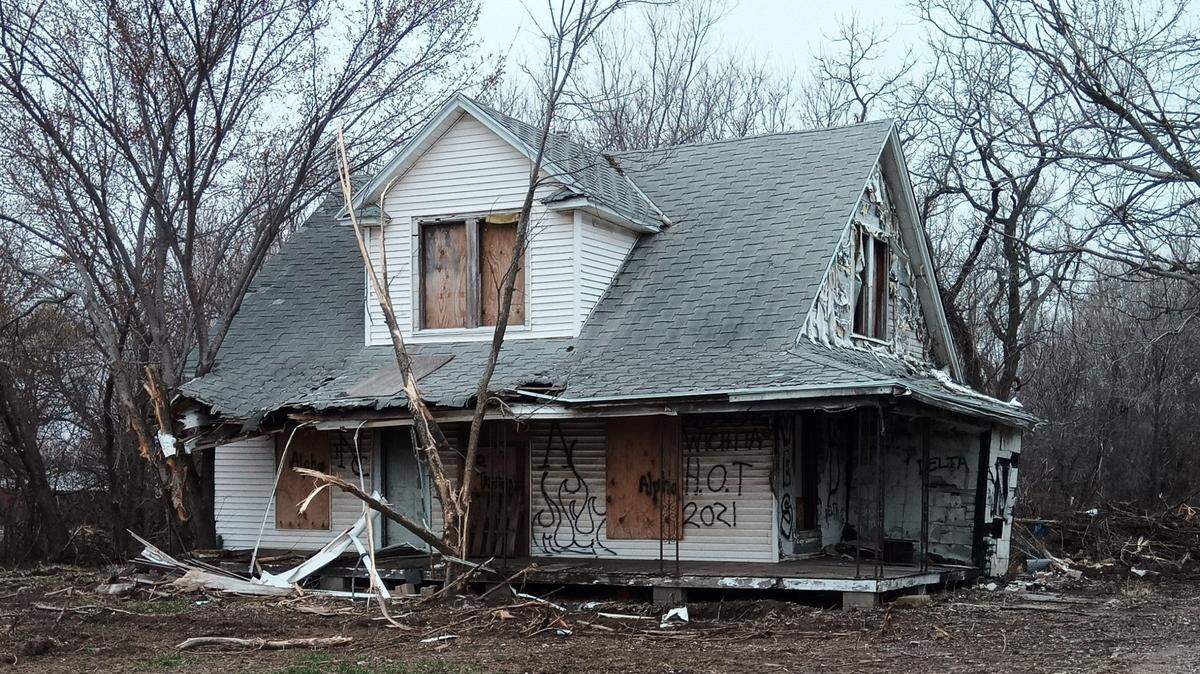
If they did, they might know what thousands and thousands of Kansas homeowners already know: that vacant properties are, at best, magnets for the homeless.
In October, a homeless man died in Wichita when two vacant houses side by side caught fire. The houses were well-known to the firefighters, who had been there on numerous medical calls for emergencies involving the people routinely squatting there.
That was at Broadway and Murdock, two blocks east and three blocks north of Wichita City Hall.
Actually, homeless people using vacant houses for shelter is one of the better outcomes.
In many cases, they get chased out by crack dealers, pimps, hookers and meth lab operators plying their trades.
One or two such houses on a block can drag a whole neighborhood down with them, cratering property values and making it uncomfortable, to downright dangerous, for residents to spend any time outside.
And it’s not just an inner-city problem. There’s a house on 119th Street just south of Kellogg in Wichita that’s been vacant so long, trees have grown through the roof.
H.B. 2038 was introduced at the request of the Kansas Association of Realtors.
At the hearing on the bill, they were joined by fellow proponents the Kansas Manufactured Housing Association, the Associated Landlords of Kansas and the Kansas Bankers Association.
“The (Kansas Manufactured Housing) Association feels that local government’s vacant property registration infringes on private property rights,” testified its executive director Martha Smith. “KMHA is of the opinion that it is still the right of the property owners to make the decision on how they want to occupy their property.”
Ahem. Even when they don’t occupy it at all?
The organizations went to the Legislature after a few cities in Kansas, including Topeka and Kansas City, passed ordinances requiring owners of vacant property to register and pay a fee for letting it sit vacant.
Topeka City Attorney Amanda Stanley testified that Topeka’s had nearly 1,000 fires in vacant buildings in the past 20 years — averaging nearly one a week. They’ve caused $12.3 million in property damage, injuries to 58 firefighters and one resident’s death.
Greg Talkin, a Kansas City/Wyandotte County official, testified that its vacant property ordinance and $200 registration fee “shifts the costs of vacant properties away from neighborhoods and local governments, and onto the appropriate private parties.”
Amen to that.
“If an owner of a vacant property finds $200 too burdensome to pay, it’s unlikely they will invest the $30,000 required to redo their roof and mechanical systems,” Talkin testified. “Meanwhile, as their vacant property deteriorates, the property values of neighboring properties will decline, and the neighborhood’s real estate market suffers.”
In House floor debate, representatives patted themselves on the back for working out a “compromise” on the bill.
Originally, it would have banned cities from registering vacant properties entirely.
The easy path to approval of H.B. 2083 shows one thing for certain: The Legislature cares more about the property rights of slumlords and absentee speculators than they do yours.