
Crypto scams are devastating, and this Kansas sheriff wants action now | Opinion
Crypto scams are draining Kansas families. Washington must catch up.
In 2023, the town of Elkhart learned how fast a digital scam can devastate a real community. Heartland Tri State Bank collapsed after its president, Shan Hanes, stole $47.1 million and pushed it into cryptocurrency.
Federal prosecutors said Hanes embezzled bank funds after being duped into a “pig butchering” scam: a fraudster builds trust, steers the victim to a fake crypto platform, and then demands larger and larger transfers.
What began as a supposed $5,000 purchase after a WhatsApp message escalated into church funds, investment accounts and, finally, depositor money. A polished but fake website showed huge returns. It was not investing. It was a long con.
Hanes pleaded guilty to a charge of embezzlement and was sentenced to more than 24 years in federal prison. In an extraordinary outcome, the FBI recovered funds from a cryptocurrency account held by Tether Ltd. in the Cayman Islands, and victims learned they would be made whole.
That is not how these cases usually end.
In Sedgwick County and across Kansas, vulnerable residents, especially older adults, are routinely scammed out of life changing amounts of money. Sometimes it is hundreds of thousands of dollars.
Too often, by the time law enforcement is called, the money has already moved through cryptocurrency wallets and overseas exchanges.
We have even intercepted scams while they were still unfolding, only to find that the victim’s money was already gone.
One of the most common schemes starts with what appears to be a harmless “wrong message” text or social media message. The scammer begins casual conversation, builds trust over days or weeks, and eventually introduces the victim to a cryptocurrency investment opportunity promising unrealistic returns.
The victim is directed to a professional-looking platform where they create a username and password, making the site appear legitimate. Fake account balances and profits convince victims to invest more money.
When they try to withdraw their funds, they are told they must first pay taxes, fees or penalties. By then, the money is already gone, and the promised withdrawal never comes.
Criminals are also increasingly directing victims to cryptocurrency kiosks and Bitcoin ATMs commonly found in smoke shops, liquor stores and small convenience stores.
Victims are often kept on the phone the entire time while the scammer walks them through depositing cash into the machine. The scammer may claim the payment is needed to avoid arrest, resolve a warrant, protect a bank account or verify funds during a supposed investigation.
Once the money is transferred through the kiosk, it can disappear almost instantly.
Kansas has started to respond. House Bill 2591, signed into law this year, creates the Virtual Currency Kiosk Consumer Protection Act. It establishes new safeguards for cryptocurrency kiosks, including a 72-hour holding period for certain new customer transactions, so victims who realize they have been scammed have a chance to stop the transfer before the money disappears.
Those are practical tools. They do not ban lawful cryptocurrency use. They slow down fraud at the moment when speed is the criminal’s greatest weapon.
Nationally, the FBI reports nearly $21 billion in cyber-enabled losses in 2025.
Cryptocurrency related complaints accounted for more than $11 billion in losses, with Americans over 60 reporting the largest share. The FBI also warns that artificial intelligence is making scams harder to detect through voice cloning, fake profiles and realistic impersonations.
As sheriff, I see the aftermath: savings wiped out, families shaken and victims too embarrassed to report until it is too late.
But embarrassment belongs to the criminals, not the victims.
These scams are organized, scripted and designed to exploit fear and trust.
Traditional banks are required to verify customers, monitor suspicious activity and report fraud under federal law.
Too many cryptocurrency platforms and kiosks that move enormous sums still do not face comparable, enforceable standards.
As Congress debates cryptocurrency legislation, lawmakers should start with the basics: accountability for platforms and kiosk operators, meaningful “know your customer” requirements, and enforceable rules to detect and report suspicious activity.
Kansas families deserve the same protections whether they bank at a community institution or buy cryptocurrency at a corner store kiosk.
Congress should give law enforcement better tools to disrupt these networks before the next Kansas family, or the next Kansas community, becomes the next headline.
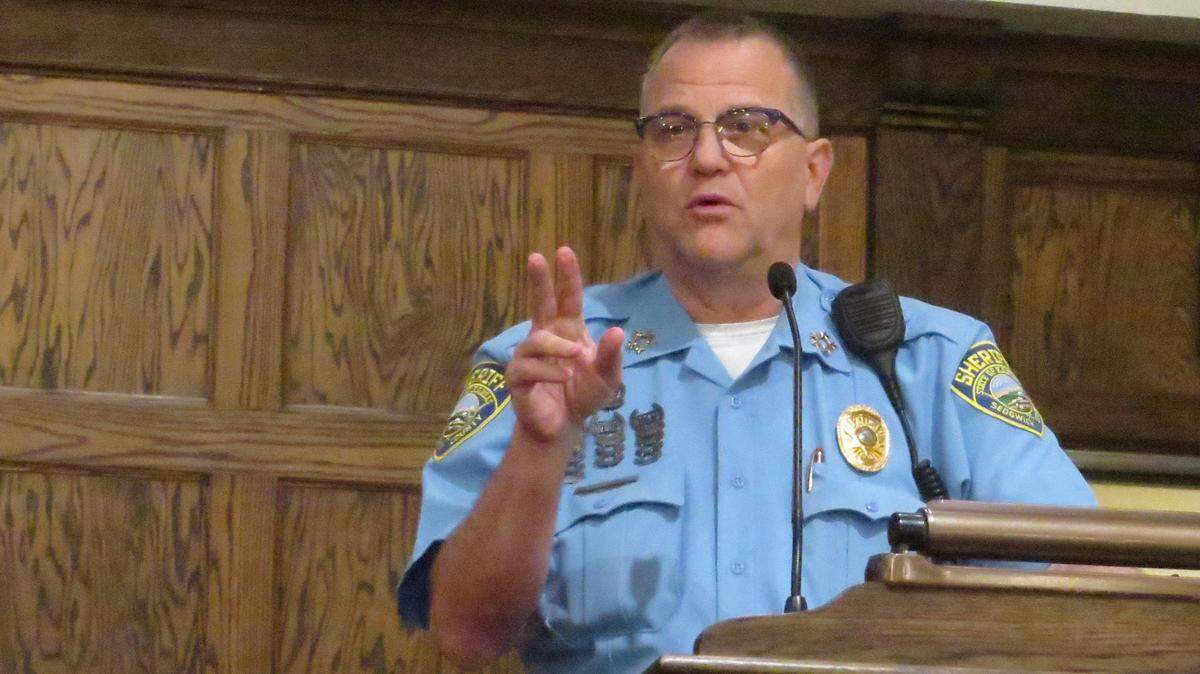
— Jeff Easter is the sheriff of Sedgwick County.