Former KAKE anchor supports Moran bill to make kids safer online | Opinion
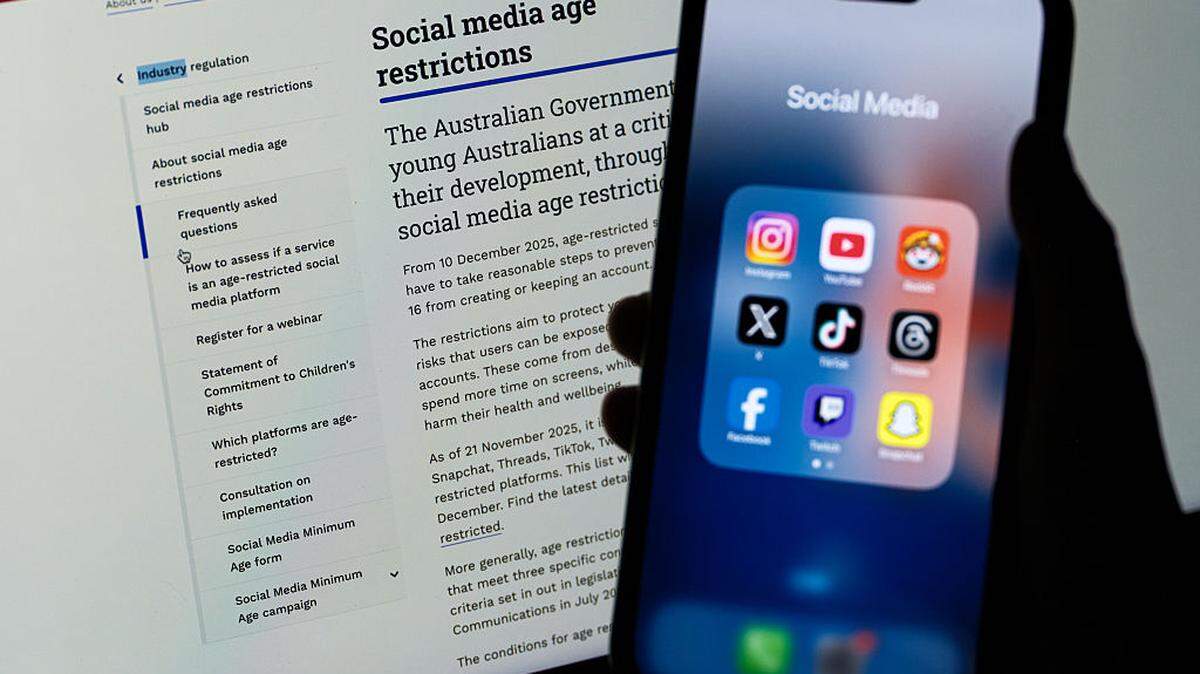
In a time of so much political disagreement, one thing that most parents agree on regardless of their political affiliation is that more needs to be done to keep children safe online.
Like all parents, I see how kids are spending more time on social media platforms like Snapchat, Instagram and TikTok that are designed to keep their attention while also making them increasingly vulnerable to online predators, bullying, and more.
Until now, Congress hasn’t done nearly enough.
Fortunately, that’s changing.
Kansas Republican Sen. Jerry Moran and Nevada Democratic Sen. Jacky Rosen have introduced the Parents Over Platforms Act.
Unlike many other proposals to address online kids’ safety, this one is designed to work in a way that actually empowers parents and protects everyone’s privacy. Congress should send the bill to President Trump’s desk as quickly as possible.
At its core, POPA puts parents in control over how and when certain apps receive information about their kid’s age.
Here’s how it works: when a kid gets a new device, their parent or guardian would have the ability to share their child’s age with an app store.
Then, when certain apps like Instagram or Snapchat are downloaded — apps that can actually threaten kids’ safety — those apps automatically receive a signal from the app store about the user’s age, so the app can put certain protections and limitations in place.
The key is that harmless apps (for things like sports or art) wouldn’t receive information about your child’s age.
With this system, POPA respects the realities of busy modern parenting, allowing for a “set it and forget it” approach that is universally accessible.
This framework places the responsibility for user safety at the application level.
As technology experts and policy researchers have consistently pointed out, apps are not static products. They evolve constantly, frequently introducing new advertising models, in-app purchases, or algorithmic content feeds long after a parent initially approved a download.
Operating systems and app stores cannot effectively police the granular, day-to-day changes inside every piece of software.
POPA solves this by requiring the device to send a simple age signal, but legally binding the applications themselves to abide by it.
When an app receives that signal, it bears the responsibility to turn off addictive algorithms, restrict adult content, and limit data collection.
Parents set the preferences, app stores convey them, and apps are held accountable for applying them.
It’s important to understand how this differs from other proposals out there that claim to protect kids, but really don’t.
Other proposals would require all users to upload government IDs, birth certificates, and face scans in order to verify their age.
Instead of forcing parents to share their most sensitive personal information with Big Tech companies, POPA relies on trust and family autonomy.
Worse, heavy-handed approaches that force families into a system of intrusive identity verification are exclusionary to non-traditional households and constitutionally dubious.
Mandating blanket age verification for general internet access risks severe censorship, acting like a law that requires a bookstore to check IDs at the door before anyone can browse.
Federal courts have consistently struck down these invasive models on First Amendment grounds.
POPA avoids these predictable legal pitfalls by giving power back to parents. It provides a workable, immediate shield against data harvesting and predatory algorithms that goes into effect the moment a parent flips that switch.
POPA’s targeted scope is also an economic win for small businesses and independent developers.
Broad, one-size-fits-all mandates risk dragging every single app creator into a massive regulatory compliance framework, regardless of whether their product is intended for children.
By limiting the age signal transmission to only those apps that need it, POPA ensures that small developers aren’t crushed by costly, unworkable data mandates.
They can continue to innovate and compete without facing the legal landmines associated with handling unnecessary sensitive data.
Families shouldn’t have to trade their privacy and jeopardize sensitive personal information just to keep their children safe online.
As the Senate debates the future of Internet safety, the bipartisan legislation by Sens. Moran and Rosen gives a clear path forward.
POPA offers a legally durable, common sense solution that respects the diverse realities of American families that puts parents — not platforms or government mandates — first.
— Susan Peters was a longtime news anchor for KAKE-TV in Wichita and founded the nonprofit Susan’s Kids, which promotes adoption of children in foster care.