
‘Big Beautiful Bill’ has a big ugly downside for Kansas utility consumers | Opinion
When you name a tax bill the “Big, Beautiful Bill,” it’s fair to assume there’s a catch. And for Kansas, it’s a costly one.
Tucked behind the attention-grabbing headlines — like no taxes on tips or overtime pay — is a quieter provision with serious bite: the repeal of clean energy tax credits that have kept power bills in check across the Heartland.
If you’re a Kansan who appreciates reliable electricity produced right here at home and dislikes paying more for it, this might not feel so beautiful.
Let’s break it down.
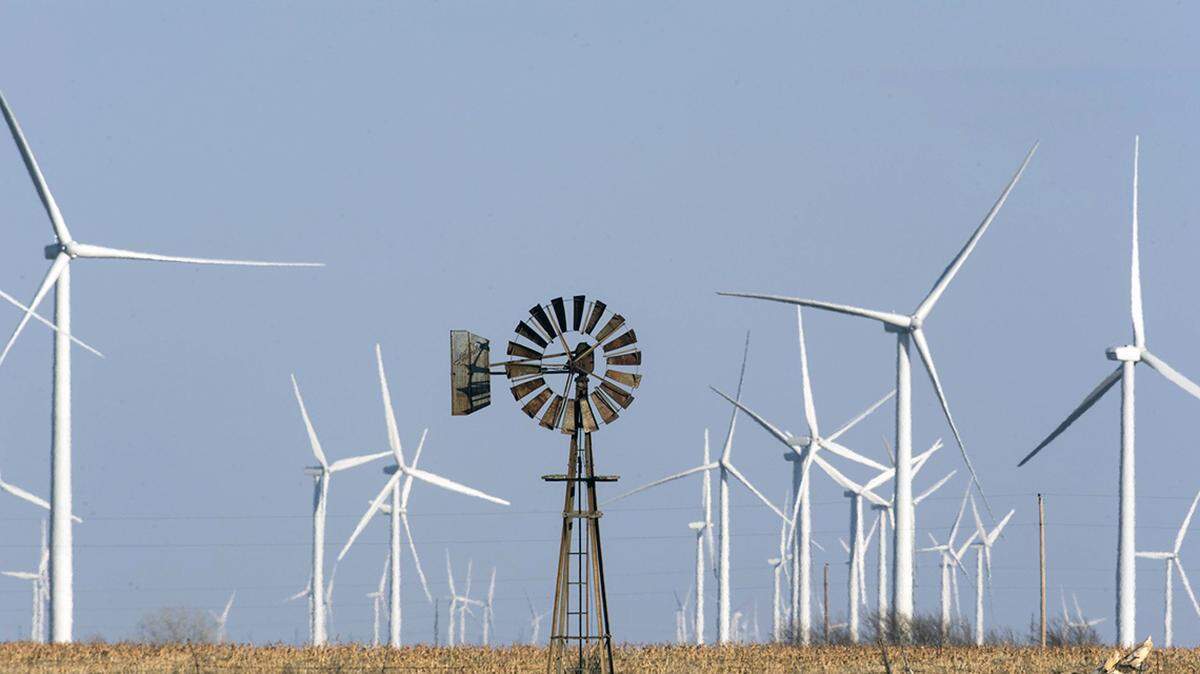
The bill, recently passed by the GOP-led House, scraps the technology-neutral energy tax credits (known in the wonk world as sections 45Y and 48E). These are the same credits that have helped fuel the growth of wind power in rural states like ours, not just because it’s green — but because in a state as windy as Kansas, it’s relatively cheap.
According to an economic impact study commissioned by the Clean Energy Buyers Association, repealing these credits would drive up electricity prices in Kansas by more than 14% for households and nearly 17% for businesses.
Another report, prepared by the Brattle Group for ConservAmerica, estimates that losing these credits would reduce Kansas household incomes by potentially hundreds of dollars a year and kill off more than 5,000 jobs in the same period (or 50,000 over ten years).
That’s not just economic theory — that’s your local plant delaying expansion, your power bill climbing, and your neighbor’s new job suddenly on hold.
And here’s the kicker: Kansas, like most red states, won’t benefit from the flashy parts of the bill either.
The higher SALT cap deduction for state and federal taxes? That mostly helps high earners in places like California and New York.
Here in Kansas, the average household won’t see much from that tradeoff — except a steeper utility bill and fewer jobs on the books.
Even Senator Jerry Moran — hardly a climate hawk — signed a bipartisan letter urging his colleagues to exercise caution where nixing clean energy tax credits is concerned. When a Kansas Republican says “maybe let’s not mess this up,” it’s worth listening.
Why does this matter now? Because Kansas, whether we like it or not, is on the front lines of America’s power surge. Between AI, electric vehicles, manufacturing reshoring, and an increasingly electrified economy, national electricity demand is expected to jump 50% by 2035. We’re going to need more energy—and fast.
And here’s the good news: Kansas is actually in a great position to deliver it. We have wind. We have open land. We have transmission infrastructure. But what we won’t have — if these credits go away — is the capital investment that makes those projects pencil out.
Repealing the credits doesn’t just slow progress. It shifts the cost of new energy to ratepayers like you and me. That’s not limited government; that’s expensive government wearing a cowboy hat.
Let me be clear: this isn’t about left or right. It’s about math. And the math says pulling these credits doesn’t just raise bills — it shrinks the state economy.
Brattle estimates a total Gross Domestic Product loss of $600 million in Kansas alone.
We don’t need a partisan debate to tell us that’s a bad deal. We just need a calculator.
So what’s the takeaway here? If Congress wants to clean up the tax code, great. But don’t do it in a way that threatens shutting off our lights and hiking our bills all in one fell swoop.
Kansans are practical people. We like a good deal, but we don’t generally fall for snake oil dressed up in sequins.
The “Big, Beautiful Bill” might work for blue states with budget cushions. But here in the Sunflower State, we can’t afford to fund their tax breaks with our energy bills.
Let’s keep Kansas powered, competitive, and smart. And maybe next time, skip the sparkle and just give us a bill that works.
Sara Nylund is a writer in Kansas. She has worked on several political campaigns.
This story was originally published June 6, 2025 at 5:00 AM.