
If your bridges are safe and water’s clean, thank a professional engineer today | Opinion
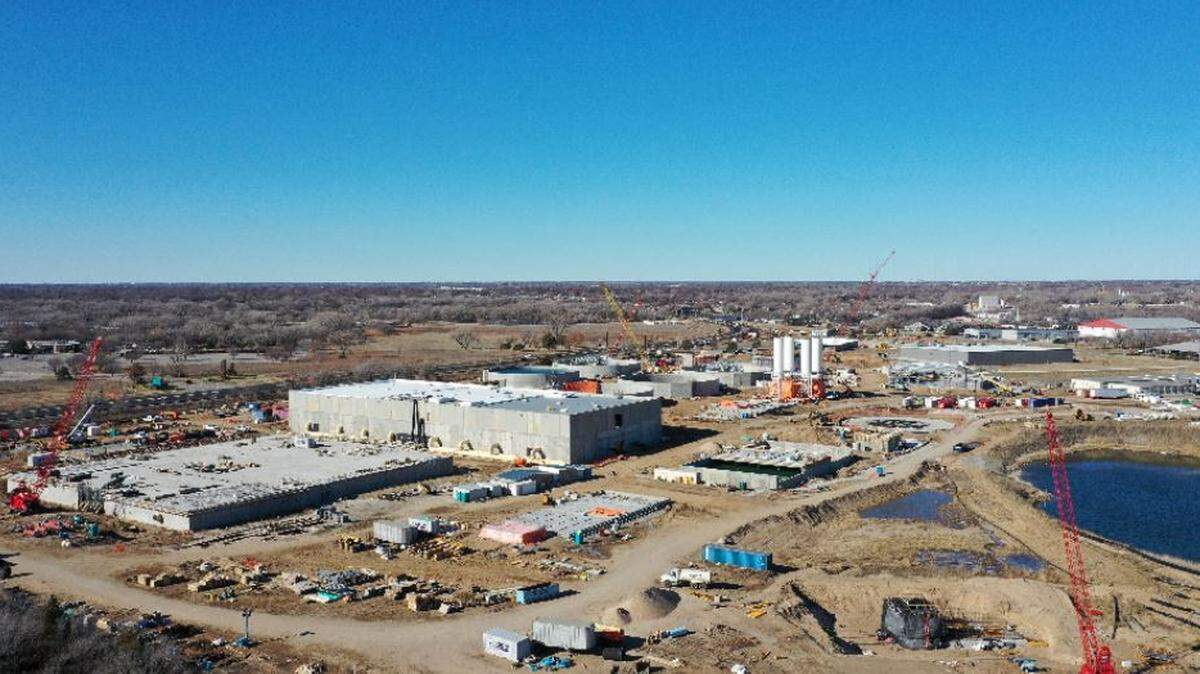
With National Licensed PE Day comes the opportunity to celebrate the engineers who have obtained their professional engineering licenses, and in turn, taken oaths to protect and prioritize public safety, health, and welfare through the infrastructure they design.
As a licensed engineer myself, Licensed PE Day serves as a reminder of the significance of my PE suffix and what it’s taken to get here.
Securing a PE license is a long and rigorous process.
At minimum, it can take eight years to complete your licensing through education, on-the-job experience, and thorough exams.
And while the process is intense, there’s no better testament to an engineer’s qualifications to design and implement the infrastructure that we all rely on day in and day out.
Consider the confidence you feel in seeing an MD following your family physician’s name or DDS beside your dentist’s name.
In the engineering world, PE serves much of the same purpose.
A PE license ensures that the engineer designing Kansas’ essential infrastructure — from the highways we drive to the water systems that provide our homes with clean drinking water — is qualified and up to the task.
But the notion of qualifications goes well beyond the individual, because when we consider the full picture, there’s more than one engineer on the job.
Infrastructure projects are awarded to engineering firms, not individuals.
Qualifications-based selection, or QBS, is the process by which professional service providers — engineering firms included — are chosen based on qualifications rather than cost, is facing opposing legislation in some states, and it’s critical we protect it.
In dismissing the QBS process, we are limiting the options for municipalities, utilities and more when it comes to designing and improving infrastructure.
Not only that, but it could ultimately cost taxpayers more money in the long run.
Multiple studies have shown that while a more expansive and future-minded scope on a design may cost more initially, it will inevitably save on operational, maintenance, and even reconstruction costs further down the line.
When it comes to cost under QBS, the fee is negotiated after the most-qualified firm is selected, so at the end of the day, the public is assured a fair price.
As a water and wastewater engineer, this topic hits close to home.
But when we stop to really consider the impact that QBS has on the infrastructure within our community, it hits close to home for all of us — engineer or not.
I spend my days designing infrastructure solutions, but beyond that, I’m a Wichita resident who wants to know that the water in my family’s home and the bridges we drive are safe.
This Licensed PE Day, I urge you to join me in considering the impact that licensed engineers and QBS have on the infrastructure around you.
The future of Kansas infrastructure depends on it.