
Real or fake, we’re getting way too many drugs from China, former Rep. Huelskamp says | Commentary
The horrific attack on Israel and the outbreak of war in the Middle East should be a wakeup call for every American.
We cannot remain complacent and rely solely on our intelligence community to successfully predict every threat. We must shore up our domestic weaknesses before it is too late and our enemies catch us by surprise.
One of our nation’s greatest economic and health vulnerabilities is its reliance on China for pharmaceutical drugs.
Approximately 80 percent of active pharmaceutical ingredients used to make drugs are produced overseas, primarily in China and India.
This didn’t happen by accident.
For nearly two decades, China has pursued a coordinated strategy to cripple America’s medical manufacturing capacity and grow the U.S. dependence on its products through subsidies and unfair trade practices.
Should a conflict with China ever arise, this reliance could be catastrophic.
That said, China’s dominance of the pharmaceutical manufacturing market is already hurting Americans, costing jobs and significantly contributing to the scourge of unsafe and counterfeit drugs throughout Kansas.
While American drug manufacturing facilities are held to the highest safety and quality standards, China’s plants are often grossly unregulated.
The country is also one of the world’s leading suppliers of counterfeit drugs, producing one-third of the global supply of these dangerous fake and illicit products, according to research by the international Organisation for Economic Cooperation and Development. India is the largest producing country for fake drugs, but its primary transit point to the western world is through China via Hong Kong, OECD found.
While China profits off this fraud, Kansans suffer. Relying on China as our main source of APIs makes it more challenging to crack down on counterfeit drugs, opening the floodgates to them.
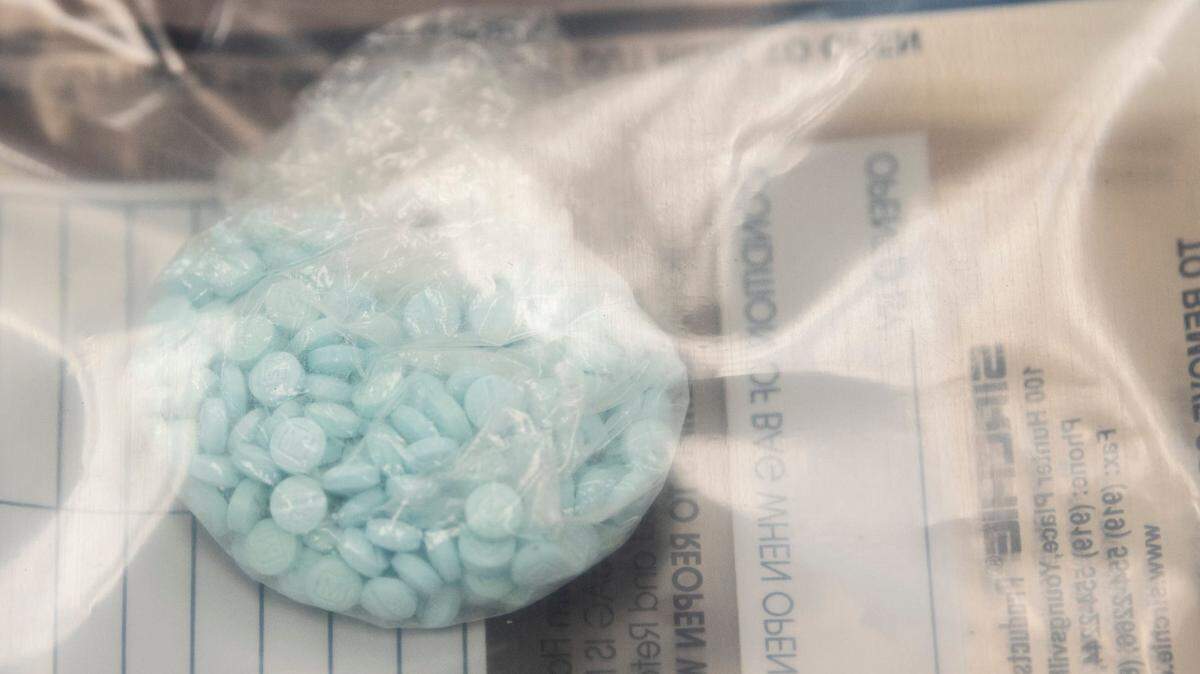
Just earlier this year, the Kansas Bureau of Investigation and Kansas Highway Patrol seized 25,000 counterfeit pills containing fentanyl.
Fortunately, Kansas is well-positioned to lead the way in rebuilding America’s health supply chains, creating good-paying manufacturing jobs and stopping dangerous counterfeit drugs in the process.
The state is already home to nine pharmaceutical manufacturing sites, with central Kansas alone boasting 2,000 industry employees. Overall, the biotech industry in Kansas supports more than 35,000 jobs, more than $11 billion of economic output, and $514 million in tax revenue.
Bringing more of these jobs home from China represents a no-brainer for the interests of Kansans. Americans are increasingly becoming more aware of this threat and want their leaders to act on it.
Bipartisan legislation called the Medical Supply Chain Resiliency Act will begin to do just that, by reducing regulations that hurt America’s domestic manufacturing, all the while allowing closer trade partnerships with allied countries.
This bill represents an important first step, but it must only mark the beginning. Kansas’ elected leaders must focus on attracting more pharmaceutical manufacturers to our state.
In times of uncertainty, America has always looked to Kansas to lead the way in the nation’s industrial base.
Kansas must deliver, just as it always has before.