
Let’s zero out taxes on food, diapers and feminine hygiene supplies | Commentary
Whenever Kansans think about tax policy, our minds often go to the failed tax experiments of the past, experiments that crippled our state and prioritized businesses over people.
After a few difficult years, our midwestern sensibilities finally got the best of us, and we altered course to work to put Kansas back on the right path.
As we implemented those needed changes, we’ve seen our state’s fortunes take a turn for the better.
Month after month, we read the headlines: “Kansas collects $1.1 billion in taxes during December” and “Kansas sales, income tax revenue exceeds projections for 25th consecutive month.”
While those revenues are from a whole myriad of tax revenue streams, it shows our state is prospering.
With that good news comes the opportunity to consider how we prepare for the future and help our state thrive.
It is time to pass on these good fortunes to Kansas families.
Last year, we all watched the back and forth of the food sales tax discussions in the Kansas Legislature.
Despite agreement from both sides of the aisle that we should eliminate the food sales tax, we all had different ways to get there: fully eliminate food sales tax in one year — axe the tax — or gradually reduce it over three years.
Multiple bills were introduced, legislative committee hearings were held, and the conversations continued for months.
And caught in the middle of this? Kansas families.
Last year, when our food sales tax was 6.5 percent, we saw the data points. Kansas had the third highest food sales tax in the country; an average Kansas family would save approximately $500 per year if our food sales tax went down to zero.
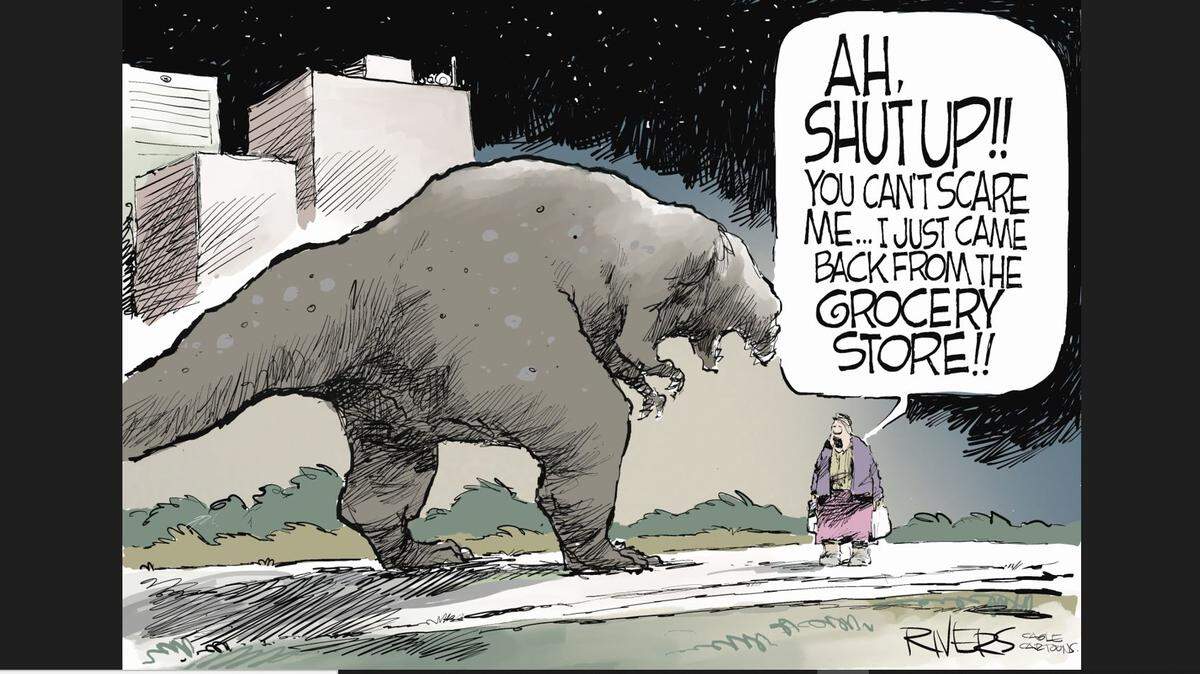
And let’s not forget to factor in the toll inflation had on every single Kansan: when the bill to phase out the food sales tax over three years was ultimately signed into law in May 2022, the annual inflation rate was a whopping 8.5%.
Amidst all of the discussions last year, one thing remained the same: Kansas families are still struggling.
▪ Currently, 154,000 Kansas children live in homes with a family income less than the federal poverty level.
▪ Forty-seven percent of students in Kansas public schools receive free or reduced-price meals.
▪ Just over 200,000 Kansans participate in the Supplemental Nutrition Assistance Program, 72 percent of whom are in families with children.
These numbers matter when we consider the opportunities ahead of us this legislative session, to bring savings and compassion to Kansas families: bills to remove the sales tax on diapers and feminine hygiene products.
These are basic necessities and Kansas insists that they be taxed at the normal sales tax rate.
In fact, feminine hygiene products are currently considered a ”luxury” item in our state.
A mother shouldn’t have to choose between food and diapers or feminine hygiene products.
We must do better for women and babies.
For Kansas families, every dollar – every opportunity for savings – counts, especially during times of high inflation.
The annual tax savings on food, diapers, and feminine hygiene products could mean a few extra carts of groceries a year.
It means a family can buy new shoes for their kids.
Or it could mean a family could work towards building up their savings.
Changing tax policies to support Kansas families is not a tax experiment, it’s one of the best investments we can make.
Now is the time to make this investment.
Let’s put politics aside and get to work to fully eliminate the sales tax on basic needs, once and for all.
This story was originally published January 24, 2023 at 11:19 AM.