
Calling on Congress to protect Medicare home healthcare from steep cuts | Commentary
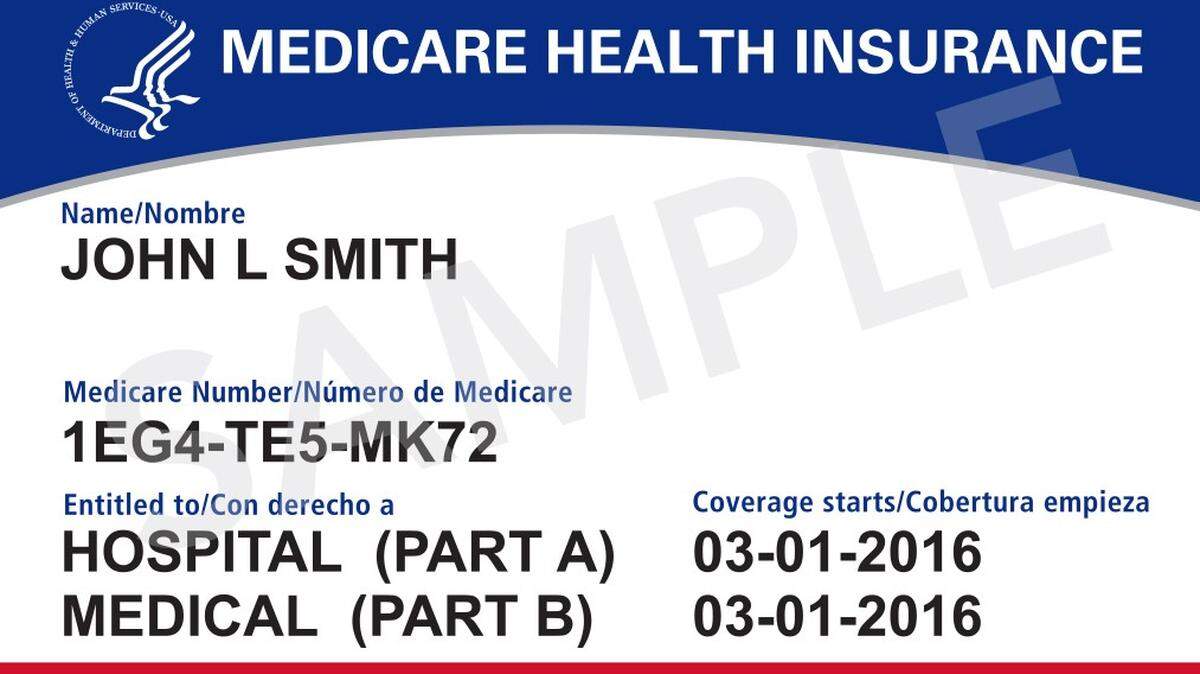
Proposed cuts to Medicare home healthcare services could have a serious, negative impact on seniors and those with disabilities here in Kansas and across the country.
Fortunately, a bipartisan group of lawmakers in Congress are working to ensure these cuts do not go into effect. Kansas lawmakers should join in this effort and help protect access to vital home healthcare services for the nearly 30,000 Kansans who rely on these services annually.
For those of us with the privilege of working in the home healthcare community, the proposed new cuts that have been put forward by the federal agency that oversees Medicare raise some major red flags. In total, Medicare wants to impose a permanent 7.69% cut in payments to home healthcare providers as well as an additional $2 million in “clawback” cuts for services provided in 2020 and 2021, during the height of the coronavirus pandemic.
Setting aside the fact that home healthcare services are growing in demand to reduce unnecessary trips to the hospital and ease enormous strains on our overburdened health care system, the near 8% cut will be devastating for the home healthcare community, totaling $1.33 billion nationally in 2023—and $12 million in Kansas alone.
The cumulative impact of these proposed cuts to Medicare home healthcare services would total $18 billion over the next 10 years, which some estimates predict could put half of the country’s home health agencies at risk for closure.
Not that there would ever be a “good” time to impose such drastic cuts, but these particular ones could not be more poorly planned. Between the pandemic, the still-too-high costs of fuel, and soaring inflation, home healthcare providers and clinicians have been put through the proverbial wringer over the past few years.
As a result, wages and expenses in the home healthcare sector have skyrocketed since 2019. Massive cuts to Medicare home health services will only exacerbate these issues.
Even when compared to the overall Medicare population, those who utilize home healthcare are more likely to be struggling with poorer health as they generally live with multiple chronic conditions.
Data shows that, in Kansas, more than 65% of Medicare home healthcare beneficiaries live with five or more chronic health care conditions—such as heart disease, cancer, and diabetes — while that figure is less than 15% among Medicare beneficiaries overall.
In other words, these Medicare cuts would undermine access to high-quality care for some of our state’s — and our nation’s — most vulnerable patients, who overwhelmingly prefer to receive care in their own homes. In fact, 94% of Medicare beneficiaries say they would rather receive post-hospital care at home, where they feel more comfortable, safe, and familiar with their surroundings.
Given the negative ripple effect these potential Medicare cuts would have in the home healthcare community and for the patients we serve, it is encouraging to know that some lawmakers in Congress have come together to introduce the bipartisan Preserving Access to Home Health Act of 2022.
If passed, this legislation would prevent any cuts to Medicare home healthcare in 2023, protecting home health patients, providers, and clinicians from these potentially devastating cuts while giving Medicare officials more time to refine its budgeting approach.
For the sake of Kansas’ aging and disabled population, our lawmakers in the U.S. House and Senate should support the act and work with their colleagues on both sides of the aisle to pass this much-needed legislation without delay. I commend Representative Tracey Mann for already signing onto this important patient-care legislation.
The sooner policymakers can ensure access to home healthcare remains protected, the better our community can respond to the needs of Medicare patients in Kansas and across the country.